

 EN
EN
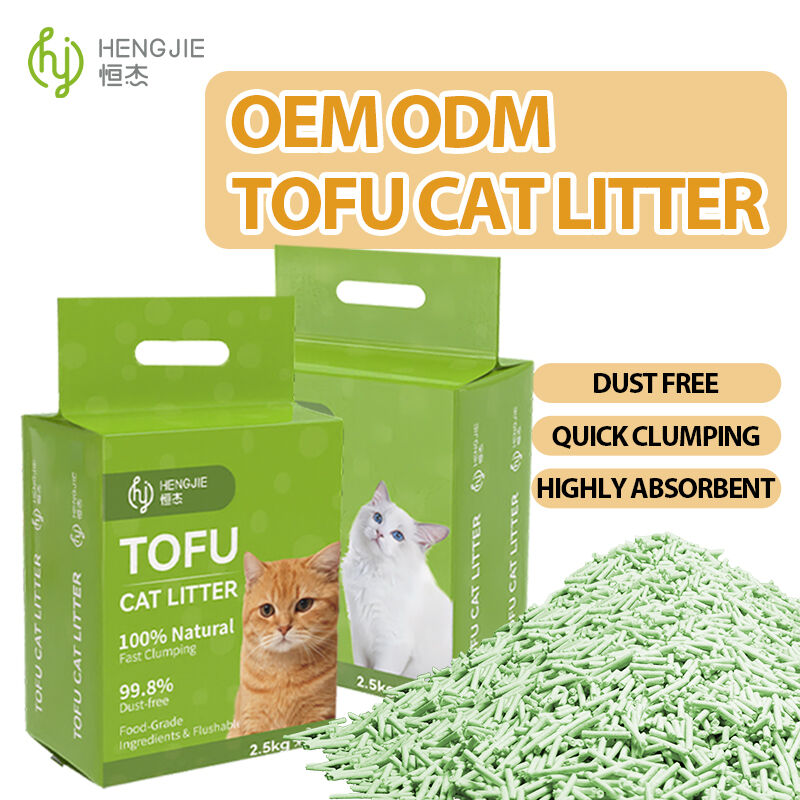
ခေတ်မှီကေတ်တီပိုင်ရှင်များသည် မိမိတို့၏အိမ်တွင် သန့်ရှင်းရေးနှင့် အဆင်ပေးမှုကို အာမခံပေးသည့် အကောင်အထည်ဖော်ရေးအား ပိုမိုအလေးထားလာကြသည်။ ကေတ်တီလစ်တာ၏ စွမ်းရည်များသည် အလွန်အမင်း တိုးတက်လာခဲ့ပြီး အဆင့်မြင့်ဖော်မူလေးရှင်းများသည် အထူးသဖြင့် စုပ်ယူမှုစွမ်းရည်များနှင့် အနံ့ထိန်းချုပ်မှုစနစ်များကို ပိုမိုကောင်းမွန်စေသည်။ ကေတ်တီလစ်တာ၏ အမျိုးမျိုးသော ဖော်စွမ်းပေးမှုများသည် စိုထောင်မှုကို ထိန်းသိမ်းခြင်း၊ စုပုံခြင်း ထိရောက်မှုနှင့် ဘက်တီးရီးယားများကို ဖျက်ဆီးခြင်းတို့ပေါ်တွင် မည်သို့အကျေးသေးသည်ကို နားလည်ခြင်းဖြင့် အိမ်မွေးကေတ်တီများအတွက် အကောင်အထည်ဖော်ရေးဆိုင်ရာ ဆုံးဖြတ်ချက်များကို ပိုမိုသေချာစွာ ချမှတ်နိုင်မည်ဖြစ်သည်။
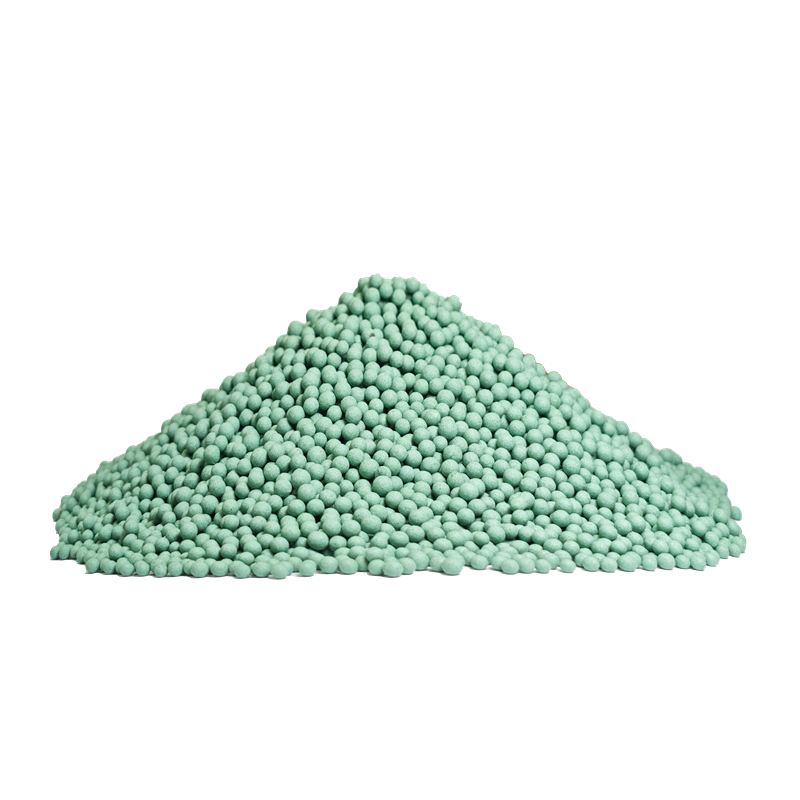
ပရောဖက်ရှင်နယ် သတ်မှတ်ထားသော vet အကြံပေးချက်များအရ အသက်ရှူလမ်းကြောင်း စိတ်ခေါ်မှုကို အနည်းဆုံးဖြစ်စေရန်နှင့် စုပ်ယူမှု ထိရောက်မှုကို အများဆုံးဖြစ်စေရန် ကေးတီလစ်တာများ၏ ပစ္စည်းများကို ရွေးချယ်ရန် အရေးကြီးပါသည်။ ခေတ်မှီ ပုံစောင်များတွင် အမိုနီယာ ပေါင်းစုတ်များနှင့် ကေးတီများ၏ အပ်စ်များတွင် အဖြစ်များသော အနံ့ဆိုးများကို အာရုံစိုက်ဖျောက်ပေးရန် အထူးပြုထားသော ပေါ်လီမာများနှင့် သတ္တဝါများ၏ ဖွဲ့စည်းမှုများကို ထည့်သွင်းထားပါသည်။ ဤနည်းပညာဆိုင်ရာ တိုးတက်မှုများသည် ရှေးရိုးစွဲ မူလက မြေစေးအခြေပြု အစားထိုးများထက် အနံ့စီမံခန့်ခွဲမှု စိန်ခေါ်မှုများကို ရေရှည်တွင် ဖြေရှင်းပေးရန် မကောင်းမွန်ခဲ့သည့် အချက်များကို သိသိသာသာ မြှင့်တင်ပေးထားပါသည်။
ခေတ်မှီ ပုံစောင်များတွင် စုပ်ယူမှု နည်းပညာများ တိုးတက်မှု
အထူးစုပ်ယူနိုင်သော ပေါ်လီမာ ပေါင်းစုတ်များ ထည့်သွင်းခြင်း
စူပါအာစိုးဘန့် ပေါ်လီမာများသည် ရေစုပ်မှုစွမ်းရည်ကို အထူးသဖြင့် မြှင့်တင်ပေးခြင်းဖြင့် ကေးတီလစ်တ်၏ စွမ်းဆောင်ရည်ကို အများကြီး ပြောင်းလဲပေးခဲ့သည်။ ဤသုတ်သင်ရေး ဓာတုပစ္စည်းများသည် မူလအလေးချိန်၏ ရှုပ်ထွေးသော အချိန်အထိ ရေပမာဏကို စုပ်ယူနိုင်ပြီး စိုစွတ်မှုကို ထိရောက်စွာ ဖမ်းမိကာ ရေယိုစိမ့်မှုကို ကာကွယ်ပေးသည့် ဂဲလ်ကဲ့သို့သော ဖွဲ့စည်းမှုများကို ဖန်တီးပေးသည်။ ဤပေါ်လီမာများ၏ အဏုမေးတ်ဖွဲ့စည်းမှုသည် စုပ်ယူမှုဖြစ်စဉ်အတွင်း ရေကို အများအားဖြင့် အများကြီးမြန်မြန်စုပ်ယူနိုင်ပြီး အရွယ်အစား တည်ငြိမ်မှုကို ထိန်းသိမ်းပေးသည်။
စူပါအာစိုးဘန့်နည်းပညာကို ကေးတီလစ်တ်ဖွဲ့စည်းမှုများတွင် ထည့်သွင်းခြင်းဖြင့် စွမ်းဆောင်ရည်ကို အထူးသဖြင့် မြှင့်တင်ပေးရာတွင် ပစ္စည်းအသုံးပြုမှုကို အများကြီး လျော့ချနိုင်သည်။ အိမ်မွေးတိရစ္ဆာန်များကို စောင်းသူများသည် အစားထိုးရန် ကာလကို ပိုမိုရှည်လျော့ချနိုင်ခြင်းနှင့် ရေစုပ်မှုပစ္စည်းများနှင့် နှိုင်းယှဉ်လျှင် စုစုပေါင်းစရိတ် ပိုမိုသက်သာခြင်းတို့ကို ရရှိသည်။ ပေါ်လီမာများ၏ ဖွဲ့စည်းမှုများသည် အများအားဖြင့် အများကြီး ပိုမိုကောင်းမွန်သော စုပုံမှု လက္ခဏာများကို ဖန်တီးပေးပြီး အမှိုက်များကို ပိုမိုလွယ်ကူစွာ ဖယ်ရှားနိုင်ခြင်းနှင့် လစ်တာဘောက်စ် ထိန်းသိမ်းရေးကို ပိုမိုကောင်းမွန်စေသည်။
စိုထိုင်းဆ ဖြန့်ဖြူးမှု စနစ်များ
ကေတ်တီလစ်တွင် အရည်စိုထိုးသွင်းမှု အကောင်အထည်ဖော်ရာတွင် အမှန်ကန်စွာ ဖြန့်ဖြူးပေးနိုင်ရေးအတွက် အမှုန်အရွယ်အစား အကောင်အထည်ဖော်ခြင်းနှင့် မျက်နှာပုံဧရိယာ တိုးမှုနည်းလမ်းများကို အသုံးပြုရပါသည်။ ထုတ်လုပ်သူများသည် အရည်စိုကို အမြန်ဆုံး စုပ်ယူနိုင်ပြီး လစ်တာအုပ်ထဲတွင် အရည်စိုကို တစ်သျှူးတည်း ဖြန့်ဖြူးပေးနိုင်ရေးအတွက် အပေါက်များပါသော ဖွဲ့စည်းမှုများကို ဖန်တီးရာတွင် အသုံးပြုသော လုပ်ဆောင်မှုနည်းလမ်းများစွာကို အသုံးပြုကြသည်။ ဤသို့သော လုပ်ဆောင်မှုများသည် အရည်စိုပြည့်နေသော နေရာများ ဖြစ်ပေါ်လာခြင်းကို ကာကွယ်ပေးပြီး အနံ့ထွက်ခြင်းနှင့် ဘက်တီးရီးယားများ ပေါကေါ်လာခြင်းကို ကာကွယ်ပေးပါသည်။
အရည်စို လမ်းကြောင်းများကို အင်ဂျင်နီယာပုံစံဖော်ခြင်းတွင် အမှုန်များ၏ ပုံစံနှင့် အပေါက်များ ချိတ်ဆက်မှုရှိသော နေရာများကို သေချာစွာ စဉ်းစားရပါသည်။ အဆင့်မြင့် ဖွဲ့စည်းမှုများတွင် အမှုန်များ၏ မျက်နှာပုံပေါ်တွင် အမြန်ဆုံး စုပ်ယူနိုင်မှုနှင့် အတွင်းပိုင်းတွင် အရည်စိုကို ကြာရှည်စွာ ထိန်းသိမ်းနိုင်မှုတို့ကို ပေါင်းစပ်ထားသော အလွှာများစွာပါသော အမှုန်ဖွဲ့စည်းမှုများကို အသုံးပြုကြသည်။ ဤဒီဇိုင်းများသည် အသုံးပြုမှုအခြေအနေများနှင့် ပတ်ဝန်းကျင်အခြေအနေများ ပြောင်းလဲမှုများအတွက် စိတ်ချရသော စွမ်းဆောင်ရည်ကို အာမခံပေးပါသည်။
အနံ့ကို ကုန်းမှုတ်ခြင်းနှင့် ဘက်တီးရီးယားများကို ထိန်းချုပ်ခြင်း
ဓာတုအနံ့ ဖျောက်ဖျက်ခြင်းနည်းလမ်းများ
ခေတ်မီ ကြော်သင်္ဘော အနံ့ဆိုးများကို ဖျောက်ဖျက်ရန်အတွက် အမိုနီယာနှင့် အခြားသော အိုင်ထရိုဂျင်အခြေပြု ပေါ်လီမာများကို အထူးရည်ရွယ်၍ ဒီဇိုင်းထုတ်ထားသော ရှုပ်ထွေးသော ဓာတုပစ္စည်းများကို ထည့်သွင်းထားပါသည်။ ဤအနံ့ဖျောက်ဖျက်မှု အေဂျင်များသည် အက်စစ်-ဘေ့စ် တုံ့ပြန်မှုများ၊ မော်လီကျူးလား အုပ်စုဖွဲ့မှုများနှင့် ကက်တာလစ် ကွဲပေါ်မှု လုပ်ငန်းစဉ်များ စသည့် နည်းလမ်းများဖြင့် အလုပ်လုပ်ပါသည်။ သင်သည် အနံ့ဖျောက်ဖျက်မှု ဓာတုပစ္စည်းများကို ရွေးချယ်ရာတွင် လုံခြုံရေး အဆင့်များနှင့် ကေးတ်များ၏ ကျန်းမာရေး လိုအပ်ချက်များနှင့် ကိုက်ညီမှုကို သေချာစွာ စဥ်းစားရန် လိုအပ်ပါသည်။
အင်ဇိုင်းမှ အနံ့ထိန်းချုပ်ခြင်းသည် အထူးသိပ်သည်းသော ကေးတ်အိုင်းလေးများတွင် အသုံးပြုသည့် နောက်ထပ် တိုးတက်သော ချဉ်းကပ်မှုဖြစ်ပါသည်။ ဤဇီဝကြွက်သော ကေးတ်များသည် ကေးတ်များ၏ အစားအသောက်များတွင် တွေ့ရှိရသော အော်ဂေးနစ်ပစ္စည်းများကို အထူးသော ပစ်မှတ်ထားပြီး အနံ့ဖျောက်ဖျက်မှု မော်လီကျူးများကို အော်ဂေးနစ်မဟုတ်သော အဖြေအဖျော်များအဖြစ် ခွဲထုတ်ပေးပါသည်။ အင်ဇိုင်းစနစ်များသည် အချိန်ကြာမှုအထိ အလုပ်လုပ်နေပါသည်။ ထို့ကြောင့် အိုင်းလေးများ၏ အသုံးဝင်သော သက်တမ်းတစ်လုံးလုံးအတွင်း အနံ့ထိန်းချုပ်မှုကို အဆက်မပါး ပေးနိုင်ပါသည်။
ပိုးသတ်ဂုဏ်သတ္တိများနှင့် သန့်ရှင်းရေး မြှင့်တင်ခြင်း
ကေးတီလစ်တာ ဖွဲ့စည်းမှုများသို့ ပိုးသတ်ဆေးများ ထည့်သွင်းခြင်းသည် ဘက်တီးရီးယားများ ပေါေါါါါါါါါါါါါါါါါါါါါါါါါါါါါါါါါါါါါါါါါါါါါါါါါါါါါါါါါါါါါါါါါါါါါါါါါါါါါါါါါါါါါါါါါါါါါါါါါါါါါါါါါါါါါါါါါါါါါါါါါါါါါါါါါါါါါါါါါါါါါါါါါါါါါါါါါါါါါါါါါါါါါါါါါါါါါါါါါါါါါါါါါါါါါါါါါါါါါါါါါါါါါါါါါါါါါါါါါါါါါါါါါါါါါါါါါါါါါါါါါါါါါါါါါါါါ......
ထိန်းချုပ်ထားသော ပိုးသတ်ဆေး စနစ်များသည် ကေးတီလစ်တာ၏ အသုံးပြုမှုကာလ တစ်လုံးလုံးအတွင်း အဆက်မပါးသော ကာကွယ်မှုကို သေချာစေပါသည်။ ဤစနစ်များသည် စိုထောင်မှုနှင့် pH ပြောင်းလဲမှုများအပေါ် တုံ့ပြန်၍ အကောင်အသုံးအနေဖဲ့ ပိုးသတ်ဆေးများကို ဖြည်လွှတ်ပေးပါသည်။ ထိုသို့ဖြင်လွှတ်မှုသည် ကေးတီများ၏ အရှိန်အဟုန်များကို ထိခိုက်စေသည့် အန္တရာယ်ကို ရှောင်ရှားရန် ပိုးသတ်ဆေးအကောင်အသုံးအနေဖဲ့ အကောင်အသုံးအနေဖဲ့ အကောင်အသုံးအနေဖဲ့ အကောင်အသုံးအနေဖဲ့ အကောင်အသုံးအနေဖဲ့ အကောင်အသုံးအနေဖဲ့ အကောင်အသုံးအနေဖဲ့ အကောင်အသုံးအနေဖဲ့ အကောင်အသုံးအနေဖဲ့ အကောင်အသုံးအနေဖဲ့ အကောင်အသုံးအနေဖဲ့ အကောင်အသုံးအနေဖဲ့ အကောင်အသုံးအနေဖဲ့ အကောင်အသုံးအနေဖဲ့ အကောင်အသုံးအနေဖဲ့ အကောင်အသုံးအနေဖဲ့ အကောင်အသုံးအနေဖဲ့ အကောင်အသုံးအနေဖဲ့ အကောင်အသုံးအနေဖဲ့ အကောင်အသုံးအနေဖဲ......
စွမ်းဆောင်ရည် အမြှင့်တက်ရေးနှင့် ပတ်ဝန်းကျင်ဆိုင်ရာ အချက်များ
စုစည်းမှု ထိရောက်မှုနှင့် စွန်းထွက်ပစ္စည်း စီမံခန့်ခွဲမှု
ကေတ်တီလစ်တာအတွင်း ကောင်းမွန်သော ချုပ်ညှပ်မှုစွမ်းရည်သည် အမှုဏ်များ၏ ကြုံစည်းမှုနှင့် ဖွဲ့စည်းပုံဆိုင်ရာ တည်ငြိမ်မှုအကြား တိကျသော ဟန်ချက်ညီမှုအပေါ် မှီတည်ပါသည်။ အဆင့်မြင့် ဖွဲ့စည်းမှုများတွင် စိုစွတ်မှုနှင့် ထိတွေ့မှုအမျှ လုပ်ဆောင်သော ချုပ်ညှပ်မှုအေဂျင့်များကို အသုံးပြုပြီး ဖယ်ရှားရာတွင် ကွဲပွဲမှုကို ခံနိုင်ရည်ရှိသော မာကြောသော ချုပ်ညှပ်မှုများကို ဖန်တီးပေးပါသည်။ ချုပ်ညှပ်မှုဖြစ်ပေါ်လာမှုလုပ်ငန်းစဉ်သည် အောက်ခြေရှိ လစ်တာအလွှာများသို့ အရည်များ စိမ့်ဝင်ခြင်းကို ကာကွယ်ရန် မြန်မြန်ဖြစ်ပေါ်လာရန် လိုအပ်ပြီး ဆက်လက်သုံးစွဲနိုင်ရန် စုပ်ယူမှုစွမ်းရည်ကို ထိန်းသိမ်းပေးရန် လုံလောက်သော အပေါက်များရှိမှုကို ထိန်းသိမ်းပေးရပါမည်။
ဖွဲ့စည်းထားသော ချုပ်ညှပ်မှုများ၏ ယန္တရားဆိုင်ရာ ဂုဏ်သတ္တိများသည် အသုံးပြုသူ၏ အတွေ့အကြုံနှင့် စွန်းထောက်စွန်းစွန်းမှု စီမံခန့်ခွဲမှု ထိရောက်မှုကို အရေးကြီးစွာ သက်ရောက်ပါသည်။ အကောင်းမွန်ဆုံး ချုပ်ညှပ်မှုများ၏ လက္ခဏာများတွင် လုံလောက်သော ဖိအားခံနိုင်မှု၊ ကိုင်တွယ်ရာတွင် ဖုန်မှုန်များ အနည်းငယ်သာ ထွက်ပေါ်ခြင်းနှင့် ကျန်ရှိသော အစိတ်အပိုင်းများ မကျန်စေဘဲ လုံးဝဖျက်သိမ်းနိုင်ခြင်းတို့ ပါဝင်ပါသည်။ ဤစွမ်းရည်များကို ကေတ်တီလစ်တာအတွင်း အမှုဏ်အရွယ်အစား ဖြန့်ဖြူးမှုနှင့် ချုပ်ညှပ်မှုအေဂျင့်၏ ပမာဏကို ဂရုတစိုက် ချိန်ညှိရန် လိုအပ်ပါသည်။
ဖုန်မှုန်ထိန်းချုပ်မှုနှင့် အသုံးပြုသူ၏ အသက်ရှူလမ်းကြောင်း လုံခြုံရေး
ကေးတီလစ်တာကို ကိုင်တွယ်စဉ်အတွင်း ဖုန်မှုန်များ ထုတ်လုပ်မှုသည် ကေးတီများနှင့် ၎င်းတို့၏ ပိုင်ရှင်များအတွက် အသက်ရှူလမ်းကြောင်းဆိုင်ရာ အန္တရာယ်များကို ဖော်ပေးနိုင်ပါသည်။ ခေတ်မှီဖွဲ့စည်းမှုများတွင် မှုန်များကို ဖိနှိပ်ရန် နည်းလမ်းများဖြစ်သည့် အမှုန်များပေါ်တွင် အလွှာဖုံးခ покрытие၊ စိုထုံးခြင်းနှင့် လျှပ်စစ်ဓာတ်ငုံးဖျက်ခြင်းတို့ကို အသုံးပြုကြသည်။ ဤနည်းလမ်းများသည် လစ်တာကို ဖောက်ထုတ်ခြင်း၊ စုပ်ယူခြင်းနှင့် အထွေထွေ လစ်တာဘောက်စ် ထိန်းသိမ်းရေးလုပ်ဆောင်မှုများအတွင်း လေထဲတွင် ပါဝင်သည့် အမှုန်များ ဖွဲ့စည်းမှုကို သိသိသာသာ လျော့နည်းစေပါသည်။
အမှုန်နည်းသော ကေးတီလစ်တာ ဖော်မျူလေးရှင်းများသည် စုပုံမှုနှင့် စုပ်ယူမှုစွမ်းရည်များကို ထိန်းသိမ်းပေးရန် အထူးပြုထားသော စီမံခန့်ခွဲမှုနည်းလမ်းများကို အသုံးပြုပါသည်။ အသူးရှူမှုစနစ်အားနည်းသော ကေးတီများအတွက် အသူးရှူမှုဆိုင်ရာ ပြဿနာများကို လျော့နည်းစေရန် အထူးသဖြင့် အသူးရှူမှုလမ်းကြောင်းတွင် ဝင်ရောက်နိုင်သော အမှုန်များကို လျော့နည်းစေခြင်းသည် အထူးအရေးကြီးပါသည်။ ထုတ်လုပ်သူများသည် ထုတ်လုပ်မှုအစုအဖွဲ့များတွင် အမှုန်အဆင့်အတိအကျကို အောင်မြင်စေရန် အထူးဂရုစိုက်မှုများကို အကောင်အထောက်ပြုထားပါသည်။
အများအားဖြင့် အများအားဖြင့် အများအားဖြင့် အများအားဖြင့် အများအားဖြင့် အများအားဖြင့် အများအားဖြင့် အများအားဖြင့် အများအားဖြင့် အများအားဖြင့် အများအားဖြင့် အများအားဖြင့် အများအားဖြင့် အများအားဖြင့် အများအားဖြင့် အများအားဖြင့် အများအားဖြင့် အများအားဖြင့် အများအားဖြင့် အများအားဖြင့် အများအားဖြင့် အများအားဖြင့် အများအားဖြင့် အများ......
မြေစေးအခြေပြု လစ်တာများနှင့် စင်သက်တিষ်အစားထိုးများ
ရိုးရာမြေစေးအခြေပြု ကေတီလစ်တာပစ္စည်းများသည် သဘောထားမှုအရ သဘောတော်သည့် သန္တာရွေးမှုနှင့် အိုင်ယွန်ဖလဲ့ခြင်းစနစ်များမှတစ်ဆင့် ယုံကြည်စိတ်ချရသော စုပ်ယူမှုစွမ်းရည်ကို ပေးစေပါသည်။ သို့သော် အနံ့ထိန်းချုပ်မှုကို ပိုမိုကောင်းမွန်စေရန် သို့မဟုတ် အသုံးပြုမှုကာလကို ပိုမိုရှည်လျော်စေရန် လိုအပ်သည့် အထူးအသုံးပြုမှုများတွင် စင်သေတ်တစ်အစားအစောင်းများသည် များသောအားဖြင့် ပိုမိုကောင်းမွန်သော စွမ်းဆောင်ရည်ကို ပေးစေပါသည်။ သဘောတော်သည့် နှင့် စင်သေတ်တစ်ပစ္စည်းများကြား နှိုင်းယှဉ်မှုသည် စုပ်ယူမှုစွမ်းရည်၊ ပတ်ဝန်းကျင်အပေါ် သက်ရောက်မှု၊ စွန့်ပစ်ရန် လိုအပ်သည့် လုပ်ထုံးလုပ်နည်းများနှင့် စုစုပေါင်း စုံလင်မှုအရ စုံလင်သော စုံလင်မှုကို အကဲဖြတ်ခြင်းကို ပါဝင်ပါသည်။
သဘောတော်သည့် မြေစေးသန္တာရွေးများနှင့် စင်သေတ်တစ်ပေါ်လီမာများကို ပေါင်းစပ်ထားသည့် ဟိုက်ဘရစ်ပုံစံများသည် ကေတီလစ်တာဈေးကွက်အတွင်း တိုးပွားလာနေသည့် အပိုင်းတစ်ခုဖြစ်ပါသည်။ ဤပေါင်းစပ်ပစ္စည်းများသည် အစိတ်အပိုင်းနှစ်များ၏ အကျေးဇူးပုံများကို အသုံးချပြီး တစ်ခုချင်းစီ၏ အားနည်းချက်များကို ဖြေရှင်းပေးပါသည်။ မြေစေးနှင့် ပေါ်လီမာအချိုးကို အကောင်းဆုံးဖော်ထုတ်ခြင်းဖြင့် ထုတ်လုပ်သူများသည် အထူးသဖြင့် စားသုံးသူများ၏ နှစ်သက်မှုများနှင့် အသုံးပြုမှုပုံစံများအတွက် စွမ်းဆောင်ရည်လက်နက်များကို ညှိနေပါသည်။
ဇီဝအားဖြင့် ပျော်ဝင်နိုင်သည့်နှင့် ရေရှည်တည်တံ့သည့် ရွေးချယ်စရာများ
ပတ်ဝန်းကျင်ထိန်းသိမ်းရေးအပေါ် သတိစိတ်ထားမှုများက အပြန်အလှန်ဖွဲ့စည်းနိုင်သော ကာတွန်းကြောင်မှုအတွက် အသုံးပြုနိုင်သော သဘောတူညီသော အပင်အခြေပြုပစ္စည်းများဖြင့် ထုတ်လုပ်ထားသော ကြောင်မှုအတွက် အသုံးပြုနိုင်သော အစားထိုးပစ္စည်းများအပေါ် စိတ်ဝင်စားမှုကို တိုးမှုန်းပေးနေပါသည်။ ဤရေရှည်တည်တံ့သော ရွေးချယ်စရာများတွင် ဖိအားပေးထားသော သစ်သားပုံသော အစေးများ၊ ဆွဲသော မုန့်များ၊ ဂျုံအမှုန်များနှင့် ပြန်လည်အသုံးပြုနိုင်သော စာရွက်ပစ္စည်းများကို အခြေခံသော ပုံစေးများ ပါဝင်ပါသည်။ အပြန်အလှန်ဖွဲ့စည်းနိုင်သော အစားထိုးပစ္စည်းများသည် ပိုမိုမက်သော အကြိမ်ရောက်မှုဖြင့် အစားထိုးရန် လိုအပ်သော်လည်း အပြန်အလှန်ဖွဲ့စည်းနိုင်သော အစားထိုးပစ္စည်းများသည် အပြန်အလှန်ဖွဲ့စည်းနိုင်သော အစားထိုးပစ္စည်းများနှင့် မှုန်းနေသော စင်သော ပစ္စည်းများနှင့် နှိုင်းယှဉ်လျှင် ပိုမိုကောင်းမွန်သော ပတ်ဝန်းကျင်အပေါ် သက်ရောက်မှုများကို ပေးစေပါသည်။
အပင်အခြေပြု ကြောင်မှုအတွက် အစားထိုးပစ္စည်းများ၏ စွမ်းဆောင်ရည် အင်ဂျင်နီယာများသည် အဆင့်မြင့် စီမံကုန်ပစ္စည်းများနှင့် အပေါင်းအစပ်များကို ထည့်သွင်းခြင်းဖြင့် ဆက်လက်တိုးတက်နေပါသည်။ သဘောတူညီသော စုပ်ယူမှု မြင့်တင်ရေး အေဂျင့်များနှင့် သဘောတူညီသော အနံ့ထိန်းချုပ်ရေး ပစ္စည်းများသည် ရေရှည်တည်တံ့သော အစားထိုးပစ္စည်းများနှင့် ရေရှည်တည်တံ့သော အစားထိုးပစ္စည်းများကြား စွမ်းဆောင်ရည် ကွာဟမှုကို ဖြည့်ဆည်းပေးပါသည်။ ရေရှည်တည်တံ့သော ကြောင်မှုအတွက် အစားထိုးပစ္စည်းများအပေါ် စားသုံးသူများ၏ လက်ခံမှုသည် လုံလေးသော စွမ်းဆောင်ရည် စံနှုန်းများကို အောင်မြင်စွာ ရရှိရေးနှင့် ယှဉ်ပေးနိုင်သော စျေးနှုန်းများကို ထိန်းသိမ်းရေးတွင် မှုန်းနေပါသည်။
စမ်းသပ်မှုနည်းလမ်းများနှင့် စွမ်းဆောင်ရည်အကဲဖြတ်ခြင်း
လက်တော့အ်အကဲဖြတ်မှုစံနှုန်းများ
ကေးတီလစ်တာများ၏ စွမ်းဆောင်ရည်အကဲဖြတ်ခြင်းအတွက် စံနှုန်းထားသော စမ်းသပ်မှုစံနှုန်းများတွင် စုပ်ယူနိုင်စွမ်း တိုင်းတာခြင်း၊ အနံ့ဖျောက်နိုင်မှု ထိရောက်မှုနှင့် စုပုံမှုအားကောင်းမှု အကဲဖြတ်ခြင်းတို့ ပါဝင်ပါသည်။ ဤလက်တော့အ်စမ်းသပ်မှုများတွင် ပုံမှန်ထိန်းသိမ်းထားသော အခြေအနေများကို အသုံးပြု၍ အလားတူ ရလဒ်များကို ထောက်ပံ့ပေးပါသည်။ ထို့အပြင် ကွဲပြားသော ထုတ်ကုန်ဖွဲ့စည်းမှုများကြား အဓိပ္ပာယ်ရှိသော နှိုင်းယှဉ်မှုများကို လွယ်ကူစေပါသည်။ စုပ်ယူမှုစမ်းသပ်မှုများတွင် အများအားဖြင့် စံနှုန်းထားသော အရည်ပမာဏများဖြင့် လစ်တာနမူနာများကို ပြည့်ဝစေပြီး သတ်မှတ်ထားသော အချိန်ကာလများအတွင်း စုပ်ယူထားနိုင်သော ပမာဏကို တိုင်းတာပါသည်။
အနံ့ထိန်းချုပ်မှုစမ်းသပ်မှုတွင် ထိန်းချုပ်ထားသော ပတ်ဝန်းကျင်အခြေအနေများအောက်တွင် အငွေ့ပေါ်သော ပုံစံများ၏ ပမာဏကို တိကျစွာ တိုင်းတာရန် အထူးပြုထားသော စက်ကိရိယာများကို အသုံးပြုပါသည်။ ဤစမ်းသပ်မှုများသည် အနံ့ကို အောက်ပါအတိုင်း ဖျောက်ဖျက်ခြင်း နည်းလမ်းများ၏ အကောင်အယောင် ထိရောက်မှုကို တိုင်းတာပြီး အိမ်သုံးပုံစံများတွင် အများအားဖြင့် ဖြစ်ပေါ်လေ့ရှိသော အခြေအနေများတွင် အကောင်အယောင် အောင်မှုကို ခန့်မှန်းရန် အထောက်အကူပေးပါသည်။ စမ်းသပ်ခန်းအတွင်း ရရှိသော ရလဒ်များနှင့် စားသုံးသူများ၏ က удовлетворенность အကြား ဆက်စပ်မှုကို ကွက်တွင် စမ်းသပ်မှုများ နှင့် စားသုံးသူများ၏ အကြံပေးချက်များကို စုဆောင်းခြင်းဖြင့် အတည်ပြုရန် လိုအပ်ပါသည်။
လက်တွေ့လုပ်ဆောင်မှုအတည်ပြုခြင်း
ကေးတီလစ်တာထုတ်ကုန်များ၏ ကွက်တွင် စမ်းသပ်မှုများတွင် ပတ်ဝန်းကျင်အခြေအနေများနှင့် ထိန်းသိမ်းမှုအစီအစဉ်များ ကွဲပြားမှုများအောက်တွင် အသုံးပြုမှုအခြေအနေများအတိုင်း အကောင်အယောင်ကို စောင်းကြည့်ခြင်း ပါဝင်ပါသည်။ ဤလေ့လာမှုများသည် ရှည်လျော်စွာ အကောင်အယောင် ထိရောက်မှု၊ စားသုံးသူများ၏ က удовлетворенность နှင့် ထုတ်ကုန်များကို မှုန်းမှု တိုးတက်စေရန် အလားအလာရှိသော နေရာများအကြောင်း အသုံးဝင်သော အသိအမြင်များကို ပေးစေပါသည်။ အများပြည်သူ အသုံးပြုမှုအခြေအနေများတွင် အတည်ပြုခြင်းသည် စမ်းသပ်ခန်းအတွင်း ခန့်မှန်းထားသော ရလဒ်များနှင့် လက်တွေ့အသုံးပြုမှု ရလဒ်များအကြား ကွဲလွဲမှုများကို ဖော်ထုတ်ရန် အထောက်အကူပေးပါသည်။
စစ်တမ်းများနှင့် ထုတ်ကုန်အကဲဖြတ်ချက်များမှတဆင့် စားသုံးသူများ၏ ပြောင်းလဲမှုများကို စုဆောင်းခြင်းသည် ကားကီလစ်တာများ၏ စွမ်းဆောင်ရည်အကြောင်း အဆုံးသုံးသူများ၏ အမြင်မှ အရေးကြီးသော အချက်အလက်များကို ပေးစေပါသည်။ ဤပြောင်းလဲမှုများသည် ကိုင်တွယ်ရလွယ်ကူမှု၊ ဖုန်ပမာဏ၊ အနံ့ထိန်းချုပ်မှု ထိရောက်မှုနှင့် ထုတ်ကုန်၏ စွမ်းဆောင်ရည်အပေါ် စုံလင်သော က удовлетворမှု စသည့် အချက်များကို ဖော်ပြပါသည်။ ထုတ်လုပ်သူများသည် ဤအချက်အလက်များကို ဖော်မူလေးများကို ပိုမိုကောင်းမွန်စေရန်နှင့် နောင်လာမည့် ထုတ်ကုန်ဖွံ့ဖြိုးရေးလုပ်ငန်းများတွင် စားသုံးသူများ၏ အထူးစိုးရိမ်မှုများကို ဖြေရှင်းရန်အတွက် အသုံးပြုကြပါသည်။
မေးလေ့ရှိသောမေးခွန်းများ
အထူးစုပ်ယူနိုင်သော ပေါလီမာနည်းပညာသည် ရှေးရိုးသော ပစ္စည်းများနှင့် နှိုင်းယှဉ်လျှင် ကားကီလစ်တာ၏ စွမ်းဆောင်ရည်ကို မည်သို့ မြှင့်တင်ပေးပါသနည်း။
စူပါအာစိုးဘန့် ပေါ်လီမာ နည်းပညာသည် ကုန်သုတ်မှုန်များထက် အဆမတန်များစွာ ပိုမိုကောင်းမွန်သော စုပ်ယူမှုစွမ်းရည်များကို ပေးစေခြင်းဖြင့် ကေးတီလစ်တာ၏ စွမ်းဆောင်ရည်ကို သိသိသာသာ မြင့်တင်ပေးပါသည်။ ဤပေါ်လီမာများသည် အရည်များနှင့် ထိတွေ့မှုရှိသည့်အခါ ဂဲလ်ကဲ့သို့သော ဖွဲ့စည်းမှုများကို ဖွဲ့စည်းပေးပြီး စုပ်ယူထားသော အရည်များကို ထိရောက်စွာ အုပ်စိမ်းထားနိုင်ပါသည်။ ထို့ကြောင့် အနံ့များ ပေါ်ပေါက်ခြင်းကို ကာကွယ်ပေးနိုင်ပါသည်။ စုပ်ယူမှုစွမ်းရည် အထူးကောင်းမွန်မှုကြောင့် လစ်တာအသုံးပြုမှုပမာဏကို လျှော့ချနိုင်ပါသည်။ ထို့ကြောင့် အသုံးပြုသူများအတွက် စုစုပေါင်းစရိတ် လျော့နည်းခြင်းနှင့် လစ်တာကို ပိုမိုနည်းနည်းသာ အကြိမ်ရောက်စွဲစွဲ အသုံးပြုရန် လိုအပ်ခြင်းတို့ ဖြစ်ပါသည်။
အသက်ရှူလမ်းကြောင်း အာရုံမိုးသော ကေးတီများအတွက် လစ်တာရွေးချယ်ရာတွင် မည်သည့်အချက်များကို ထည့်သွင်းစဉ်းစားရမည်နည်း။
အသက်ရှူလမ်းကြောင်းဆိုင်ရာ ထိခိုက်လွယ်သော ကြောင်များသည် ဖုန်မှုန့်အနည်းငယ်သာထွက်ရှိပြီး ပျံ့လွင့်လွယ်သော အော်ဂဲနစ်ဒြပ်ပေါင်းထုတ်လွှတ်မှုနည်းပါးသော ကြောင်မစင်များ လိုအပ်ပါသည်။ အမှုန်အမွှားများကို လျှော့ချရန် အထူးပြုလုပ်ထားသော ဖုန်မှုန့်နည်းသော ဖော်မြူလာများသည် အသက်ရှူလမ်းကြောင်းဆိုင်ရာ ကျန်းမာရေးကို ထိန်းသိမ်းရန်အတွက် မရှိမဖြစ်လိုအပ်ပါသည်။ ထို့အပြင်၊ ရနံ့မပါဝင်သော မျိုးကွဲများ သို့မဟုတ် သဘာဝအနံ့ထိန်းချုပ်သည့် ယန္တရားများပါရှိသော မျိုးကွဲများကို ရွေးချယ်ခြင်းသည် အတုအပရနံ့များကြောင့် ယားယံခြင်းကို ရှောင်ရှားရန် ကူညီပေးပါသည်။ တိရစ္ဆာန်ဆေးကုဆရာဝန်များနှင့် တိုင်ပင်ဆွေးနွေးခြင်းဖြင့် လူတစ်ဦးချင်းစီ၏ ကျန်းမာရေးအခြေအနေများအပေါ် အခြေခံ၍ သီးခြားအကြံပြုချက်များ ပေးနိုင်ပါသည်။
ကေးအိုးတွင် ပိုးသတ်ဆေးများ ပါဝင်ခြင်းသည် အိမ်သာအတွင်း သန့်ရှင်းရေးနှင့် လုံခြုံရေးကို မည်သို့ အထောက်အကူပေးပါသနည်း။
ကာတူန်းအများအားဖြင့် အသုံးပြုသည့် အိမ်မွေးကာတူန်းများ၏ အိပ်ရာထဲသို့ ထည့်သွင်းထားသည့် ပိုးသတ်ဆေးများသည် ဘက်တီးရီးယားများ ပေါကေါက်ပေါက်လာခြင်းကို ကာကွယ်ပေးပြီး အိမ်သုံးပတ်ဝန်းကျင်အတွင်း ပိုးမွေးများ ပ распространение ဖြစ်ပေါ်လာခြင်းအန္တရာယ်ကို လျော့နည်းစေသည်။ ဤဓာတုပစ္စည်းများသည် ဘက်တီးရီးယားများ၏ ဆဲလ်အတွင်းရှိ လုပ်ဆောင်မှုများကို ထိခိုက်စေခြင်း သို့မဟုတ် မိုက်ခရိုဘီယာများ ကြီးထွားရန် မသင့်တော်သည့် ပတ်ဝန်းကျင်ကို ဖန်တီးပေးခြင်းဖြင့် အလုပ်လုပ်သည်။ အဆက်မပုတ် ပိုးသတ်ဆေးအကျုံးဝင်မှုသည် အိပ်ရာထဲကို ပိုမိုသန့်ရှင်းစေပြီး အမှိုက်များ ဘက်တီးရီးယားများဖြင့် ပိုးသတ်ခြင်းကြောင့် ဖြစ်ပေါ်လာသည့် အနံ့များကို လျော့နည်းစေသည်။ လုံခြုံရေးစမ်းသပ်မှုများသည် ဤပိုးသတ်ဆေးများသည် ကာတူန်းများနှင့် လူသားများအတွက် လုံခြုံစေရန် အထိရောက်မှုရှိစေရန် စေ့စေ့စပ်စ် စမ်းသပ်ထားခြင်းဖြစ်သည်။
ကာတူန်းအိပ်ရာများကို စွန့်ပါးသည့် နည်းလမ်းများ၏ ပတ်ဝန်းကျင်ဆိုင်ရာ အကျိုးသက်ရောက်မှုများမှာ အဘယ်နည်း
ကေးတီလစ်တာကို စွန်းထုတ်ခြင်း၏ ပတ်ဝန်းကျင်အပေါ် သက်ရောက်မှုသည် အသုံးပြုသည့် ပစ္စည်းဖွဲ့စည်းမှုနှင့် ရွေးချယ်ထားသည့် စွန်းထုတ်မှုနည်းလမ်းပေါ်တွင် အများကြီး မှီခိုနေပါသည်။ မူးယစ်မှုဖြစ်စေသည့် မြေကြီးအခြေပြု လစ်တာများကို မြေပုံအောက် စွန်းထုတ်ရန် လိုအပ်ပြီး ရှည်လျားသည့်ကာလအထိ စွန်းထုတ်မှုများ စုပုံလာခြင်းကို ဖြစ်စေသည်။ အခြားသော ဇီဝအိုသုံးနိုင်သည့် လစ်တာများကိုမူ သင့်လျော်သည့် အခြေအနေများတွင် ကွန်ပိုစ်လုပ်ရန် သင့်တော်ပါသည်။ စုန်းသော ပေါလီမာအခြေပြု ဖွဲ့စည်းမှုများကိုမူ ၎င်းတို့၏ ဇီဝအိုသုံးနိုင်မှုမရှိခြင်းကြောင့် စွန်းထုတ်မှုအတွက် အထူးဂရုစိုက်ရန် လိုအပ်ပါသည်။ ပတ်ဝန်းကျင်အပေါ် သက်ရောက်မှုကို အနည်းဆုံးဖြစ်စေရန်နှင့် စွန်းထုတ်မှုစီမံခန့်ခွဲမှု လုပ်ထုတ်မှုများကို မှန်ကန်စွာ အောက်မ်းဖွင့်ရန်အတွက် မြို့နယ်အများအပြားတွင် ကေးတီလစ်တာစွန်းထုတ်မှုအတွက် သီးသန့်လမ်းညွှန်များ ပေးထားပါသည်။
အကြောင်းအရာများ
- ခေတ်မှီ ပုံစောင်များတွင် စုပ်ယူမှု နည်းပညာများ တိုးတက်မှု
- အနံ့ကို ကုန်းမှုတ်ခြင်းနှင့် ဘက်တီးရီးယားများကို ထိန်းချုပ်ခြင်း
- စွမ်းဆောင်ရည် အမြှင့်တက်ရေးနှင့် ပတ်ဝန်းကျင်ဆိုင်ရာ အချက်များ
- အများအားဖြင့် အများအားဖြင့် အများအားဖြင့် အများအားဖြင့် အများအားဖြင့် အများအားဖြင့် အများအားဖြင့် အများအားဖြင့် အများအားဖြင့် အများအားဖြင့် အများအားဖြင့် အများအားဖြင့် အများအားဖြင့် အများအားဖြင့် အများအားဖြင့် အများအားဖြင့် အများအားဖြင့် အများအားဖြင့် အများအားဖြင့် အများအားဖြင့် အများအားဖြင့် အများအားဖြင့် အများအားဖြင့် အများ......
- စမ်းသပ်မှုနည်းလမ်းများနှင့် စွမ်းဆောင်ရည်အကဲဖြတ်ခြင်း
-
မေးလေ့ရှိသောမေးခွန်းများ
- အထူးစုပ်ယူနိုင်သော ပေါလီမာနည်းပညာသည် ရှေးရိုးသော ပစ္စည်းများနှင့် နှိုင်းယှဉ်လျှင် ကားကီလစ်တာ၏ စွမ်းဆောင်ရည်ကို မည်သို့ မြှင့်တင်ပေးပါသနည်း။
- အသက်ရှူလမ်းကြောင်း အာရုံမိုးသော ကေးတီများအတွက် လစ်တာရွေးချယ်ရာတွင် မည်သည့်အချက်များကို ထည့်သွင်းစဉ်းစားရမည်နည်း။
- ကေးအိုးတွင် ပိုးသတ်ဆေးများ ပါဝင်ခြင်းသည် အိမ်သာအတွင်း သန့်ရှင်းရေးနှင့် လုံခြုံရေးကို မည်သို့ အထောက်အကူပေးပါသနည်း။
- ကာတူန်းအိပ်ရာများကို စွန့်ပါးသည့် နည်းလမ်းများ၏ ပတ်ဝန်းကျင်ဆိုင်ရာ အကျိုးသက်ရောက်မှုများမှာ အဘယ်နည်း