


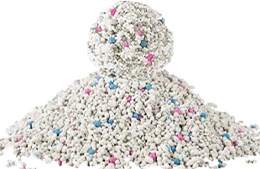


Cassava cat litter is a plant-based product made from ingredients such as cassava starch and fiber; it is characterized by good absorbency, rapid clumping, and a lightweight nature. To maximize its effectiveness, users should pay attention to details such as the depth of the litter layer, cleaning methods, and replacement frequency. Proper usage not only extends the lifespan of the litter but also enhances the cat's comfort during use.
When using cassava cat litter for the first time, ensure the litter box is clean and dry before adding an appropriate amount of litter. A depth of approximately 5–7 centimeters is generally ideal; this satisfies the cat's instinct to dig and bury waste while providing sufficient space for urine to be absorbed and form clumps. If the layer is too thin, urine may reach the bottom of the box, causing sticking or making cleanup difficult; conversely, if it is too thick, consumption increases, and litter is more likely to be tracked outside the box.
During daily maintenance, promptly remove formed urine clumps and feces using a litter scoop. Since cassava litter forms firm clumps upon absorbing moisture, handle them gently to avoid breaking the clumps apart, which minimizes the accumulation of small fragments that could contaminate the remaining clean litter. Replenish the box with fresh cassava litter as the volume decreases to maintain a consistent depth. Additionally, periodically stirring the litter helps distribute the clean material evenly, thereby improving absorption and clumping efficiency.
Adjust the replacement schedule based on the number of cats, usage frequency, and the size of the litter box. Households with a single cat can manage with regular spot-cleaning and topping up, whereas multi-cat households require more frequent cleaning and should monitor for any changes in odor. If introducing cassava litter to a cat for the first time, consider a transition method by mixing the new litter with the old; this allows the cat to gradually adapt to the new texture and feel underfoot, minimizing any discomfort associated with the change.