

 EN
EN
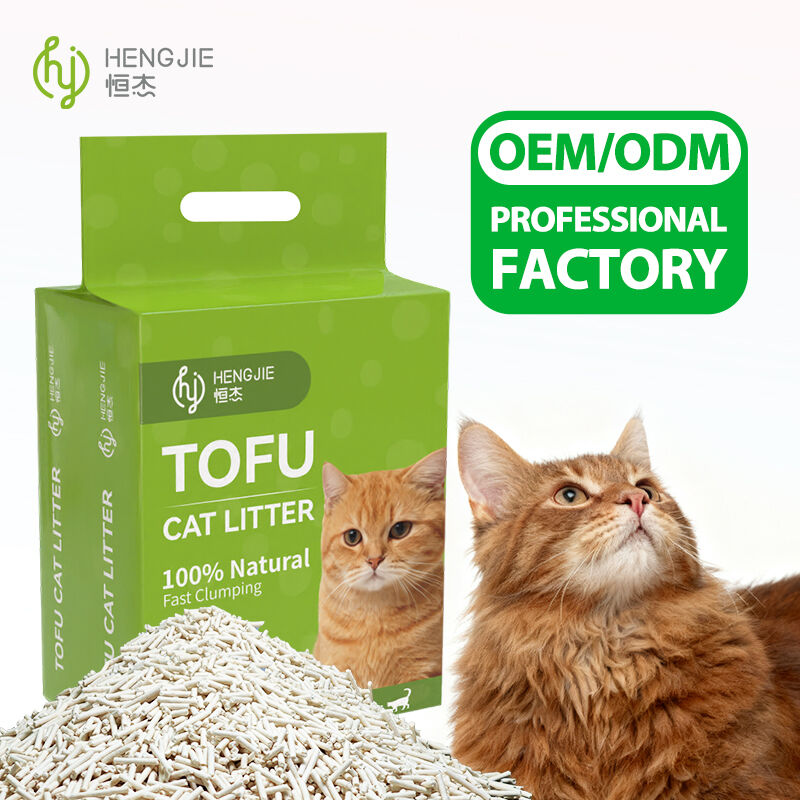
Tek bir hanede birden fazla kedinin bakımı, özellikle temiz ve kokusuz bir kum ortamı sağlamak açısından benzersiz zorluklar sunar. Artan kullanım sıklığı ve kedilerin farklı tercihleri göz önünde bulundurulduğunda, uygun kedi kumu seçimi hayati derecede önem kazanır. Çoklu kedi barındıran evlerde, tüm evcil hayvanlar için optimal hijyen ve kedinin kabulünü sağlamak amacıyla emicilik, topaklaşma özelliği, toz kontrolü ve koku giderme özellikleri dikkatle değerlendirilmelidir.
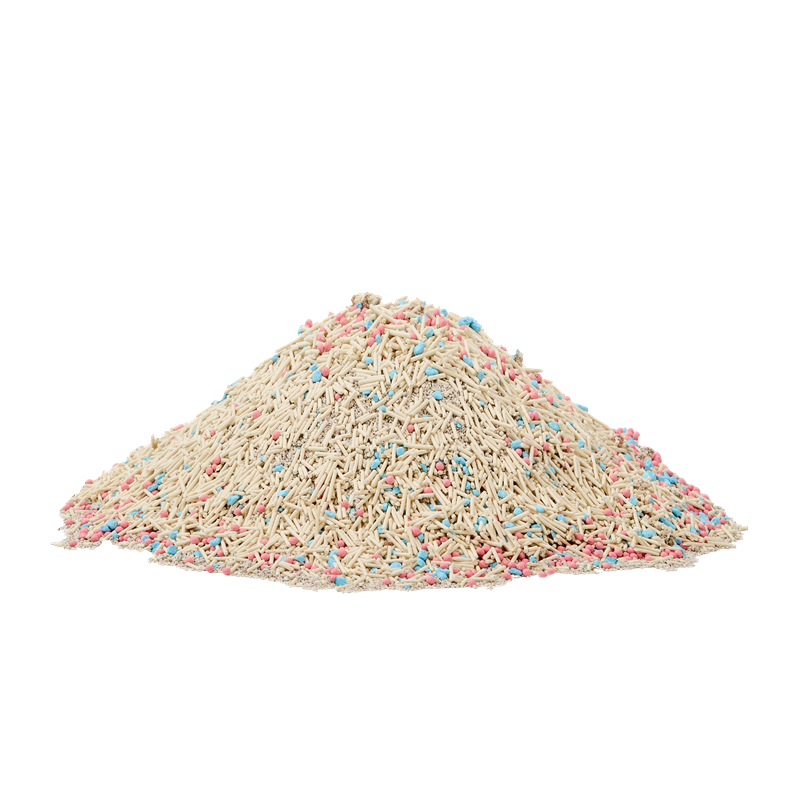
Profesyonel veteriner hekimler ve evcil hayvan bakım uzmanları, birkaç kediyi birlikte barındırdığınızda birden fazla kum kutusu bulundurmanın önemini sürekli vurgular. Genel öneri, toprak anlaşmazlıklarını önlemek ve yeterli erişimi sağlamak amacıyla her kedi için bir kum kutusu artı bir ek kutu sağlamaktır. Ancak bu kutularda kullanılan kedi kumu türü, evdeki uyumu korumak ve uygun olmayan idrar veya dışkılama davranışlarına yol açabilecek boşaltım sorunlarını önlemek açısından eşit derecede kritik bir rol oynar.
Çoklu Kedi Ortamları İçin Kedi Kumunun Özelliklerini Anlamak
Emicilik ve Nem Kontrolü
Kedi kumu nun emme özellikleri, sıvı atık üretiminde artış olduğu için çoklu kedi barındıran evlerde üstel olarak daha önemli hale gelir. Yüksek kaliteli kedi kumu, bakteri üremesini ve amonyak oluşumunu önlemek için nemin etkili bir şekilde emilmesini ve tutulmasını sağlamalıdır. Kil bazlı formülasyonlar genellikle üstün emme oranları sunarken, mısır veya buğday bazlı doğal alternatif ürünler ise artırılmış biyolojik parçalanabilirlik avantajlarıyla orta düzeyde emme sağlar.
Bentonit kil, kedi kumu formülasyonlarında emme açısından altın standartı temsil eder ve ağırlığının on beş katına kadar sıvıyı emebilir. Bu olağanüstü kapasite, kum kutularının gün boyu sık sık kullanıldığı yoğun çoklu kedi ortamlarında büyük ölçüde değerlidir. Ayrıca bentonitin moleküler yapısı, kolay kaldırılabilen sıkı kümler oluşturur ve atığın kum kutusunun dibine çökmesini önler.
Kümeleşme Performansı ve Atık Yönetimi
Etkili topaklaşma özelliği, atık temizliğini kolaylaştırır ve yüksek kullanım sıklığına sahip kedi tavanlarında kedi kumunun kullanım ömrünü uzatır. Premium topaklaşan formüller, parçalanmayan sağlam topaklar oluşturur ve bu topaklar temiz bir şekilde kepçe ile alınabilir; geriye kalan küçük parçacıklar bırakmaz. Bu özellik, aynı kedi tavanını birden fazla kedinin kullanması durumunda özellikle değerlidir; çünkü eksik atık temizliği, kötü koku birikimine ve kedi tavanının çekiciliğinin azalmasına neden olabilir.
Modern kedi kumu formülleri, genellikle doğal bileşimi korurken topaklaşma performansını artıran bağlayıcı maddeler içerir. Bu katkı maddeleri, kepçeleme işlemi sırasında bütünlüğünü koruyan kohezif (birleşik) topakların oluşmasını sağlar ve böylece atık parçacıklarının kedi kumu içinde veya çevresinde dağılma ihtimalini azaltır. Tutarlı topaklaşma performansı, evcil hayvan sahiplerinin tam kum değişimi işlemlerini daha seyrek yaparak kedi tavanlarını daha temiz tutmalarına da olanak tanır.
Farklı Kedi Kum Türlerini Etkili Bir Şekilde Birleştirme
Stratejik Katmanlama Teknikleri
Birçok kedi talaşı türünü stratejik katmanlama yoluyla birleştirmek, aynı evde yaşayan farklı kedilerin tercihlerine uyum sağlarken performans özelliklerini optimize edebilir. Alt tabaka, üst katmanlardan süzülen nemi emmek için bentonit kil gibi yüksek emicilikte bir malzemeden oluşmalıdır. Bu temel tabaka, sıvı atıkların kedi talaşı kutusunun dibine ulaşmasını ve temizlemesi zor bir kalıntının oluşmasını engeller.
Üst katman, silika jel kristalleri veya hassas patiler için hoş dokunuş sağlayan doğal lif bazlı alternatifler gibi daha hafif ve rahat malzemelerden oluşturulabilir. Bu katmanlama yaklaşımı, kedilerin tanıdık yüzey hissini yaşamasına olanak tanırken, alttaki emici katmanın üstün nem yönetimi avantajlarından da yararlanmalarını sağlar. Bu kombinasyon ayrıca pahalı premium malzemelerin erken doymasını önleyerek kedi talaşı karışımının genel ömrünü uzatır.
Karışım Oranları ve Orantılar
Optimal karışım oranlarının belirlenmesi, evdeki kedilerin sayısı, bireysel tercihler ve belirli performans gereksinimleri dikkate alınarak yapılmalıdır. Yaygın olarak başarılı sonuçlar veren bir yaklaşım, geleneksel kil tabanlı kedi kumu ile geri dönüştürülmüş kağıt, mısır bazlı veya silika jeli formülasyonları gibi alternatif malzemelerin %60’lık ve %40’lık oranlarda birleştirilmesini içerir. Bu oran, temel performansı güvenilir bir şekilde sağlarken özel ürünlerden yararlı özelliklerin de kazandırılmasını sağlar.
Karışım oranlarının deneysel olarak ayarlanması, evcil hayvan sahiplerinin gözlemlenen sonuçlara ve kedinin kabul düzeyine göre kedi kumu performansını özelleştirmesine olanak tanır. Bazı evlerde iki farklı kedi kumu türünün eşit oranlarda karıştırılmasıyla mükemmel sonuçlar elde edilirken, diğerleri kokuyu bastırma veya toz oluşumunu azaltma gibi belirli özelliklere odaklanan ağır basan kombinasyonları tercih eder. Kedi tuvaleti kullanım alışkanlıklarının ve atık yönetim etkinliğinin düzenli olarak izlenmesi, her benzersiz ev ortamı için en uygun kombinasyonun belirlenmesine yardımcı olur.
Çoklu Kedi Barınakları İçin Kokuyu Kontrol Etme Stratejileri
Doğal Koku Emme Yöntemleri
Birçok kedinin aynı tuvalet tesislerini paylaştığı durumlarda etkili koku kontrolü büyük önem kazanır; çünkü yoğun atık üretimi, standart kedi kumu formülasyonlarını hızla aşabilir. Doğal koku emme yöntemleri, hassas kedilerde veya insanlarda solunum tahrişine neden olabilen kimyasal kokugidericilere kıyasla daha sürdürülebilir ve sağlık açısından daha bilinçli çözümler sunar. Aktif karbon, hoş olmayan amonyak ve kükürt kokularına neden olan uçucu organik bileşikleri tutabilen en etkili doğal koku kontrol katkı maddelerinden biridir.
Kabartma tozu entegrasyonu, atık ayrışımı sırasında üretilen asidik bileşikleri nötralize ederek kokuyu yönetme konusunda doğal bir yaklaşım sunar. Kedi kumu değişimleri arasında kabartma tozu serpmek, yapay parfümler eklemeksizin daha ferah kokan kedi tuvaleti kutuları korumaya yardımcı olur; çünkü bu tür parfümler kedi tuvaletini kullanmayı engelleyebilir. Bazı kediler kokulu ürünlerlere karşı duyarlılık gösterebilir; bu nedenle doğal kokuyu kontrol yöntemleri, çoklu evcil hayvan sahipleri için genel kabul gören bir seçenek haline gelir.
Ventilasyon ve Hava Dolaşımı
Kedi tuvaleti yerlerinin etrafında uygun havalandırma sağlamak, hatta üst düzey kedi kumu formülasyonlarının etkinliğini önemli ölçüde artırır. Hava sirkülasyonu, arta kalan kokuların dağılmasına yardımcı olur ve kedi tuvaleti kutuları içinde bakteri gelişimini hızlandırabilecek nem seviyelerini azaltır. Doğal hava hareketi olan alanlara veya ek havalandırma sistemleriyle desteklenen bölgelere kedi tuvaleti kutularının stratejik olarak yerleştirilmesi, kediler ile ev halkı için daha hoş ortamlar yaratır.
Kum kutusu alanlarının yakınına küçük egzoz fanları veya hava temizleyicileri kurmak, daha ekonomik kedi kumu seçeneklerini kullanmanıza olanak tanırken hava kalitesini önemli ölçüde artırabilir. Bu yaklaşım, doğal havalandırmanın sınırlı olabileceği bodrum veya kapalı çamaşır odalarında kurulumlarda özellikle faydalıdır. Mekanik hava sirkülasyonu ile yüksek kaliteli kedi kumu kombinasyonu, birden fazla aktif kullanıcıyla bile taze ve temiz bir kum kutusu ortamı sürdürmek için optimal koşullar yaratır.
Sağlık ve Güvenlik Düşünceleri
Toz Kontrolü ve Solunum Sağlığı
Kedi kumu dökme ve kazma aktiviteleri sırasında toz oluşumu, özellikle çoklu kedi ortamlarında, kedi tuvaletinin gün içinde sık sık karıştırıldığı durumlarda hem kediler hem de ev halkı için potansiyel solunum riskleri oluşturur. Düşük tozlu veya tozsuz kedi kumu formülasyonları, hassas bireylerde astım veya alerjik reaksiyonlara neden olabilecek havada askıda kalan partikülleri en aza indirmeye yardımcı olur. Kaliteli kedi kumu üretiminde kullanılan üst düzey işleme teknikleri arasında toz giderimi ve partikül boyutu optimizasyonu yer alır; bu teknikler solunum yolu tahriş edicilerini azaltmayı amaçlar.
Silika jeli kristal formülasyonları, geleneksel kil bazlı ürünlere kıyasla genellikle çok az toz üretir; bu nedenle solunum hassasiyeti olan evler için uygun seçeneklerdir. Ancak bu ürünler, kedinin kabul etmesini sağlamak amacıyla yavaş yavaş tanıtılmak zorundadır çünkü dokusu ve ses özellikleri geleneksel kil kumu ile önemli ölçüde farklılık gösterir. Kedilerde solunum güçlüğü belirtileri veya kum kutusunu kullanmaktan kaçınma gibi durumların izlenmesi, geçiş sürecinin erken aşamalarında toz kaynaklı sorunların tespit edilmesine yardımcı olabilir.
Kimyasal Güvenlik ve Doğal Alternatifler
Bazı kedi talaşı formülasyonlarında bulunan kimyasal katkı maddeleri, uzun süreli maruziyet veya temizlenme aktiviteleri sırasında kazara yutulma yoluyla sağlık riskleri oluşturabilir. Çoklu kedi barındıran evlerde, daha yüksek kullanım hacimleri ve daha sık temas fırsatları nedeniyle maruziyet riskleri artar. Yenilenebilir bitkisel malzemelerden üretilen doğal kedi talaşı alternatifleri, çoğu ev ortamında kabul edilebilir performans özelliklerini korurken daha güvenli seçenekler sunar.
Mısır, buğday ve geri dönüştürülmüş kağıt tabanlı kedi talaşı ürünleri, kimyasal maruziyetle ilgili endişeleri ortadan kaldırırken yeterli emme ve kokuyu bastırma yeteneği sağlar. Bu malzemeler doğada kendiliğinden ayrışır ve genellikle kullanıldıktan sonra güvenle kompostlanabilir; böylece geleneksel kil madencilik işlemlerine kıyasla çevresel etkiyi azaltır. Doğal kedi talaşının biyolojik olarak parçalanabilir yapısı, özellikle büyük miktarlarda kullanılmış talaş malzemesi üreten evler için atık bertaraf süreçlerini de kolaylaştırır.
Bakım Programları ve En İyi Uygulamalar
Günlük bakım rutinleri
Köpekbalığı kumunun etkinliğini ve kedi tuvaletinin temizliğini korumak için çoklu kedi ortamlarında tutarlı günlük bakım rutinleri oluşturmak hayati öneme sahiptir. Düzenli kepçelemeler, kedilerin doğal olarak artan dışkılama davranışları gösterdiği genellikle sabahın erken saatleri ile akşam saatlerinde gerçekleşen yoğun kullanım dönemlerine uygun şekilde planlanmalıdır. Atıkların zamanında kaldırılması, kokunun birikmesini önler ve kedilerin sürekli doğru şekilde kullanımını teşvik edecek çekici kedi tuvaleti koşullarını korur.
Kedi kumu seviyesinin günlük kontrolü, kutular yetersiz dolulukta kalmadan önce kedinin kumunu zamanında tamamlamanıza olanak tanır. Yetersiz kum derinliği, sıvı atıkların kutunun tabanına ulaşmasına neden olabilir; bu da temizliği zorlaştırır ve potansiyel koku sorunlarına yol açabilir. Normal kullanım hacimleri için yeterli emme kapasitesini sağlamak ve aynı zamanda kedilerin kazma ihtiyacını en iyi şekilde karşılamak amacıyla üç ila dört inç (yaklaşık 7,5–10 cm) arasında tutarlı bir kum derinliği korunmalıdır.
Tam Kedi Kum Değişim Sıklığı
Tam kum değişiklikleri, atıkların hızla birikmesi ve kedinin kumu emme kapasitesinin daha hızlı tükenmesi nedeniyle çoklu kedi barındıran evlerde daha sık dikkat gerektirir. Tek kedi barındıran evlerde haftalık tam kum değişikliği genellikle yeterli hijyen bakımını sağlar; ancak çoklu kedi ortamlarında kedi sayısı ve bireysel kedi alışkanlıklarına bağlı olarak değişimler üç ila beş günde bir yapılabilir. Katı zaman çizelgelerine bağlı kalmak yerine kum kutusunun durumunu izlemek, en uygun temizlik düzeyini sağlamak için en etkili yaklaşımdır.
Tam kum değişikliği sırasında kum kutusu yüzeylerinin hafif dezenfektanlarla titizce temizlenmesi, bakteri birikimini ve kokuya neden olan kalıntıları ortadan kaldırır. Bu işlem aynı zamanda kum kutularında işlevselliği veya hijyeni olumsuz etkileyebilecek hasar veya aşınma belirtilerini tespit etmek için bir fırsat sunar. Birden fazla kum kutusunun düzenli olarak devir daim edilmesi, kuruma ve bakım süreçlerinin doğru şekilde gerçekleştirilmesini sağlarken, evdeki kediler için sürekli kullanım imkânı da garanti altına alınmış olur.
SSS
Çoklu kedi barındıran bir evde her kum kutusuna ne kadar kedi kumu koymalıyım?
Çoklu kedi barındıran evlerde, her bir kedi tavağında kedi kumu derinliğini üç ila dört inç arasında tutun. Bu derinlik, yeterli emme kapasitesi sağlarken kedilerin doğal olarak kazma ve dışkıyı örtebilmesine de olanak tanır. Kullanım alışkanlıklarını izleyin ve optimal derinliği korumak için gerekli olduğunda kedi kumunu yenileyin; çünkü çoklu kedi barındıran evlerde kum, tek kedi barındıran evlere kıyasla daha hızlı tükenir.
Farklı marka kedi kumlarını güvenle birlikte kullanabilir miyim?
Evet, farklı marka kedi kumlarını birlikte kullanmak genellikle güvenlidir ve performans özelliklerini optimize edebilir. Kedilerin dokuya ve kokuya alışmalarına izin vermek için ürünleri kademeli olarak birleştirin. Tanıdık kedi kumuyla yeni kedi kumunu küçük oranlarda karıştırarak başlayın; ardından kedilerin kabulüne ve performans sonuçlarına göre oranları ayarlayın. Karıştırılan tüm ürünlerin birbirleriyle uyumlu ve kediler için güvenli olduğundan emin olun.
Çoklu kedi barındıran evlerde kedi kumu ne sıklıkla tamamen değiştirilmelidir?
Çoklu kedi barındıran evlerde, kedi kumu tamamen değiştirilmesi haftada bir yapılan tek kedi evlerine kıyasla her üç ila beş günde bir yapılmalıdır. Kedi tavağı koşullarını günlük olarak izleyin ve kokular belirgin hâle geldiğinde veya topaklanma performansı önemli ölçüde azaldığında kedi kumunu değiştirin. Yüksek kullanım sıklığına sahip kedi tavakları, uygun hijyen ve kedilerin kabulünü sağlamak için daha sık tam değişim gerektirebilir.
Mevcut kedi kumumun çoklu kedi evleri için işe yaramadığının belirtileri nelerdir?
Uyarı işaretleri arasında düzenli temizliğe rağmen devam eden kokular, kedilerin kedi tavaklarından kaçınmaları, atıkların temizlenmesini zorlaştıran eksik topaklanma ve kullanım sırasında aşırı toz oluşumu yer alır. Eğer kediler kedi tavaklarının dışına idrar veya dışkı yapmaya başlarsa ya da kedi tavaklarını kullanmaktan kaçınıyorsa, mevcut kedi kumu onların ihtiyaçlarını karşılamıyor olabilir. Çoklu kedi evleri gereksinimlerini daha iyi karşılayan alternatif formüllere geçiş düşünün.
İçindekiler Tablosu
- Çoklu Kedi Ortamları İçin Kedi Kumunun Özelliklerini Anlamak
- Farklı Kedi Kum Türlerini Etkili Bir Şekilde Birleştirme
- Çoklu Kedi Barınakları İçin Kokuyu Kontrol Etme Stratejileri
- Sağlık ve Güvenlik Düşünceleri
- Bakım Programları ve En İyi Uygulamalar
-
SSS
- Çoklu kedi barındıran bir evde her kum kutusuna ne kadar kedi kumu koymalıyım?
- Farklı marka kedi kumlarını güvenle birlikte kullanabilir miyim?
- Çoklu kedi barındıran evlerde kedi kumu ne sıklıkla tamamen değiştirilmelidir?
- Mevcut kedi kumumun çoklu kedi evleri için işe yaramadığının belirtileri nelerdir?