


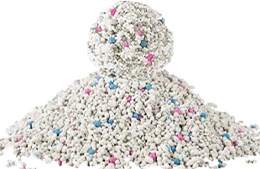


Proper maintenance of cassava cat litter involves daily cleaning, replenishing, environmental management, and correct storage. Proper care not only extends the litter's lifespan but also keeps the litter box clean, minimizes odors, and provides a more comfortable toileting environment for your cat. Given the excellent absorbency and clumping properties of cassava cat litter, it is important to manage it in a way that suits its specific characteristics.
During daily use, regularly remove feces and formed urine clumps from the litter box. Since cassava cat litter clumps upon contact with urine, use a suitable scoop to gently remove them; avoid vigorous stirring, which could break the clumps and mix residue into the clean litter. After cleaning, replenish the box with fresh cassava cat litter to maintain an appropriate depth, ensuring the cat can dig and bury waste effectively while preserving optimal absorbency.
To maintain hygiene, the litter should be completely replaced and the box cleaned periodically. Even with daily clump removal, prolonged use can lead to the accumulation of small debris, lingering odors, or damp granules. Therefore, depending on the number of cats, the size of the litter box, and actual usage, you should regularly empty the old litter, wash and dry the box, and add fresh cassava cat litter. Households with multiple cats may require more frequent cleaning to prevent odor buildup.
Storage methods also affect the quality of cassava cat litter. As it is made primarily from plant-based materials and is somewhat hygroscopic, it should be stored in a dry, well-ventilated area away from moisture or high-humidity environments. Once opened, the litter should be sealed to minimize moisture absorption from the air, preventing premature clumping, spoilage, or reduced absorbency. Additionally, avoid storing the litter in direct sunlight or areas with excessively high temperatures.
It is also important to monitor how well your cat adapts to the litter. If you notice your cat using the litter box less frequently, pawing at the litter excessively, or exhibiting changes in elimination habits, check for issues such as unusual odors, changes in granule texture, or inadequate cleaning. Proper maintenance allows you to fully leverage the benefits of cassava cat litter-such as rapid absorption, easy clumping, eco-friendliness, and lightweight handling-thereby enhancing the experience for both cats and their owners.