

 EN
EN
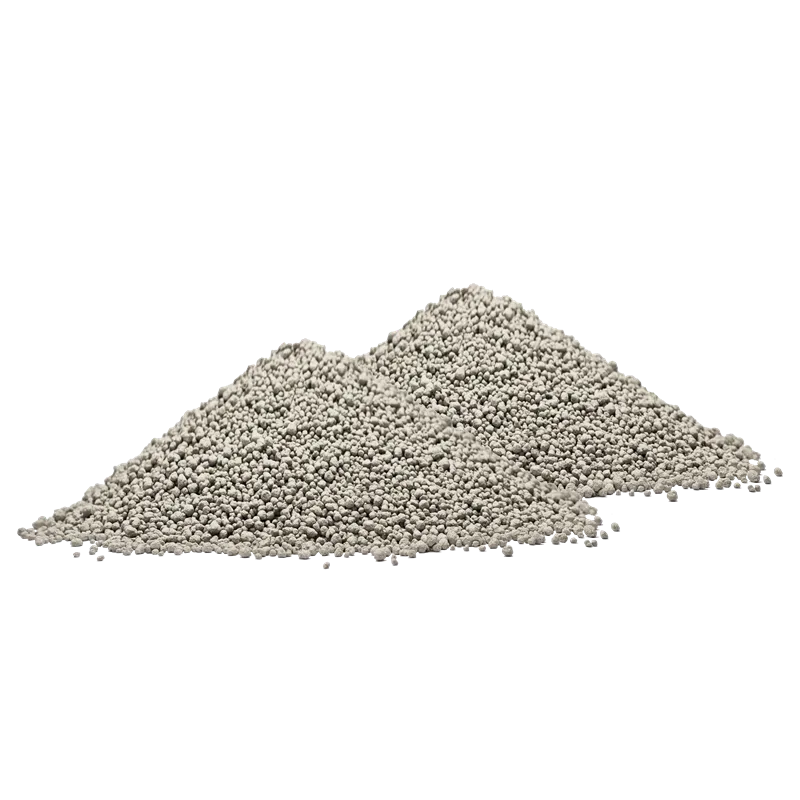
Understanding the relationship between cat sand material and feline comfort is crucial for pet owners who want to provide the best living environment for their cats. The type of cat sand you choose directly impacts your pet's willingness to use the litter box, their overall health, and their daily comfort levels. Modern cat owners have access to various cat sand formulations, each designed with specific properties that affect texture, absorption, odor control, and dust production. The material composition of cat sand plays a fundamental role in determining whether your feline companion will feel comfortable and secure during their most vulnerable moments.
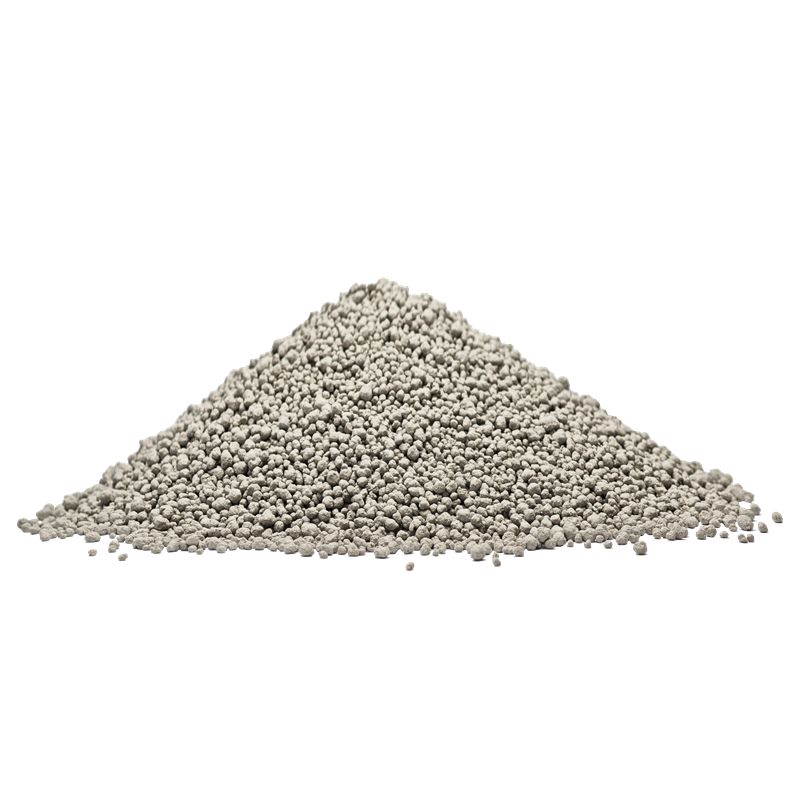
Clay-Based Cat Sand Materials
Bentonite Clay Properties
Bentonite clay represents one of the most popular materials used in premium cat sand formulations due to its exceptional clumping abilities and natural absorption properties. This naturally occurring clay expands when exposed to moisture, creating tight clumps that make waste removal efficient and hygienic. The fine texture of bentonite-based cat sand closely mimics natural sand, providing a familiar feeling under your cat's paws. Many cats prefer this material because it offers excellent digging satisfaction while maintaining cleanliness standards that appeal to their instinctive behaviors.
The mineral composition of bentonite clay contributes to superior odor control capabilities, as the material naturally traps and neutralizes ammonia compounds produced by cat waste. High-quality bentonite cat sand maintains its structural integrity even after multiple uses, ensuring consistent performance throughout the product's lifespan. The clumping mechanism works by forming solid masses that prevent liquid waste from reaching the bottom of the litter box, thereby reducing bacterial growth and maintaining a fresher environment for extended periods.
Traditional Clay Alternatives
Non-clumping clay varieties offer different benefits for cat comfort, particularly for cats with sensitive paws or respiratory systems. These traditional cat sand materials typically produce less dust during pouring and use, making them suitable for cats with allergies or breathing sensitivities. The larger granule size found in many traditional clay formulations provides a different tactile experience that some cats prefer, especially those transitioning from outdoor elimination habits to indoor litter box use.
Absorption rates in traditional clay cat sand tend to be more gradual, allowing moisture to spread throughout the material rather than forming concentrated clumps. This distribution pattern can be beneficial for multi-cat households where the litter box experiences frequent use throughout the day. The stability of traditional clay materials also means less tracking outside the litter box area, contributing to overall household cleanliness and reducing the maintenance burden on pet owners.
Natural and Biodegradable Cat Sand Options
Wood-Based Materials
Wood-derived cat sand materials offer an eco-friendly alternative that many environmentally conscious pet owners prefer for their sustainability and natural properties. Pine, cedar, and other softwood materials provide natural antimicrobial benefits while delivering pleasant, subtle fragrances that help control odors without overwhelming sensitive feline noses. The texture of wood-based cat sand varies significantly depending on processing methods, with some products featuring fine sawdust consistency while others maintain larger pellet formats.
The absorbency of wood materials stems from the natural fiber structure, which can hold multiple times its weight in liquid while breaking down gradually with use. This breakdown process creates a softer texture over time, which many cats find increasingly comfortable as they adapt to the material. Wood-based cat sand typically produces minimal dust and offers excellent biodegradability, making disposal more environmentally responsible compared to clay-based alternatives.
Corn and Wheat Alternatives
Grain-based cat sand materials leverage the natural clumping properties found in corn kernels and wheat gluten to create effective waste management solutions. These materials appeal to cats through their familiar textures and natural scents, while providing pet owners with flushable and compostable disposal options. Corn-based cat sand typically offers superior clumping performance compared to other natural alternatives, forming tight clusters that facilitate easy removal and maintain box cleanliness.
The processing techniques used to create grain-based cat sand materials significantly impact their final texture and performance characteristics. Finely ground corn creates a sand-like consistency that most cats readily accept, while maintaining the natural binding properties that enable effective clumping. Wheat-based formulations often incorporate natural enzymes that help break down odor-causing compounds, providing chemical-free odor control that appeals to health-conscious pet owners seeking natural solutions for their cats' comfort needs.
Silica Gel and Crystal Cat Sand Technologies
Absorption Mechanisms
Silica gel crystals represent advanced cat sand technology that operates through different mechanisms compared to traditional clumping materials. These synthetic crystals absorb liquid waste into their porous structure while allowing solid waste to remain on the surface for easy removal. The absorption capacity of crystal cat sand far exceeds that of most other materials, with some formulations capable of absorbing multiple times their weight in moisture before requiring replacement.
The unique properties of silica gel crystals contribute to exceptional odor control by trapping moisture and preventing bacterial growth that typically produces unpleasant smells. Many cats appreciate the consistent texture of crystal cat sand, which maintains its structure throughout use without becoming muddy or sticky like some clumping alternatives. The low-maintenance nature of crystal systems appeals to busy pet owners while providing cats with a consistently clean and comfortable elimination environment.
Comfort and Safety Considerations
Safety aspects of crystal cat sand require careful consideration, particularly regarding dust levels and potential ingestion risks. High-quality crystal formulations undergo processing to minimize dust production, reducing respiratory irritation for both cats and their owners. The non-clumping nature of most crystal cat sand means less risk of intestinal blockage if accidentally ingested during grooming, though any significant consumption should prompt veterinary consultation.
The texture of crystal cat sand provides a unique sensory experience that some cats prefer while others may need time to adjust. The harder surface created by crystal materials offers good drainage properties but may feel different under sensitive paw pads compared to softer clay or natural alternatives. Monitoring your cat's adaptation to crystal cat sand helps ensure their comfort level remains high while benefiting from the superior absorption and odor control capabilities these materials provide.
Texture and Particle Size Impact on Feline Preferences
Paw Sensitivity Factors
The sensitivity of cat paw pads significantly influences their preference for specific cat sand textures and particle sizes. Cats possess highly sensitive nerve endings in their paw pads, making them acutely aware of substrate variations beneath their feet. Fine-grained cat sand materials typically provide the most comfortable experience for cats with sensitive paws, closely mimicking the texture of natural sand or soil that cats would encounter in outdoor environments.
Particle size distribution within cat sand products affects both comfort and functionality, with uniformly sized granules generally providing the most consistent experience. Larger particles may cause discomfort for cats with tender paw pads, while extremely fine materials might stick to paws and create tracking issues. The optimal particle size for most cats falls within a specific range that balances comfort with practical performance, ensuring effective waste management without compromising feline satisfaction.
Digging and Burying Behavior
Natural feline instincts drive digging and burying behaviors that are directly influenced by cat sand texture and depth. Cats instinctively prefer materials that allow easy excavation for waste burial, with texture playing a crucial role in satisfying these behavioral needs. Cat sand that provides appropriate resistance during digging while allowing smooth movement enables cats to perform their natural elimination rituals without frustration or discomfort.
The depth and stability of cat sand layers affect how effectively cats can engage in their natural burying behaviors. Materials that maintain structure during digging while allowing effective coverage of waste contribute to psychological comfort and territorial security. Understanding these behavioral preferences helps pet owners select cat sand formulations that support natural instincts while maintaining practical household cleanliness standards.
Odor Control and Its Relationship to Cat Comfort
Natural Odor Management
Effective odor control in cat sand directly impacts feline comfort levels, as cats possess extremely sensitive olfactory systems that make them particularly aware of unpleasant smells in their elimination areas. Natural odor management approaches leverage the inherent properties of different materials to neutralize ammonia and other waste-related compounds without introducing artificial fragrances that might overwhelm sensitive cat noses. The most effective cat sand formulations balance absorption, bacterial control, and natural odor neutralization to create environments that remain fresh and appealing to cats over extended periods.
The relationship between moisture control and odor prevention plays a crucial role in maintaining cat comfort throughout the day. Cat sand materials that quickly absorb and isolate liquid waste prevent the development of strong odors that can deter cats from using their litter boxes consistently. Premium formulations incorporate natural minerals and compounds that actively neutralize odor-causing substances rather than simply masking them with artificial scents.
Chemical-Free Solutions
Many cats demonstrate sensitivity to artificial fragrances and chemical additives commonly found in scented cat sand products, making chemical-free odor control solutions increasingly important for feline comfort. Natural antimicrobial properties found in certain materials like cedar and pine provide effective odor control without introducing potentially irritating chemicals into the litter box environment. These natural solutions work by inhibiting bacterial growth that typically produces unpleasant ammonia compounds.
The effectiveness of chemical-free odor control depends heavily on the underlying absorption and clumping properties of the base cat sand material. Superior natural materials can maintain freshness for extended periods without requiring chemical enhancement, providing cats with consistently comfortable elimination environments. Pet owners seeking chemical-free solutions often find that investing in higher-quality base materials delivers better long-term results than relying on artificially enhanced lower-grade alternatives.
Health Considerations in Cat Sand Material Selection
Respiratory Health Impact
Dust production from various cat sand materials significantly affects both feline and human respiratory health, making low-dust formulations essential for households with sensitive individuals. Cats spending time in dusty litter box environments may develop respiratory irritation, coughing, or other breathing difficulties that impact their overall comfort and health. High-quality cat sand processing techniques minimize dust creation while maintaining effective clumping and absorption properties.
The particle size and processing methods used in cat sand production directly influence dust levels during use. Manufacturers employing specialized screening and dust extraction processes create products that provide superior respiratory safety without compromising performance. Cats with existing respiratory conditions or sensitivities particularly benefit from ultra-low-dust cat sand formulations that eliminate airborne particles during normal litter box activities.
Skin and Paw Health
Direct contact between cat paws and litter materials can potentially cause skin irritation, allergic reactions, or other dermatological issues that significantly impact feline comfort. Cats with sensitive skin conditions require careful material selection to avoid aggravating existing problems or creating new irritations. Natural cat sand materials typically present fewer risks for skin sensitivity compared to chemically treated alternatives, though individual cats may still demonstrate specific material preferences or sensitivities.
The pH balance and mineral content of different cat sand materials influence their compatibility with sensitive feline skin. Materials with extreme pH levels or harsh mineral compositions may cause irritation during extended contact with paw pads. Regular monitoring of paw condition and observing behavioral changes can help identify potential comfort issues related to cat sand material selection, enabling prompt adjustments to maintain optimal feline health and satisfaction.
FAQ
How often should cat sand be completely replaced?
Complete cat sand replacement frequency depends on the material type, number of cats, and usage patterns. Clumping cat sand typically requires complete replacement every 2-3 weeks with daily waste removal, while non-clumping varieties may need replacement weekly. Crystal cat sand can last 3-4 weeks with regular stirring and waste removal. Monitor odor levels and visual cleanliness to determine optimal replacement timing for your specific situation.
Can cats be allergic to certain cat sand materials?
Yes, cats can develop allergies or sensitivities to specific cat sand materials, particularly those containing artificial fragrances, chemical additives, or certain natural compounds. Common symptoms include excessive paw licking, respiratory issues, skin irritation, or avoidance of the litter box. If you suspect allergies, try switching to hypoallergenic, unscented, natural cat sand materials and consult your veterinarian for proper diagnosis and treatment recommendations.
What depth of cat sand provides optimal comfort for cats?
Most cats prefer cat sand depths between 2-3 inches, which allows adequate digging and burying behavior while preventing waste from reaching the box bottom. Deeper layers may cause tracking issues and waste more material, while insufficient depth prevents natural burial instincts. Adjust depth based on your cat's digging preferences and the specific material's performance characteristics for optimal comfort and functionality.
Do kittens require different cat sand materials than adult cats?
Kittens often benefit from non-clumping, natural cat sand materials during their initial litter training period to prevent potential ingestion issues during exploration and grooming. As kittens develop proper litter box habits around 3-4 months of age, they can typically transition to standard clumping formulations. Choose dust-free options for kittens and monitor their adaptation to ensure comfort and safety during this critical learning period.