

 EN
EN
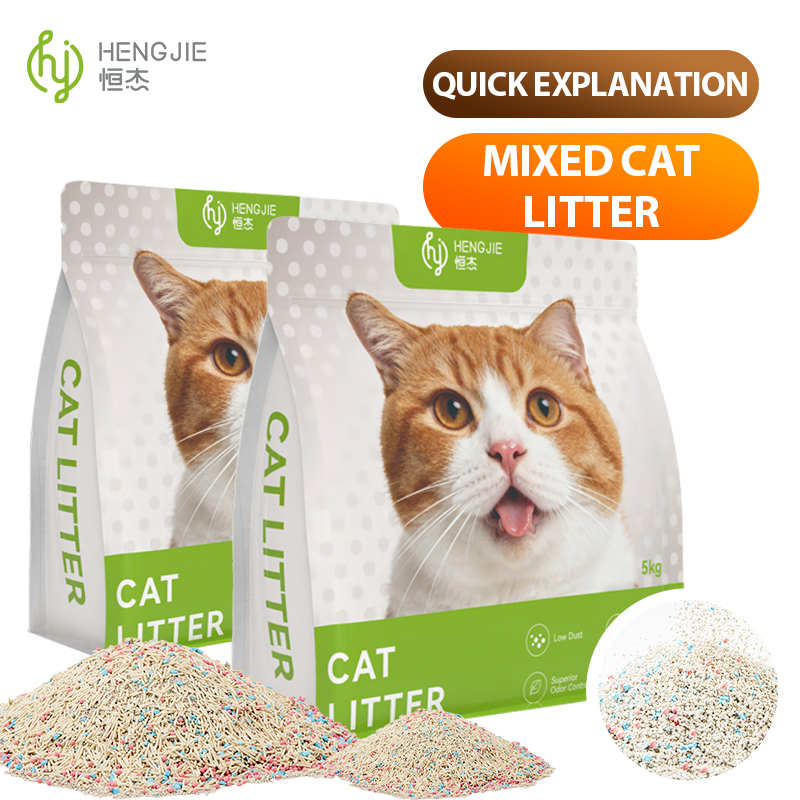
Your cat spends a significant portion of their day in the litter box, making the choice of kitty litter far more important than many pet owners realize. The quality and type of kitty litter directly influence your cat's comfort, hygiene, and overall well-being. When cats feel uncomfortable using their kitty litter, they may avoid the box entirely, leading to behavioral problems and health issues. Understanding how kitty litter affects cat comfort is essential for responsible pet ownership.
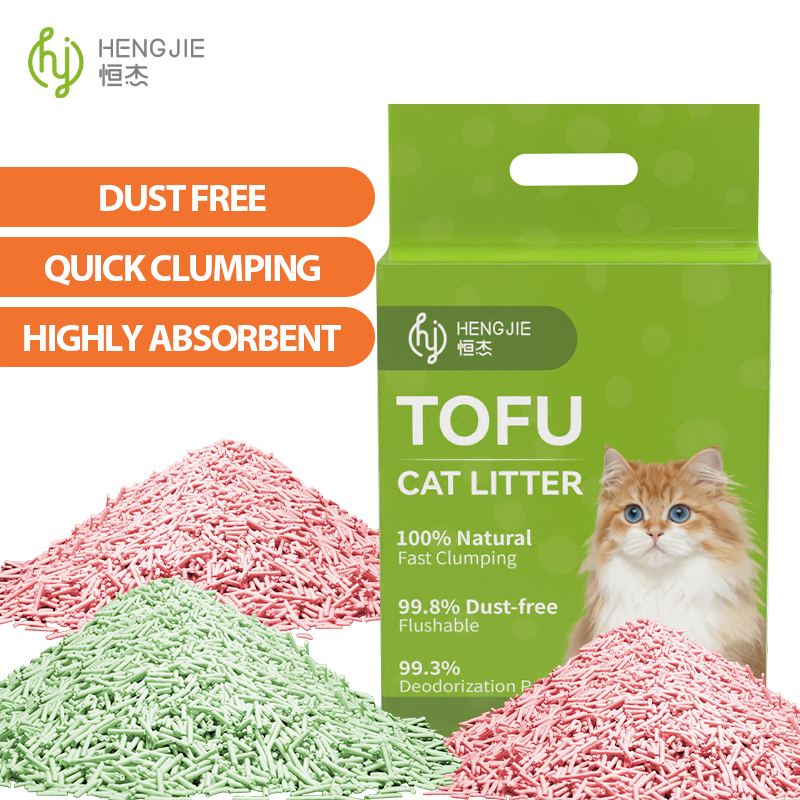
Every cat has unique preferences, yet all felines share common comfort needs when it comes to their litter. The texture, dust level, odor control, and moisture absorption of kitty litter all play critical roles in whether your cat will use the box consistently. Poor-quality kitty litter can cause paw discomfort, respiratory issues, and excessive tracking around your home. Investing in the right kitty litter demonstrates genuine care for your pet's physical and emotional comfort.
Physical Comfort and Texture Preferences
How Kitty Litter Texture Impacts Paw Comfort
Cats are naturally particular about the surfaces they walk on, and kitty litter texture directly affects their willingness to use the box. Coarser or overly sharp kitty litter can irritate sensitive paw pads, causing cats to associate the litter box with discomfort rather than relief. Fine-grained kitty litter that mimics natural sand provides superior paw comfort and encourages consistent box usage. Many cats show immediate preference for softer, gentler kitty litter varieties that feel pleasant underfoot.
Clumping and Moisture Management
The clumping ability of kitty litter directly influences your cat's comfort by maintaining a dry, clean surface. When kitty litter fails to clump effectively, moisture pools at the bottom of the box, forcing cats to wade through wet material. This uncomfortable situation can lead cats to eliminate outside the box, creating household problems. High-quality kitty litter with superior clumping properties keeps the box drier longer, supporting your cat's instinct to bury waste in clean material.
Respiratory Health and Air Quality
Dust Levels in Kitty Litter Products
Dust generated by poor-quality kitty litter poses serious respiratory risks to both cats and their owners. When cats dig and cover waste, they inhale dust particles that can irritate their lungs and sinuses. Premium kitty litter formulated with dust-control technology minimizes airborne particles, protecting feline respiratory systems. Cats with existing respiratory conditions require low-dust or dust-free kitty litter to prevent aggravation of their symptoms.
Odor Control and Ammonia Buildup
Strong odors from ammonia buildup in old or saturated kitty litter create an unpleasant environment that discourages box usage. Cats possess sensitive olfactory systems and avoid litter boxes that smell strongly of urine or feces. Effective kitty litter products neutralize odors through natural or chemical agents, creating a fresher environment your cat will actively use. Superior odor control in kitty litter also benefits your household air quality, reducing offensive smells throughout your home.
Behavioral and Psychological Comfort
Stress Reduction Through Familiar Kitty Litter
Cats develop strong preferences for their kitty litter and become stressed when abrupt changes occur. Consistent, comfortable kitty litter maintains your cat's sense of routine and security, reducing litter box avoidance behaviors. When you switch to unfamiliar kitty litter, some cats may refuse to use the box, leading to inappropriate elimination throughout your home. Maintaining your cat's preferred kitty litter formula provides psychological comfort and prevents stress-related behavioral issues.
Box Aversion Prevention
Box aversion develops when cats associate their kitty litter box with discomfort or negative experiences. Poor-quality kitty litter that causes paw irritation, respiratory discomfort, or tracking issues creates strong negative associations. Once a cat develops aversion to their kitty litter, retraining them to use the box becomes extremely challenging. Using premium kitty litter that prioritizes comfort prevents box aversion before it starts, maintaining proper litter box habits.
Practical Comfort Considerations for Cat Owners
Selecting Kitty Litter for Sensitive Cats
Cats with allergies, sensitive paws, or respiratory conditions require specially formulated kitty litter that minimizes irritants. Hypoallergenic kitty litter options exclude common allergens while maintaining effective moisture absorption and odor control. Senior cats appreciate softer, gentler kitty litter that eases joint strain and paw discomfort. When selecting kitty litter, consider your cat's specific health needs and comfort requirements for optimal results.
Maintaining Consistent Litter Box Comfort
Regular kitty litter maintenance ensures your cat always has access to clean, comfortable material. Complete litter box changes every two to three weeks prevent ammonia accumulation and maintain freshness in your kitty litter. Daily scooping of clumped waste preserves the integrity of your kitty litter and reduces odor problems. Investing time in proper kitty litter maintenance directly translates to improved feline comfort and reduced behavioral issues.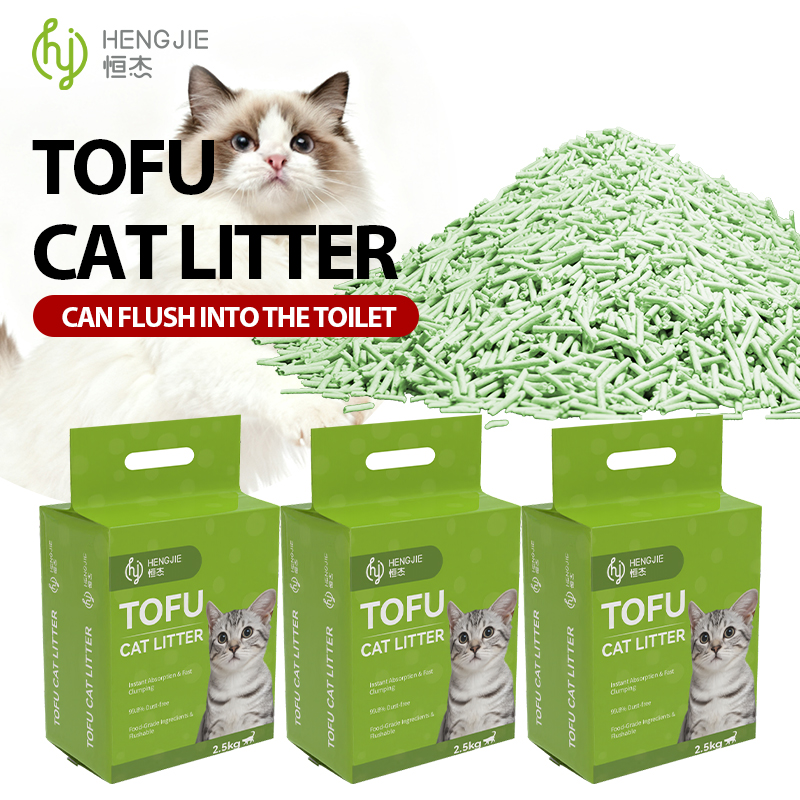
FAQ
Does kitty litter dust affect cats' respiratory health?
Yes, dust from low-quality kitty litter can cause respiratory irritation in cats. Inhaling dust particles during litter box use accumulates in feline lungs and airways, potentially leading to chronic respiratory problems. Selecting low-dust or dust-free kitty litter significantly reduces this risk and protects your cat's long-term respiratory health. Cats with asthma or other respiratory conditions especially benefit from premium kitty litter with dust-control technology.
How does kitty litter texture influence cat comfort?
Cats prefer soft, fine-grained kitty litter that mimics natural sand and feels gentle on their paws. Coarse or sharp kitty litter causes paw irritation and can lead cats to avoid the box. Texture consistency in kitty litter encourages regular box usage and prevents litter box aversion. Testing different kitty litter textures helps identify your specific cat's comfort preferences.
What happens if I change kitty litter brands frequently?
Frequent changes to different kitty litter brands can stress cats and cause them to avoid their litter box. Cats develop strong preferences for their familiar kitty litter and resist sudden alterations to their bathroom environment. If you must change kitty litter, transition gradually by mixing old and new kitty litter together over several days. Consistency with one quality kitty litter brand maintains your cat's comfort and litter box habits.