

 EN
EN
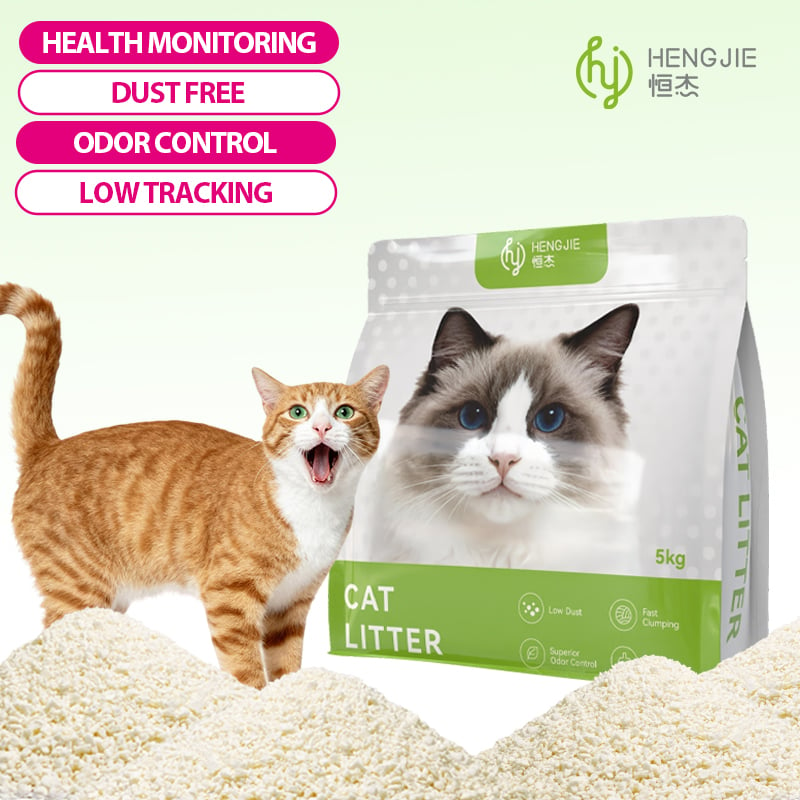
Maintaining a clean home while living with cats presents unique challenges that require the right solutions. Traditional cat litter options often fall short in controlling odors, managing dust, and keeping your living spaces hygienic. Cassava cat litter has emerged as a transformative solution that addresses these concerns while providing environmental benefits. Understanding how cassava cat litter works and how to use it effectively can significantly improve your home's cleanliness and your cat's comfort.
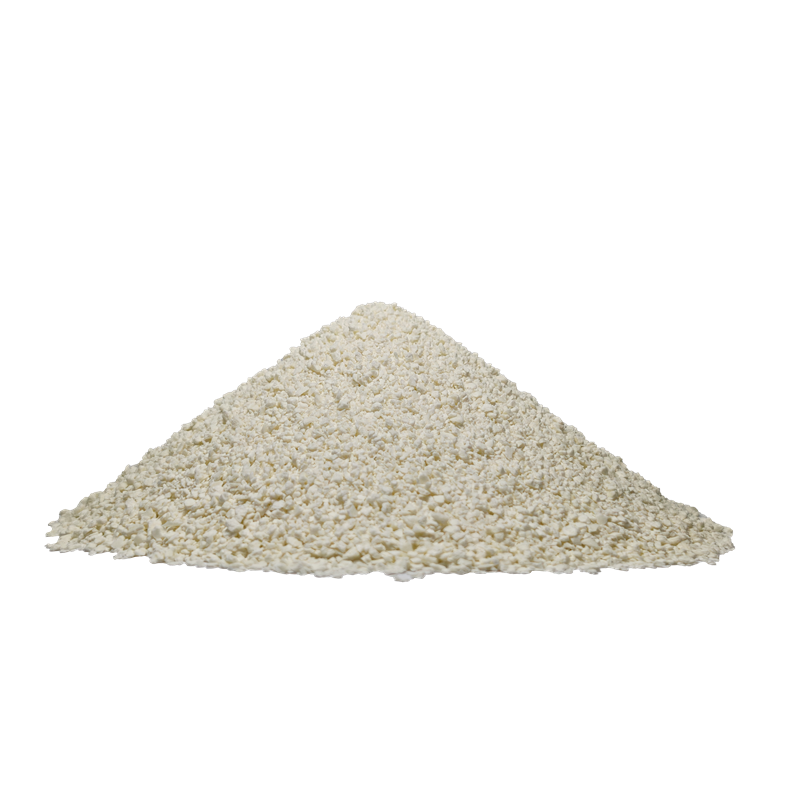
The growing popularity of cassava cat litter among pet owners reflects a fundamental shift toward natural, sustainable products that do not compromise on performance. Cassava cat litter offers superior odor elimination, reduced dust generation, and better moisture absorption compared to conventional clay-based alternatives. By selecting cassava cat litter, you invest in both your household hygiene and a more sustainable future for pet care.
Understanding Cassava Cat Litter and Its Cleanliness Benefits
What Makes Cassava Cat Litter Different
Cassava cat litter is derived from the roots of the cassava plant, a renewable resource that creates a naturally absorbent and biodegradable material. Unlike clay-based litters, cassava cat litter contains no harmful chemicals or synthetic additives that might compromise indoor air quality. The granular structure of cassava cat litter allows it to absorb moisture rapidly while neutralizing ammonia odors at the source. This natural composition makes cassava cat litter safe for both cats and humans, reducing respiratory issues and allergies common with dust-heavy traditional litters.
Odor Control and Air Quality
One of the most significant advantages of cassava cat litter is its exceptional odor control capability. Cassava cat litter naturally neutralizes ammonia and urine odors, keeping your home smelling fresh throughout the day. The porous structure of cassava cat litter traps odor-causing compounds inside the granules, preventing them from dispersing into your living spaces. Many households using cassava cat litter report noticeable improvements in air quality within the first week of switching, indicating how effective this natural solution truly is.
Effective Maintenance Strategies With Cassava Cat Litter
Daily Cleaning and Clump Management
Maintaining cleanliness with cassava cat litter requires consistent daily maintenance to maximize its benefits. Use a quality litter scoop to remove clumps formed from cassava cat litter every morning and evening, preventing waste buildup. Cassava cat litter clumps hold their form exceptionally well, making removal simple and hygienic. By establishing a routine of removing clumps regularly, you ensure that cassava cat litter remains fresh and effective throughout the day, while reducing bacterial growth and odors from developing.
Litter Box Setup and Replacement Schedule
Proper litter box configuration significantly enhances the cleanliness-maintaining properties of cassava cat litter. Choose a litter box that is at least one and a half times the length of your cat to allow comfortable movement and reduce tracking of cassava cat litter outside the box. Fill the litter box with approximately two to three inches of cassava cat litter to optimize clumping and odor absorption. Complete replacement of cassava cat litter should occur every two to three weeks, depending on the number of cats and box usage frequency. When replacing cassava cat litter, rinse the litter box thoroughly with warm water and mild soap to eliminate residue and bacteria.
Preventing Dust and Promoting Home Hygiene
Dust Control Advantages
Cassava cat litter produces significantly less dust than clay alternatives, directly contributing to cleaner indoor air and reduced household cleaning needs. The natural composition of cassava cat litter minimizes respiratory irritation for both cats and family members, particularly important for households with allergies or asthma. When pouring cassava cat litter into the box, you will notice minimal dust clouds compared to traditional litters, allowing you to maintain your home without compromising air quality. Low-dust cassava cat litter also means less frequent cleaning of surfaces, baseboards, and furniture surrounding the litter box area.
Tracking Reduction and Floor Cleanliness
Cassava cat litter tracking refers to granules carried outside the litter box by your cat's paws, and this natural litter reduces such tracking significantly due to its granule size and composition. The compact granules of cassava cat litter adhere less to paws compared to lightweight clay alternatives, keeping your floors cleaner throughout the day. Place a litter mat beneath and in front of the litter box to catch any cassava cat litter that does escape, capturing particles before they spread across your home. Regular vacuuming of areas surrounding the litter box will further minimize any cassava cat litter residue on your floors.
Environmental and Health Considerations
Sustainability and Disposal Benefits
Choosing cassava cat litter demonstrates environmental responsibility, as this renewable resource is biodegradable and compostable in appropriate settings. Unlike clay mining, cassava cultivation does not deplete irreplaceable natural resources or cause habitat destruction. Cassava cat litter can be safely disposed of in green waste programs or composted in facilities designed for pet waste, reducing landfill burden. This sustainable approach to pet care allows you to maintain home cleanliness while supporting environmental conservation and reducing your household's ecological footprint.
Health Safety for Your Household
Cassava cat litter contains no harmful silica dust, fragrances, or chemicals that could trigger health problems in sensitive household members. The natural material of cassava cat litter makes it safe for families with young children and pets who might accidentally ingest small amounts. Medical professionals and veterinarians increasingly recommend cassava cat litter due to its hypoallergenic properties and absence of toxic compounds. By using cassava cat litter, you create a healthier home environment where your entire family can breathe easier and live more comfortably.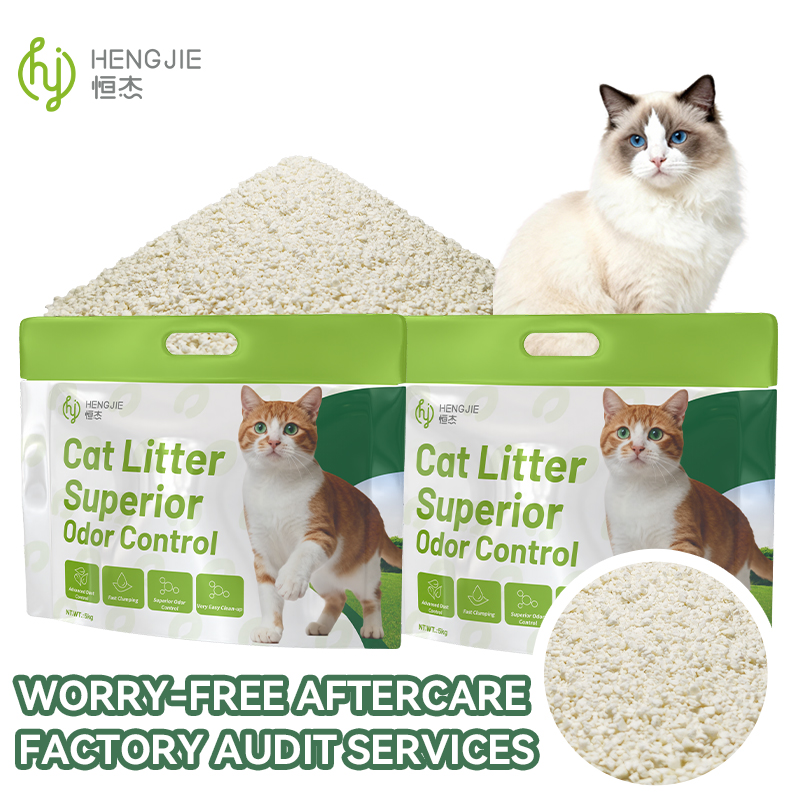
FAQ
How often should I completely replace cassava cat litter?
Complete replacement of cassava cat litter should occur every two to three weeks for a single cat, and every one to two weeks for multiple cats. Factors such as the litter box size, number of cats, and individual usage patterns may affect replacement frequency. Regular complete changes ensure optimal odor control and hygiene maintenance.
Can cassava cat litter be flushed down the toilet?
While cassava cat litter is biodegradable, it is not recommended for flushing due to its clumping nature, which can cause plumbing blockages. Even though it breaks down naturally, disposal in appropriate waste containers prevents potential plumbing damage and maintains your home's infrastructure.
Is cassava cat litter safe for kittens and senior cats?
Yes, cassava cat litter is exceptionally safe for kittens and senior cats because it lacks harmful chemicals and produces minimal dust. Its soft granule structure is gentle on sensitive paws, making cassava cat litter ideal for cats of all ages, particularly those with respiratory sensitivities or joint issues.