

 EN
EN
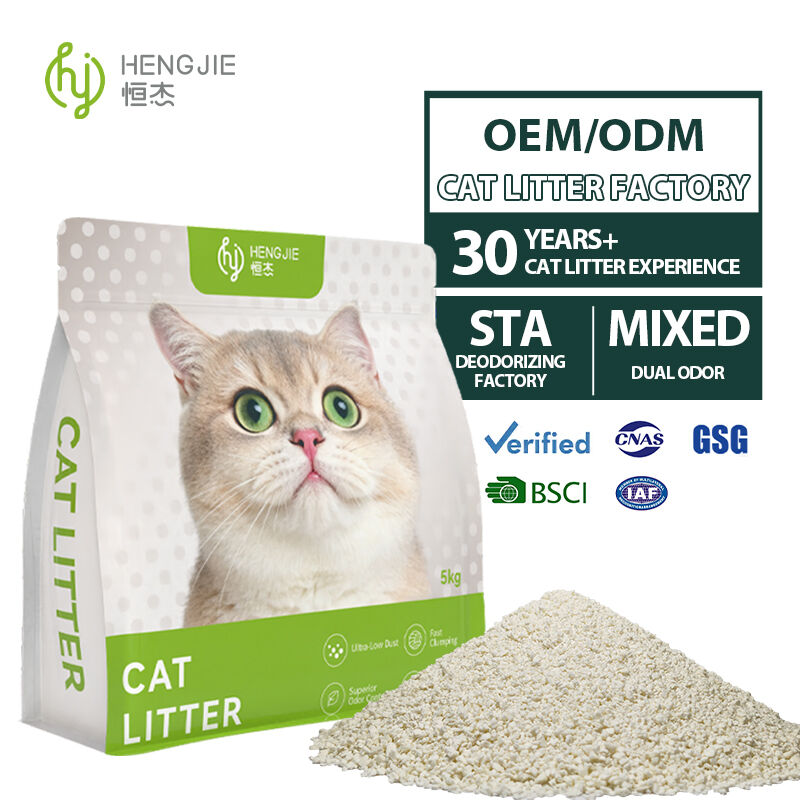
Managing a multi-cat household presents unique challenges, particularly when it comes to maintaining clean and odor-free litter boxes. Traditional clay and silica-based litters often fall short in environments with multiple felines, leading many pet owners to explore innovative alternatives. The emergence of cassava cat litter has revolutionized the way we approach multi-cat hygiene, offering superior absorption, natural clumping properties, and environmental sustainability that traditional options cannot match.
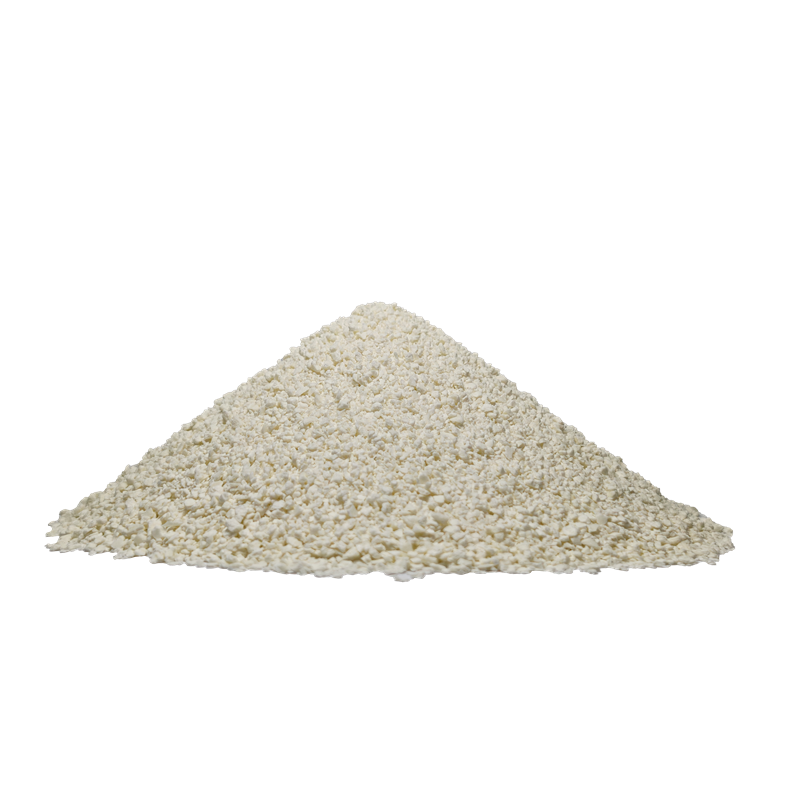
Pet owners with multiple cats face exponentially increased litter maintenance requirements compared to single-cat households. The frequent use of litter boxes by several cats creates rapid saturation of traditional litters, requiring more frequent changes and generating significantly higher waste volumes. This increased usage pattern demands a litter solution that can handle heavy traffic while maintaining optimal hygiene standards and odor control throughout extended periods between cleanings.
Understanding Cassava-Based Litter Technology
Natural Composition and Manufacturing Process
Cassava cat litter derives from the root of the cassava plant, also known as tapioca or yuca, through an advanced processing technique that transforms the starchy root into highly absorbent granules. The manufacturing process involves extracting natural starches, dehydrating the material, and forming uniform pellets that retain the plant's inherent moisture-absorbing properties. This natural composition eliminates the need for synthetic additives or chemical treatments commonly found in conventional litters.
The cellular structure of cassava naturally creates microscopic pockets that trap moisture and odor-causing bacteria more effectively than traditional clay materials. This biological advantage stems from the plant's evolutionary adaptation to store water and nutrients, making it exceptionally suited for absorption applications. The resulting litter maintains consistent performance even under heavy usage conditions typical of multi-cat environments.
Clumping Mechanism and Durability
Unlike clay-based litters that rely on bentonite's swelling properties, cassava cat litter forms clumps through natural starch activation when exposed to moisture. This process creates firm, cohesive clumps that maintain their integrity during scooping and handling, reducing breakage and scatter that commonly occurs with traditional litters. The clumping action occurs rapidly upon contact with liquid, preventing seepage to the bottom of the litter box and maintaining cleaner conditions overall.
The durability of cassava-formed clumps surpasses that of many conventional alternatives, particularly in high-traffic situations. Multiple cats using the same litter box can walk over previously formed clumps without causing them to disintegrate, maintaining the litter box's cleanliness and reducing the need for complete litter replacement. This durability factor proves especially valuable in households where litter box access occurs throughout the day and night.
Performance Benefits in Multi-Cat Environments
Superior Odor Control Mechanisms
The natural antimicrobial properties of cassava provide inherent odor control that extends beyond simple absorption. These properties actively inhibit bacterial growth that typically causes ammonia formation in used litter boxes. In multi-cat households where odor accumulation occurs rapidly, cassava cat litter maintains fresher conditions for extended periods compared to traditional alternatives.
The porous structure of cassava granules traps odor molecules at the source rather than simply masking them with artificial fragrances. This approach proves particularly effective in enclosed spaces or homes with limited ventilation where traditional litters often become overwhelming. Pet owners consistently report significantly reduced odor detection even when maintaining the same cleaning schedule they used with previous litter types.
Extended Usage Capacity
Multi-cat households benefit significantly from the extended usage capacity that cassava cat litter provides compared to conventional options. The superior absorption rate allows each granule to absorb multiple times its weight in moisture before reaching saturation point. This increased capacity translates to less frequent complete litter box changes and reduced overall litter consumption.
The efficiency of cassava cat litter becomes particularly apparent in households with three or more cats, where traditional litters typically require daily complete changes to maintain acceptable hygiene levels. With cassava-based alternatives, many pet owners successfully extend their maintenance schedule to every other day while maintaining superior cleanliness and odor control throughout the extended period.
Environmental and Health Considerations
Biodegradability and Waste Reduction
Environmental sustainability represents a crucial advantage of cassava cat litter for environmentally conscious pet owners. The complete biodegradability of cassava-based products means that used litter can decompose naturally without contributing to long-term landfill accumulation. This characteristic becomes increasingly important in multi-cat households that generate substantial litter waste volumes over time.
The renewable nature of cassava as a raw material source contrasts sharply with the finite clay resources used in traditional litters. Cassava plants can be harvested annually and regrown sustainably, creating a closed-loop production system that minimizes environmental impact. Many manufacturers of cassava cat litter source their materials from agricultural operations that employ sustainable farming practices, further reducing the ecological footprint of the final product.
Respiratory Health Benefits
Traditional clay litters often generate significant dust clouds during pouring and scooping activities, creating respiratory concerns for both cats and their human companions. Cassava cat litter produces minimal dust due to its organic composition and manufacturing process, creating a healthier environment for all household members. This benefit becomes particularly important in multi-cat households where litter box maintenance occurs more frequently.
Cats with sensitive respiratory systems or pre-existing conditions often show marked improvement when switched from dusty clay litters to cassava alternatives. The absence of silica dust and clay particles reduces irritation to delicate nasal passages and lungs, promoting better overall health for felines of all ages. Pet owners frequently report reduced sneezing and coughing incidents among their cats following the transition to cassava-based products.
Cost Analysis and Economic Efficiency
Initial Investment Versus Long-Term Savings
While cassava cat litter typically commands a higher initial purchase price compared to conventional clay alternatives, the superior absorption and extended usage capacity often result in lower per-use costs over time. Multi-cat households particularly benefit from this economic efficiency due to their higher litter consumption rates and more frequent maintenance requirements.
The extended lifespan of cassava cat litter in multi-cat environments translates to fewer purchase cycles and reduced transportation costs associated with frequent litter acquisition. Many pet owners discover that their monthly litter expenses actually decrease despite the higher per-unit cost of cassava-based products. This economic advantage becomes more pronounced as the number of cats in the household increases.
Reduced Maintenance Labor Costs
The superior clumping properties and odor control of cassava cat litter reduce the time and effort required for daily litter box maintenance. Pet owners spend less time on complete litter changes and deep cleaning procedures, translating to significant labor savings over time. Professional pet care services also benefit from these efficiency gains when managing multi-cat households.
The reduced frequency of complete litter replacement means less physical handling and disposal of heavy litter bags, providing ergonomic benefits for pet owners. This advantage proves particularly valuable for elderly pet owners or those with physical limitations who find traditional litter maintenance challenging. The lightweight nature of cassava cat litter further enhances handling convenience during routine maintenance activities.
Implementation Strategies for Multi-Cat Households
Transition Planning and Timeline
Successfully introducing cassava cat litter to a multi-cat household requires careful planning and gradual implementation to ensure acceptance by all felines. The transition should begin with mixing small amounts of cassava cat litter with the existing litter type, gradually increasing the proportion over a period of seven to ten days. This gradual approach allows cats to adjust to the new texture and scent without experiencing stress or rejection behaviors.
During the transition period, pet owners should monitor each cat's litter box usage patterns to ensure consistent acceptance across all household members. Some cats may adapt more quickly than others, requiring patience and flexibility in the transition timeline. Maintaining multiple litter boxes during this period can help identify any individual preferences or concerns that need addressing.
Optimal Box Configuration and Placement
Multi-cat households using cassava cat litter benefit from strategic litter box placement and configuration optimization. The general rule of providing one litter box per cat plus one additional box remains applicable, but the superior performance of cassava cat litter may allow for slight reductions in this ratio without compromising hygiene standards.
The placement of litter boxes should consider the natural behavior patterns of individual cats and the enhanced odor control properties of cassava cat litter. Boxes can be positioned in previously unsuitable locations due to reduced odor concerns, providing more flexibility in household layout and design. Proper ventilation remains important, but the reduced odor generation allows for placement in enclosed areas that would be problematic with traditional litters.
FAQ
How much cassava cat litter should I use in each box for multiple cats
For multi-cat households, maintain a depth of 3-4 inches of cassava cat litter in each box. This depth provides adequate absorption capacity while allowing for proper clump formation. The superior absorption properties of cassava cat litter mean you can often use less product than traditional clay litters while achieving better performance. Monitor usage patterns during the first week to adjust depth as needed based on your cats' preferences and elimination habits.
Can cassava cat litter be safely flushed or composted
While cassava cat litter is biodegradable, flushing any cat litter is not recommended due to potential plumbing issues and water treatment concerns. However, used cassava cat litter can be composted in dedicated pet waste composting systems, though it should not be used on food gardens. The natural biodegradability makes it an excellent choice for environmentally conscious disposal methods, breaking down completely in landfill conditions.
How does cassava cat litter perform in automatic litter box systems
Cassava cat litter works exceptionally well in automatic litter box systems due to its consistent clumping properties and reduced dust generation. The uniform granule size and reliable clump formation ensure smooth operation of mechanical scooping systems. Many automated litter box manufacturers specifically recommend plant-based litters like cassava cat litter for optimal performance and reduced maintenance requirements.
What storage considerations apply to cassava cat litter in bulk quantities
Store cassava cat litter in a cool, dry location away from direct moisture exposure to maintain its absorption properties. Use airtight containers when possible to prevent humidity absorption and pest attraction. Multi-cat households purchasing in bulk should rotate stock to ensure freshness, as cassava cat litter maintains optimal performance when stored properly for up to two years from manufacture date.