

 EN
EN
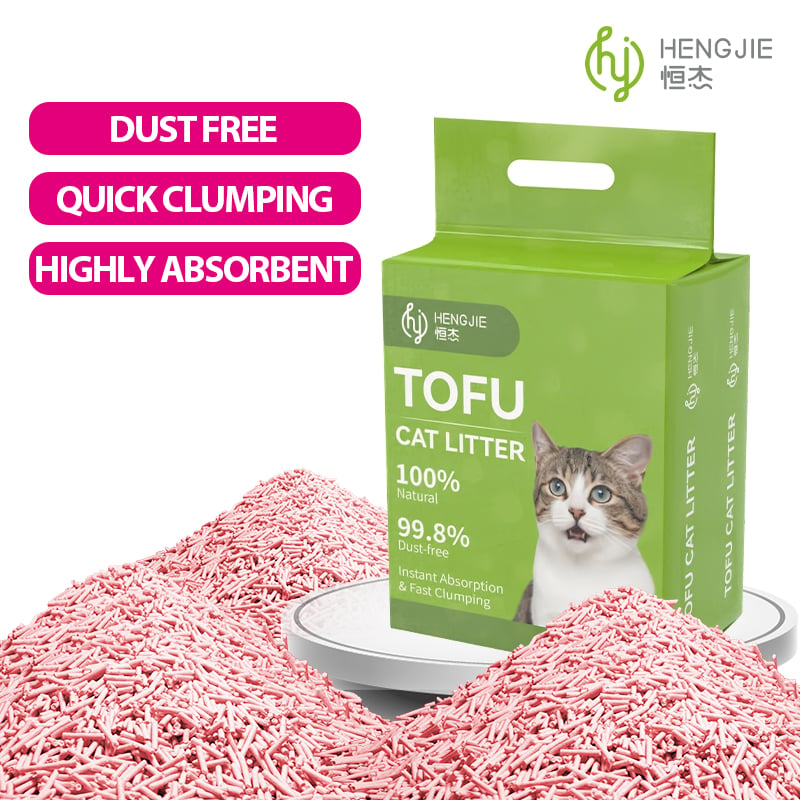
Managing a cat litter box doesn't have to be a daily burden. Many cat owners struggle with the odor, dust, and frequent scooping that come with traditional cat litter routines. However, with the right strategies and products, cat litter maintenance becomes significantly simpler and more manageable. This guide explores proven methods to streamline your cat litter care, reduce unpleasant odors, and create a cleaner environment for both you and your feline companion.
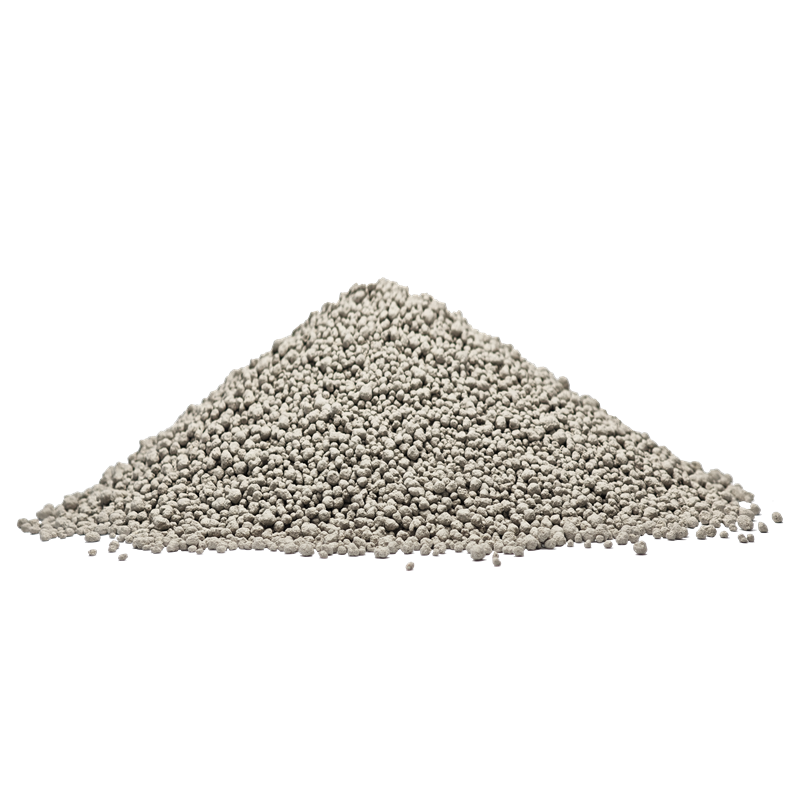
The foundation of easier cat litter maintenance starts with selecting the right cat litter product. Different cat litter formulations offer distinct advantages, from superior clumping to enhanced odor control. When you invest time in understanding your options and choosing the best cat litter for your household, you'll notice immediate improvements in maintenance frequency and overall cleanliness. Combined with smart organizational habits, the right cat litter can transform your daily routine from frustrating to effortless.
Selecting High-Quality Cat Litter Products
Understanding Clumping Performance
Clumping ability is the most critical factor in simplifying cat litter maintenance. Premium cat litter with superior clumping properties allows you to remove soiled portions quickly and completely, leaving fresh litter untouched. This means you'll spend less time searching through the box and removing fragmented waste. Cat litter that clumps too weakly requires you to dispose of larger quantities, increasing costs and labor. When evaluating cat litter options, prioritize products with reliable clumping ratings, as this single feature dramatically reduces daily maintenance time and extends the life of each batch.
Odor Control Technologies
Advanced cat litter formulations incorporate odor-neutralizing ingredients that work at the source, not just masking smells. Modern cat litter often contains activated carbon, essential oils, or enzymatic compounds designed to capture ammonia and other odors before they spread. By selecting cat litter with proven odor control, you'll need to scoop more frequently to maintain a pleasant bathroom environment for your cat. This proactive approach keeps your home fresher and reduces the number of complete litter changes needed monthly. Many premium cat litter brands now offer specialized formulas for multi-cat households, providing enhanced odor management when standard cat litter falls short.
Optimizing Your Litter Box Setup
Choosing the Right Litter Box Size and Style
The litter box itself plays a crucial role in maintenance ease. Larger boxes accommodate more cat litter and provide better containment for scattered waste, reducing cleanup outside the box. Consider boxes with high sides or covered designs that work with your chosen cat litter to minimize tracking. The shape and depth of your litter box should match your cat's size and the type of cat litter you're using. Some cat litter performs better in deeper boxes, while others work well in shallow containers. Testing different configurations with your preferred cat litter brand will help you discover the most efficient setup for your household.
Strategic Litter Box Placement
Positioning your litter box in an appropriate location significantly impacts maintenance difficulty. Place cat litter boxes away from high-traffic areas and food spaces to reduce spillage and tracking. A dedicated space with easy floor access makes cleaning around the box simpler and faster. When you use cat litter in a designated area with proper containment mats, you'll notice less scattered litter spreading through your home. Strategic placement also encourages your cat to use the box consistently, which stabilizes your cat litter usage patterns and makes inventory planning more predictable.
Implementing Efficient Daily and Weekly Routines
Establishing a Consistent Scooping Schedule
Daily scooping is the cornerstone of easy cat litter maintenance. Removing clumped waste within the first 24 hours prevents odors from developing and keeps the remaining cat litter fresh longer. A reliable scooping tool designed for your cat litter type ensures you remove clumps cleanly without disturbing unsoiled portions. Most experts recommend scooping twice daily for single-cat households and three to four times daily for multiple cats. When you establish this routine with quality cat litter, you'll spend only five to ten minutes daily on maintenance, far less than dealing with serious odor problems or complete litter changes.
Weekly Deep Cleaning and Replacement
Beyond daily scooping, set a weekly schedule for more thorough cat litter maintenance. Once per week, remove all cat litter from the box, wash the container with mild soap, and refill with fresh litter. This prevents bacterial buildup and eliminates odors that daily scooping alone cannot address. For households using premium cat litter with extended-life formulations, you might extend this cycle to every ten days. However, maintaining a regular weekly schedule ensures your cat consistently has a clean, hygienic bathroom environment. The specific frequency depends on the number of cats, your chosen cat litter brand, and your household's odor sensitivity.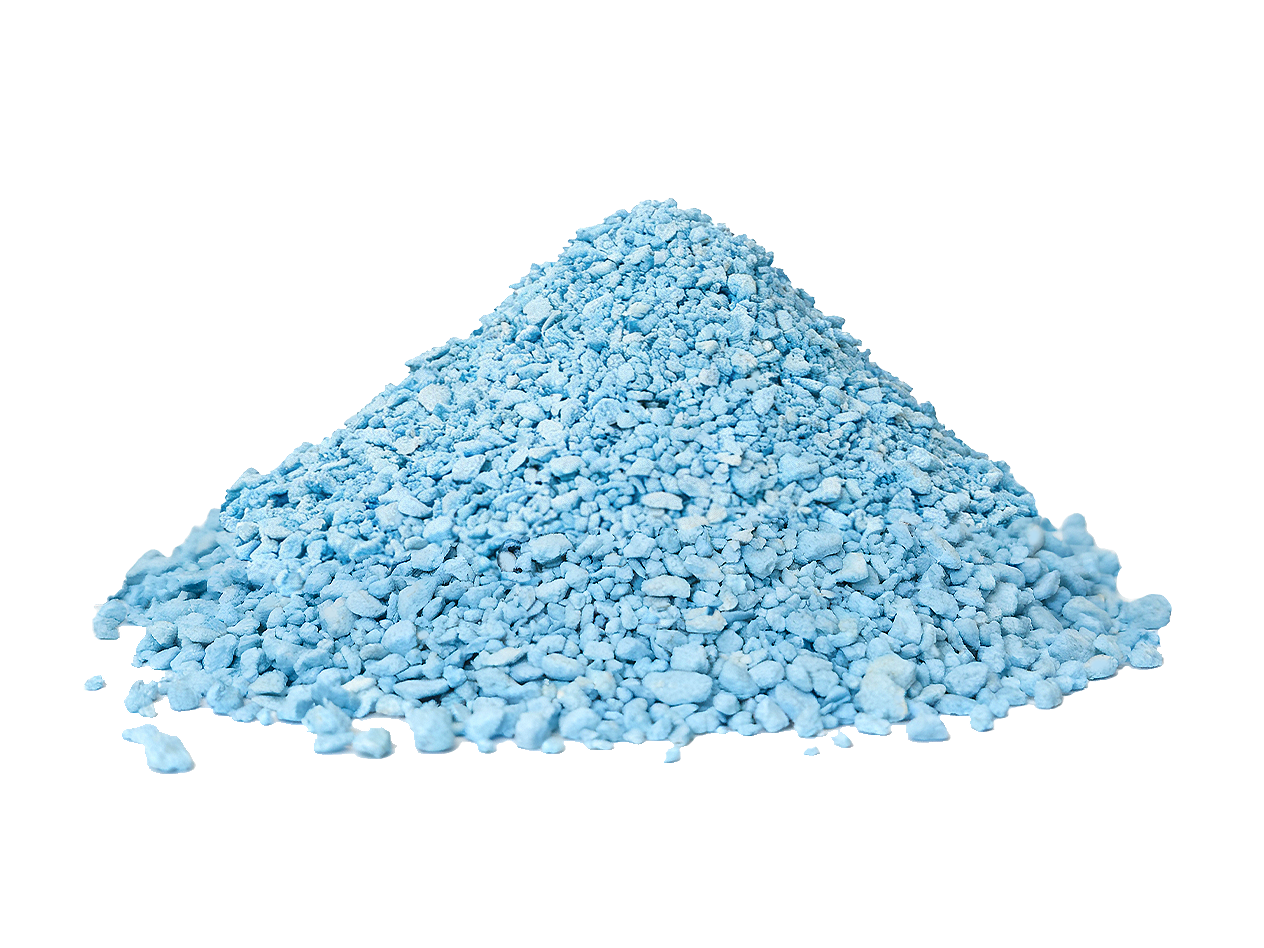
FAQ
What type of cat litter makes maintenance easiest?
Premium clumping cat litter with strong odor control offers the easiest maintenance experience. Look for cat litter formulations with excellent clumping ratings, minimal dust, and proven odor-neutralizing technology. Bentonite-based cat litter is widely recognized for superior clumping performance and long-lasting freshness. The best cat litter for your needs balances performance, cost, and your cat's preferences, so testing different premium brands helps identify your ideal solution.
How often should I change all the cat litter in the box?
Complete cat litter changes depend on your current maintenance routine and the quality of your cat litter. With daily scooping and weekly washing, high-quality cat litter typically lasts two to three weeks before requiring complete replacement. Single-cat households using premium cat litter might extend this to four weeks, while multi-cat homes should plan for more frequent total changes. Monitor odor levels and litter appearance as indicators; when cat litter looks significantly soiled despite scooping, it's time for a full replacement.
Can cat litter maintenance affect my cat's health?
Yes, proper cat litter maintenance directly supports your cat's urinary and respiratory health. Dirty cat litter harbors bacteria that can cause urinary tract infections and respiratory irritation. Using high-quality cat litter and maintaining a consistent cleaning schedule prevents these health issues and encourages regular bathroom habits. Your cat will feel more comfortable using a clean litter box, which actually reduces behavioral problems and makes maintenance feel more rewarding for both you and your pet.