

 EN
EN
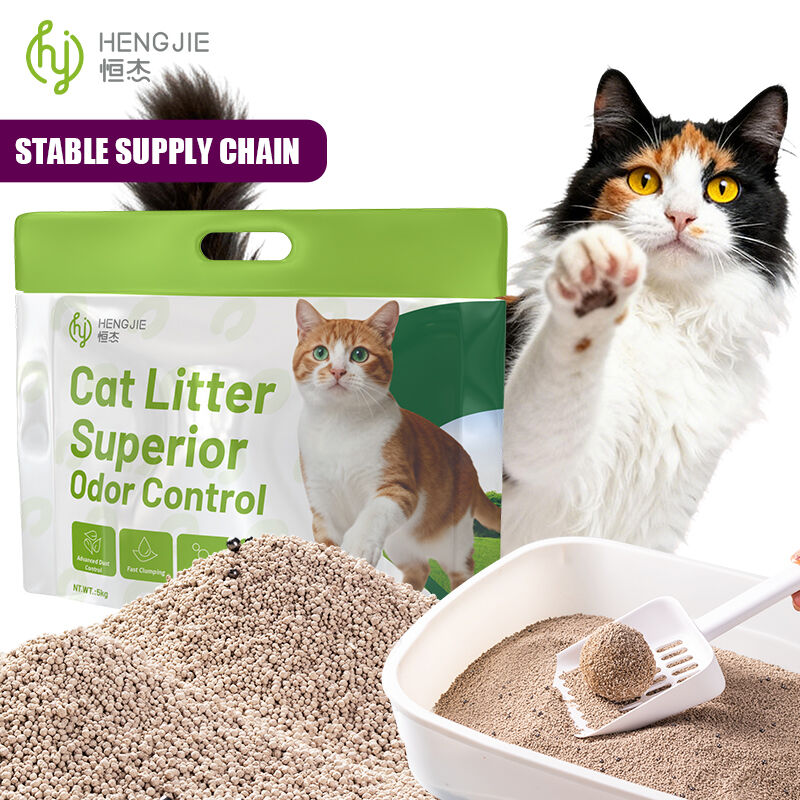
The performance characteristics of functional granules have become increasingly critical in modern industrial applications, particularly within pet care and hygiene products. Understanding how different granule formulations affect absorption rates, clumping efficiency, and overall product effectiveness helps manufacturers make informed decisions about material selection. Functional granules serve as the foundation for numerous consumer products, where their physical and chemical properties directly impact user satisfaction and product reliability.
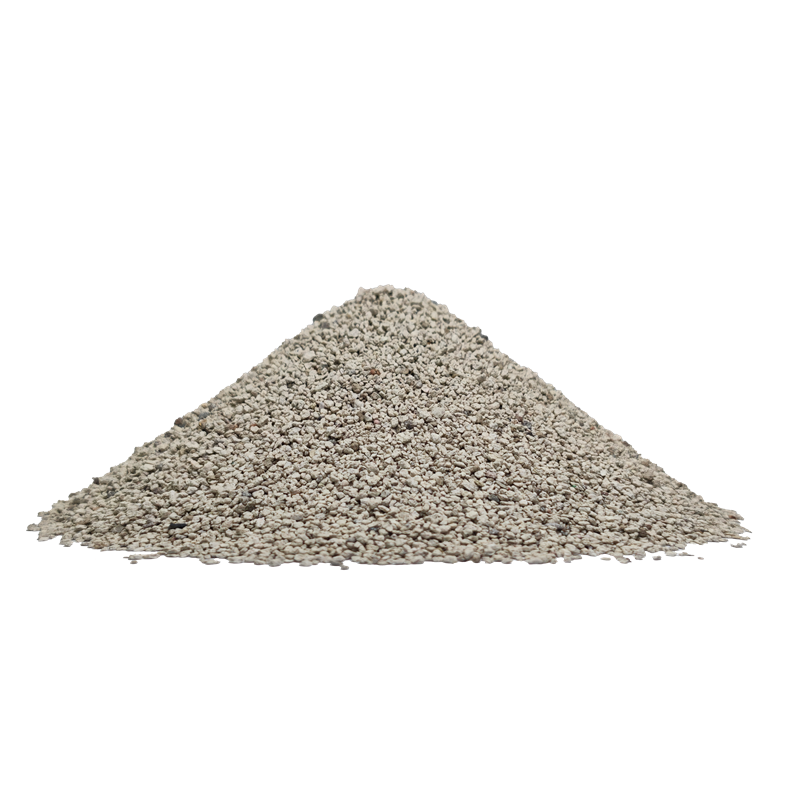
The market demand for high-performance functional granules continues to expand across multiple industries, driven by consumer expectations for superior product performance. Manufacturing companies invest substantial resources in developing and testing various granule compositions to achieve optimal absorption and clumping characteristics. These investments reflect the growing recognition that granule performance directly correlates with market competitiveness and customer retention rates.
Understanding Absorption Mechanisms in Granular Materials
Physical Absorption Properties
Physical absorption in functional granules occurs through surface area interaction and pore structure characteristics. The surface area of individual granules determines the initial contact points for liquid absorption, while internal pore networks facilitate deeper penetration and retention. Granules with higher surface-to-volume ratios typically demonstrate superior initial absorption rates, making them particularly effective for applications requiring rapid liquid uptake.
Pore size distribution within functional granules significantly affects absorption capacity and speed. Micropores contribute to total absorption volume, while mesopores and macropores facilitate liquid transport throughout the granule structure. The optimal pore size distribution varies depending on the intended application, with some products requiring rapid surface absorption and others prioritizing total absorption capacity over speed.
Temperature and humidity conditions influence the absorption performance of functional granules, affecting both the rate of uptake and maximum capacity. Higher temperatures generally increase molecular movement and absorption rates, while humidity levels can pre-saturate granule surfaces and reduce available absorption sites. Understanding these environmental factors helps manufacturers optimize granule formulations for specific operating conditions.
Chemical Absorption Enhancement
Chemical treatments can significantly enhance the absorption properties of functional granules through surface modification and internal structure alteration. Surfactant treatments improve wetting characteristics, allowing liquids to penetrate granule surfaces more effectively. These treatments create more uniform liquid distribution throughout the granule mass, preventing channeling and improving overall absorption efficiency.
Polymer coatings on functional granules can create controlled absorption profiles, where liquid uptake occurs in predetermined patterns or at specific rates. These coatings allow manufacturers to customize absorption characteristics for particular applications while maintaining granule structural integrity during use. The selection of appropriate coating materials depends on compatibility with the absorbed liquid and desired performance parameters.
Ion exchange capabilities in certain functional granules provide selective absorption properties, where specific ions or molecules are preferentially absorbed while others are excluded. This selectivity enhances product performance in applications where targeted absorption is more valuable than general liquid uptake capacity.
Clumping Performance Analysis
Mechanical Clumping Mechanisms
Mechanical clumping in functional granules results from physical interlocking and friction between individual particles when moisture is present. The shape and surface texture of granules influence mechanical clumping strength, with angular particles typically forming stronger mechanical bonds than spherical ones. Surface roughness increases contact points between granules, enhancing mechanical interlocking and improving clump stability.
Particle size distribution affects mechanical clumping performance by determining packing density and contact efficiency between granules. Functional granules with optimized size distributions create more stable clumps through improved particle interlocking and reduced void spaces. The combination of different particle sizes allows smaller granules to fill gaps between larger ones, creating more cohesive clump structures.
Compression forces during clump formation influence the final strength and durability of granule clusters. Higher compression typically results in stronger clumps, but excessive force can cause granule fracturing and reduced clumping effectiveness. The optimal compression range depends on granule hardness, shape, and the specific application requirements for clump handling and disposal.
Chemical Clumping Enhancement
Chemical binders in functional granules provide additional clumping strength through molecular adhesion and cross-linking reactions. Natural binders like bentonite clay create strong ionic bonds when activated by moisture, while synthetic binders can be engineered for specific performance characteristics. The selection of appropriate binders depends on environmental conditions, required clump strength, and compatibility with other granule components.
Activation mechanisms for chemical clumping vary depending on the binder system employed in functional granules. Some binders activate immediately upon moisture contact, while others require specific pH conditions or ionic concentrations to achieve optimal performance. Understanding these activation requirements helps optimize product formulations for consistent clumping performance across different use conditions.
Long-term stability of chemically-bound clumps depends on the durability of molecular bonds and resistance to environmental degradation. Functional granules with stable chemical binders maintain clump integrity over extended periods, even under challenging storage or use conditions. This stability is particularly important for products that may encounter varying temperature, humidity, or chemical exposure during their service life.
Comparative Testing Methodologies
Standardized Testing Protocols
Standardized testing protocols for functional granules ensure consistent and reproducible performance measurements across different manufacturers and product formulations. These protocols specify testing conditions, sample preparation methods, and measurement techniques to eliminate variables that could affect test results. Industry standards provide benchmarks for comparing different granule types and establishing performance specifications for various applications.
Absorption rate testing involves controlled liquid application to granule samples while monitoring uptake speed and capacity over time. Standard test methods specify liquid type, application rate, temperature, and measurement intervals to ensure comparable results. These tests help identify granule formulations with optimal absorption characteristics for specific applications and use conditions.
Clumping strength evaluation requires standardized force application and measurement techniques to quantify clump durability and handling characteristics. Test protocols define clump formation procedures, aging conditions, and strength measurement methods to provide reliable performance data. These measurements help manufacturers optimize granule formulations for applications requiring specific clump handling properties.
Advanced Testing Techniques
Advanced testing techniques for functional granules include microscopic analysis, particle size distribution measurement, and surface area determination. Microscopic examination reveals granule structure details that affect absorption and clumping performance, including pore characteristics, surface texture, and internal composition uniformity. These detailed analyses help identify optimization opportunities for improved performance.
Dynamic testing methods simulate real-world use conditions to evaluate functional granules under realistic stress and environmental conditions. These tests include cyclic loading, temperature variation, and extended exposure testing to assess long-term performance stability. Dynamic testing provides more accurate performance predictions for actual use applications compared to static laboratory tests.
Accelerated aging tests evaluate the long-term stability and performance retention of functional granules under controlled stress conditions. These tests expose samples to elevated temperatures, humidity, or chemical environments to predict performance changes over extended periods. Accelerated testing helps identify potential performance degradation issues before products reach the market.
Material Composition Impact
Natural vs Synthetic Components
Natural components in functional granules offer environmental advantages and often provide excellent absorption and clumping properties through inherent material characteristics. Clay minerals, particularly bentonite, demonstrate exceptional swelling and binding properties when exposed to moisture. Natural materials typically require minimal processing, reducing manufacturing costs and environmental impact while maintaining effective performance characteristics.
Synthetic components allow precise control over granule properties through engineered material characteristics and controlled manufacturing processes. Synthetic binders and absorption enhancers can be tailored for specific performance requirements, offering consistency and predictability that may not be achievable with natural materials alone. The combination of synthetic and natural components often produces functional granules with optimized performance profiles.
Cost considerations play a significant role in material selection for functional granules, with natural materials typically offering lower raw material costs but potentially requiring additional processing. Synthetic materials may have higher initial costs but can provide performance advantages that justify the investment through improved product effectiveness and customer satisfaction.
Additive Effects on Performance
Performance additives in functional granules can significantly enhance absorption and clumping characteristics through targeted property modification. Absorption enhancers improve liquid uptake rates and capacity, while clumping agents strengthen particle bonding and cluster stability. The selection and concentration of additives must be carefully balanced to achieve desired performance improvements without compromising other granule properties.
Antimicrobial additives in functional granules provide additional product benefits while potentially affecting absorption and clumping performance. These additives must be compatible with other granule components and maintain effectiveness throughout the product lifecycle. Proper integration of antimicrobial agents requires consideration of their impact on granule structure and performance characteristics.
Dust control additives help minimize airborne particles during granule handling and use while maintaining absorption and clumping effectiveness. These additives typically work through surface modification or moisture content adjustment, requiring careful formulation to avoid negative impacts on primary performance characteristics. Effective dust control improves user experience and workplace safety without compromising functional granule performance.
Industry Applications and Requirements
Pet Care Industry Standards
The pet care industry demands functional granules with specific performance characteristics related to odor control, clumping strength, and safety for animal contact. Absorption requirements include rapid liquid uptake to minimize odor development and maintain hygienic conditions. Clumping performance must provide easy removal while maintaining structural integrity during handling and disposal processes.
Safety considerations for functional granules in pet applications include dust levels, chemical composition, and potential health impacts from ingestion or inhalation. Regulatory requirements vary by region but generally emphasize non-toxic formulations and minimal respiratory irritation potential. Manufacturers must balance performance requirements with safety considerations to meet industry standards and consumer expectations.
Consumer preferences in the pet care market increasingly favor functional granules with enhanced performance characteristics and environmental sustainability. Premium products often feature superior absorption rates, stronger clumping, and reduced environmental impact through biodegradable or recyclable materials. Market research indicates continued growth in demand for high-performance functional granules with premium characteristics.
Industrial and Commercial Applications
Industrial applications for functional granules often require specialized performance characteristics tailored to specific operational environments and requirements. Chemical processing industries may require functional granules with resistance to corrosive substances and high temperature stability. These applications demand extensive testing and validation to ensure reliable performance under challenging operating conditions.
Commercial cleaning and maintenance applications utilize functional granules for spill control and absorption in various environments. Performance requirements include rapid absorption, easy cleanup, and minimal residual contamination after removal. These applications often require functional granules with enhanced absorption capacity and reliable clumping for efficient handling and disposal.
Agricultural applications for functional granules focus on soil amendment and moisture management characteristics. These applications require gradual release properties and compatibility with soil chemistry and plant growth requirements. Functional granules in agriculture must provide consistent performance across varying environmental conditions and soil types.
Performance Optimization Strategies
Formulation Development Approaches
Systematic formulation development for functional granules involves iterative testing and optimization of component ratios and processing parameters. Design of experiments methodologies help identify optimal combinations of materials and processing conditions to achieve target performance characteristics. These approaches reduce development time and costs while improving the likelihood of achieving desired performance goals.
Component compatibility testing ensures that all materials in functional granules work synergistically to enhance performance rather than interfering with each other. Incompatible materials can reduce absorption efficiency, weaken clumping strength, or create processing difficulties. Comprehensive compatibility testing during formulation development prevents performance issues in final products.
Process optimization for functional granules manufacturing affects final product performance through control of granule size, shape, density, and internal structure. Manufacturing parameters such as mixing time, temperature, pressure, and drying conditions all influence granule characteristics and performance. Systematic process optimization ensures consistent production of functional granules with target performance specifications.
Quality Control and Monitoring
Quality control systems for functional granules production include real-time monitoring of critical performance parameters and statistical process control methods. Continuous monitoring helps identify process variations that could affect product performance before they result in out-of-specification materials. Automated testing equipment provides rapid feedback on granule performance characteristics during production.
Batch-to-batch consistency in functional granules requires strict control of raw material specifications and manufacturing processes. Variability in component properties or processing conditions can significantly impact absorption and clumping performance. Quality control systems must identify and correct sources of variation to maintain consistent product performance.
Customer feedback integration into quality control systems helps identify performance issues that may not be detected through standard laboratory testing. Real-world use conditions often reveal performance characteristics that differ from laboratory predictions. Incorporating customer feedback into quality monitoring helps improve functional granules formulations and manufacturing processes.
FAQ
What factors most significantly affect the absorption capacity of functional granules
The absorption capacity of functional granules is primarily determined by surface area, pore structure, and material composition. Surface area provides initial contact points for liquid uptake, while internal pore networks determine total absorption capacity. The size and distribution of pores within granules significantly influence both absorption rate and maximum capacity. Material composition, including the base granule material and any absorption-enhancing additives, also plays a crucial role in determining overall absorption performance.
How can manufacturers improve clumping strength without compromising absorption performance
Manufacturers can enhance clumping strength in functional granules through careful selection of binding agents that activate upon moisture contact without blocking absorption pathways. The use of expandable clay minerals like bentonite provides excellent clumping while maintaining absorption capacity. Optimizing particle size distribution allows better packing and stronger mechanical interlocking while preserving void spaces necessary for liquid uptake. Surface treatments can also improve clumping without significantly reducing absorption by creating binding sites that activate only when sufficient moisture is present.
What testing methods provide the most reliable performance predictions for functional granules
The most reliable performance predictions for functional granules come from standardized testing protocols that simulate actual use conditions as closely as possible. Dynamic testing methods that include cyclic loading, temperature variation, and realistic liquid application rates provide more accurate performance predictions than static laboratory tests. Accelerated aging tests help predict long-term performance stability, while microscopic analysis reveals structural characteristics that affect performance. Combining multiple testing approaches provides the most comprehensive performance evaluation for functional granules.
How do environmental conditions affect the performance of different granule formulations
Environmental conditions significantly impact functional granules performance, with temperature and humidity being the most critical factors. Higher temperatures generally increase absorption rates and chemical reaction speeds, while high humidity can pre-saturate granule surfaces and reduce available absorption capacity. Different granule formulations respond differently to environmental variations, with some maintaining consistent performance across wide condition ranges while others are more sensitive to specific environmental factors. Understanding these relationships helps manufacturers develop formulations optimized for specific operating environments and usage conditions.
Table of Contents
- Understanding Absorption Mechanisms in Granular Materials
- Clumping Performance Analysis
- Comparative Testing Methodologies
- Material Composition Impact
- Industry Applications and Requirements
- Performance Optimization Strategies
-
FAQ
- What factors most significantly affect the absorption capacity of functional granules
- How can manufacturers improve clumping strength without compromising absorption performance
- What testing methods provide the most reliable performance predictions for functional granules
- How do environmental conditions affect the performance of different granule formulations