

 EN
EN
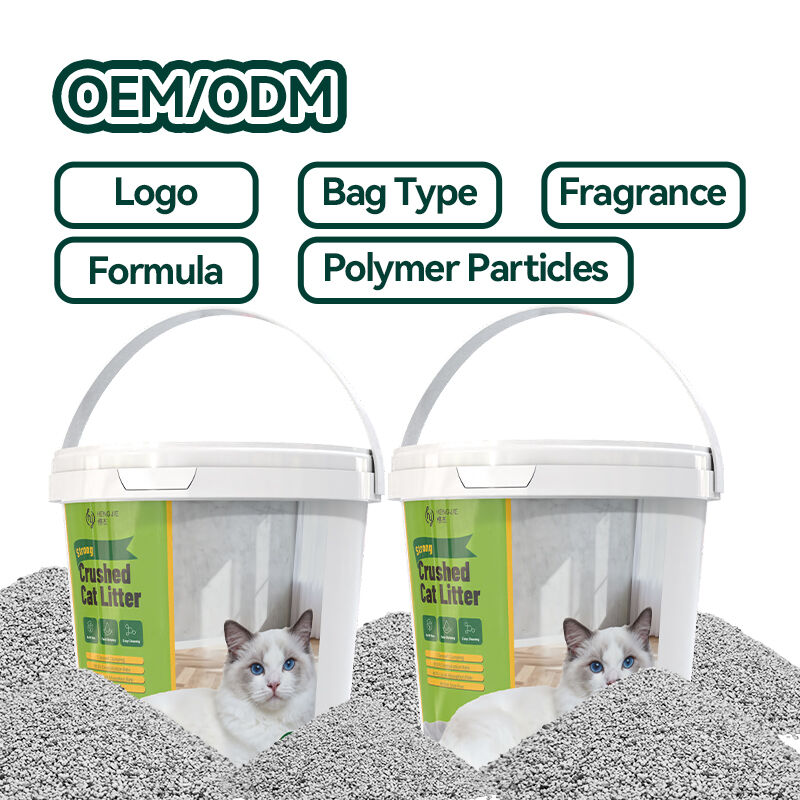
Understanding how different litter compositions affect feline behavior is crucial for pet owners seeking optimal bathroom solutions. Mixed Cat Litter represents a revolutionary approach that combines multiple materials to address various aspects of cat hygiene and comfort. This innovative blend typically incorporates natural and synthetic elements, creating a balanced environment that caters to cats' instinctual preferences while providing practical benefits for owners. The interaction between different litter components can significantly influence how cats perceive and use their litter boxes, ultimately affecting their overall bathroom habits and well-being.
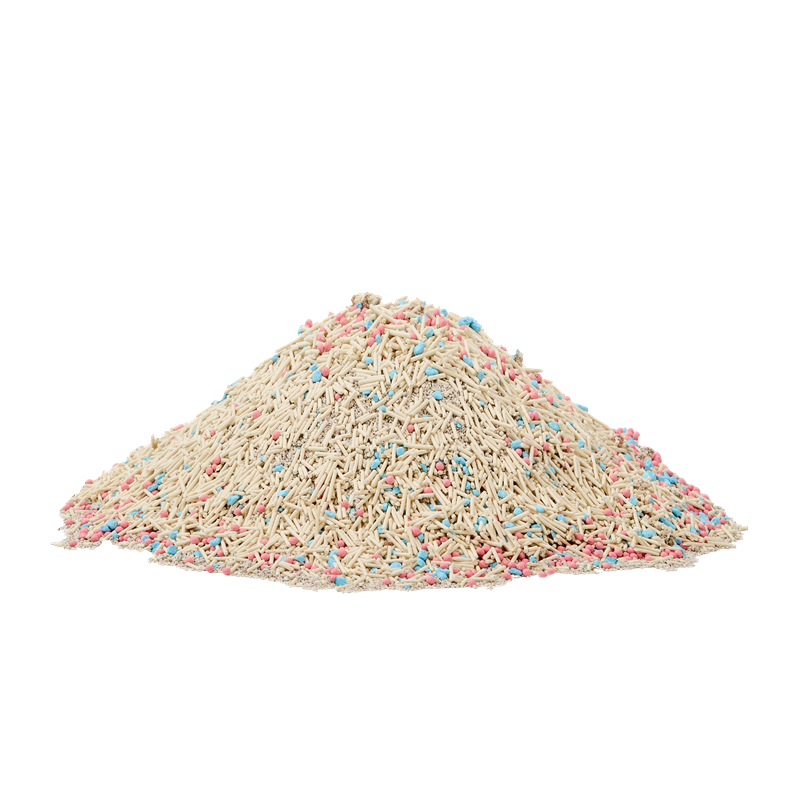
Understanding Mixed Litter Composition
Primary Components in Mixed Formulations
The foundation of effective Mixed Cat Litter lies in the careful selection and combination of complementary materials. Clay-based components, particularly bentonite, provide excellent clumping properties that facilitate easy waste removal and maintain cleanliness. Natural materials like tofu-based elements offer superior odor absorption while remaining environmentally sustainable. When these components work together, they create a synergistic effect that enhances overall performance beyond what individual materials could achieve alone.
Silica gel crystals often serve as moisture-controlling agents within mixed formulations, extending the litter's usable life while preventing bacterial growth. Wood fibers or corn-based materials contribute natural antimicrobial properties, creating a healthier environment for cats. The ratio of these components determines the litter's primary characteristics, with manufacturers carefully balancing each element to optimize specific performance metrics such as dust control, tracking prevention, and odor management.
Texture and Grain Size Variations
The physical characteristics of Mixed Cat Litter significantly impact feline acceptance and usage patterns. Grain size distribution affects how comfortable cats feel when digging and covering their waste, with most felines preferring medium-sized particles that closely mimic natural sand or soil textures. Mixed formulations allow manufacturers to incorporate various grain sizes, creating a more diverse tactile experience that appeals to cats with different preferences.
Surface texture plays an equally important role in cat acceptance. Smooth, rounded particles reduce paw irritation and minimize tracking, while slightly rougher surfaces provide better grip for digging behaviors. Mixed Cat Litter formulations can balance these characteristics by combining materials with complementary textures, ensuring optimal comfort for sensitive paws while maintaining functional performance.
Behavioral Impacts on Feline Bathroom Routines
Digging and Covering Instincts
Cats possess strong instinctual drives to dig before eliminating and cover their waste afterward, behaviors deeply rooted in their evolutionary history. Mixed Cat Litter can either enhance or inhibit these natural behaviors depending on its composition and physical properties. Litters that provide appropriate resistance to digging motions encourage cats to engage in their natural pre-elimination rituals, leading to more satisfying bathroom experiences and increased litter box usage.
The covering behavior is particularly sensitive to litter characteristics, as cats need materials that move easily and provide adequate coverage for their waste. Mixed formulations excel in this area by combining lightweight covering materials with heavier base components that resist excessive scattering. This balance allows cats to effectively cover their waste without creating excessive mess outside the litter box, promoting cleaner bathroom habits and reducing stress-related behaviors.
Scent Recognition and Territory Marking
Feline bathroom habits are closely tied to scent recognition and territorial behaviors. Mixed Cat Litter formulations must carefully balance odor control with allowing cats to recognize their own scents, which is essential for maintaining territorial comfort. Overly aggressive odor elimination can actually discourage litter box use, as cats rely on familiar scents to identify their designated bathroom areas.
Natural components within mixed formulations often provide gentle scent masking rather than complete odor elimination, preserving the subtle olfactory cues that cats need while controlling unpleasant odors for human occupants. This delicate balance encourages consistent litter box usage and reduces the likelihood of inappropriate elimination behaviors that can develop when cats feel their territory has been compromised by unfamiliar or overly sanitized environments.
Health Considerations and Safety Factors
Respiratory Health and Dust Management
The respiratory health of both cats and their owners depends heavily on the dust levels produced by litter materials. Mixed Cat Litter formulations can significantly reduce airborne particles by combining low-dust materials with natural binding agents that minimize particle release during pouring and digging. This is particularly important for cats with sensitive respiratory systems or existing health conditions that make them more susceptible to airborne irritants.
Advanced mixed formulations incorporate dust suppression technologies that maintain particle integrity while preventing the release of fine particles that can irritate airways. Natural components like tofu-based materials naturally produce less dust than traditional clay litters, and when combined with other low-dust materials, create environments that support better respiratory health for all household members.
Paw Health and Contact Safety
Direct contact between cat paws and litter materials occurs multiple times daily, making paw health a critical consideration in litter selection. Mixed Cat Litter formulations can incorporate gentler materials that reduce the risk of paw irritation while maintaining necessary functional properties. Natural materials tend to be less abrasive than purely synthetic alternatives, providing a more comfortable experience for sensitive paw pads.
The chemical composition of mixed litters should avoid harsh additives or artificial fragrances that could cause allergic reactions or skin sensitivities. Many cats develop preferences for specific litter textures based on comfort levels, and mixed formulations allow for customization that accommodates individual sensitivities while maintaining household cleanliness standards.
Environmental and Maintenance Factors
Absorption and Clumping Performance
The effectiveness of waste management directly impacts bathroom habits, as cats prefer clean, dry environments for elimination. Mixed Cat Litter systems can optimize absorption rates by combining fast-acting moisture control materials with slower-releasing components that provide long-term dryness. This multi-stage absorption approach maintains optimal conditions longer between cleanings, encouraging consistent litter box usage.
Clumping performance varies significantly between different mixed formulations, with the best combinations creating firm, easy-to-remove clumps that don't break apart during removal. This characteristic is crucial for maintaining litter box cleanliness and preventing waste residue that can create odors and discourage future use. Effective clumping also maximizes litter efficiency, reducing the frequency of complete litter changes while maintaining sanitary conditions.
Tracking and Spillage Control
Litter tracking occurs when particles adhere to cat paws and are carried outside the litter box, creating maintenance challenges and potentially affecting cat bathroom habits. Mixed Cat Litter formulations can address tracking issues through strategic particle sizing and surface treatments that reduce adhesion to fur and paw pads. Heavier base materials help anchor lighter particles, preventing excessive movement during use.
Spillage control mechanisms within mixed formulations include particle shape optimization and density variations that promote settling rather than scattering. These characteristics not only reduce household maintenance but also help maintain consistent litter levels within the box, which is important for cats that prefer specific depth levels for comfortable elimination.
Long-term Behavioral Adaptations
Transition Periods and Acceptance Rates
Introducing Mixed Cat Litter requires careful consideration of feline adaptation patterns and acceptance behaviors. Cats can be resistant to sudden litter changes, but mixed formulations often ease transitions by incorporating familiar materials alongside new components. Gradual introduction methods work particularly well with mixed litters, allowing cats to adjust to new textures and scents while maintaining some familiar elements.
Acceptance rates tend to be higher for mixed formulations that closely match the texture and performance characteristics of previously used litters. The key lies in understanding individual cat preferences and selecting mixed compositions that build upon existing behavioral patterns rather than requiring complete habit modification. This approach reduces stress and increases the likelihood of successful long-term adoption.
Consistency and Routine Maintenance
Establishing consistent bathroom routines depends on maintaining predictable litter box conditions. Mixed Cat Litter systems that provide stable performance characteristics over extended periods support better routine development than litters with highly variable properties. Consistency in odor control, texture, and moisture management helps cats develop confidence in their bathroom environment.
Maintenance routines should account for the specific characteristics of mixed formulations, including appropriate cleaning frequencies and replacement schedules. Different components within mixed litters may have varying lifespans, requiring adjustment of traditional maintenance approaches to optimize both performance and cat satisfaction. Regular monitoring of litter condition helps identify when specific components need refreshing or complete replacement.
FAQ
How long does it typically take for cats to adjust to Mixed Cat Litter
Most cats adapt to Mixed Cat Litter within 7-14 days when transitioned gradually. The adjustment period can vary based on the cat's age, previous litter experience, and the specific composition of the mixed formulation. Older cats or those with established preferences may require longer transition periods, while kittens often adapt more quickly to new litter types. Mixing the new litter with the old litter in increasing proportions over several days typically produces the best results.
Can Mixed Cat Litter cause digestive issues if ingested
Quality Mixed Cat Litter formulations using natural materials like tofu and bentonite are generally safer if small amounts are accidentally ingested during grooming. However, any litter consumption should be minimized, and cats showing signs of digestive distress should receive veterinary attention. Natural components in mixed litters tend to be more digestible than purely synthetic materials, but preventing ingestion through proper litter maintenance and monitoring remains the best approach.
What signs indicate that Mixed Cat Litter is negatively affecting bathroom habits
Warning signs include avoiding the litter box, eliminating outside the designated area, excessive scratching or digging, respiratory symptoms like sneezing, or changes in elimination frequency. Paw irritation, evidenced by excessive licking or limping, may also indicate litter incompatibility. If these behaviors persist after a reasonable adjustment period, consider transitioning to a different Mixed Cat Litter formulation or consulting with a veterinarian to rule out underlying health issues.
How do environmental factors affect Mixed Cat Litter performance
Humidity, temperature, and air circulation significantly impact Mixed Cat Litter effectiveness. High humidity can reduce clumping performance and increase odor development, while excessive dryness may create more dust. Temperature extremes can affect absorption rates and material stability. Proper ventilation helps maintain optimal litter conditions, while placement away from heating and cooling sources ensures consistent performance. Regular monitoring of environmental conditions helps optimize Mixed Cat Litter functionality.