

 EN
EN
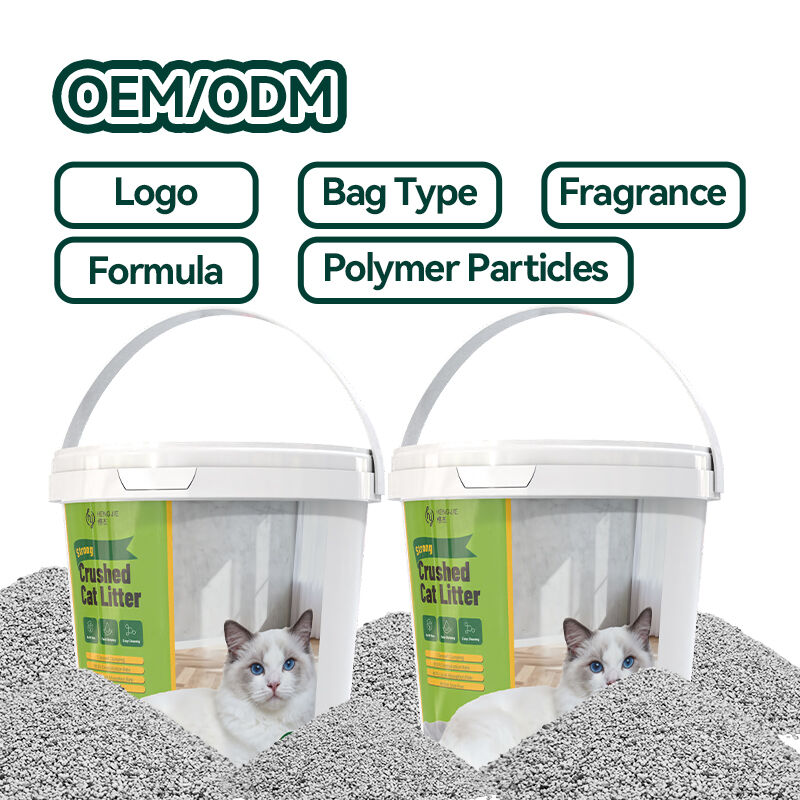
Modern pet owners are increasingly seeking sustainable and convenient solutions for their feline companions, leading to a growing interest in plant-based cat litter options. These eco-friendly alternatives offer superior convenience for home cleaning while maintaining excellent odor control and absorption capabilities. The shift toward plant-based cat litter represents a significant advancement in pet care products, combining environmental responsibility with practical benefits that traditional clay litters often cannot match.
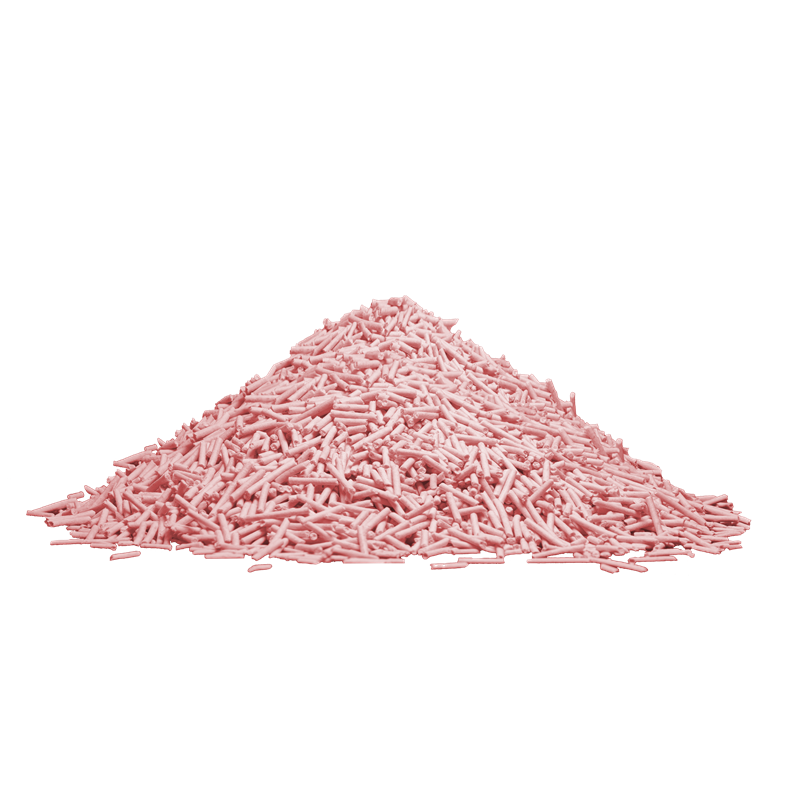
Understanding Plant-Based Cat Litter Composition
Natural Material Sources
Plant-based cat litter derives from various renewable organic materials, including corn kernels, wheat grass, pine wood, recycled paper, and tofu residue. These natural components create a biodegradable foundation that breaks down naturally without harming the environment. The manufacturing process transforms these plant materials into highly absorbent granules that effectively manage moisture and odors in litter boxes.
Tofu-based formulations have gained particular popularity due to their exceptional clumping properties and dust-free composition. The processing of soybean byproducts creates a lightweight yet highly effective litter that maintains its structural integrity while providing superior absorption. This plant-based cat litter option offers pet owners a reliable solution that combines performance with environmental consciousness.
Manufacturing Process Benefits
The production of plant-based cat litter involves minimal chemical processing compared to traditional clay alternatives. Manufacturers utilize natural binding agents and compression techniques to create consistent granule sizes that optimize absorption and clumping performance. This simplified manufacturing approach reduces environmental impact while delivering a product that meets the demanding requirements of multi-cat households.
Quality control measures ensure that each batch of plant-based cat litter maintains consistent moisture absorption rates and odor control properties. The standardized production process eliminates variations that could affect performance, providing pet owners with reliable results for their daily cleaning routines.
Convenience Advantages for Daily Cleaning
Effortless Waste Removal
Plant-based cat litter excels in forming tight, scoopable clumps that make waste removal quick and efficient. The natural binding properties of plant materials create solid formations that do not crumble or break apart during scooping, reducing the mess commonly associated with traditional litters. This superior clumping action means less time spent cleaning and more time enjoying your pet's company.
The lightweight nature of plant-based cat litter makes daily maintenance tasks significantly easier for pet owners. Unlike heavy clay alternatives that require considerable effort to lift and pour, these plant-derived options reduce physical strain while maintaining excellent performance. The reduced weight also makes it easier to carry multiple bags from the store and maneuver during litter box changes.
Reduced Tracking and Dust
One of the most appreciated conveniences of plant-based cat litter is its minimal tracking properties. The larger granule size and natural texture reduce the amount of litter that sticks to cats' paws, keeping surrounding areas cleaner. This characteristic significantly reduces the time needed for vacuuming and sweeping around litter boxes, making household maintenance more manageable.
The virtually dust-free composition of quality Plant-Based Cat Litter creates a healthier environment for both pets and their owners. The absence of airborne particles eliminates respiratory irritation and reduces the need for frequent dusting of nearby surfaces. This feature proves particularly beneficial for households with family members who have allergies or respiratory sensitivities.
Health and Safety Benefits
Non-Toxic Composition
Plant-based cat litter provides peace of mind for pet owners concerned about their cats' health and safety. The natural composition eliminates exposure to potentially harmful chemicals and additives commonly found in synthetic alternatives. If accidentally ingested during grooming, these plant materials pose minimal risk to feline health, unlike clay litters that can cause digestive blockages.
The hypoallergenic properties of plant-based cat litter make it suitable for cats with sensitive skin or respiratory conditions. The gentle nature of natural plant materials reduces the likelihood of allergic reactions while maintaining effective odor control and absorption. This compatibility makes plant-based options ideal for households with multiple cats or pets with varying sensitivities.
Environmental Impact on Indoor Air Quality
The superior odor control capabilities of plant-based cat litter contribute to improved indoor air quality throughout the home. Natural plant materials contain enzymes and compounds that neutralize ammonia and other odor-causing substances more effectively than artificial fragrances or chemical deodorizers. This natural approach creates a fresher living environment without introducing potentially harmful synthetic compounds.
The biodegradable nature of plant-based cat litter extends its environmental benefits beyond the litter box. When disposed of properly, these materials decompose naturally without contributing to long-term environmental pollution. This sustainable approach aligns with growing consumer awareness about environmental responsibility while delivering practical benefits for daily pet care routines.
Economic and Practical Considerations
Cost-Effectiveness Analysis
While the initial purchase price of plant-based cat litter may appear higher than conventional alternatives, the superior absorption and clumping properties often result in lower overall costs. The efficient formation of solid clumps means less product waste during scooping, extending the useful life of each bag. This efficiency translates to fewer trips to the store and reduced long-term expenses for conscientious pet owners.
The lightweight nature of plant-based cat litter provides additional economic benefits through reduced shipping costs and easier handling. Online purchases become more economical due to lower shipping weights, while the ease of carrying multiple bags reduces the physical burden of bulk shopping. These practical advantages make plant-based options increasingly attractive for budget-conscious households.
Storage and Handling Convenience
Plant-based cat litter offers superior storage convenience due to its compact packaging and resistance to moisture absorption. Unlike clay alternatives that can become heavy and unwieldy when exposed to humidity, plant materials maintain their lightweight characteristics even in varying environmental conditions. This stability makes long-term storage more manageable and reduces the risk of product deterioration.
The mess-free pouring characteristics of quality plant-based cat litter eliminate the clouds of dust and scattered granules common with traditional options. The controlled pour reduces waste during litter box filling and makes the replacement process cleaner and more efficient. This convenience proves particularly valuable for apartment dwellers and those with limited cleaning time.
Choosing the Right Plant-Based Option
Material-Specific Benefits
Different plant-based cat litter materials offer unique advantages suited to various household needs and preferences. Corn-based options excel in natural odor absorption and provide excellent clumping properties, while wheat-based alternatives offer superior sustainability credentials. Pine-based litters provide natural antimicrobial properties, and tofu-based formulations deliver exceptional convenience for disposal and handling.
Understanding the specific characteristics of each plant material helps pet owners select the most suitable option for their particular circumstances. Factors such as the number of cats, household ventilation, disposal methods, and budget considerations all influence the optimal choice. Consulting with veterinarians and reading detailed product specifications ensures informed decision-making for long-term satisfaction.
Quality Indicators and Selection Criteria
Premium plant-based cat litter exhibits consistent granule size, superior clumping strength, and effective odor control without artificial fragrances. Quality products maintain their performance characteristics throughout the entire bag, providing reliable results for daily cleaning routines. Reputable manufacturers provide clear information about sourcing, processing methods, and performance specifications to help consumers make informed choices.
The reputation and customer feedback associated with specific brands of plant-based cat litter serve as valuable indicators of product reliability and performance. Reading reviews from other pet owners with similar household situations provides practical insights into real-world performance and convenience factors. This research investment pays dividends in long-term satisfaction and reduced trial-and-error expenses.
Environmental Sustainability Aspects
Renewable Resource Utilization
Plant-based cat litter represents a sustainable approach to pet care that aligns with growing environmental consciousness among consumers. The use of renewable plant materials reduces dependence on non-renewable clay mining operations that can cause significant environmental disruption. This shift toward sustainable sourcing supports agricultural communities while providing pet owners with effective litter solutions.
The carbon footprint associated with plant-based cat litter production is typically lower than traditional clay alternatives due to reduced transportation requirements and energy-intensive processing. Local and regional sourcing of plant materials further minimizes environmental impact while supporting sustainable agricultural practices. These factors contribute to a more environmentally responsible approach to pet care without compromising convenience or effectiveness.
Waste Management and Disposal
The compostable nature of many plant-based cat litter products offers convenient disposal options that benefit both households and the environment. When properly composted, these materials break down into nutrient-rich soil amendments that support garden health and plant growth. This circular approach to waste management reduces landfill burden while creating valuable resources for sustainable gardening practices.
Municipal waste management systems often handle plant-based cat litter more efficiently than clay alternatives, reducing processing costs and environmental impact. The biodegradable characteristics of these materials align with organic waste processing capabilities, contributing to more efficient municipal waste management. This compatibility benefits entire communities through reduced waste management costs and improved environmental outcomes.
FAQ
How often should I completely change plant-based cat litter
Complete litter changes with plant-based options typically occur every 1-2 weeks, depending on the number of cats and daily scooping frequency. The superior clumping properties of quality plant-based cat litter allow for effective spot cleaning that extends the useful life of the remaining clean litter. Regular daily scooping and periodic top-offs maintain optimal odor control and hygiene without requiring frequent complete replacements.
Can plant-based cat litter be flushed down toilets
While many plant-based cat litter products are biodegradable, flushing them down toilets is generally not recommended due to potential plumbing issues and local regulations. The clumping action that makes these products effective in litter boxes can cause blockages in pipes and septic systems. Proper disposal through composting or regular waste collection ensures both convenience and compliance with local waste management guidelines.
Is plant-based cat litter safe for kittens
Plant-based cat litter is generally safer for kittens than clay alternatives due to its non-toxic composition and reduced dust production. The natural materials pose minimal risk if accidentally ingested during normal kitten exploration and grooming behaviors. However, veterinarians often recommend monitoring young kittens closely during the transition to any new litter type to ensure proper adaptation and usage.
How does plant-based cat litter perform in multi-cat households
Plant-based cat litter performs exceptionally well in multi-cat households due to its superior odor control and efficient clumping properties. The natural enzymes in plant materials effectively neutralize ammonia and other odors common in high-usage situations. Regular scooping and appropriate litter depth maintain optimal performance even with multiple cats using the same facilities, making it an ideal choice for busy multi-pet households.