

 EN
EN
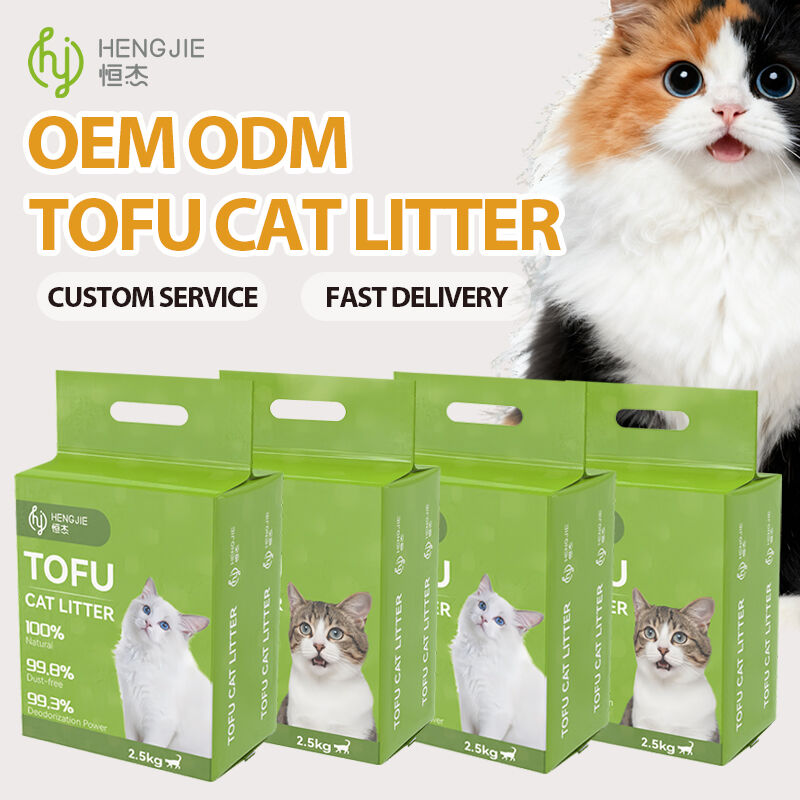
Choosing the right cat litter for your feline companion can significantly impact both your pet's comfort and your household's cleanliness. With numerous options available in today's market, understanding the various materials and features of different cat litter types helps pet owners make informed decisions. The evolution of cat litter has brought innovative solutions that address odor control, dust reduction, and environmental sustainability while maintaining excellent absorption properties.
Modern cat owners face the challenge of selecting from clay-based, natural, crystal, and hybrid formulations, each offering distinct advantages and limitations. Understanding these differences ensures optimal litter box management while considering factors such as tracking, clumping ability, and long-term cost effectiveness. The right choice depends on individual preferences, cat behavior, household dynamics, and environmental considerations that vary among different living situations.
Clay-Based Cat Litter Materials
Traditional Non-Clumping Clay Options
Traditional clay cat litter represents one of the earliest commercial solutions for feline waste management, utilizing absorbent clay minerals to control moisture and odor. These products typically consist of sepiolite, attapulgite, or diatomaceous earth materials that absorb liquid waste without forming solid clumps. The primary advantage lies in their affordability and widespread availability, making them accessible options for budget-conscious pet owners seeking basic functionality.
However, non-clumping clay cat litter requires complete replacement more frequently than clumping alternatives, as absorbed moisture cannot be easily removed through scooping. This characteristic results in higher long-term costs despite lower initial purchase prices. Additionally, these materials often produce significant dust during pouring and use, potentially causing respiratory concerns for both cats and humans in poorly ventilated spaces.
Bentonite Clumping Clay Varieties
Bentonite clay cat litter has revolutionized waste management through its exceptional clumping properties, forming tight, scoopable masses when exposed to moisture. This sodium bentonite material swells considerably upon contact with liquid, creating solid clumps that facilitate easy removal while leaving clean litter behind. The clumping mechanism enables more efficient litter box maintenance and extends the overall lifespan of each litter fill.
Premium bentonite formulations incorporate advanced dust control technologies and enhanced odor-fighting compounds that improve user experience significantly. Multi-cat households particularly benefit from these products' superior absorption capabilities and odor management features. However, concerns about ingestion safety and environmental impact from strip mining have prompted some pet owners to explore alternative materials for their feline companions' needs.
Natural and Biodegradable Alternatives
Wood-Based Cat Litter Solutions
Wood-based cat litter options utilize recycled sawdust, wood shavings, or compressed wood pellets to provide natural absorption and odor control capabilities. Pine varieties offer natural antimicrobial properties and pleasant fragrance that helps neutralize unpleasant odors without artificial additives. These products appeal to environmentally conscious consumers seeking biodegradable alternatives that decompose safely after disposal.
Pelletized wood cat litter transforms into sawdust upon contact with moisture, requiring different maintenance techniques compared to traditional clumping varieties. Users must remove solid waste manually while allowing wet areas to break down naturally before replacing the affected material. This process requires more frequent monitoring but provides excellent odor control and minimal tracking throughout the household environment.
Corn and Wheat-Based Formulations
Agricultural byproducts such as corn kernels and wheat grain create effective cat litter alternatives that combine natural clumping abilities with biodegradable properties. Corn-based products utilize the natural starch content to form cohesive clumps while providing excellent odor absorption through organic compounds. These materials offer flushable disposal options in appropriate plumbing systems, reducing household waste accumulation significantly.
Wheat-based cat litter leverages natural enzymes present in grain materials to neutralize ammonia odors effectively while maintaining clumping functionality comparable to bentonite clay products. However, households with grain allergies or pest concerns should carefully evaluate these options, as stored grain products may attract insects or rodents if improperly sealed during storage periods.
Crystal and Silica Gel Technologies
Silica Crystal Absorption Properties
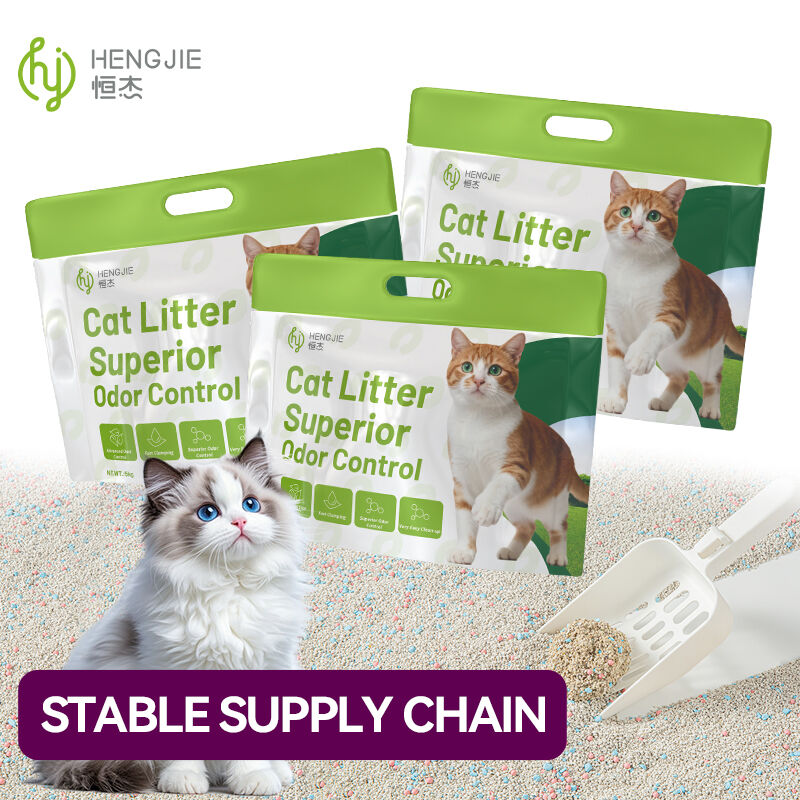
Silica gel crystal cat litter represents advanced absorption technology that captures moisture and odors through microscopic pore structures within each granule. These crystals absorb significantly more liquid than traditional clay materials while maintaining dry surface conditions that reduce bacterial growth and odor development. The non-clumping nature requires stirring to distribute moisture evenly throughout the litter bed.
Crystal formulations typically last longer than conventional alternatives, requiring complete replacement every two to three weeks depending on usage patterns and household size. The extended lifespan offsets higher initial costs while reducing maintenance frequency and waste generation. However, some cats may find the texture uncomfortable, and the harder granules can create more noise during digging and covering behaviors.
Gel-Based Hybrid Systems
Advanced gel-based cat litter systems combine silica absorption technology with color-changing indicators that signal when replacement becomes necessary. These innovative products provide visual cues for optimal maintenance timing while delivering superior odor control through encapsulation mechanisms. The gel components lock away moisture and odors more effectively than traditional absorption methods alone.
Hybrid gel systems often incorporate antimicrobial agents and pH-balancing compounds that create unfavorable conditions for bacterial growth and odor formation. These enhanced formulations particularly benefit households with multiple cats or limited ventilation where odor control represents a primary concern for daily comfort and hygiene maintenance.
Innovative Mixed-Material Solutions
Tofu and Plant-Based Combinations
Tofu-based cat litter represents an innovative approach utilizing soybean processing byproducts to create highly absorbent, clumping materials with excellent environmental credentials. These products combine rapid absorption rates with strong clumping ability while remaining completely biodegradable and safe for accidental ingestion. The natural protein content provides inherent odor-fighting properties without requiring artificial additives or fragrances that might irritate sensitive cats.
Mixed plant-based formulations incorporate multiple organic materials such as corn, wheat, and soy components to optimize performance characteristics while maintaining ecological sustainability. The cat litter industry continues developing these hybrid solutions to address specific consumer needs while reducing environmental impact through renewable resource utilization and biodegradable disposal options.
Clay-Natural Material Hybrids
Hybrid cat litter products combine traditional bentonite clay with natural materials to balance performance, cost, and environmental considerations effectively. These formulations typically feature clay as the primary clumping agent while incorporating wood fibers, corn particles, or other organic materials to enhance odor control and reduce dust production. The combination approach allows manufacturers to optimize specific characteristics while maintaining affordable pricing structures.
Advanced hybrid systems may include multiple clay types blended with natural absorbents to create customized performance profiles for different household needs. Multi-component formulations enable fine-tuning of clumping strength, dust levels, odor control, and tracking reduction while preserving the familiar feel and function that cats prefer during transition periods.
Performance Characteristics and Selection Criteria
Absorption and Clumping Efficiency
Absorption capacity represents a critical performance metric that determines how effectively different cat litter materials manage liquid waste while maintaining dry surface conditions. High-quality products should absorb multiple times their weight in moisture while forming cohesive clumps that facilitate easy removal without breaking apart during scooping. Testing absorption rates helps consumers evaluate value and performance across different price points and material types.
Clumping strength varies significantly among different cat litter formulations, with some materials forming tight, rock-hard masses while others create softer, more fragile clusters. The ideal clumping behavior allows complete removal of contaminated material without leaving residue behind, ensuring fresh litter remains uncontaminated for extended use. Strong clumping reduces waste and extends the lifespan of each litter fill significantly.
Dust Control and Tracking Management
Dust generation during pouring, scooping, and cat usage creates health and cleanliness concerns that influence product selection decisions significantly. Low-dust cat litter formulations utilize specialized processing techniques or dust-suppressing additives to minimize airborne particles that could irritate respiratory systems. Premium products often feature virtually dust-free performance that benefits households with allergies or asthma sensitivities.
Tracking control involves preventing litter granules from adhering to cat paws and spreading throughout the household environment. Particle size, shape, and surface texture influence tracking behavior, with some materials designed specifically to reduce adhesion and scattering. Effective tracking control maintains household cleanliness while reducing the need for frequent sweeping and vacuuming around litter box areas.
Environmental Impact and Sustainability Considerations
Biodegradability and Disposal Options
Environmental sustainability has become increasingly important in cat litter selection as consumers seek products that minimize ecological impact throughout their lifecycle. Biodegradable cat litter materials decompose naturally in appropriate disposal environments, reducing landfill accumulation and environmental persistence compared to clay-based alternatives. Compostability varies among different organic materials, with some suitable for home composting while others require commercial composting facilities.
Disposal method compatibility influences environmental impact significantly, with flushable options reducing household waste generation while requiring appropriate plumbing systems and local regulations compliance. Some natural materials can be safely disposed of in garden areas where they contribute organic matter to soil improvement, though this requires careful consideration of potential contamination and local health regulations regarding pet waste management.
Resource Extraction and Manufacturing Impact
The environmental cost of cat litter production varies dramatically among different material sources, with clay mining requiring significant land disruption and energy consumption compared to agricultural byproduct utilization. Bentonite clay extraction involves strip mining operations that permanently alter landscapes, while plant-based alternatives utilize waste materials from existing agricultural processes, reducing overall resource consumption and environmental impact.
Manufacturing processes also contribute to environmental footprints through energy consumption, transportation requirements, and packaging materials utilized in production and distribution. Local sourcing of raw materials reduces transportation emissions while supporting regional economies, making geographic origin an important consideration for environmentally conscious consumers seeking to minimize their ecological impact through informed purchasing decisions.
Cost Analysis and Value Considerations
Initial Purchase Price Versus Long-Term Value
Evaluating cat litter costs requires analyzing both initial purchase prices and long-term usage expenses to determine true value across different product categories. Premium formulations often command higher upfront costs but may provide superior performance characteristics that reduce overall consumption and replacement frequency. Calculating cost-per-use or cost-per-week provides more accurate comparisons than simple price-per-pound metrics alone.
Extended-use products such as crystal cat litter typically require larger initial investments but may prove more economical over time through reduced replacement frequency and superior absorption capabilities. Multi-cat households particularly benefit from high-performance options that maintain effectiveness under heavy usage conditions while reducing maintenance time and effort requirements significantly.
Hidden Costs and Additional Considerations
Beyond direct purchase prices, cat litter selection involves additional costs such as disposal fees, cleaning supplies, and potential health impacts that influence total ownership expenses. Dusty products may require more frequent household cleaning or air filtration system maintenance, while tracking issues necessitate additional floor care and vacuum maintenance. These indirect costs can significantly impact long-term economics of different material choices.
Storage requirements also affect practical costs through space utilization and container needs for optimal product preservation. Bulk purchasing options may offer significant savings but require adequate storage facilities and consideration of product shelf life to prevent degradation or contamination over extended storage periods.
FAQ
What factors should I consider when choosing between clumping and non-clumping cat litter
The choice between clumping and non-clumping cat litter depends on your cleaning preferences, budget, and cat's behavior. Clumping varieties offer easier waste removal and longer-lasting performance but typically cost more initially. Non-clumping options require complete litter replacement more frequently but may suit households with single cats or those preferring lower upfront costs. Consider your cat's digging habits, household member allergies, and desired maintenance frequency when making this decision.
Are natural and biodegradable cat litters as effective as traditional clay options
Modern natural cat litter formulations can match or exceed traditional clay performance in many areas while offering environmental benefits and safety advantages. Tofu-based, corn, and wheat varieties provide excellent clumping and odor control comparable to bentonite clay products. However, effectiveness varies among brands and specific formulations, so testing different natural options may be necessary to find the best match for your household's needs and your cat's preferences.
How often should I completely replace different types of cat litter
Replacement frequency depends on the specific cat litter type, number of cats, and usage patterns. Clumping varieties typically require complete replacement every 2-3 weeks with daily waste removal, while crystal litters may last 3-4 weeks with regular stirring. Non-clumping clay needs replacement every 1-2 weeks depending on absorption saturation. Natural materials vary widely, with some requiring weekly replacement while others last longer. Monitor odor levels and saturation to determine optimal replacement timing for your specific situation.
What should I do if my cat refuses to use a new type of litter
Cat litter transitions require patience and gradual introduction to ensure acceptance and prevent elimination problems. Start by mixing small amounts of new litter with the current type, gradually increasing the proportion over 7-10 days. If resistance continues, try different textures or scents within the same material category, as cats have individual preferences for granule size and consistency. Ensure the litter box remains clean during transitions and consider reverting to the previous type if elimination issues develop, then consulting with a veterinarian about alternative approaches.
Table of Contents
- Clay-Based Cat Litter Materials
- Natural and Biodegradable Alternatives
- Crystal and Silica Gel Technologies
- Innovative Mixed-Material Solutions
- Performance Characteristics and Selection Criteria
- Environmental Impact and Sustainability Considerations
- Cost Analysis and Value Considerations
-
FAQ
- What factors should I consider when choosing between clumping and non-clumping cat litter
- Are natural and biodegradable cat litters as effective as traditional clay options
- How often should I completely replace different types of cat litter
- What should I do if my cat refuses to use a new type of litter