

 EN
EN

Introducing a new cat litter to your feline companion can be a delicate process that requires patience, understanding, and strategic planning. Cats are naturally creatures of habit, and sudden changes to their familiar cat litter can cause stress, behavioral issues, or even litter box avoidance. Whether you are switching to a different cat litter brand, texture, or formula for health reasons, environmental concerns, or cost considerations, understanding how to help your cat adapt to new cat litter is essential for maintaining a harmonious household and ensuring your pet's wellbeing.
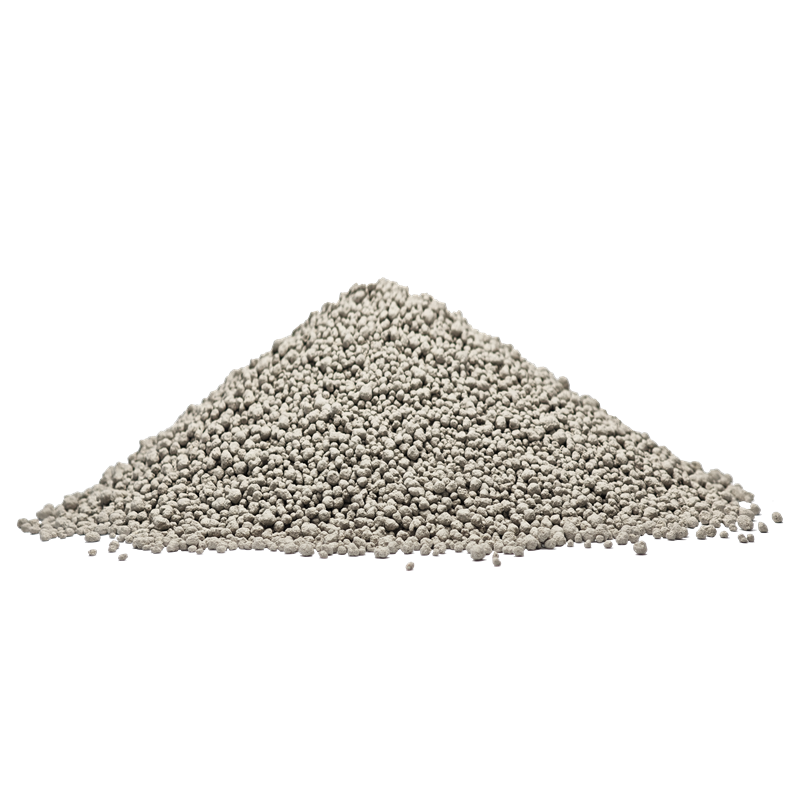
The transition process should never be rushed or abrupt. Most veterinarians and feline behavior experts recommend implementing a gradual mixing approach when shifting to a new cat litter. By blending the old cat litter with the new cat litter over a period of seven to ten days, you give your cat time to acclimate to the new scent, texture, and composition without triggering anxiety or rejection. This methodical approach respects your cat's sensory preferences and natural resistance to change, ultimately leading to a smoother transition and fewer behavioral complications.
Understanding Your Cat's Litter Preferences
Why Cats React Negatively to New Cat Litter
Cats rely heavily on olfactory and tactile cues when using their litter box. When you introduce new cat litter, you are essentially changing the sensory environment your cat has grown accustomed to. The scent profile of a new cat litter may feel unfamiliar or even off-putting to your pet. Additionally, different types of cat litter have varying textures—some are finer and softer, while others are coarser or clumping differently. These textural changes can make your cat hesitant to use the box, leading to accidents elsewhere in your home.
The Role of Scent and Texture in Adaptation
The primary reason cats struggle with new cat litter transitions is that they have marked their litter box territory with their scent glands. Your cat recognizes and accepts the current cat litter because it carries familiar olfactory markers. When you switch to fresh cat litter without gradual introduction, your cat may not recognize the box as 'theirs' anymore. Similarly, if the new cat litter has added fragrances or deodorants, these artificial scents can overwhelm or repel your cat. Understanding that new cat litter requires a sensory adjustment period helps you approach the transition with realistic expectations and appropriate patience.
Implementing a Successful Transition Strategy
The Gradual Mixing Method for New Cat Litter
The most effective way to help your cat adapt to new cat litter is through gradual mixing. On day one, fill your litter box with approximately seventy-five percent of the original cat litter and twenty-five percent of the new cat litter. Each day thereafter, increase the proportion of new cat litter by roughly ten to fifteen percent while decreasing the old cat litter accordingly. By day seven or eight, your cat litter box should be entirely filled with the new cat litter. This incremental approach allows your cat's olfactory system and behavioral patterns to adjust without shock or resistance. During this transition period, monitor your cat closely for signs of acceptance or stress.
Maintaining Multiple Litter Boxes During Transition
One critical strategy for helping your cat adapt to new cat litter is maintaining multiple litter boxes during the changeover period. The general rule in multi-cat households is to provide one litter box per cat plus one additional box. During a cat litter transition, add an extra box filled entirely with the original cat litter while the primary box undergoes the gradual mixing process. This safety net ensures your cat always has access to familiar cat litter if they reject the transitioning box. Once your cat consistently uses the new cat litter, you can remove the backup box. This approach significantly reduces litter box avoidance and associated behavioral problems.
Managing Behavioral Responses and Troubleshooting
Recognizing Signs Your Cat is Struggling with New Cat Litter
Watch for behavioral indicators that suggest your cat is not adapting well to the new cat litter. These signs include eliminating outside the litter box, excessive scratching or digging behavior, reluctance to enter the box, or spending unusual amounts of time in the litter area. If your cat is experiencing digestive issues or has sensitive paws, changing to new cat litter with a dramatically different texture can amplify these challenges. Some cats also become more vocal or show increased anxiety during litter transitions. If you notice any of these warning signs, slow down your transition timeline. Extend the mixing period to two or three weeks, or consider reverting partially to maintain a higher ratio of the familiar cat litter.
Addressing Litter Box Avoidance and Alternative Elimination
If your cat begins eliminating outside the litter box during the transition to new cat litter, take immediate action to prevent habit formation. Clean any soiled areas thoroughly with enzymatic cleaners to remove scent markers that might attract repeated use. Do not punish your cat, as this will only increase stress and worsen the problem. Instead, place additional litter boxes in the areas where your cat is eliminating. These boxes should contain a higher proportion of the original cat litter, then gradually transition to the new cat litter as your cat adjusts. Sometimes, returning temporarily to one hundred percent of the old cat litter before restarting a slower transition helps reset your cat's comfort level.
Long-Term Success and Prevention Strategies
Establishing Optimal Conditions for New Cat Litter Acceptance
Beyond the transition process itself, creating an environment that encourages acceptance of new cat litter involves several key factors. Ensure the litter box location remains consistent and undisturbed during the changeover period. Cats that are stressed by other household changes are less likely to adapt smoothly to new cat litter. Consider the timing of your transition; avoid introducing new cat litter during periods of significant household disruption, new pet arrivals, or other environmental stressors. Maintain consistent litter box cleaning routines, as a clean box with new cat litter is more likely to be accepted than a soiled one. Additionally, choose a new cat litter type that closely matches the texture and grain size of your previous cat litter to minimize sensory shock.
Future Transitions and Maintaining Flexibility
Once your cat has successfully adapted to new cat litter, future transitions become easier if you follow the same gradual methodology. Some cat owners find that their cats become more adaptable over time, though individual personalities vary significantly. Keep records of which cat litter types your cat preferred, as this information guides future choices. If you ever need to switch to another new cat litter, apply the same mixing principles and patience. By treating each cat litter change as a planned, gradual process rather than an overnight switch, you minimize stress and maintain litter box harmony throughout your cat's life.

FAQ
How long does it take for a cat to adapt to new cat litter?
Most cats adapt to new cat litter within seven to ten days when using a gradual mixing approach. However, some cats with more sensitive temperaments or those with previous negative experiences may need two to three weeks. The key is observing your cat's individual behavior and extending the transition period if signs of stress or avoidance appear. Rushing the process can lead to litter box rejection that takes much longer to resolve.
Can I switch my cat to new cat litter immediately without mixing?
While some cats might tolerate an immediate switch to new cat litter, this approach carries significant risk of litter box avoidance and behavioral problems. Most feline behaviorists strongly advise against sudden changes. The gradual mixing method protects against stress-related incidents and ensures your cat's emotional wellbeing during the transition. If you must switch quickly due to health concerns, consult your veterinarian for personalized guidance on your specific situation.
What should I do if my cat refuses to use the litter box after introducing new cat litter?
If your cat refuses new cat litter entirely, revert to the original cat litter and restart the transition more slowly. Provide an additional litter box with the familiar cat litter while another box has the new cat litter at a lower percentage. Clean any soiled areas with enzymatic cleaners to remove scent markers. If the problem persists beyond three weeks, consult your veterinarian to rule out medical issues, and consider whether other stressors are affecting your cat's behavior.