

 EN
EN
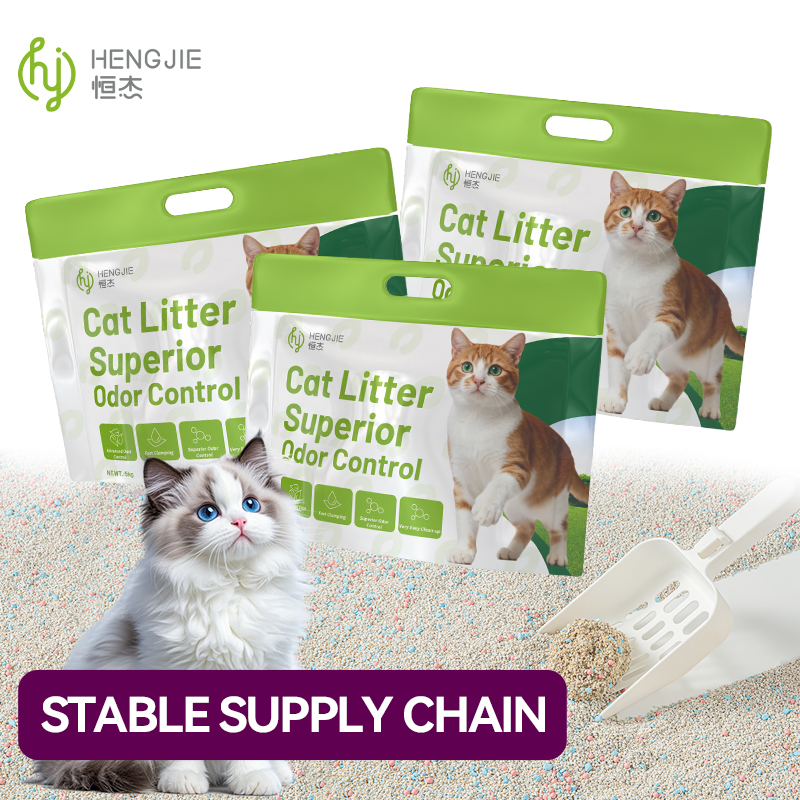
Living with a cat in a small apartment presents unique challenges, particularly when managing waste and maintaining a clean, pleasant living environment. Cat sand, the primary medium for feline waste containment, requires thoughtful placement and strategic selection to ensure both your comfort and your pet's wellbeing. In compact spaces, the right approach to cat sand management can mean the difference between a harmonious household and ongoing frustration with odors, tracking, and space constraints.
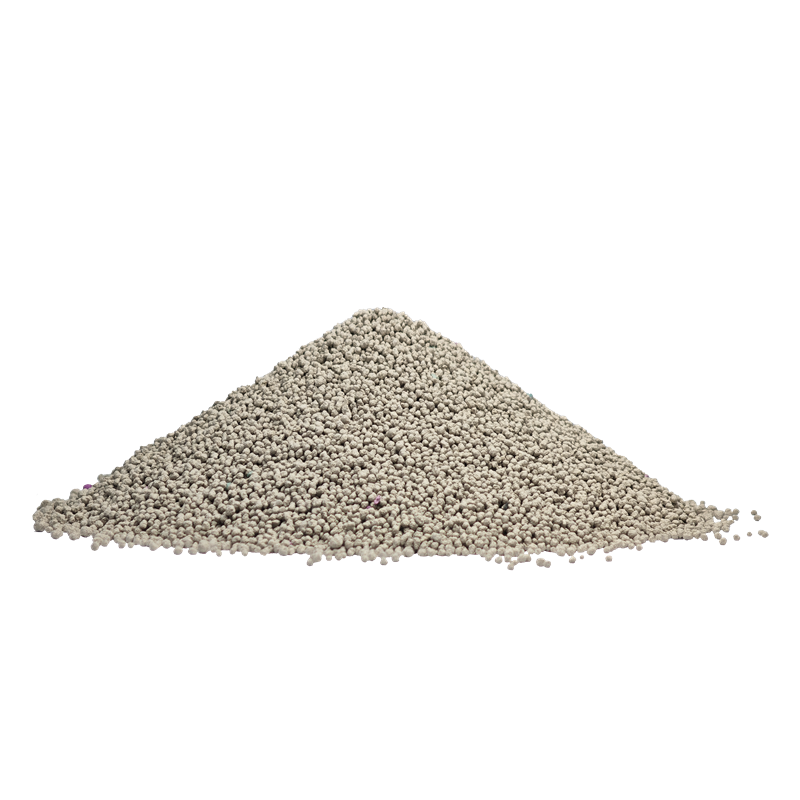
The strategic use of cat sand in apartments involves more than simply placing a litter box in a corner. Successful cat sand management combines location planning, product selection, containment techniques, and maintenance routines specifically adapted to limited square footage. By understanding how different types of cat sand perform and implementing proven organizational strategies, apartment dwellers can create an effective waste management system that remains virtually invisible to guests while keeping their feline companions satisfied.
Selecting the Right Cat Sand for Apartment Living
Understanding Cat Sand Types and Their Apartment Suitability
Not all cat sand products perform equally in apartment environments where odor control and dust minimization are critical. Clay-based cat sand remains popular due to its affordability and clumping capability, but it generates significant dust that spreads throughout small spaces and settles on furniture, walls, and airways. Silica gel cat sand offers superior odor absorption and produces minimal tracking, making it an excellent choice for apartments where space constraints amplify smell issues. Crystal-based cat sand varieties absorb moisture efficiently and can last longer between full litter changes, reducing maintenance frequency in confined living areas.
Fine-grain spherical cat sand represents an emerging category specifically engineered for apartment dwellers. This specialized cat sand combines dust reduction with enhanced clumping, allowing faster waste removal and extended litter lifespan. The spherical particles of quality cat sand resist scattering, remain contained within the box more effectively, and minimize the scattered particles that typically spread across apartment floors. When evaluating cat sand options, prioritize products explicitly formulated for dust control and odor neutralization rather than generic budget alternatives that create environmental problems requiring constant management.
Evaluating Odor Control and Dust Reduction
Odor management directly impacts apartment habitability, affecting not only your personal comfort but also relationships with neighbors in shared buildings. Premium cat sand formulations incorporate activated carbon or baking soda to neutralize ammonia odors at their source, preventing the accumulation of unpleasant smells that intensify in poorly ventilated apartments. The dust profile of cat sand dramatically influences both air quality and cleaning requirements. Dust from traditional cat sand settles on surfaces, accumulates in ventilation systems, and creates visible particles floating through your living space. By selecting low-dust cat sand, you reduce respiratory irritation, minimize allergen distribution, and decrease the visible mess associated with apartment cat ownership.
The relationship between cat sand particle size and apartment cleanliness proves significant. Larger particles contained within specialized cat sand products scatter less when cats bury waste, leaving your apartment flooring cleaner and reducing the tracking of litter throughout rooms. Smaller spherical particles of quality cat sand, paradoxically, scatter less than traditional clay clumps because they roll and settle more predictably rather than fragmenting into powder that disperses widely. Testing different cat sand formulations in your specific apartment environment provides practical data about which products genuinely perform better in your situation rather than relying solely on marketing claims.
Strategic Placement and Space Optimization
Identifying Ideal Litter Box Locations in Small Apartments
Apartment layout significantly influences both the effectiveness of cat sand management and your daily living quality. The ideal location for a litter box containing cat sand balances several competing priorities: accessibility for your cat, privacy for the animal's comfort, distance from living and sleeping areas, and practical visibility for you to monitor usage and cleanliness. Bathrooms represent the most common choice because they typically feature hard flooring that tolerates spillage and humidity variations from cat sand moisture. Closets with hard flooring or laundry areas provide enclosed spaces where cat sand dust and odor remain somewhat contained, though ventilation becomes critical to prevent ammonia accumulation.
Corner placements in hallways, behind doors, or under stairwells create semi-private spaces for your cat while keeping the main living areas free from cat sand tracking and odor. Some apartment dwellers successfully position litter boxes in kitchen corners designated exclusively for pet-related items, ensuring all cat sand management occurs in a single controlled zone. Regardless of location choice, position the cat sand box away from your cat's feeding and water stations, as cats naturally avoid eliminating waste near eating areas. In very small apartments where bathroom space is minimal, consider a compact litter box designed for space efficiency and paired with premium cat sand that minimizes tracking and odor penetration into adjacent rooms.
Containing and Managing Cat Sand Spillage
Even the best cat sand cannot remain entirely within a traditional open litter box. Cats naturally scatter substrate while burying waste, dispersing particles across apartment flooring where they become tracked into other rooms. Mat placement directly beneath and extending outward from the litter box containing your cat sand creates a collection zone where loose particles accumulate before spreading throughout your apartment. Commercial litter traps with raised edges, grooved surfaces, or absorbent materials capture scattered cat sand, typically collecting 60 to 80 percent of particles that would otherwise distribute freely across your living space.
Litter box furniture designed for apartments integrates cat sand containment with space-saving design, featuring enclosed structures that reduce visibility while providing internal ventilation. These specialized enclosures with appropriate cat sand management dramatically reduce odor transmission to adjacent rooms and minimize dust circulation. Open-top litter boxes with cat sand may be supplemented with privacy screens or decorative enclosures that direct scattered particles downward and contain airborne dust. The investment in containment infrastructure directly correlates with reduced cat sand cleanup requirements, less frequent deep cleaning of apartment surfaces, and improved air quality throughout your living environment.
Maintenance Routines and Litter Management Systems
Establishing Effective Daily Cleaning Protocols
Consistent daily maintenance of cat sand prevents odor accumulation that becomes problematic in closed apartment spaces. Removing clumped waste twice daily minimizes ammonia development, preserves litter viability, and extends the interval between complete cat sand replacements. Most quality cat sand formulations designed for apartments support this frequent removal process without deteriorating their absorptive properties. Dedicated scoops designed to break apart clumped cat sand efficiently separate waste from clean material, maximizing the volume of reusable cat sand remaining in the box. Disposing of removed cat sand in sealed containers before placing it in apartment trash systems prevents odor from spreading through shared building spaces.
Daily monitoring of cat sand levels ensures adequate depth for proper waste burial and absorption. Cats require approximately three inches of cat sand to cover waste effectively; less depth compromises their satisfaction and increases odor. Topping up cat sand between complete changes maintains optimal box conditions and signals to your cat that the box remains a preferred elimination location. Cats may avoid litter boxes with insufficient cat sand depth, leading to accidents outside the box that create far more significant apartment cleanliness issues. The time investment in daily cat sand maintenance typically amounts to 10 to 15 minutes, a worthwhile commitment that prevents the exponentially greater effort required to address odor problems and behavioral elimination issues.
Complete Litter Changes and Long-Term Cat Sand Management
Complete cat sand replacement frequency depends on litter type, box size, and cat population, but apartments typically require weekly or biweekly changes rather than monthly intervals. Premium cat sand products extend replacement intervals by 20 to 40 percent compared to budget alternatives, delivering genuine cost savings despite higher per-unit pricing. The transition process when changing cat sand should occur gradually; mixing new cat sand with familiar material helps cats adjust to product changes and maintains their consistent use of the box. Completely removing and disposing of old cat sand allows thorough cleaning of the litter box, preventing bacterial accumulation and persistent odor development that resists surface-level maintenance.
Environmental considerations surrounding cat sand disposal prove relevant in apartment buildings where trash handling affects shared spaces. Flushable cat sand formulations designed for apartments reduce odor in building trash systems, though pipe compatibility requires verification with your plumbing system and municipal guidelines. Sealed disposal bags containing cat sand prevent odor from escaping in shared trash areas, a courteous practice appreciated by neighbors in close-quarter apartment living. Tracking which cat sand products your cat accepts and performs well helps you make informed repurchasing decisions rather than experimenting repeatedly with new formulations that may trigger litter aversion and behavioral problems.
FAQ
How often should I change cat sand in my small apartment?
Most apartments with a single cat benefit from complete cat sand replacement every seven to ten days when using quality clumping products paired with daily scooping. If you notice persistent odor after five days, more frequent changes become necessary. Cats may signal dissatisfaction with soiled cat sand by eliminating outside the box, making prompt changes essential for apartment cleanliness and preventing behavioral issues.
What cat sand product works best for minimizing apartment odors?
Premium cat sand formulations incorporating activated carbon or baking soda provide superior odor control compared to basic clay products. Fine-grain spherical cat sand specifically engineered for apartments combines dust reduction with enhanced clumping and extended absorbency. Testing different products with your specific cat and apartment environment helps identify which cat sand performs optimally in your situation, as individual cats sometimes show preferences for particular textures and odor profiles.
Can I use cat sand successfully if my apartment has very limited space?
Yes, compact litter box designs paired with space-optimized placement strategies enable successful cat sand management even in micro-apartments. Corner placements, enclosed furniture that integrates litter containment, and premium low-dust cat sand specifically designed for apartment use make cat ownership feasible in very small spaces. Establishing consistent daily maintenance routines and investing in containment infrastructure becomes even more important in space-constrained situations to prevent odor and mess problems from overwhelming your limited living area.