

 EN
EN
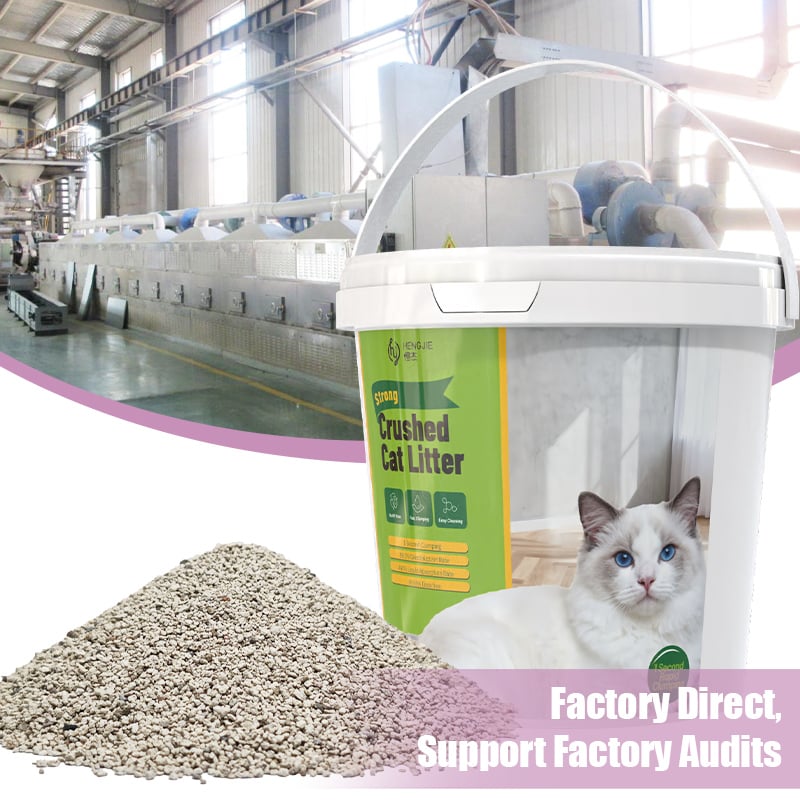
Kitty litter is far more than a convenience for pet owners—it represents a fundamental pillar of kitten health and household cleanliness. When kittens enter your home, their wellbeing depends heavily on the environment you create, and the choice of kitty litter directly impacts everything from respiratory function to behavioral development. Quality kitty litter controls odor, manages moisture, and reduces bacterial contamination that could threaten your young cat's immune system. Understanding how kitty litter protects your kitten ensures you make informed decisions that benefit both your pet and your household.
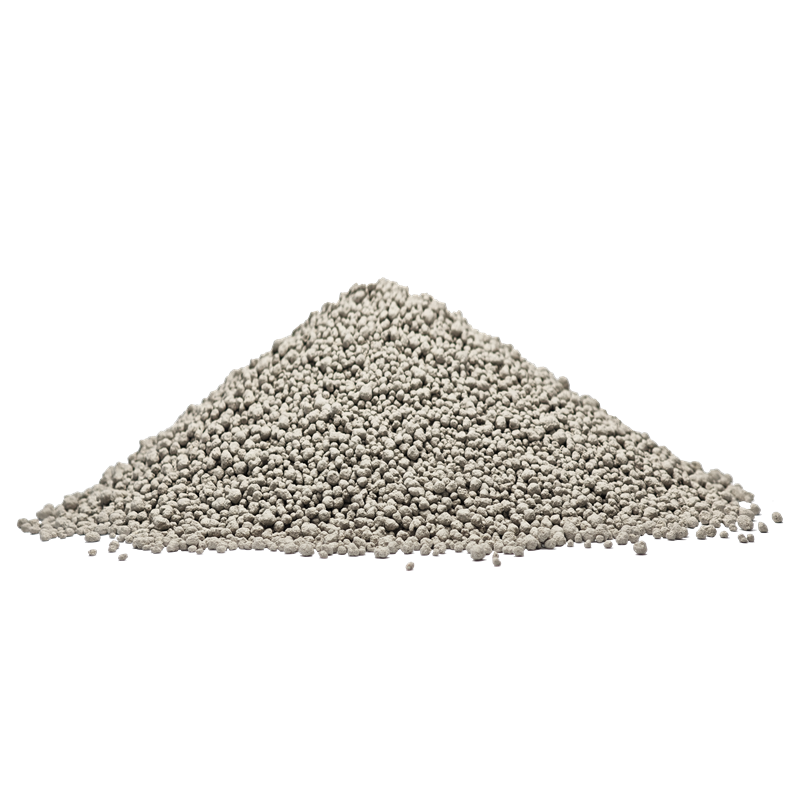
The relationship between kitty litter selection and kitten health is scientifically grounded. Kittens have developing respiratory systems more sensitive to airborne particles and ammonia vapor than adult cats. Poor-quality kitty litter releases dust and harmful compounds into the air, exposing young felines to irritants that compromise their lungs and nasal passages. Conversely, premium kitty litter formulations minimize dust, neutralize ammonia through chemical bonding, and maintain dry conditions that prevent fungal and bacterial growth. By selecting appropriate kitty litter early in your kitten's life, you establish a foundation for long-term respiratory health and overall wellness.
The Role of Kitty Litter in Odor Control and Air Quality
How Kitty Litter Manages Ammonia and Odor
Ammonia production in litter boxes represents one of the primary health threats to kittens. When urine breaks down, it releases ammonia gas—a pungent, harmful compound that irritates mucous membranes and respiratory tissue. High-quality kitty litter uses advanced absorption technology and chemical agents to neutralize ammonia before it becomes airborne. Bentonite-based kitty litter, for instance, expands upon moisture contact and encapsulates waste particles, trapping ammonia within the litter matrix rather than allowing it to escape into your home's air. This containment mechanism protects kittens from chronic exposure to respiratory irritants while simultaneously controlling household odors.
Air Quality Impact on Kitten Development
Kittens raised in environments with poor air quality from inadequate kitty litter experience delayed immune system development and increased susceptibility to upper respiratory infections. The ammonia and dust particles suspended in air penetrate deep into developing lungs, creating inflammation that persists even after litter conditions improve. Quality kitty litter substantially reduces airborne particulate matter and volatile organic compounds, maintaining cleaner air that supports normal respiratory development. Kittens in homes using effective kitty litter show fewer respiratory issues, better energy levels, and stronger immune responses during critical growth phases. The investment in superior kitty litter directly translates to measurable health improvements in young cats.
Moisture Management and Bacterial Prevention
How Kitty Litter Controls Moisture and Prevents Bacterial Overgrowth
Moisture accumulation in litter boxes creates ideal breeding conditions for pathogenic bacteria and fungi that threaten kitten health. When kitty litter fails to absorb urine effectively, wet patches develop where harmful microorganisms multiply rapidly. Premium kitty litter formulations feature high absorption capacity that pulls moisture away from the litter surface, keeping the box dry and inhospitable to bacterial colonies. Clumping kitty litter varieties excel at this function by forming tight clumps around waste, isolating contaminated material and making daily removal more thorough. Reduced bacterial loads mean fewer infections, lower parasitic transmission risk, and healthier gastrointestinal function in developing kittens.
Connection Between Litter Quality and Urinary Tract Health
Kittens exposed to contaminated, moisture-laden litter environments face increased risk of urinary tract infections and lower urinary tract disease. Bacteria ascending the urethra cause painful infections that disrupt normal elimination behavior and damage developing urinary structures. Effective kitty litter minimizes bacterial presence through moisture control and antimicrobial properties, creating a cleaner elimination environment. Kittens using clean kitty litter boxes maintained with quality absorbent materials show better litter box habits, more predictable elimination patterns, and fewer episodes of painful urination. This establishes positive behavioral foundations that persist throughout the cat's life.
Physical Safety, Comfort, and Behavioral Development
Dust Levels in Kitty Litter and Physical Safety
Conventional kitty litter formulations often produce substantial dust clouds during box use, creating immediate physical risks for young kittens. Dust particles settle on fur, eyes, and nasal passages, irritating sensitive tissues and triggering coughing episodes. Some dust particles are small enough to penetrate deep into lung tissue, where they accumulate and cause chronic inflammation. Low-dust kitty litter varieties eliminate this hazard by using advanced binding technologies that hold particles together while maintaining absorbency. Kittens using low-dust kitty litter experience fewer respiratory symptoms, clearer eyes, and healthier coat conditions compared to peers exposed to dusty alternatives.
Litter Comfort and Behavioral Reinforcement
The texture and composition of kitty litter significantly influence whether kittens develop reliable litter box habits. Young cats instinctively seek litter that feels comfortable underfoot and allows proper digging behavior. Quality kitty litter provides appropriate texture that kittens find appealing, encouraging consistent use and preventing accidents outside the box. Conversely, inferior kitty litter varieties may feel uncomfortable, motivate avoidance behavior, or fail to mask odors effectively, prompting kittens to eliminate elsewhere in the home. By selecting kitty litter that balances comfort, absorbency, and odor control, owners establish behavioral patterns that benefit household cleanliness and reduce stress on developing kittens.
Selecting and Maintaining Optimal Kitty Litter Conditions
Evaluating Kitty Litter Characteristics for Kitten Health
Choosing appropriate kitty litter requires understanding specific product attributes that protect kittens. Low-dust formulations should be your primary consideration, as dust exposure poses the greatest immediate health risk to young cats. Check whether kitty litter uses natural clumping agents like bentonite clay versus synthetic additives that may harbor chemical residues. Fragrance-free options are preferable for kittens, as artificial scents can overwhelm sensitive respiratory systems. Absorbency ratings matter considerably—superior kitty litter should absorb moisture within minutes and maintain dryness throughout the day. Look for antimicrobial properties that inhibit bacterial growth without using harsh chemicals that might irritate kitten paws.
Maintenance Practices That Maximize Kitty Litter Effectiveness
Even premium kitty litter requires proper maintenance to protect kitten health fully. Daily removal of soiled material prevents bacterial accumulation and maintains odor control. Completely replacing kitty litter weekly ensures that absorbed compounds don't degrade absorbency over time. Litter box size should accommodate your kitten's growth trajectory—boxes that are too small concentrate urine and feces in a smaller volume, accelerating contamination despite quality kitty litter. Maintain multiple boxes when possible, as access to clean litter encourages reliable elimination habits and reduces stress on kittens. Proper ventilation around the litter area helps dissipate any ammonia vapor, complementing the protective qualities of your chosen kitty litter.
FAQ
Can certain types of kitty litter cause respiratory problems in kittens?
Yes, dusty or heavily fragranced kitty litter formulations frequently trigger respiratory irritation in kittens. High-dust kitty litter products release particles that deposit in developing lungs, causing inflammation, coughing, and increased susceptibility to infections. Kittens also lack the lung capacity of adult cats, making them more vulnerable to airborne irritants from poor-quality kitty litter. Selecting low-dust, unscented kitty litter substantially reduces these risks and supports normal respiratory development in young cats.
How often should kitty litter be replaced to protect kitten health?
Complete replacement of kitty litter should occur at least once weekly for households with kittens. Daily scooping of soiled material is essential to prevent bacterial overgrowth and ammonia accumulation. As kittens grow and produce more waste, more frequent changes may become necessary. Observing your kitten's behavior provides useful feedback—increased time out of the litter box or reluctance to use it signals that kitty litter conditions have deteriorated and replacement is overdue.
What kitty litter characteristics matter most for young kitten development?
Low dust content is the single most important characteristic of kitty litter for kittens, as it protects developing respiratory systems. Effective moisture absorption ranks second, preventing bacterial contamination and maintaining urinary tract health. Appropriate texture comes third, ensuring that kittens find the litter comfortable and appealing for regular use. Together, these qualities make quality kitty litter an essential component of comprehensive kitten care that supports healthy development from adoption through adulthood.