

 EN
EN
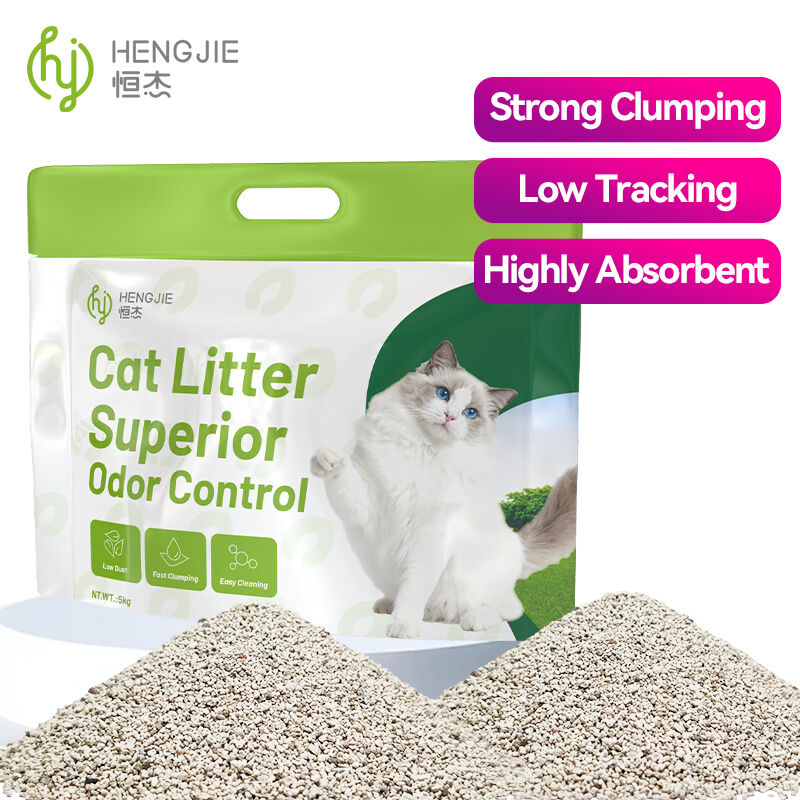
Selecting the right cat litter is a crucial decision that impacts both your feline companion's comfort and your household cleanliness. Among the various types available, bentonite cat litter stands out as one of the most popular and effective options for pet owners worldwide. This natural clay-based material offers exceptional absorption properties, superior clumping ability, and excellent odor control that makes daily maintenance significantly easier. Understanding the key characteristics of high-quality bentonite cat litter will help you make an informed choice that benefits both you and your pet.
Understanding Bentonite Clay Properties
Natural Composition and Formation
Bentonite clay forms naturally through the weathering of volcanic ash over millions of years, creating a unique mineral structure that gives bentonite cat litter its remarkable absorption capabilities. The primary component, montmorillonite, consists of microscopic platelets that can expand dramatically when exposed to moisture. This natural expansion process allows the clay to absorb up to 15 times its original weight in liquid, making it an ideal material for cat litter applications. The geological formation process also creates a naturally occurring negative charge that helps trap odor-causing bacteria and ammonia molecules.
The quality of bentonite varies significantly depending on its source location and mineral composition. Premium bentonite deposits contain higher concentrations of montmorillonite and fewer impurities, resulting in superior performance characteristics. When evaluating different options, look for products that specify their clay source and processing methods, as these factors directly influence the final product's absorption rate and clumping strength.
Absorption Mechanism and Efficiency
The absorption process in bentonite cat litter occurs at a molecular level through a combination of physical and chemical interactions. When moisture contacts the clay particles, water molecules penetrate between the mineral layers, causing them to swell and create a gel-like structure. This swelling action not only absorbs the liquid but also forms tight, cohesive clumps that are easy to remove during cleaning. The speed and completeness of this absorption process determine the overall effectiveness of the litter.
High-quality bentonite cat litter demonstrates rapid absorption rates, typically forming solid clumps within seconds of contact with moisture. This quick response prevents liquid from seeping through to the bottom of the litter box and reduces the risk of bacterial growth and persistent odors. The best performing products maintain their structural integrity even when fully saturated, allowing for clean removal without breaking apart during scooping.
Key Selection Criteria for Maximum Absorption
Particle Size and Texture Considerations
The particle size of bentonite cat litter significantly impacts both absorption performance and user experience. Finer particles generally provide better clumping action because they create more surface area for moisture contact and form denser, more cohesive clumps. However, extremely fine particles can create excessive dust during pouring and scooping, which may irritate both cats and their owners. The optimal particle size strikes a balance between effective clumping and minimal dust production.
Medium-grain bentonite cat litter typically offers the best combination of absorption efficiency and practical usability. These products feature particles that are small enough to form tight clumps but large enough to minimize dust generation. The texture should feel smooth and consistent, without sharp edges or irregular shapes that might be uncomfortable for cats' paws. Premium manufacturers often use specialized processing techniques to achieve uniform particle sizes and smooth surface textures.
Clumping Strength and Durability
The strength of clumps formed by bentonite cat litter determines how easily you can maintain a clean litter box and control odors effectively. Strong clumps resist breaking during scooping, ensuring complete removal of waste without leaving residue behind. This durability depends on the clay's mineral composition, processing quality, and particle bonding characteristics. Testing clumping strength before purchasing larger quantities can help you identify products that meet your specific needs.
Superior bentonite cat litter forms clumps that maintain their integrity even when lifted with a scoop, demonstrating the strong molecular bonds created during the absorption process. These robust clumps also resist moisture penetration from above, preventing the breakdown that can occur when cats step on previously formed clumps. Look for products that specify their clumping strength or offer satisfaction guarantees related to clump formation and durability.
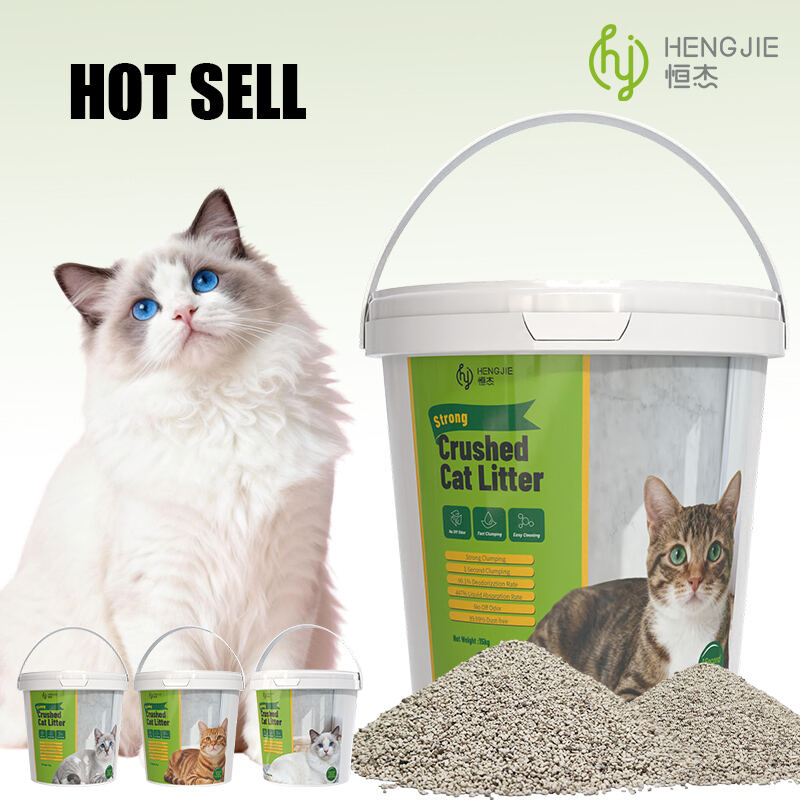
Odor Control Performance Factors
Natural Odor Absorption Properties
The natural structure of bentonite cat litter provides inherent odor control capabilities through multiple mechanisms. The clay's negative charge attracts and binds positively charged ammonia molecules, effectively neutralizing one of the primary sources of litter box odors. Additionally, the tight clumping action encapsulates waste materials, preventing the release of odor-causing compounds into the surrounding environment. These natural properties make bentonite an excellent choice for households requiring effective odor management.
The porous structure created during the expansion process also provides physical spaces where odor molecules can be trapped and contained. This mechanical absorption works in conjunction with the chemical binding to create comprehensive odor control that lasts throughout the product's usage period. High-quality bentonite cat litter maintains these odor control properties even as the clay becomes saturated, ensuring consistent performance until replacement is needed.
Enhanced Formulations and Additives
Many manufacturers enhance their bentonite cat litter formulations with additional odor-controlling ingredients to improve performance beyond the clay's natural capabilities. Common additives include baking soda, activated charcoal, and proprietary odor-neutralizing compounds that work synergistically with the bentonite base. These enhancements can significantly improve long-term odor control, especially in multi-cat households or situations where frequent cleaning is not possible.
When selecting enhanced bentonite cat litter products, consider the specific additives used and their potential impact on your cats' health and comfort. Natural additives like baking soda are generally well-tolerated and provide effective odor neutralization without introducing potentially harmful chemicals. Avoid products with strong artificial fragrances, as these can mask odors temporarily but may irritate sensitive cats and fail to address the underlying sources of unpleasant smells.
Health and Safety Considerations
Dust Control and Respiratory Health
Dust production during the use of bentonite cat litter can pose respiratory health risks for both cats and their owners, making dust control an important selection criterion. Fine dust particles can irritate airways, trigger allergic reactions, and exacerbate existing respiratory conditions like asthma. Premium bentonite cat litter products undergo specialized processing to minimize dust generation while maintaining optimal clumping and absorption properties.
Low-dust formulations typically achieve dust reduction through careful particle sizing, moisture treatment, or the addition of dust-suppressing agents. These products pour more cleanly, create less airborne particulates during scooping, and provide a more comfortable environment for sensitive individuals. When evaluating dust levels, pour a small amount of litter and observe the amount of visible dust generated during normal handling activities.
Chemical Safety and Natural Composition
Pure bentonite cat litter consists entirely of natural clay minerals without synthetic chemicals or artificial additives, making it a safe choice for cats who may ingest small amounts during grooming. The natural composition eliminates concerns about toxic substances that could harm pets through direct contact or accidental consumption. However, some processed bentonite products may contain binding agents or other additives that require careful evaluation for safety.
When selecting bentonite cat litter for households with kittens, elderly cats, or pets with sensitive digestive systems, prioritize products that clearly identify their ingredients and processing methods. Natural, unscented formulations generally pose the lowest risk of adverse reactions while still providing excellent absorption and clumping performance. Avoid products that contain silica gel, artificial fragrances, or chemical clumping agents unless specifically recommended by a veterinarian.
Performance Testing and Evaluation Methods
Absorption Rate Assessment
Testing the absorption rate of bentonite cat litter helps determine its effectiveness for your specific situation and usage patterns. A simple home test involves pouring a measured amount of water onto a sample of litter and observing how quickly it forms clumps and absorbs the liquid completely. High-quality bentonite cat litter should begin clumping within seconds and achieve complete absorption within a minute or two, depending on the volume of liquid applied.
Professional testing methods used by manufacturers often involve standardized absorption tests that measure the maximum liquid capacity and absorption speed under controlled conditions. These tests typically show that premium bentonite cat litter can absorb between 300% and 400% of its weight in moisture while maintaining clump integrity. Understanding these performance metrics helps you compare different products and select options that meet your household's specific absorption requirements.
Long-term Performance Monitoring
Evaluating the long-term performance of bentonite cat litter requires monitoring several factors over extended periods of use. Track how well the product maintains its clumping strength as the litter box ages, how effectively it continues to control odors between cleanings, and whether the unused portions retain their original properties. Superior products demonstrate consistent performance throughout their usable life without significant degradation in key characteristics.
Keep detailed records of consumption rates, cleaning frequency requirements, and overall satisfaction levels to identify the most cost-effective and efficient bentonite cat litter options. This data becomes particularly valuable when managing multiple cats or dealing with specific behavioral or health considerations that affect litter usage patterns. Regular performance monitoring also helps identify when product quality changes due to manufacturing variations or storage conditions.
Cost-Effectiveness and Value Analysis
Price Per Performance Calculations
Determining the true value of bentonite cat litter requires analyzing cost per performance rather than simply comparing unit prices. Calculate the effective cost by considering absorption capacity, clumping efficiency, and longevity of use to identify products that provide the best overall value. Premium bentonite cat litter often costs more initially but may prove more economical through superior performance and longer-lasting effectiveness.
Factor in the frequency of complete litter box changes, the amount of product needed for effective coverage, and the ease of waste removal when calculating total ownership costs. High-performance bentonite cat litter typically requires less frequent complete changes and generates less waste during daily maintenance, potentially offsetting higher purchase prices through reduced consumption and improved convenience.
Bulk Purchasing and Storage Considerations
Purchasing bentonite cat litter in larger quantities often provides significant cost savings, but requires proper storage to maintain product quality and performance. Store bags in dry, cool locations away from direct sunlight and moisture sources that could affect the clay's absorption properties. Sealed containers or original packaging should be used to prevent contamination and preserve the litter's natural characteristics.
Consider your household's consumption patterns and available storage space when deciding on purchase quantities. Bentonite cat litter has an indefinite shelf life when stored properly, making bulk purchases practical for consistent users. However, ensure that storage conditions won't compromise product quality, as exposure to moisture or contaminants can significantly reduce absorption effectiveness and clumping performance.
FAQ
How much bentonite cat litter should I use in my litter box
The optimal depth for bentonite cat litter typically ranges from 2 to 4 inches, depending on your cat's preferences and the litter box size. This depth provides sufficient material for effective clumping while allowing easy waste removal. Deeper layers don't necessarily improve performance and may lead to unnecessary waste, while shallow layers can result in inadequate absorption and clumping difficulties.
Can bentonite cat litter be flushed down the toilet
Bentonite cat litter should never be flushed down toilets because its expansion properties can cause serious plumbing blockages. The clay's ability to absorb water and expand makes it particularly problematic for septic systems and municipal water treatment facilities. Always dispose of used bentonite cat litter in regular household waste or according to local waste management guidelines.
How often should I completely replace bentonite cat litter
Complete replacement of bentonite cat litter typically occurs every 1-2 weeks for single-cat households, with more frequent changes needed for multiple cats. The replacement schedule depends on usage patterns, odor control needs, and the quality of daily maintenance. Regular scooping of clumps allows the remaining clean litter to continue performing effectively, extending the time between complete changes.
Is bentonite cat litter safe for kittens and pregnant cats
Natural bentonite cat litter is generally safe for kittens over 12 weeks old and pregnant cats when used as directed. However, very young kittens may require softer, non-clumping alternatives until they develop proper litter box habits and reduce the risk of ingestion. Consult with your veterinarian about the most appropriate litter type for pregnant cats or kittens with specific health considerations.