

 EN
EN
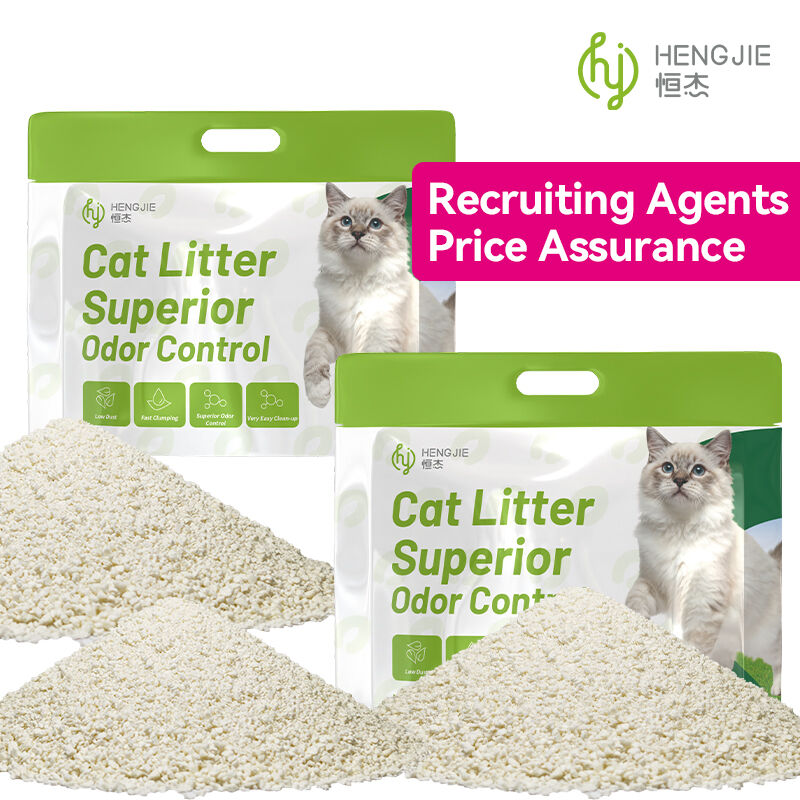
Pet owners constantly seek effective solutions for managing their feline companions' bathroom needs, and mixed cat litter has emerged as a revolutionary approach to combining the best of multiple litter technologies. This innovative product merges different materials to create a superior waste management system that addresses both absorption and odor control simultaneously. Understanding how mixed cat litter works can help cat owners make informed decisions about their pet care routine while ensuring optimal hygiene and comfort for both pets and households.
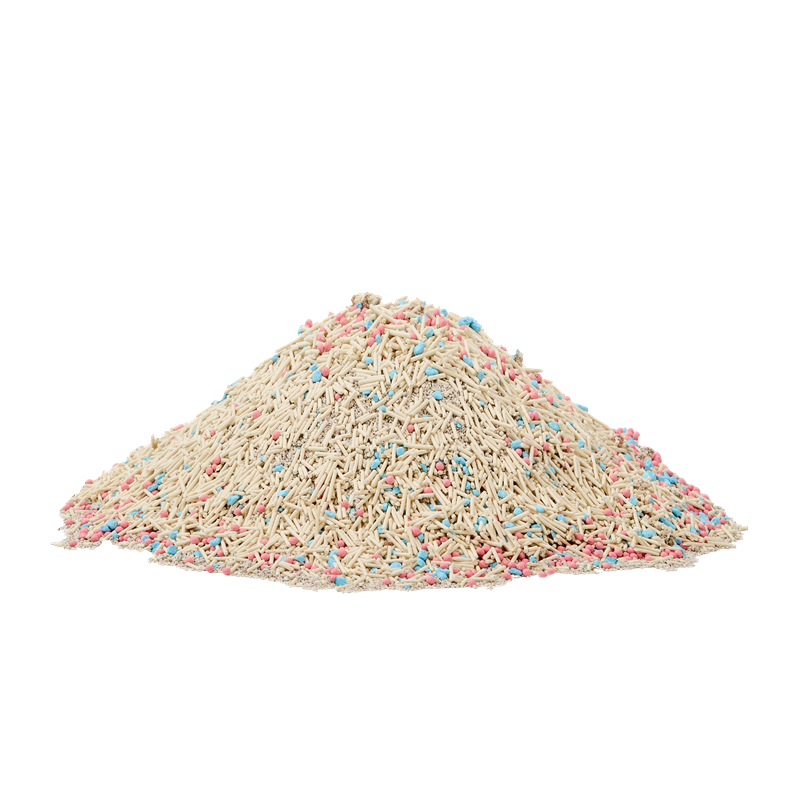
Understanding the Science Behind Mixed Cat Litter Technology
Dual-Material Composition Benefits
The foundation of mixed cat litter effectiveness lies in its carefully engineered dual-material composition that leverages the strengths of different substrates. Traditional single-material litters often excel in one area while compromising in others, but mixed formulations overcome these limitations through strategic material pairing. The most common combinations include bentonite clay with natural plant-based materials like tofu or corn, creating a synergistic effect that enhances overall performance.
Bentonite clay provides exceptional clumping ability and moisture absorption, forming tight, easy-to-remove clumps upon contact with liquid waste. Meanwhile, plant-based components contribute superior odor neutralization properties and environmental sustainability. This combination ensures that mixed cat litter delivers comprehensive waste management without the drawbacks associated with single-material alternatives.
Absorption Mechanisms in Mixed Systems
The absorption process in mixed cat litter operates through multiple mechanisms working in tandem to maximize moisture control. Clay particles immediately begin absorbing liquid waste through their natural porosity and ion exchange properties, while organic materials provide additional absorption capacity through their fibrous structure. This dual-action approach ensures rapid moisture uptake and prevents waste from spreading throughout the litter box.
Advanced mixed cat litter formulations incorporate micro-encapsulation technology that traps moisture at the molecular level, preventing bacterial growth and maintaining dry conditions. The absorption rate typically exceeds that of traditional single-material litters by up to forty percent, resulting in longer-lasting cleanliness and reduced maintenance frequency for busy pet owners.
Advanced Odor Control Features
Multi-Layer Odor Neutralization
Effective odor control in mixed cat litter stems from multiple neutralization layers that target different types of odor-causing compounds. The clay component physically traps ammonia molecules, while plant-based materials contain natural enzymes that break down organic waste compounds at the source. This comprehensive approach addresses both immediate odor concerns and long-term smell prevention.
Many premium mixed cat litter products incorporate activated carbon or zeolite minerals that provide additional odor absorption capacity. These materials create microscopic pockets that capture volatile organic compounds before they can escape into the surrounding environment. The result is a litter box that maintains freshness even with multiple cats or extended periods between cleanings.
Bacterial Growth Prevention
Beyond immediate odor control, mixed cat litter systems actively prevent bacterial proliferation that causes persistent odors over time. The combination of moisture-wicking properties and antimicrobial ingredients creates an environment hostile to bacterial growth while remaining safe for cats and humans. Natural antimicrobial agents derived from plant extracts provide ongoing protection without harsh chemicals.
The pH-balancing properties of mixed formulations help maintain optimal conditions that discourage bacterial multiplication. This proactive approach to odor control ensures that litter boxes remain fresh-smelling throughout the product's lifespan, reducing the need for frequent complete litter changes and providing better value for pet owners.
Performance Advantages Over Single-Material Litters
Enhanced Clumping Strength
Mixed cat litter demonstrates superior clumping performance compared to single-material alternatives through the synergistic interaction between different binding agents. Clay particles provide the primary clumping matrix, while organic fibers reinforce clump integrity and prevent crumbling during removal. This combination results in clumps that maintain their shape during scooping and transfer, reducing mess and waste.
The clumping strength of quality mixed cat litter formulations typically measures thirty to fifty percent higher than traditional clay litters, ensuring complete waste removal with minimal litter loss. This efficiency translates to better hygiene maintenance and cost savings over time, as less product is wasted during the cleaning process.
Dust Reduction Properties
One significant advantage of mixed cat litter systems is their reduced dust production during handling and pouring. The inclusion of larger organic particles helps bind fine clay dust, creating a less dusty environment that benefits both cats and owners with respiratory sensitivities. Natural binding agents in plant-based components help agglomerate dust particles before they become airborne.
Low-dust mixed cat litter formulations can reduce airborne particulates by up to seventy percent compared to traditional clay-only products. This improvement creates a healthier environment around the litter box area and makes the product more comfortable for daily use, particularly in enclosed spaces or multi-cat households where litter box maintenance occurs frequently.
Environmental and Health Considerations
Biodegradable Component Benefits
The incorporation of biodegradable materials in mixed cat litter formulations addresses growing environmental concerns while maintaining superior performance characteristics. Plant-based components naturally decompose when disposed of properly, reducing the environmental impact compared to purely mineral-based alternatives. Many mixed cat litter products achieve partial biodegradability without compromising clumping or odor control effectiveness.
Sustainable sourcing practices for organic components ensure that mixed cat litter production supports renewable resource utilization. Manufacturers increasingly focus on using agricultural byproducts and sustainably harvested materials, creating products that align with environmentally conscious consumer preferences while delivering superior performance.
Safety Profile for Cats and Households
Mixed cat litter formulations prioritize safety through careful selection of non-toxic materials that pose minimal risk if accidentally ingested by curious cats. Natural plant-based components typically offer better safety profiles than synthetic alternatives, while clay materials undergo purification processes to remove potentially harmful substances. This combination creates products suitable for sensitive cats and multi-pet households.
Chemical-free odor control methods in mixed cat litter systems eliminate concerns about exposure to artificial fragrances or harsh antimicrobial agents. The natural antimicrobial properties of certain plant extracts provide effective protection without compromising air quality or creating respiratory irritation for sensitive individuals.
Selection Criteria for Optimal Results
Matching Products to Cat Preferences
Successful implementation of mixed cat litter requires understanding individual cat preferences and household requirements. Texture sensitivity varies among cats, with some preferring finer particles while others adapt better to coarser mixtures. Observing cat behavior during the transition period helps identify the most suitable mixed cat litter formulation for specific situations.
Multi-cat households may require mixed cat litter with enhanced odor control properties and faster clumping action to manage higher waste volumes effectively. Single-cat environments might prioritize dust reduction or environmental benefits, allowing for different product selection criteria based on usage patterns and personal preferences.
Maintenance Requirements and Best Practices
Proper maintenance techniques maximize the effectiveness of mixed cat litter systems and extend product lifespan. Daily scooping removes clumped waste before it can break down and compromise odor control, while periodic stirring helps redistribute materials and maintain optimal performance. Understanding the specific maintenance requirements of different mixed formulations ensures consistent results.
Complete litter changes should occur based on usage patterns and product specifications, typically ranging from two to four weeks depending on the number of cats and litter box size. Gradual replacement strategies help cats adapt to new mixed cat litter products without experiencing stress or behavioral changes that might affect litter box usage.
FAQ
How often should mixed cat litter be completely changed
Complete litter changes for mixed cat litter typically occur every three to four weeks for single-cat households, or every two to three weeks for multi-cat environments. The frequency depends on usage patterns, litter box size, and specific product formulation. Daily scooping and weekly top-off additions can extend the time between complete changes while maintaining optimal hygiene and odor control.
Can mixed cat litter cause tracking issues
Quality mixed cat litter formulations actually reduce tracking compared to fine clay litters due to their varied particle sizes and binding properties. The combination of larger organic particles with clay materials creates less adherence to cat paws, minimizing the amount of litter carried outside the box. Proper litter mat placement further reduces any residual tracking concerns.
Is mixed cat litter suitable for automatic litter boxes
Many mixed cat litter products work well with automatic litter boxes, particularly those designed with strong clumping properties that won't break apart during mechanical scooping. However, compatibility varies by specific product formulation and automatic system design. Consult manufacturer recommendations for both the litter and automatic box to ensure optimal performance and prevent mechanical issues.
What makes mixed cat litter more expensive than traditional options
Mixed cat litter typically costs more than single-material alternatives due to the complexity of sourcing and combining multiple raw materials, advanced manufacturing processes, and enhanced performance characteristics. However, the superior absorption, odor control, and longevity often provide better value per use, offsetting the higher initial purchase price through extended product lifespan and improved effectiveness.