

 EN
EN
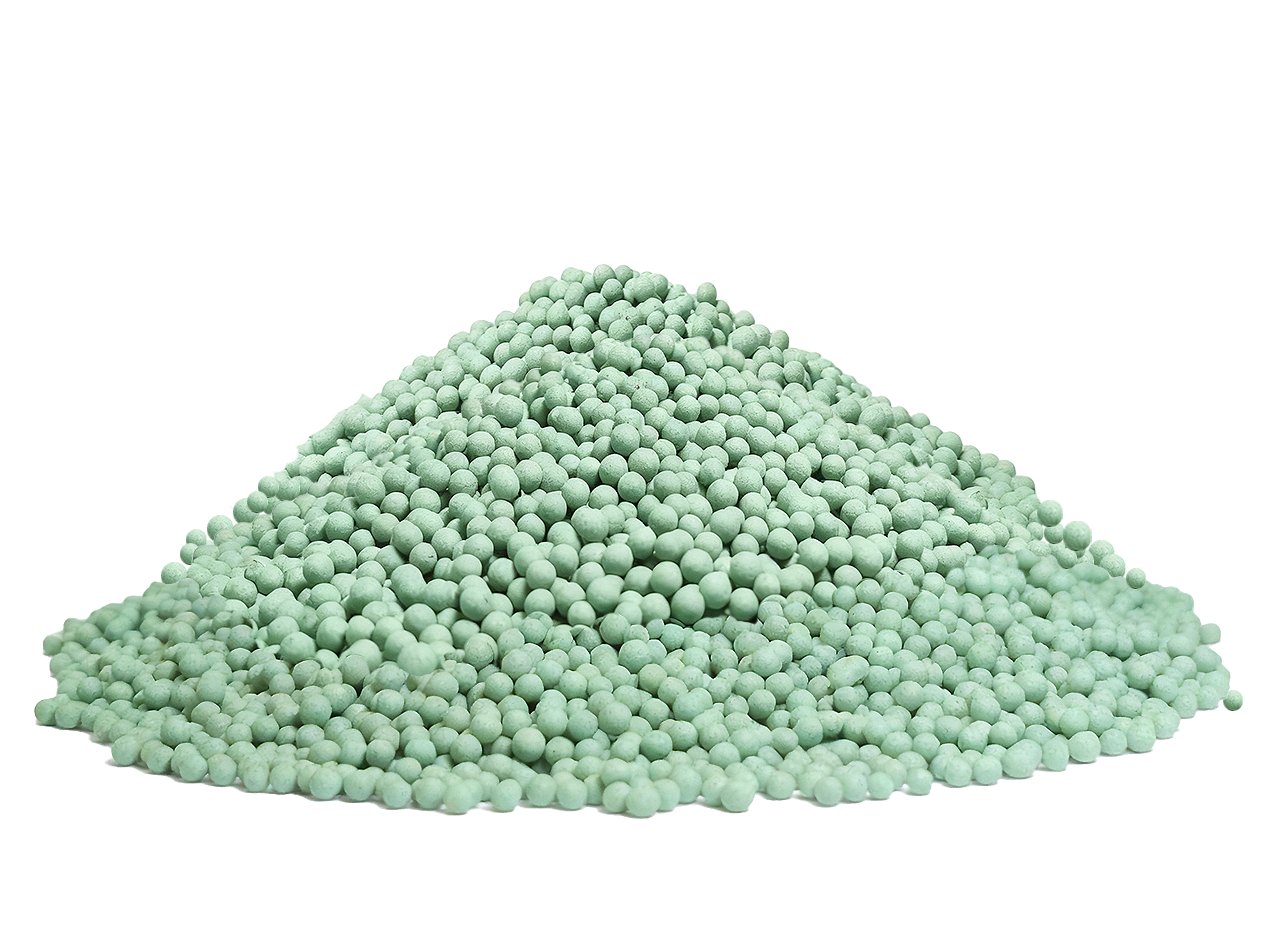
Pet owners constantly seek effective solutions for managing litter box odors while maintaining a healthy environment for their cats. Among the various cat litter options available today, zeolite cat litter stands out as a revolutionary natural mineral-based solution that offers exceptional odor control and absorption capabilities. This innovative litter type harnesses the unique properties of volcanic zeolite minerals to create an environment that effectively traps and neutralizes unpleasant odors, making it an ideal choice for discerning cat owners who prioritize both cleanliness and their pet's comfort.
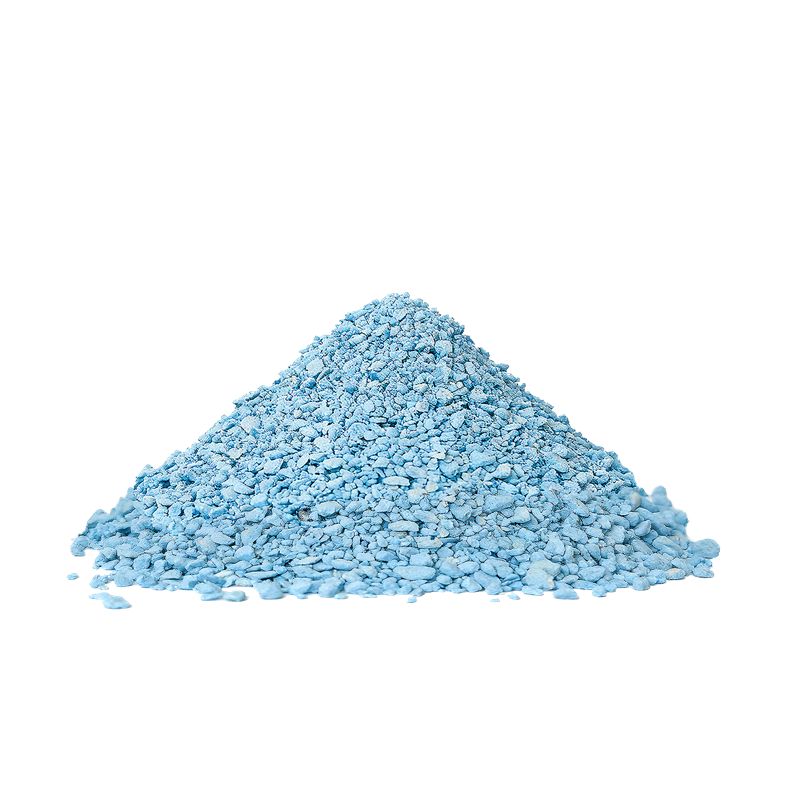
Understanding Zeolite Mineral Properties
Natural Formation and Composition
Zeolite minerals form naturally through volcanic activity over millions of years, creating a crystalline structure with microscopic pores and channels. These naturally occurring aluminosilicate minerals possess a unique framework that includes aluminum, silicon, and oxygen atoms arranged in tetrahedral formations. The resulting structure creates an extensive network of interconnected cavities and channels that measure between 3 to 10 angstroms in diameter, making them ideal for trapping various molecules and ions.
The specific gravity and porosity of zeolite minerals contribute significantly to their effectiveness in cat litter applications. Natural zeolite typically contains between 10 to 15 percent water by weight, which can be removed through heating processes to create additional absorption capacity. This dehydration process increases the available surface area within the mineral structure, enhancing its ability to capture odor-causing compounds and moisture from cat waste.
Molecular Structure and Ion Exchange
The remarkable odor-absorbing capabilities of zeolite cat litter stem from its unique molecular structure and ion exchange properties. The mineral's framework contains exchangeable cations such as sodium, potassium, and calcium, which can be replaced by ammonium ions and other odor-causing compounds through a process called cation exchange. This natural chemical process effectively removes ammonia and other volatile compounds from the litter environment, significantly reducing unpleasant odors.
Additionally, the selective adsorption properties of zeolite allow it to preferentially attract and retain specific molecules based on their size and charge characteristics. This selectivity ensures that odor-causing compounds are efficiently captured while allowing beneficial airflow to continue through the litter bed. The molecular sieving effect of zeolite creates a highly effective filtration system that continuously works to maintain a fresh and odor-free litter box environment.
Odor Absorption Mechanisms
Ammonia Neutralization Process
One of the primary odor concerns in cat litter boxes is ammonia production from urea breakdown in cat urine. Zeolite cat litter addresses this challenge through its exceptional ammonia absorption and neutralization capabilities. The mineral's porous structure and high cation exchange capacity allow it to effectively capture ammonia molecules before they can escape into the surrounding air, preventing the characteristic sharp odor associated with dirty litter boxes.
The ammonia neutralization process occurs through both physical adsorption and chemical ion exchange mechanisms. Physical adsorption involves the trapping of ammonia molecules within the zeolite's microscopic pores, while ion exchange replaces the mineral's natural cations with ammonium ions. This dual-action approach ensures comprehensive ammonia control, maintaining a pleasant environment for both cats and their owners throughout the litter's usage period.
Moisture Management and Bacterial Control
Effective moisture management plays a crucial role in odor control, as excess moisture creates ideal conditions for bacterial growth and decomposition processes that generate unpleasant odors. Zeolite cat litter excels in moisture absorption due to its high porosity and hydrophilic properties, quickly wicking away liquid waste and maintaining optimal moisture levels within the litter bed.
The rapid moisture absorption capabilities of zeolite also help inhibit bacterial proliferation by creating a drier environment that is less conducive to microbial growth. This bacterial control mechanism works synergistically with the mineral's odor absorption properties to provide comprehensive odor management. The combination of moisture control and bacterial inhibition ensures that zeolite cat litter maintains its effectiveness over extended periods, reducing the frequency of complete litter changes required.
Comparative Advantages Over Traditional Litters
Performance Comparison with Clay-Based Litters
Traditional clay-based litters, particularly those made from bentonite clay, have long been popular choices among cat owners. However, zeolite cat litter offers several distinct advantages in terms of odor control and absorption efficiency. While clay litters primarily rely on physical absorption and clumping action, zeolite provides both physical and chemical odor control mechanisms, resulting in superior long-term performance.
The pore structure of zeolite minerals is significantly more extensive than that of clay materials, providing greater surface area for odor absorption and moisture management. This increased surface area translates to enhanced absorption capacity per unit weight, making zeolite cat litter more efficient and cost-effective over time. Additionally, the chemical stability of zeolite ensures consistent performance throughout its usage period, whereas clay litters may experience reduced effectiveness as they become saturated with waste products.
Environmental Benefits and Sustainability
Environmental consciousness has become increasingly important to many pet owners, making the sustainability aspects of zeolite cat litter particularly appealing. As a naturally occurring mineral, zeolite requires minimal processing compared to synthetic alternatives, reducing the environmental impact associated with its production. The mining and processing of zeolite generates fewer harmful emissions and requires less energy than the production of many traditional cat litter materials.
Furthermore, used zeolite cat litter can often be composted or used as a soil amendment after appropriate treatment, contributing to its overall environmental friendliness. The mineral's natural properties make it biodegradable under proper conditions, unlike some synthetic litter alternatives that may persist in landfills for extended periods. This sustainability advantage, combined with its superior performance characteristics, makes zeolite an attractive option for environmentally conscious pet owners.
Health and Safety Considerations
Dust Levels and Respiratory Impact
Dust generation is a significant concern for many cat litter types, particularly for cats and owners with respiratory sensitivities or allergies. Zeolite cat litter typically produces minimal dust compared to many clay-based alternatives, thanks to its crystalline structure and processing methods. The low dust characteristics of quality zeolite litters help maintain better air quality in the home environment and reduce potential respiratory irritation for both pets and humans.
The reduced dust levels associated with zeolite cat litter also contribute to easier maintenance and cleanup procedures. Less airborne dust means reduced settling on nearby surfaces and furniture, minimizing the need for frequent cleaning around the litter box area. This characteristic is particularly beneficial for households with multiple cats or in situations where the litter box is located in living areas with regular human activity.
Chemical Safety and Non-Toxicity
Safety considerations are paramount when selecting cat litter, especially given that cats may occasionally ingest small amounts during grooming activities. Zeolite cat litter offers excellent safety profiles due to its natural mineral composition and lack of harmful chemical additives. The mineral is generally recognized as safe and non-toxic, making it suitable for use around pets and children.
Unlike some synthetic litters that may contain artificial fragrances, chemical clumping agents, or other potentially harmful substances, zeolite cat litter relies on natural mineral properties for its effectiveness. This natural approach eliminates concerns about chemical exposure or adverse reactions that might occur with more heavily processed litter alternatives. The inherent safety of zeolite makes it particularly suitable for households with young kittens, senior cats, or pets with known sensitivities to chemical products.
Practical Usage Guidelines
Optimal Depth and Replacement Schedule
Achieving maximum effectiveness from zeolite cat litter requires proper usage techniques and maintenance schedules. The optimal depth for zeolite cat litter typically ranges from 2 to 3 inches, providing sufficient material for adequate absorption while allowing for proper waste burial behavior. This depth ensures that liquid waste can be effectively absorbed and contained within the litter bed without reaching the bottom of the litter box.
Replacement schedules for zeolite cat litter may differ from traditional litters due to its superior absorption and odor control properties. While clay litters often require complete replacement every week or two, zeolite cat litter may maintain effectiveness for longer periods with proper maintenance. Regular removal of solid waste and occasional stirring of the litter bed help maximize the useful life of zeolite, potentially extending replacement intervals to two to three weeks depending on usage intensity and the number of cats using the box.
Transitioning from Other Litter Types
When introducing zeolite cat litter to cats accustomed to other litter types, a gradual transition approach typically yields the best results. Beginning with a mixture of approximately 25 percent zeolite cat litter and 75 percent of the previous litter allows cats to become familiar with the new texture and properties while maintaining their comfort level. Over the course of a week to ten days, the proportion of zeolite can be gradually increased until the transition is complete.
Some cats may initially show hesitancy when encountering zeolite cat litter due to differences in texture, color, or scent compared to their previous litter. Patience during the transition period, combined with positive reinforcement and maintaining clean litter box conditions, typically results in successful acceptance. The superior odor control and natural properties of zeolite often lead to improved litter box habits once cats become accustomed to the new material.
Cost-Effectiveness and Value Analysis
Initial Investment Versus Long-Term Savings
While zeolite cat litter may have a higher initial purchase price compared to some traditional options, its superior absorption capacity and longevity often result in better long-term value. The extended effectiveness of zeolite means that less frequent complete litter changes are required, potentially offsetting the higher upfront cost through reduced consumption over time.
The cost-effectiveness of zeolite cat litter becomes particularly apparent in multi-cat households where odor control is especially challenging. The mineral's ability to handle increased waste loads while maintaining effectiveness can result in significant savings compared to using larger quantities of less effective alternatives. Additionally, the reduced need for air fresheners or other odor control products around the litter box area contributes to overall household savings.
Quality Variations and Selection Criteria
Not all zeolite cat litters are created equal, with significant variations in quality, processing methods, and effectiveness among different products and manufacturers. High-quality zeolite cat litter typically undergoes proper sizing and processing to optimize its absorption and odor control properties while minimizing dust generation. Premium products often feature consistent particle sizes and may include additional processing steps to enhance performance characteristics.
When selecting zeolite cat litter, factors such as particle size distribution, dust levels, packaging quality, and manufacturer reputation should be considered alongside price. Products that specify the type and purity of zeolite used, along with details about processing methods, generally indicate higher quality standards. Reading customer reviews and seeking recommendations from veterinarians or experienced cat owners can provide valuable insights into the real-world performance of different zeolite cat litter options.
FAQ
How often should zeolite cat litter be completely replaced
The replacement frequency for zeolite cat litter depends on several factors including the number of cats, litter box size, and individual usage patterns. Generally, zeolite cat litter can be completely replaced every 2-3 weeks for single-cat households, with daily removal of solid waste and weekly stirring to redistribute the material. Multi-cat households may require more frequent complete changes, typically every 1-2 weeks, to maintain optimal odor control and hygiene standards.
Can zeolite cat litter be flushed down the toilet
Zeolite cat litter should not be flushed down toilets as it can cause plumbing blockages and may not be processed effectively by wastewater treatment systems. The mineral particles can accumulate in pipes and create clogs over time. Instead, used zeolite cat litter should be disposed of in regular household waste or composted in appropriate facilities that can handle pet waste materials safely.
Is zeolite cat litter safe for kittens and pregnant cats
Zeolite cat litter is generally considered safe for kittens and pregnant cats due to its natural mineral composition and lack of harmful chemical additives. However, very young kittens under 8 weeks old should be monitored when using any type of litter to prevent ingestion of large quantities. The low dust characteristics and non-toxic nature of quality zeolite products make them suitable choices for sensitive cats and households with pregnant or nursing females.
Does zeolite cat litter require any special storage conditions
Zeolite cat litter should be stored in a dry location away from excessive moisture to maintain its absorption properties. While the mineral is naturally stable, exposure to high humidity or water can reduce its effectiveness by pre-saturating the porous structure. Storing zeolite cat litter in its original packaging or in airtight containers in cool, dry areas such as closets or pantries helps preserve its performance characteristics until use.