

 EN
EN
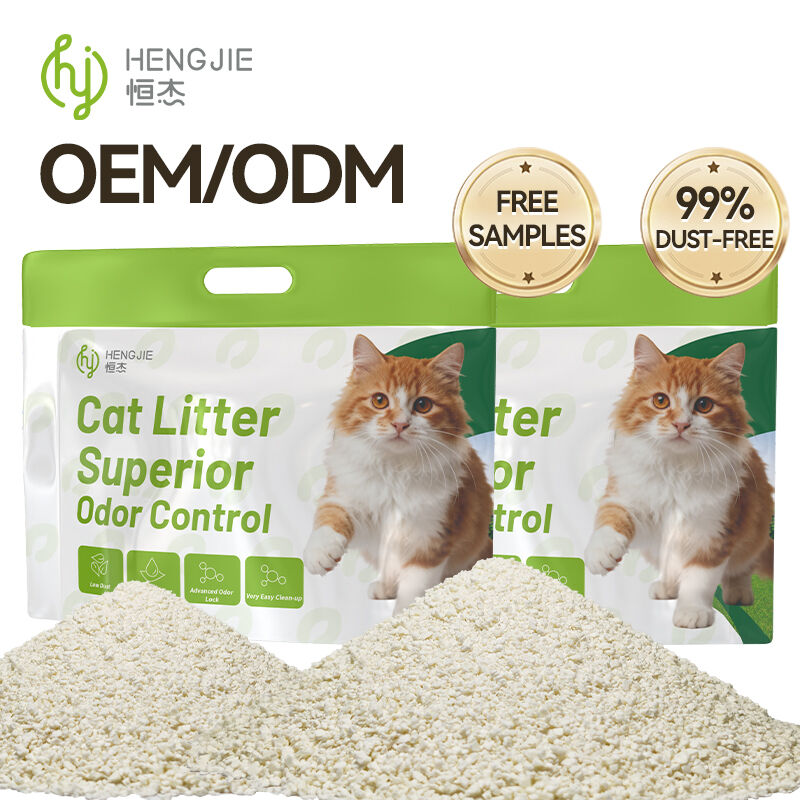
Cat owners today face an overwhelming array of litter options, each promising superior odor control, easy cleanup, and environmental sustainability. Among these choices, cassava cat litter has emerged as a compelling natural alternative that challenges traditional clay-based and synthetic options. This innovative plant-based solution offers unique advantages that deserve serious consideration for pet owners seeking effective, eco-friendly waste management solutions for their feline companions.
Understanding the Composition and Manufacturing Process
What Makes Cassava Cat Litter Different
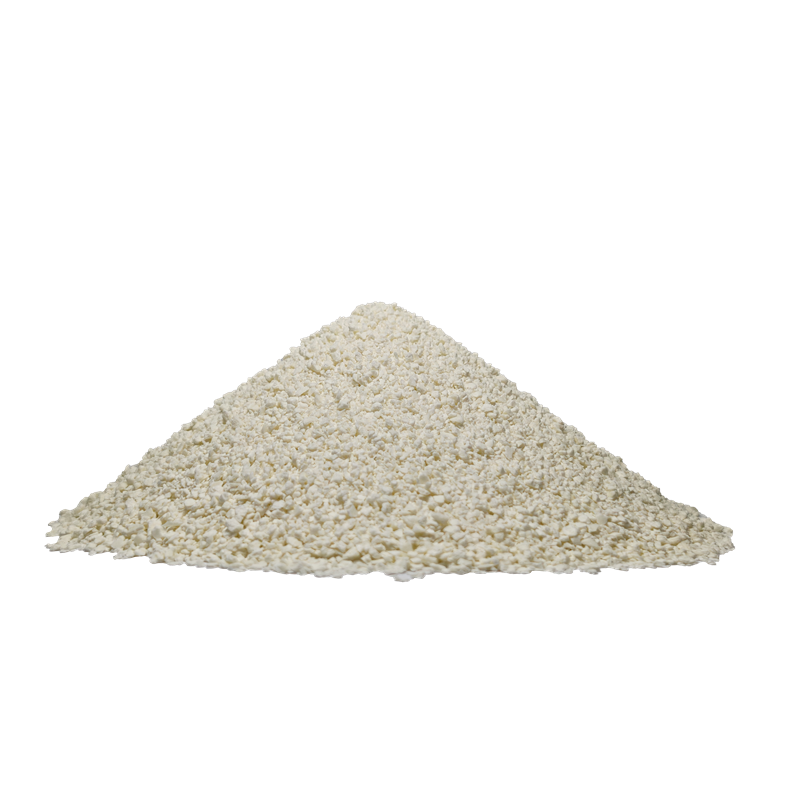
Cassava cat litter represents a revolutionary approach to pet waste management, derived from the cassava root, also known as tapioca or yuca. This tropical plant produces starch-rich tubers that undergo specialized processing to create highly absorbent granules. The manufacturing process involves extracting natural starches and converting them into lightweight, biodegradable pellets that maintain structural integrity while providing exceptional moisture absorption capabilities.
The production methodology ensures that cassava cat litter retains its natural properties without requiring harmful chemical additives or synthetic binding agents. This results in a product that naturally clumps when exposed to moisture, forming solid masses that facilitate easy removal during routine cleaning. The inherent characteristics of cassava starch create a litter material that expands upon contact with liquids, effectively trapping odors and preventing bacterial growth.
Natural Properties and Performance Characteristics
The molecular structure of cassava-based litter provides superior absorption rates compared to many conventional alternatives. When moisture contacts the granules, they expand to several times their original size while maintaining cohesion, creating firm clumps that resist breaking apart during scooping. This natural clumping action occurs without synthetic polymers or chemical binding agents, relying instead on the inherent properties of processed cassava starch.
Temperature stability represents another significant advantage of cassava cat litter, as the material maintains consistent performance across various environmental conditions. Unlike some organic alternatives that may degrade rapidly in humid conditions, cassava-based products demonstrate remarkable resilience while preserving their structural integrity and absorption capabilities throughout extended storage periods.
Comparison with Clay-Based Litter Systems
Bentonite Clay versus Cassava Performance
Traditional bentonite clay litters have dominated the market for decades due to their proven clumping abilities and widespread availability. However, when directly compared to cassava cat litter, several distinct differences emerge that impact both performance and environmental considerations. Bentonite clay forms extremely hard clumps that sometimes prove difficult to break apart during cleaning, potentially leading to waste buildup and incomplete removal.
The weight differential between these materials significantly affects daily maintenance routines. Cassava-based products typically weigh substantially less than clay alternatives, reducing the physical strain associated with carrying, pouring, and disposing of used litter. This characteristic proves particularly beneficial for elderly cat owners or those with mobility limitations who struggle with heavy clay products.
Dust Generation and Respiratory Health Impacts
One of the most significant advantages of cassava cat litter becomes apparent during pouring and maintenance activities. Clay-based products often generate substantial dust clouds that can irritate respiratory systems in both cats and their owners. Cassava alternatives produce minimal dust due to their organic composition and processing methods, creating a healthier environment for sensitive individuals or cats with respiratory conditions.
The dust reduction benefits extend beyond immediate comfort considerations, contributing to improved long-term air quality in homes where litter boxes are frequently maintained. This characteristic proves especially valuable in smaller living spaces where dust particles can accumulate and circulate through ventilation systems, potentially affecting household air quality over extended periods.
Environmental Impact and Sustainability Considerations
Biodegradability and Waste Management
Environmental consciousness drives many pet owners toward sustainable alternatives, making cassava cat litter an attractive option for eco-minded households. Unlike clay mining operations that strip topsoil and disrupt natural landscapes, cassava cultivation actually improves soil conditions while requiring minimal water and chemical inputs. The renewable nature of cassava crops ensures consistent availability without depleting finite natural resources.
The biodegradation timeline for cassava cat litter spans weeks rather than decades, allowing used material to decompose naturally in appropriate composting environments. This characteristic significantly reduces landfill burden while providing potential soil amendment benefits when properly processed according to local composting guidelines and regulations.
Carbon Footprint and Manufacturing Impact
The production cycle for cassava cat litter generates considerably lower carbon emissions compared to clay extraction and processing operations. Cassava plants actively absorb atmospheric carbon dioxide during growth, partially offsetting manufacturing emissions and transportation impacts. This carbon-neutral approach aligns with growing consumer preferences for environmentally responsible pet care products.
Transportation efficiency represents another environmental advantage, as the lightweight nature of cassava cat litter reduces fuel consumption during shipping and distribution. Multiple units can be transported using the same energy expenditure required for heavier clay alternatives, improving overall supply chain sustainability while reducing consumer costs associated with shipping and handling.
Performance Analysis Against Synthetic Alternatives
Silica Gel Crystal Comparisons
Silica gel crystals offer excellent absorption capabilities and extended usage periods, making them popular among busy cat owners seeking low-maintenance solutions. However, cassava cat litter provides comparable absorption performance while offering superior safety profiles for households with curious cats or small children. The non-toxic nature of cassava eliminates concerns about accidental ingestion, unlike silica crystals that can pose health risks if consumed.
The texture differences between these materials affect cat acceptance rates, with cassava cat litter providing a more natural feel that closely resembles traditional litter experiences. Many cats demonstrate immediate acceptance of cassava-based products, whereas some felines require adjustment periods when transitioning to synthetic crystal alternatives that feel substantially different underfoot.
Synthetic Polymer and Chemical Additive Concerns
Modern synthetic litters incorporate various chemical additives designed to enhance odor control and clumping performance. While effective, these formulations raise concerns about long-term exposure effects for both cats and their owners. Cassava cat litter achieves comparable results through natural processes, eliminating exposure to potentially harmful synthetic compounds while maintaining excellent performance standards.
The absence of artificial fragrances and chemical odor suppressants in cassava cat litter appeals to cats with sensitive systems or allergic reactions to synthetic additives. Natural odor control occurs through moisture absorption and bacterial growth inhibition, providing effective results without overwhelming artificial scents that may discourage litter box usage.
Cost Analysis and Economic Considerations
Initial Investment and Long-Term Value
While cassava cat litter may command higher initial purchase prices compared to basic clay alternatives, the superior absorption efficiency often results in reduced consumption rates and extended replacement intervals. The lightweight nature also reduces shipping costs, making bulk purchases more economically feasible for multi-cat households or cost-conscious consumers.
Economic benefits extend beyond direct purchase comparisons when factoring in reduced waste disposal costs and potential plumbing savings. The flushable nature of cassava cat litter in appropriate municipal systems eliminates trash bag requirements and reduces waste management expenses, though local regulations should always be consulted before disposing of any litter material through plumbing systems.
Multi-Cat Household Economics
Large households with multiple cats often find cassava cat litter provides exceptional value due to its superior absorption capabilities and extended effectiveness periods. The natural clumping action maintains separation between waste deposits, preventing cross-contamination and reducing the frequency of complete litter box changes required in busy multi-cat environments.
Bulk purchasing options for cassava cat litter often provide significant per-unit savings, making this premium alternative more accessible for households managing multiple litter boxes. The extended shelf life and storage stability of cassava-based products support bulk buying strategies without concerns about product degradation or effectiveness loss over time.
Health and Safety Profiles
Cat Health and Behavioral Acceptance
Veterinary professionals increasingly recognize the importance of litter material safety, particularly for cats with sensitive respiratory systems or allergic predispositions. Cassava cat litter generates minimal particulate matter and contains no synthetic fragrances or chemical irritants that might trigger adverse reactions in sensitive felines. The natural composition eliminates concerns about ingestion toxicity, providing peace of mind for owners of cats that exhibit litter-eating behaviors.
The soft texture and natural feel of cassava cat litter encourage normal scratching and burying behaviors, supporting natural feline instincts while providing comfortable paw contact. Many cats demonstrate immediate acceptance of cassava-based products, reducing the stress and adjustment periods often associated with litter transitions.
Human Health and Household Safety
Household members with respiratory sensitivities or chemical allergies often find cassava cat litter provides significant relief compared to traditional alternatives. The absence of synthetic fragrances, chemical binding agents, and dust-generating particles creates a healthier indoor environment while maintaining effective odor control and waste management capabilities.
Child safety considerations make cassava cat litter particularly appealing for families with young children who might encounter litter materials during play or exploration. The non-toxic composition eliminates serious health concerns associated with accidental ingestion, though proper storage and hygiene practices should always be maintained regardless of litter type selection.
FAQ
How does cassava cat litter compare to traditional clay litter in terms of odor control
Cassava cat litter provides excellent odor control through natural absorption and bacterial growth inhibition, often matching or exceeding the performance of traditional clay alternatives. The natural starches in cassava effectively trap moisture and odors without requiring synthetic additives or chemical fragrances. Many users report superior long-term odor management compared to bentonite clay, particularly in multi-cat households where waste accumulation occurs rapidly.
Is cassava cat litter safe for cats with sensitive stomachs or allergies
Yes, cassava cat litter is generally considered safe for cats with sensitivities due to its natural, non-toxic composition. The absence of synthetic fragrances, chemical binding agents, and dust-generating particles makes it suitable for cats with respiratory issues or chemical sensitivities. However, as with any dietary or environmental change, pet owners should monitor their cats during the transition period and consult veterinarians if any adverse reactions occur.
Can cassava cat litter be disposed of through regular waste management systems
Cassava cat litter offers more disposal flexibility than traditional clay alternatives due to its biodegradable nature. In many areas, small amounts can be composted according to local guidelines, though pet waste should generally be excluded from compost used for food production. Some municipal systems allow flushable disposal in limited quantities, but local regulations should always be verified before using plumbing disposal methods for any litter material.
How much cassava cat litter should be used compared to other litter types
Due to its superior absorption capabilities, cassava cat litter typically requires less volume than traditional clay alternatives to achieve comparable performance. Most manufacturers recommend starting with a 2-3 inch depth in the litter box, adjusting based on individual cat preferences and household usage patterns. The efficient clumping action means that spot cleaning removes more waste material per scoop, potentially extending the time between complete litter box changes.
Table of Contents
- Understanding the Composition and Manufacturing Process
- Comparison with Clay-Based Litter Systems
- Environmental Impact and Sustainability Considerations
- Performance Analysis Against Synthetic Alternatives
- Cost Analysis and Economic Considerations
- Health and Safety Profiles
-
FAQ
- How does cassava cat litter compare to traditional clay litter in terms of odor control
- Is cassava cat litter safe for cats with sensitive stomachs or allergies
- Can cassava cat litter be disposed of through regular waste management systems
- How much cassava cat litter should be used compared to other litter types