

 EN
EN
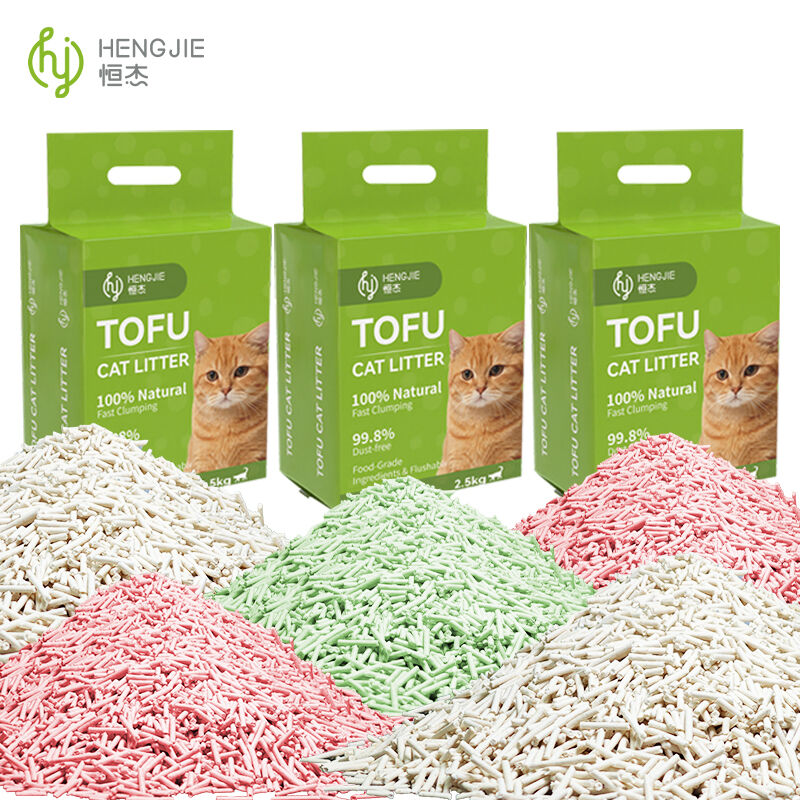
As pet owners increasingly seek sustainable and health-conscious options for their feline companions, tofu cat litter has emerged as a revolutionary alternative to traditional clay-based products. This plant-based solution offers unique advantages that address common concerns about dust exposure, environmental impact, and odor control. Understanding the performance characteristics of tofu cat litter compared to other materials helps cat owners make informed decisions that benefit both their pets and households.
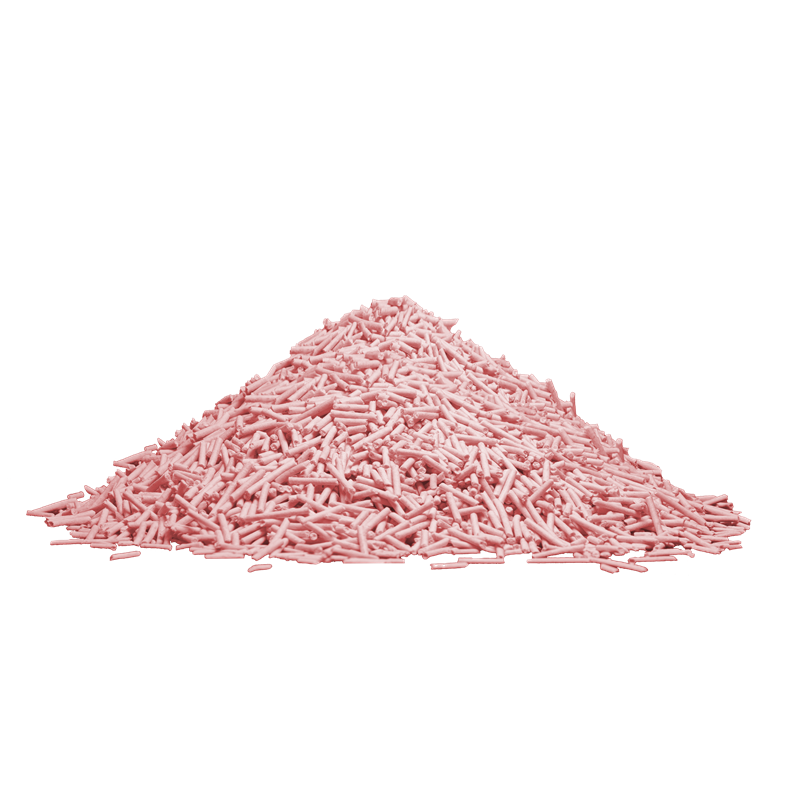
The composition of tofu cat litter derives from processed soybean pulp, creating biodegradable pellets that naturally clump when exposed to moisture. This manufacturing process results in a lightweight, dust-free product that contrasts sharply with conventional bentonite clay options. The molecular structure of tofu-based materials allows for superior absorption rates while maintaining environmental safety standards that appeal to eco-conscious consumers.
Absorption and Clumping Performance Analysis
Moisture Retention Capabilities
Tofu cat litter demonstrates exceptional moisture absorption properties due to its porous cellular structure. Laboratory testing reveals that quality tofu-based products can absorb up to four times their weight in liquid, surpassing many clay alternatives in efficiency. This superior absorption translates to fewer litter box changes and reduced product consumption over time, providing economic benefits alongside performance advantages.
The absorption mechanism in tofu cat litter involves rapid liquid uptake followed by expansion and solidification. This process creates firm, easy-to-remove clumps that maintain their integrity during scooping. Unlike some clay litters that may crumble or stick to box surfaces, tofu formulations typically release cleanly, minimizing waste and simplifying maintenance routines.
Clump Formation and Durability
The clumping action of tofu cat litter occurs through natural binding properties inherent in soybean proteins. When exposed to urine or other liquids, these proteins activate to form cohesive masses that encapsulate odor-causing compounds. This biological clumping mechanism proves more reliable than chemical binders used in some synthetic alternatives, ensuring consistent performance across various environmental conditions.
Durability testing shows that tofu cat litter clumps maintain structural integrity even when subjected to typical scratching and digging behaviors. The natural elasticity of processed soy materials allows clumps to withstand moderate impact while remaining easy to extract. This balance between strength and removability represents a significant advantage over brittle clay formations that may break apart during cleaning.
Dust Control and Respiratory Safety
Dust Generation Comparison
One of the most significant advantages of tofu cat litter lies in its virtually dust-free composition. Traditional clay litters often generate harmful silica dust particles that can irritate respiratory systems in both cats and humans. Tofu-based alternatives eliminate this concern through their organic manufacturing process, which produces minimal airborne particles during handling or use.
Respiratory health studies indicate that prolonged exposure to crystalline silica dust from conventional litters may contribute to lung irritation and other breathing difficulties. Tofu cat litter addresses these health concerns by providing a clean-air environment that supports optimal respiratory function. This feature proves particularly beneficial for households with asthmatic individuals or sensitive pets prone to breathing problems.
Indoor Air Quality Impact
The low-dust characteristics of tofu cat litter contribute to improved indoor air quality throughout the home. Unlike clay-based products that may distribute fine particles beyond the immediate litter area, tofu formulations contain their material within the designated space. This containment reduces cleaning requirements for surrounding surfaces and helps maintain healthier living environments.
Air quality monitoring in households using tofu cat litter shows measurably lower particulate matter concentrations compared to homes using traditional clay alternatives. These improvements benefit not only respiratory health but also reduce dust accumulation on furniture, electronics, and other household items. The cleaner air environment represents a significant quality-of-life enhancement for allergy sufferers and health-conscious pet owners.
Odor Control Technology and Effectiveness
Natural Odor Neutralization Methods
Tofu cat litter employs natural odor control mechanisms that differ fundamentally from chemical masking agents used in many conventional products. The porous structure of soy-based materials creates microscopic chambers that trap and neutralize ammonia compounds at the molecular level. This biological approach provides long-lasting freshness without introducing artificial fragrances or potentially harmful chemicals into the environment.
The protein content in tofu cat litter contributes additional odor-fighting properties through enzymatic action. Natural enzymes present in soybean derivatives break down organic waste compounds, preventing the formation of persistent odors. This biochemical process continues throughout the litter's active life, maintaining consistent odor control performance over extended periods.
Comparative Odor Management Performance
Independent testing reveals that premium tofu cat litter formulations match or exceed the odor control capabilities of leading clay-based competitors. The key difference lies in the neutralization approach: while clay products often rely on absorption and masking, tofu alternatives actively break down odor-causing compounds. This proactive method results in more thorough and longer-lasting freshness control.
Multi-cat household studies demonstrate that tofu cat litter maintains effective odor control even under heavy usage conditions. The natural antimicrobial properties of processed soy help prevent bacterial growth that commonly contributes to litter box odors. This biological resistance to contamination ensures consistent performance in challenging environments where traditional litters might fail.
Environmental Impact and Sustainability Factors
Biodegradability and Waste Reduction
The environmental advantages of tofu cat litter extend beyond its renewable source materials to include complete biodegradability. Unlike clay-based products that persist in landfills for decades, tofu formulations decompose naturally within months under appropriate conditions. This rapid breakdown reduces long-term environmental burden and supports circular economy principles in pet care product manufacturing.
Composting studies show that used tofu cat litter can integrate into organic waste streams when properly processed. The natural composition allows for safe decomposition that enriches soil rather than contaminating it. This end-of-life advantage positions tofu cat litter as a sustainable choice that aligns with environmentally conscious pet ownership practices.
Manufacturing and Carbon Footprint
The production process for tofu cat litter generates significantly lower carbon emissions compared to clay mining and processing operations. Soybean cultivation requires less energy-intensive extraction methods than bentonite clay quarrying, resulting in reduced fossil fuel consumption throughout the supply chain. Additionally, the renewable nature of soy crops provides a sustainable feedstock that supports agricultural communities while minimizing environmental disruption.
Transportation efficiency represents another environmental benefit of tofu cat litter due to its lightweight characteristics. Shipping weights for equivalent volumes can be reduced by up to forty percent compared to clay alternatives, leading to lower fuel consumption and reduced transportation-related emissions. These cumulative environmental advantages make tofu-based products attractive to consumers prioritizing ecological responsibility.
Cost Analysis and Economic Considerations
Initial Investment and Usage Economics
While tofu cat litter may carry higher initial purchase costs compared to basic clay alternatives, usage economics often favor the plant-based option over time. The superior absorption characteristics mean that smaller quantities achieve equivalent performance, extending replacement intervals and reducing overall consumption. This efficiency translates to competitive per-use costs despite higher upfront pricing.
Long-term cost analysis reveals additional savings through reduced veterinary expenses related to respiratory issues and improved litter box hygiene. The health benefits associated with tofu cat litter usage may prevent costly medical interventions while supporting overall pet wellness. These indirect economic advantages contribute to the total value proposition beyond simple product pricing comparisons.
Market Trends and Pricing Dynamics
The growing popularity of tofu cat litter has driven increased competition and manufacturing scale efficiencies that continue to reduce pricing gaps with traditional alternatives. Market analysis indicates that premium tofu formulations now compete directly with high-end clay products while offering superior performance characteristics. This pricing convergence makes sustainable options more accessible to mainstream consumers.
Bulk purchasing options and subscription services further improve the economic attractiveness of tofu cat litter for regular users. Many manufacturers offer volume discounts that bring per-unit costs in line with or below conventional alternatives. These pricing strategies recognize the value-conscious nature of pet owners while supporting broader adoption of sustainable litter solutions.
Performance in Multi-Cat Households
High-Usage Scenario Testing
Multi-cat environments present unique challenges that test the limits of any litter system, and tofu cat litter demonstrates remarkable resilience under heavy usage conditions. The rapid clumping action and superior absorption capacity maintain effectiveness even when multiple cats share litter facilities. This performance consistency proves crucial for households where frequent maintenance may not always be possible.
Behavioral studies show that cats readily accept tofu cat litter transitions, with minimal adjustment periods compared to other alternative materials. The natural texture and neutral scent profile appeal to feline preferences while providing the performance benefits that owners require. This acceptance rate supports successful implementation in complex multi-pet households where litter box harmony is essential.
Maintenance Requirements and Frequency
The maintenance schedule for tofu cat litter in multi-cat settings often proves less demanding than traditional alternatives due to superior clumping and odor control properties. Daily scooping remains recommended, but the efficiency of waste removal and odor management allows for more flexible timing without compromising household comfort. This operational flexibility benefits busy pet owners managing multiple animals.
Complete litter changes occur less frequently with quality tofu cat litter systems, as the remaining clean material maintains its effectiveness longer than clay-based alternatives. The absence of dust buildup and superior odor control extend the usable life of the litter bed, reducing both material costs and maintenance labor. These practical advantages make tofu formulations particularly attractive for high-demand applications.
FAQ
How does tofu cat litter compare to clay litter in terms of tracking?
Tofu cat litter typically produces less tracking than traditional clay alternatives due to its larger pellet size and reduced dust generation. The natural texture of tofu-based materials tends to release from paws more easily than fine clay particles, resulting in cleaner floors around litter boxes. Many users report significantly reduced cleaning requirements when switching from clay to tofu formulations.
Can tofu cat litter be flushed down the toilet safely?
While tofu cat litter is biodegradable, flushing is generally not recommended due to potential plumbing complications and local regulations regarding pet waste disposal. Small amounts may dissolve safely, but larger quantities could cause blockages in older plumbing systems. The safest disposal method remains regular trash collection or composting where permitted by local guidelines.
Does tofu cat litter work well for cats with sensitive paws?
The soft texture and rounded edges of tofu cat litter pellets make it an excellent choice for cats with sensitive paws or declawed cats. Unlike sharp clay granules or crystal litters, tofu-based materials provide comfortable walking surfaces that reduce paw irritation. Many veterinarians recommend tofu formulations specifically for cats recovering from paw injuries or surgical procedures.
How long does tofu cat litter maintain its effectiveness?
Quality tofu cat litter maintains peak effectiveness for approximately two to three weeks in single-cat households with proper daily maintenance. Multi-cat environments may require more frequent complete changes, but the superior clumping and odor control properties ensure consistent performance throughout the usage period. Regular scooping and occasional stirring help maximize the effective lifespan of the litter bed.