

 EN
EN
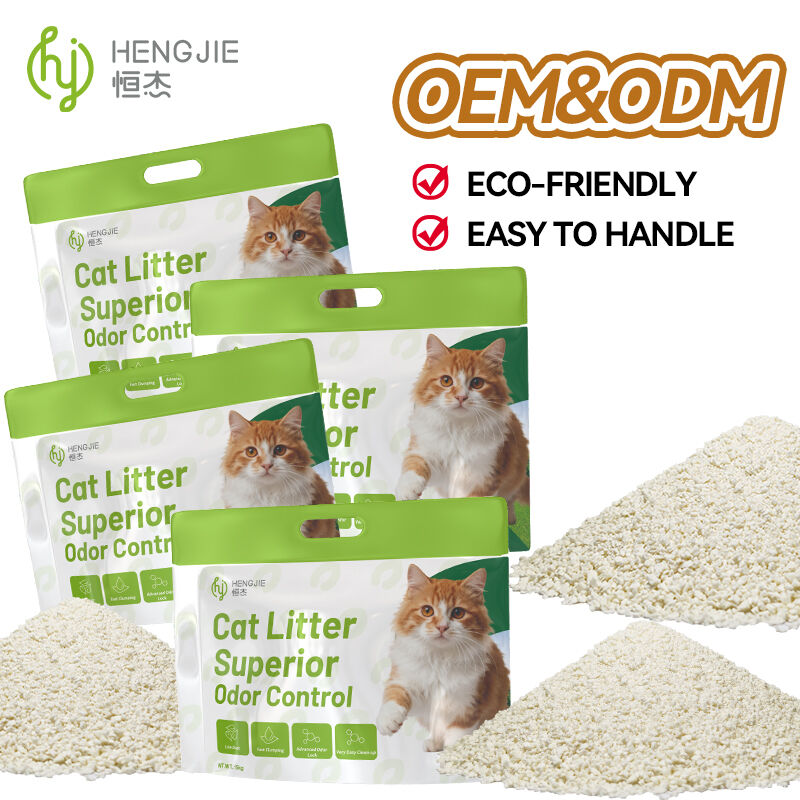
Cat owners constantly seek innovative solutions to manage litter box maintenance more effectively while ensuring their pets remain comfortable and healthy. The introduction of super absorbent polymer technology in cat litter has revolutionized pet care by offering superior moisture control and odor management capabilities. This advanced material transforms the traditional approach to feline waste management by providing enhanced absorption rates and extended usage periods between complete litter changes.
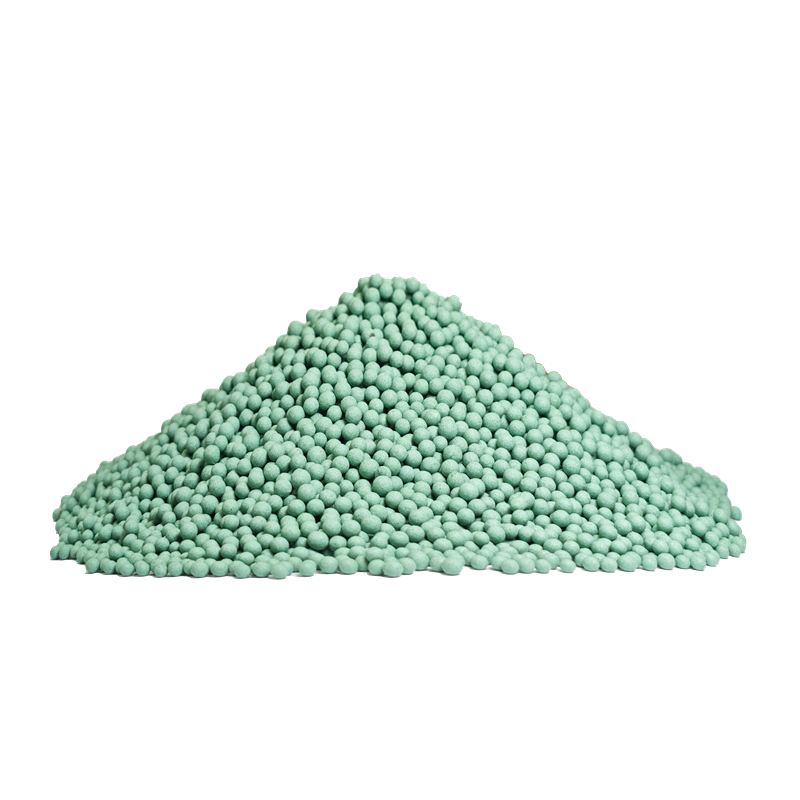
Modern pet care solutions demand materials that can handle significant moisture loads while maintaining structural integrity and preventing bacterial growth. Super absorbent polymer technology addresses these requirements through its unique molecular structure that can absorb liquid volumes many times its own weight. This characteristic makes it particularly valuable for cat litter applications where consistent performance and reliable odor control are essential for maintaining household hygiene standards.
The effectiveness of super absorbent polymer in pet care applications extends beyond simple moisture absorption to include pH control and antimicrobial properties. These additional benefits contribute to creating a healthier environment for both pets and their owners while reducing the frequency of complete litter box cleanings. Understanding how this technology works and its practical applications helps cat owners make informed decisions about their pet care routines.
Understanding Super Absorbent Polymer Technology
Chemical Composition and Structure
Super absorbent polymer consists of cross-linked polyacrylic acid chains that create a three-dimensional network capable of trapping and holding large quantities of liquid. The polymer chains contain hydrophilic groups that attract water molecules through hydrogen bonding and ionic interactions. When exposed to moisture, the polymer network expands significantly while maintaining its structural integrity, preventing the absorbed liquid from being released under normal pressure conditions.
The cross-linking density of super absorbent polymer determines its absorption capacity and gel strength characteristics. Manufacturers adjust these parameters during production to optimize performance for specific applications such as cat litter. Higher cross-linking densities result in stronger gels that resist deformation but may have slightly reduced absorption rates, while lower cross-linking creates softer gels with maximum absorption potential.
The ionic nature of super absorbent polymer allows it to selectively absorb different types of liquids based on their salt content and pH levels. This selectivity proves particularly beneficial in cat litter applications where urine composition varies between individual cats and can affect absorption efficiency. The polymer automatically adjusts its absorption rate based on the ionic strength of the liquid it encounters.
Absorption Mechanisms and Capacity
The absorption process begins when liquid contacts the dry super absorbent polymer granules, causing immediate swelling as water molecules penetrate the polymer matrix. The initial absorption occurs rapidly within the first few seconds, followed by a slower secondary absorption phase that can continue for several minutes. This two-stage process ensures thorough liquid retention while preventing oversaturation in localized areas.
Typical super absorbent polymer used in cat litter applications can absorb between 200 to 800 times its weight in distilled water, though actual absorption rates with urine are somewhat lower due to salt content. The absorbed liquid becomes trapped within the expanded polymer network, creating a gel-like substance that prevents liquid migration and reduces odor release. This containment mechanism maintains dry conditions in surrounding litter areas.
Temperature and pH conditions influence the absorption capacity of super absorbent polymer, with optimal performance occurring within the typical range of household temperatures and slightly acidic to neutral pH levels. Cat urine naturally falls within this optimal range, making super absorbent polymer particularly well-suited for feline waste management applications where consistent performance is crucial.
Benefits for Cat Litter Applications
Enhanced Moisture Control
The superior moisture control provided by super absorbent polymer significantly improves litter box conditions by preventing liquid waste from spreading throughout the litter bed. Traditional clay litters often allow moisture to migrate downward and sideways, creating wet spots that can become breeding grounds for bacteria and sources of persistent odors. Super absorbent polymer technology eliminates this problem by immediately absorbing and containing liquid waste at the point of contact.
This enhanced moisture control extends the useful life of the entire litter box contents since dry areas remain unaffected by liquid waste in other sections. Cat owners can remove saturated polymer clumps while leaving the remaining litter in place for continued use. This selective removal capability reduces overall litter consumption and disposal requirements while maintaining optimal hygiene conditions for the cat.
The rapid absorption characteristics of super absorbent polymer prevent liquid waste from reaching the bottom of the litter box, protecting the container surface and reducing cleaning requirements. This feature proves particularly valuable in automatic litter boxes where mechanical components must remain dry to function properly. The polymer creates an effective barrier that prevents moisture-related damage to sensitive equipment.
Odor Management Properties
Effective odor control represents one of the most significant advantages of incorporating super absorbent polymer in cat litter formulations. The polymer traps odor-causing compounds within its expanded gel structure, preventing their release into the surrounding environment. This containment occurs through both physical entrapment and chemical interaction between the polymer matrix and odorous molecules.
The pH-buffering properties of super absorbent polymer help neutralize ammonia compounds that produce the characteristic odor associated with cat urine. By maintaining a more neutral pH environment within the absorbed liquid, the polymer reduces the volatility of ammonia and other odorous compounds. This chemical action works continuously as long as the polymer remains hydrated and functional.
Long-term odor control improves dramatically when super absorbent polymer technology is employed, as the polymer continues to contain odorous compounds even after initial absorption. Traditional litter materials may lose their effectiveness over time as absorbed odors accumulate, but super absorbent polymer maintains its containment properties throughout its useful life span. This sustained performance reduces the frequency of complete litter box changes.
Implementation and Usage Guidelines
Optimal Application Methods
Successful implementation of super absorbent polymer cat litter requires understanding proper application techniques to maximize its effectiveness. The polymer should be distributed evenly across the litter box bottom to ensure uniform coverage and absorption capacity. Uneven distribution can create areas of oversaturation while leaving other sections with insufficient absorption capability, reducing overall system efficiency.
The recommended depth for super absorbent polymer litter typically ranges from two to three inches, providing adequate absorption capacity while allowing cats to dig and cover their waste naturally. Excessive depth wastes material and may create areas where waste becomes buried too deeply for the polymer to function effectively. Insufficient depth limits absorption capacity and may allow liquid waste to reach the box bottom.
Regular maintenance involves removing saturated polymer clumps promptly to prevent oversaturation and maintain optimal absorption performance in remaining litter. The timing of this removal depends on the number of cats using the box and their individual elimination patterns. Most households find that daily spot cleaning combined with periodic top-off additions of fresh super absorbent polymer maintains optimal conditions.
Performance Optimization Strategies
Maximizing the performance of super absorbent polymer cat litter involves several strategic considerations that enhance its natural capabilities. Mixing the polymer with complementary materials such as natural clay or silica gel can improve texture and clumping characteristics while maintaining superior absorption performance. These hybrid formulations often provide better value and user experience than pure polymer products.
Environmental factors within the litter box area significantly impact super absorbent polymer performance, with proper ventilation helping maintain optimal moisture levels and prevent oversaturation. Enclosed litter boxes may require additional ventilation to prevent humidity buildup that can reduce absorption efficiency. Temperature stability also contributes to consistent performance throughout varying seasonal conditions.
The pH balance of the litter environment affects super absorbent polymer absorption capacity and longevity. Some manufacturers incorporate pH-adjusting additives to optimize polymer performance with typical cat urine chemistry. Understanding these interactions helps users select appropriate products and maintain optimal performance through proper usage techniques and environmental management.
Economic and Environmental Considerations
Cost-Effectiveness Analysis
The initial cost of super absorbent polymer cat litter typically exceeds traditional clay alternatives, but the extended usage life and reduced consumption rates often result in lower overall expenses. The superior absorption capacity means less frequent complete litter changes and reduced disposal volumes, offsetting the higher per-unit cost through improved efficiency and convenience benefits.
Labor savings represent an additional economic benefit as super absorbent polymer requires less frequent maintenance and cleaning compared to conventional litter materials. The time saved in litter box management can be substantial for households with multiple cats or busy owners who value convenience. These indirect cost savings contribute to the overall economic value proposition of advanced polymer technology.
Long-term cost comparisons should include disposal fees, replacement frequency, and related supplies such as litter box liners or deodorizers that may be eliminated when using high-performance super absorbent polymer products. Many users find that the total cost of ownership decreases significantly when all factors are considered comprehensively over extended usage periods.
Environmental Impact Assessment
The environmental footprint of super absorbent polymer cat litter varies depending on manufacturing processes, raw material sources, and end-of-life disposal methods. Synthetic polymers require energy-intensive production processes but offer superior performance characteristics that can reduce overall material consumption. This trade-off between production impact and usage efficiency requires careful consideration in environmental assessments.
Disposal options for used super absorbent polymer litter depend on local waste management systems and regulations. Some polymer formulations are designed for biodegradation under specific conditions, while others require conventional landfill disposal. Understanding local guidelines and available options helps users make environmentally responsible choices while maintaining effective pet care practices.
The reduced frequency of litter changes and lower transportation requirements associated with concentrated super absorbent polymer products can decrease the overall carbon footprint of cat care activities. These benefits accumulate over time and contribute to more sustainable pet ownership practices when properly implemented and managed according to manufacturer guidelines and local environmental considerations.
FAQ
How much super absorbent polymer should I use in my cat's litter box?
The optimal amount of super absorbent polymer for a standard-sized litter box ranges from 2 to 4 pounds, creating a depth of approximately 2 to 3 inches. This quantity provides sufficient absorption capacity for one to two cats while allowing proper waste burial behavior. Adjust the amount based on your cat's size, elimination frequency, and personal preferences for litter depth. Start with the manufacturer's recommended amount and increase or decrease as needed based on performance observation.
Can super absorbent polymer cat litter be mixed with other litter types?
Yes, super absorbent polymer can be successfully mixed with other litter materials to create custom formulations that combine the benefits of different technologies. Common mixing ratios include 50-70% super absorbent polymer with 30-50% clay or silica gel litter to improve texture and clumping characteristics. When mixing, ensure even distribution and test the combination with small amounts initially to verify compatibility and performance. Some cats may require a gradual transition period to adjust to texture changes in mixed formulations.
How often should I completely replace super absorbent polymer litter?
Complete replacement of super absorbent polymer litter typically occurs every 2 to 4 weeks, depending on the number of cats using the box and their elimination patterns. Daily removal of saturated clumps extends the life of remaining litter significantly. Monitor the overall condition and odor control effectiveness to determine optimal replacement timing. Add fresh polymer as needed to maintain proper depth and absorption capacity between complete changes. Single-cat households often achieve longer intervals than multi-cat environments.
Is super absorbent polymer safe if my cat accidentally ingests small amounts?
Super absorbent polymer designed for cat litter applications undergoes safety testing and is generally considered non-toxic in small quantities. However, ingestion of large amounts should be avoided as the swelling properties could potentially cause digestive blockages. Choose products specifically formulated for pet applications that include safety considerations in their design. If you notice your cat consistently eating litter, consult with a veterinarian to address potential underlying health issues or nutritional deficiencies that might cause this behavior.