

 EN
EN
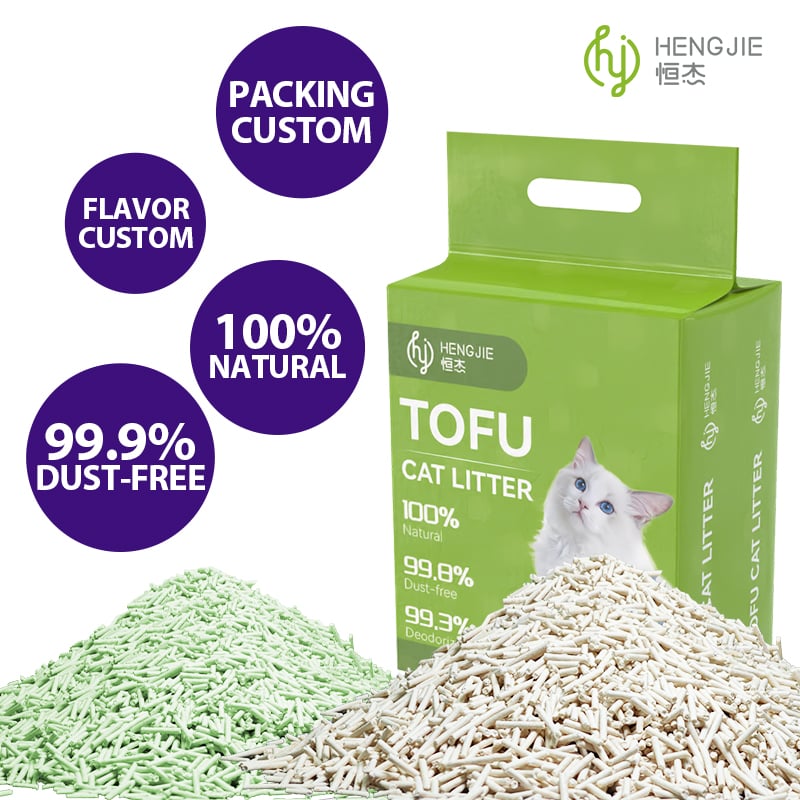
Choosing the right litter for your kitten or sensitive cat requires careful consideration of safety, comfort, and health. Plant-based cat litter has emerged as a popular alternative to traditional clay-based options, offering a more natural approach to feline hygiene. Understanding whether plant-based cat litter truly meets the needs of young and sensitive cats is essential for responsible pet ownership. This guide explores the safety profile of plant-based cat litter, examines its suitability for kittens and cats with sensitivities, and provides practical guidance for making an informed decision.
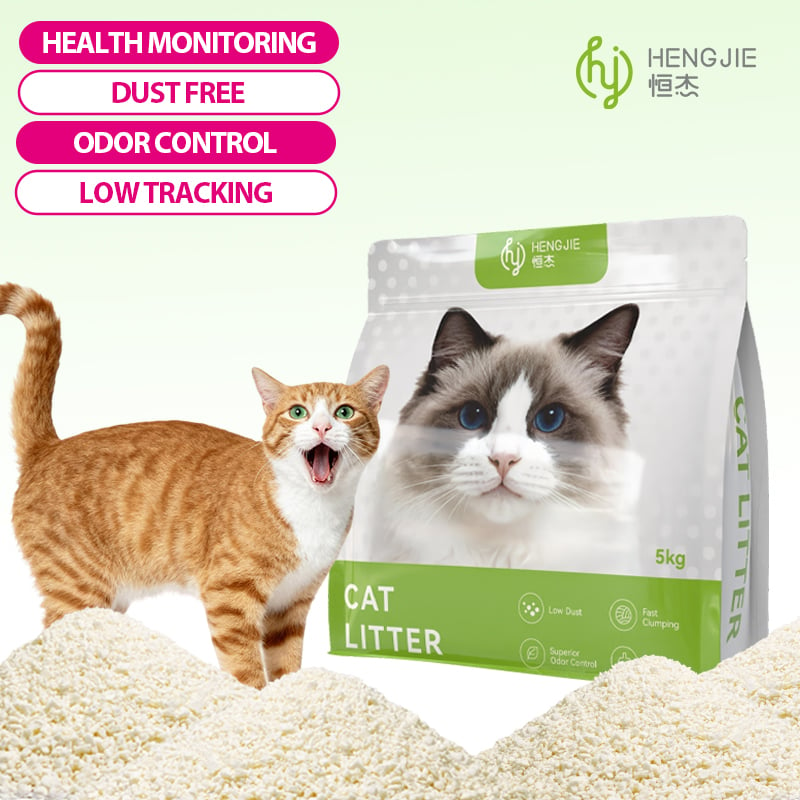
Plant-based cat litter formulations typically use materials derived from renewable plant sources such as corn, wheat, pine, bamboo, or soy. These materials are processed into granules or pellets that clump when wet and absorb odor naturally. The shift toward plant-based cat litter reflects growing consumer demand for sustainable, biodegradable, and less toxic litter options. For kittens and cats with sensitivities, plant-based cat litter presents distinct advantages over conventional clay products, but it also introduces considerations that owners must understand before making the switch.
Understanding Plant-Based Cat Litter Composition and Safety
Core Ingredients and Manufacturing Standards
Plant-based cat litter contains organic materials that undergo minimal processing compared to clay-based alternatives. Most plant-based cat litter products avoid chemical additives, synthetic fragrances, and dust-inducing clay particles. The manufacturing process for quality plant-based cat litter emphasizes food-grade or pharmaceutical-grade material sourcing. This means the raw materials are held to strict safety and purity standards similar to those used in human food production. For kittens whose respiratory systems are still developing, this reduced dust content in plant-based cat litter is particularly beneficial. The absence of crystalline silica dust, which is common in traditional clay litters, significantly lowers the risk of respiratory irritation in young and sensitive cats.
Absence of Harmful Chemicals
A primary safety advantage of plant-based cat litter is the elimination of synthetic chemicals, fragrances, and dust suppressants found in conventional litters. Traditional clay-based litters often contain sodium bentonite, which can expand in the digestive tract if ingested, posing a risk especially to kittens who groom frequently. Plant-based cat litter avoids this risk by using natural clumping mechanisms derived from plant starches and fibers. Many plant-based cat litter brands undergo third-party testing to confirm the absence of harmful substances, pesticides, and heavy metals. For sensitive cats, this chemical-free profile reduces the likelihood of allergic reactions, skin irritation, and gastrointestinal upset. The transparency in ingredient sourcing for quality plant-based cat litter provides pet owners with confidence in what their cats are exposed to daily.
Suitability of Plant-Based Cat Litter for Kittens
Developmental Considerations for Young Cats
Kittens have developing immune and respiratory systems that warrant careful attention when selecting litter. Plant-based cat litter is well-suited for kittens because it minimizes inhaled dust and reduces exposure to fine particles during grooming and play. Kittens are naturally curious and often ingest small amounts of litter while cleaning their paws, making the non-toxic composition of plant-based cat litter particularly important. The gentle nature of plant-based cat litter makes it less likely to cause gastrointestinal blockages or irritation if swallowed in small quantities. Many veterinarians recommend plant-based cat litter for young cats transitioning from communal nurseries or shelters where cleanliness is paramount. The low dust profile of plant-based cat litter also reduces airborne allergens that can compromise a kitten's developing respiratory function.
Odor Control and Comfort for Young Felines
Effective odor control is essential for maintaining litter box hygiene and encouraging consistent use by kittens. Plant-based cat litter typically performs well in odor absorption through its porous structure and natural antimicrobial properties. Quality plant-based cat litter maintains good clumping ability, which concentrates waste and reduces odor dispersion throughout the home. Kittens benefit from a clean, pleasant-smelling litter environment, as this encourages consistent bathroom habits and reduces stress. The softer texture of many plant-based cat litter options can be more comfortable for kittens with tender paws still adjusting to litter box use. Additionally, the natural scent of plant-based cat litter, if any, is typically mild and derived from plant oils rather than synthetic chemicals, making the litter box environment less overwhelming for sensitive young cats.
Managing Plant-Based Cat Litter for Sensitive Cats
Addressing Common Sensitivities and Health Concerns
Cats with sensitivities may suffer from respiratory allergies, skin conditions, or digestive issues triggered by conventional litter ingredients. Plant-based cat litter addresses these vulnerabilities by eliminating common irritants such as clay dust, sodium bentonite, and synthetic fragrances. Sensitive cats often respond positively to the hypoallergenic profile of plant-based cat litter, showing improvement in respiratory symptoms and skin health within weeks of switching. The natural pH balance of plant-based cat litter is closer to a cat's normal skin and mucous membranes, reducing irritation compared to acidic clay-based products. For cats with inflammatory bowel disease or other gastrointestinal sensitivities, accidental ingestion of plant-based cat litter poses lower risk than conventional alternatives. Veterinary dermatologists and internal medicine specialists frequently recommend plant-based cat litter as part of a comprehensive management strategy for sensitive cats.
Transition Protocols and Monitoring
Switching to plant-based cat litter requires a gradual transition to allow sensitive cats to adjust to the new texture and scent. A recommended approach involves mixing increasing proportions of plant-based cat litter with the existing litter over seven to ten days. This gradual transition with plant-based cat litter reduces the stress on a sensitive cat's digestive and respiratory systems. During the transition period, monitor your cat for signs of gastrointestinal upset, respiratory distress, or behavioral changes such as litter box avoidance. Most sensitive cats adapt well to plant-based cat litter within two weeks, showing noticeable improvements in energy levels and comfort. After the full transition to plant-based cat litter, continue observing your cat's health and adjust the product if any adverse reactions develop. Maintaining consistent cleanliness of the litter box with plant-based cat litter is particularly important for sensitive cats, as accumulated debris can trigger allergies and infections.
Practical Implementation and Best Practices
Selecting Quality Plant-Based Cat Litter Products
Not all plant-based cat litter products offer equal safety and performance. Choose plant-based cat litter that clearly lists its primary ingredients and confirms the absence of additives, pesticides, and synthetic chemicals. Look for certifications such as biodegradability confirmations or third-party testing results when evaluating plant-based cat litter options. The dust level of plant-based cat litter should be minimal, ideally less than one percent, to ensure respiratory safety for kittens and sensitive cats. Online reviews from other cat owners can provide insights into the clumping ability, odor control, and overall satisfaction with specific plant-based cat litter brands. Price comparisons are important, but the cheapest plant-based cat litter may sacrifice quality, so balance cost with safety and performance factors. Testing multiple plant-based cat litter varieties helps identify which formulation works best for your individual cat's preferences and needs.
Maintenance and Hygiene Protocols
Proper maintenance of the litter box amplifies the safety benefits of plant-based cat litter. Daily scooping removes clumped waste promptly, preventing bacterial growth and odor accumulation that could irritate sensitive cats. Plant-based cat litter typically requires complete litter box changes weekly or every ten days, depending on the number of cats and box usage. When replacing plant-based cat litter, rinse the litter box with warm water and mild soap to prevent bacterial buildup. Avoid mixing plant-based cat litter with other litter types, as this can compromise clumping and odor control performance. Environmental monitoring around the litter box area ensures that your cat's respiratory comfort is maintained and that dust from plant-based cat litter remains minimal. Multiple litter boxes with fresh plant-based cat litter encourage consistent use and reduce stress-related behavioral issues in multi-cat households.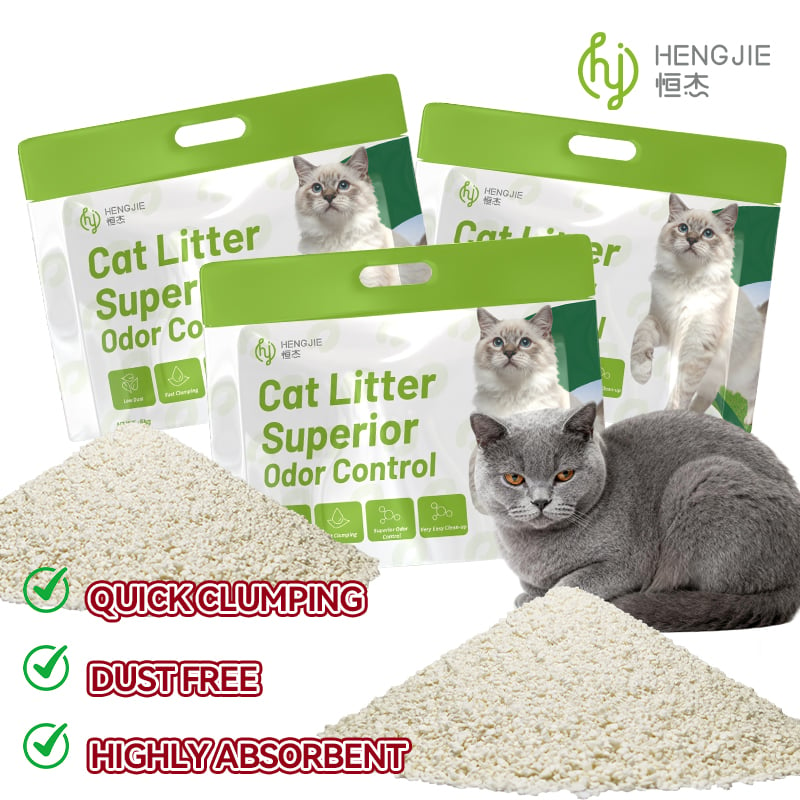
FAQ
Is plant-based cat litter safe for all kittens and sensitive cats?
Plant-based cat litter is generally safe for most kittens and sensitive cats, but individual responses vary. Kittens with severe allergies or unusual sensitivities may require veterinary guidance before switching to plant-based cat litter. A gradual transition and close monitoring help identify any adverse reactions. If a kitten shows persistent gastrointestinal upset or respiratory issues despite using plant-based cat litter, consult your veterinarian to rule out other underlying health problems or litter-related sensitivities.
How does plant-based cat litter compare to clay litter for sensitive cats?
Plant-based cat litter typically outperforms clay litter for sensitive cats because it produces less dust, avoids synthetic chemicals, and uses natural clumping mechanisms. Clay litter contains crystalline silica dust that can trigger respiratory allergies, while plant-based cat litter minimizes this exposure. Sensitive cats switching to plant-based cat litter often experience improvements in coat quality, energy levels, and litter box habits within weeks. However, some cats may prefer the traditional texture of clay, so finding the right plant-based cat litter variety that matches your cat's preferences is important.
Can plant-based cat litter cause digestive issues if ingested?
High-quality plant-based cat litter is designed to be safe if accidentally ingested in small amounts during grooming. Unlike clay litter, plant-based cat litter does not expand significantly in the digestive tract, reducing blockage risk. The organic materials used in plant-based cat litter are often food-grade or similar to ingredients found in cat food, making them digestible without causing harm. However, consuming large amounts of any litter is not advisable, so ensure your kitten or sensitive cat has adequate supervision and environmental enrichment to discourage litter ingestion.