

 EN
EN
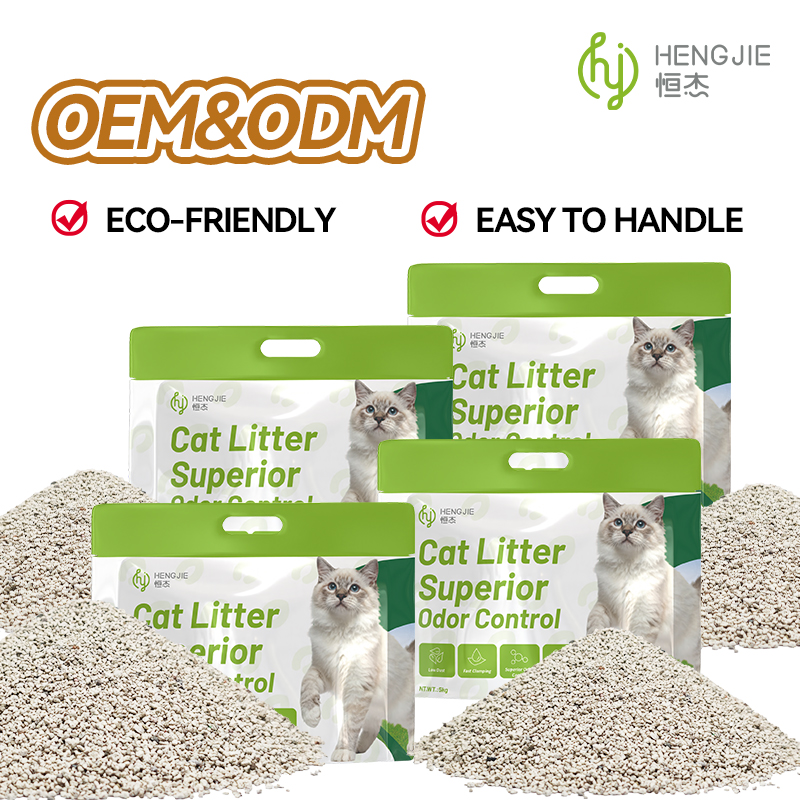
Understanding how bentonite cat litter controls odors requires exploring the fundamental chemistry and physics that make this material so effective in pet care environments. Bentonite cat litter operates through multiple interconnected mechanisms that work together to neutralize, absorb, and encapsulate odor-causing compounds before they can escape into your home. The science behind bentonite cat litter is rooted in material properties that have been refined over decades of veterinary and industrial research.
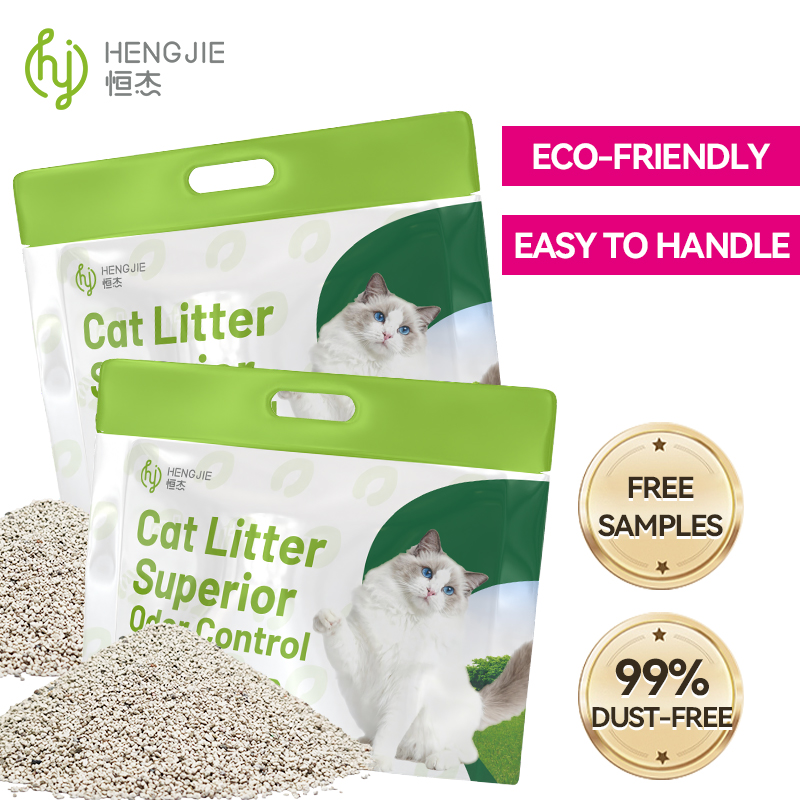
The effectiveness of bentonite cat litter in odor control stems from its unique crystalline structure and molecular composition. Bentonite cat litter contains montmorillonite, a clay mineral with exceptional absorption capacity that can retain liquid moisture many times its own weight. This absorbent foundation allows bentonite cat litter to trap urine and feces before odor compounds can volatilize and diffuse into household air. The microporous structure of bentonite cat litter creates an environment where ammonia, mercaptans, and other volatile sulfur compounds become chemically bound to the clay surface.
Absorption and Moisture Control Mechanisms
Capillary Action and Pore Structure
Bentonite cat litter leverages capillary action to rapidly draw liquid waste deep into the litter mass, away from the surface where odors typically develop. The layered silicate structure of bentonite cat litter creates microscopic channels that facilitate moisture movement through capillary forces. When urine contacts bentonite cat litter, water molecules immediately begin bonding with the clay particles, forming a hydration layer that expands the mineral structure. This rapid absorption is crucial because odors emanate most intensely from wet surfaces where bacteria proliferate. By removing moisture quickly, bentonite cat litter prevents the biological decomposition processes that generate the strongest ammonia and sulfurous odors.
Water Retention Without Odor Release
The internal structure of bentonite cat litter allows it to retain absorbed moisture while preventing water vapor from carrying odor molecules back into the air. Bentonite cat litter's hydration creates a closed chemical environment where water is held in zeolitic cages, preventing simple evaporation. This mechanism differs fundamentally from materials that merely dry out waste on their surface. With bentonite cat litter, moisture becomes electrostatically locked within the clay lattice, creating an anaerobic zone where aerobic odor-producing bacteria cannot thrive. The water retention properties of bentonite cat litter thus reduce biological odor generation at its source.
Chemical Bonding and Odor Neutralization
Ammonia Sequestration Through Ion Exchange
Bentonite cat litter accomplishes odor control through ion exchange reactions that permanently bind ammonia molecules to the clay surface. The montmorillonite in bentonite cat litter contains exchangeable cations like sodium and potassium that can swap places with positively charged ammonia ions. When ammonia from urine contacts bentonite cat litter, the ammonia cations displace weaker cations on the clay surface, creating covalent bonds that lock the ammonia in place. This ion exchange process is thermodynamically favorable and essentially irreversible under normal household conditions. The ammonia bound to bentonite cat litter cannot volatilize or create the pungent 'cat urine' smell that develops in other litter materials. This chemical transformation is the cornerstone of why bentonite cat litter remains odor-free longer than competing formulations.
Sulfur Compound Adsorption Mechanisms
Beyond ammonia, bentonite cat litter controls odors from volatile sulfur compounds including hydrogen sulfide and mercaptans through physical and chemical adsorption. The surface of bentonite cat litter possesses Lewis acid sites that interact favorably with electron-rich sulfur atoms. Bentonite cat litter's adsorption capacity for these compounds is dramatically enhanced when the material is heated during manufacturing, which creates surface defects and increases active binding sites. The layered structure of bentonite cat litter also allows sulfur compounds to diffuse into interlayer spaces where they become inaccessible to the gas phase. Feces contain bacteria that produce sulfur compounds as metabolic byproducts, and bentonite cat litter's chemistry intercepts these compounds before they can escape into indoor air.
Clumping Performance and Odor Containment
Clump Formation and Odor Encapsulation
Bentonite cat litter's clumping ability is directly linked to its odor control performance because clumps create isolated chemical environments that contain odor-producing reactions. When urine contacts bentonite cat litter, the water activates sodium bentonite's natural bonding properties, causing particles to adhere into cohesive masses. These clumps form a physical barrier that isolates waste from fresh litter, preventing cross-contamination and limiting bacterial growth. The dense structure of a clump in bentonite cat litter creates anaerobic conditions at the core, where different microbial populations dominate and produce fewer volatile odor compounds. By separating soiled litter into removable clumps, bentonite cat litter allows daily removal of the primary odor sources while preserving the integrity of clean litter below.
Particle Size Optimization for Odor Management
Manufacturers formulate bentonite cat litter with specific particle size distributions to maximize the surface area available for odor absorption while maintaining usable clumping and dust characteristics. Finer particles in bentonite cat litter provide more surface area per unit volume, enhancing both absorption speed and adsorption capacity for odor molecules. However, bentonite cat litter formulated with particles that are too fine generates excessive dust, which can ironically create airborne odor problems and respiratory concerns. The optimal bentonite cat litter formulation balances particle fineness with dust minimization, typically using a bimodal distribution where larger particles provide structure and smaller particles provide absorptive capacity. This engineered approach to bentonite cat litter particle design directly influences how effectively it controls odors in practical household use.
Biological Activity and Microbial Control
Creating Hostile Environments for Odor-Producing Microbes
Bentonite cat litter's moisture control and chemical properties create an environment where odor-producing bacteria struggle to proliferate, thereby reducing odor generation at the biological level. The anaerobic conditions created deep within clumps of bentonite cat litter shift microbial ecology toward species that produce fewer volatile compounds. Bentonite cat litter's alkaline pH, enhanced by sodium content, inhibits the growth of certain proteolytic bacteria responsible for generating foul-smelling amino acid degradation products. The osmotic stress created by high salt concentration in bentonite cat litter's absorption zone further limits bacterial activity. By controlling the microbial ecosystem within the litter box, bentonite cat litter addresses odor generation at its source rather than simply masking smells after bacteria have produced them.
Decomposition Rate Reduction
The rate at which organic material in bentonite cat litter decomposes directly correlates with odor intensity because faster decomposition releases more volatile compounds per unit time. Bentonite cat litter slows decomposition through multiple mechanisms including moisture sequestration, pH modulation, and microbial inhibition. The enclosed chemical environment within bentonite cat litter clumps limits oxygen availability, which shifts the pathway of organic decomposition away from aerobic processes that produce strong sulfurous and ammonia smells. Fecal material that would typically undergo rapid decomposition in litter formulations lacking these properties remains relatively stable in bentonite cat litter until removal. This decomposition rate reduction is quantifiable in laboratory studies comparing odor production over multi-day periods between bentonite cat litter and alternative materials.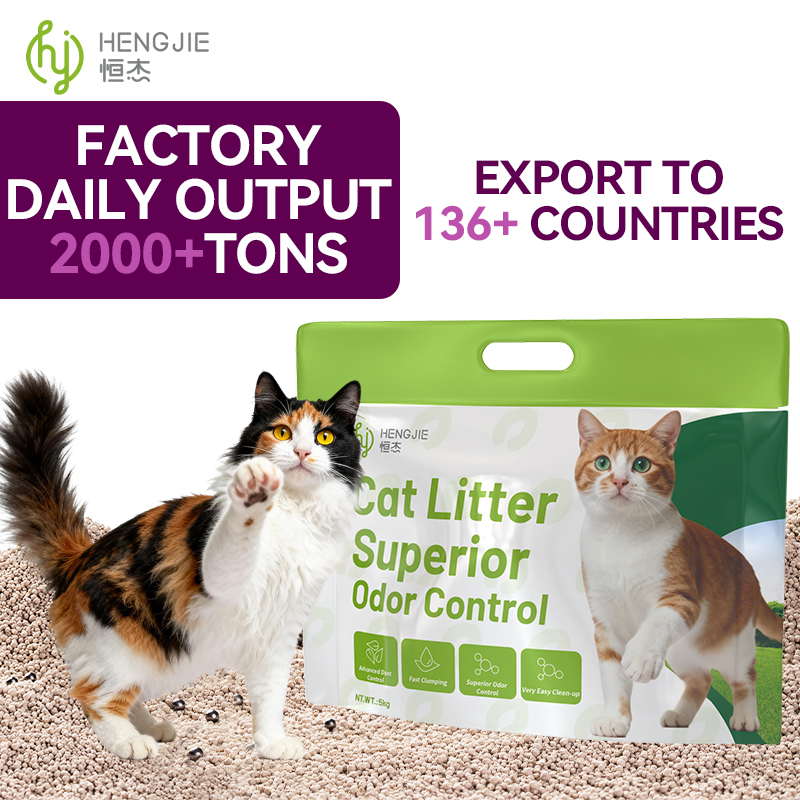
FAQ
How does bentonite cat litter compare to other odor control methods?
Bentonite cat litter outperforms many alternatives because it combines multiple odor control mechanisms simultaneously rather than relying on a single approach. Crystal litter and silica gels provide adsorption but lack the ion exchange chemistry that makes bentonite cat litter so effective at permanently binding ammonia. Paper and wood-based litters have poor absorption and provide minimal chemical odor control. The science supporting bentonite cat litter shows it maintains odor control effectiveness over longer periods because absorbed compounds remain locked in the clay structure rather than volatilizing over time like they do in competing materials.
Can bentonite cat litter control odors indefinitely?
Bentonite cat litter's odor control capacity is finite because the clay particles eventually become saturated with absorbed waste and bound odor compounds. As bentonite cat litter accumulates absorbed material, its remaining surface area decreases and its adsorption capacity diminishes. Regular removal of soiled clumps from bentonite cat litter extends its effective odor control life by preventing saturation and maintaining exposure of fresh particles. Complete litter box cleanings with fresh bentonite cat litter restore full odor control capacity. The practical lifespan of bentonite cat litter before complete replacement depends on household size, but complete saturation typically requires several weeks of normal use.
Does bentonite cat litter require additives for maximum odor control?
Premium bentonite cat litter formulations often include additives like baking soda, activated carbon, or plant-derived compounds to enhance odor control beyond what bentonite cat litter alone provides. These additives occupy additional surface area and can provide supplementary mechanisms like acid-base neutralization of residual ammonia. However, bentonite cat litter without additives still provides substantial odor control through its inherent absorption and chemical bonding properties. Some additives in bentonite cat litter can increase dust or interfere with clumping performance, so the scientific benefits must be weighed against practical litter box experience. The most cost-effective approach uses high-quality bentonite cat litter with minimal additives that target specific odor problems.