

 EN
EN
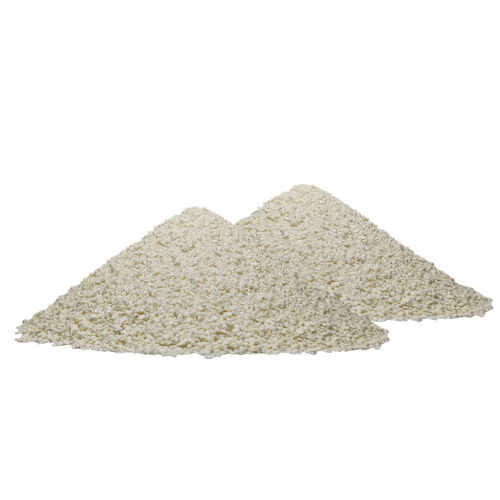
Maintaining a clean and odor-free litter box is essential for both feline health and household comfort. Modern cat owners increasingly turn to bentonite cat litter for its superior clumping properties and ease of maintenance. This naturally occurring clay mineral transforms routine litter box cleaning from a tedious chore into a streamlined process. Understanding the proper techniques and strategies for maximizing bentonite cat litter efficiency can significantly reduce cleaning time while ensuring optimal hygiene standards for your beloved pets.
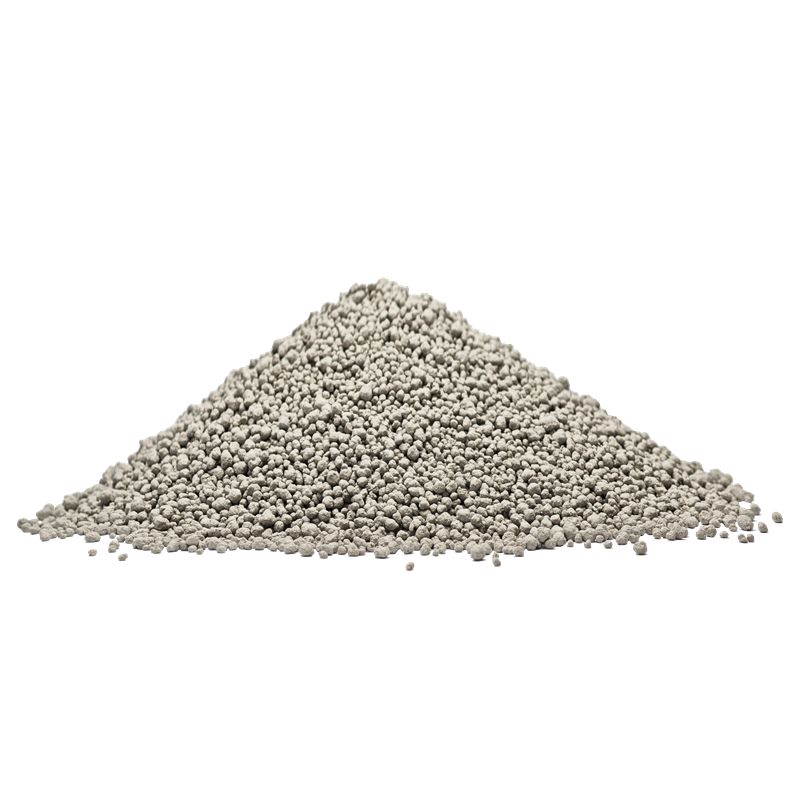
The unique properties of bentonite clay make it an ideal choice for pet owners seeking convenience without compromising cleanliness. This mineral forms tight, solid clumps upon contact with moisture, allowing for precise removal of waste while preserving the remaining clean litter. Professional veterinarians and pet care specialists consistently recommend bentonite-based products for their effectiveness in odor control and bacterial prevention. The investment in quality bentonite cat litter pays dividends through reduced replacement frequency and improved overall litter box management.
Understanding Bentonite Cat Litter Properties
Natural Clay Composition Benefits
Bentonite cat litter derives its exceptional performance from the unique molecular structure of sodium bentonite clay. This natural mineral possesses remarkable absorption capabilities, expanding up to fifteen times its original volume when exposed to liquids. The clay particles create microscopic bonds that form cohesive clumps, preventing moisture from penetrating deeper layers of litter. This characteristic ensures that waste remains contained and easily removable, maintaining the integrity of the surrounding clean material.
The formation process of bentonite involves millions of years of volcanic ash weathering, resulting in a highly refined clay with consistent particle size and density. These geological origins contribute to the material's stability and predictable clumping behavior. Quality bentonite cat litter maintains its structural integrity even under repeated exposure to moisture, ensuring long-lasting performance throughout the product's lifespan. The natural mineral composition also provides inherent antibacterial properties that help suppress harmful microorganisms within the litter box environment.
Clumping Mechanism Excellence
The science behind bentonite clumping involves the expansion and interlocking of clay platelets when hydrated. Upon contact with urine or other liquids, individual bentonite particles swell and create strong intermolecular forces that bind neighboring particles together. This process occurs rapidly, typically within seconds of initial contact, forming solid masses that can be easily scooped without breaking apart. The speed and reliability of this clumping action directly impact cleaning efficiency and waste removal precision.
Advanced processing techniques enhance the natural clumping properties of bentonite cat litter through careful particle sizing and moisture optimization. Premium formulations undergo specialized treatment processes that maximize surface area exposure and improve binding strength. These enhancements result in tighter, more cohesive clumps that maintain their shape during scooping and disposal. The improved clumping performance translates directly to reduced waste and more efficient litter box maintenance routines.
Optimal Litter Box Preparation Strategies
Proper Depth and Distribution
Establishing the correct litter depth is fundamental to maximizing bentonite cat litter performance and cleaning efficiency. The ideal depth ranges from three to four inches, providing sufficient material for effective clumping while preventing waste from reaching the box bottom. Insufficient depth can lead to clump breakdown and tracking issues, while excessive depth wastes product and complicates scooping procedures. Consistent depth measurement across the entire litter box surface ensures uniform clumping behavior and predictable maintenance requirements.
Even distribution of bentonite cat litter particles creates optimal conditions for moisture absorption and clump formation. Gentle leveling with a scoop or rake eliminates high spots and depressions that could interfere with natural waste burial behaviors. Proper distribution also prevents cats from consistently using the same areas, which can lead to premature saturation and reduced clumping effectiveness. Regular redistribution during routine cleaning maintains uniform litter density and extends the overall lifespan of each fill.
Box Selection and Positioning
The choice of litter box design significantly influences bentonite cat litter performance and cleaning convenience. High-sided boxes with smooth interior surfaces facilitate easier scooping and reduce litter spillage during maintenance activities. Adequate box dimensions allow cats to move comfortably while providing sufficient space for proper waste coverage and clump formation. The material composition of the box itself should resist odor absorption and allow for thorough sanitization between complete litter changes.
Strategic positioning of litter boxes enhances both feline comfort and human cleaning accessibility. Well-ventilated locations promote natural moisture evaporation and prevent humidity buildup that could compromise bentonite cat litter clumping properties. Easy access for daily maintenance encourages consistent scooping schedules and prevents waste accumulation. Privacy considerations balance feline behavioral needs with practical cleaning requirements, ensuring sustained usage and optimal hygiene maintenance.
Daily Maintenance Techniques
Effective Scooping Methods
Mastering proper scooping technique maximizes the efficiency of bentonite cat litter cleaning while minimizing product waste. The optimal scooping motion involves gentle insertion of the scoop at a slight angle, allowing litter to flow through while retaining formed clumps. Rapid or aggressive scooping can break apart clumps and scatter contaminated material throughout clean areas. Patience during the scooping process ensures complete clump removal and maintains the integrity of remaining bentonite cat litter.
Timing of scooping activities directly impacts clumping effectiveness and overall litter box hygiene. Fresh waste should be removed promptly after formation, typically within twelve to twenty-four hours, when clumps have fully solidified but before moisture migration occurs. Delayed removal can lead to clump deterioration and surrounding litter contamination. Regular scooping schedules, performed at consistent daily intervals, maintain optimal conditions for bentonite cat litter performance and reduce the frequency of complete box changes.
Clump Assessment and Removal
Developing the ability to identify properly formed clumps versus incomplete formations enhances cleaning efficiency and prevents premature litter disposal. Well-formed bentonite cat litter clumps exhibit solid consistency throughout their structure, maintaining shape when lifted and transported. Incomplete clumps may indicate insufficient litter depth, excessive moisture, or product quality issues that require attention. Proper assessment skills prevent the removal of partially contaminated but salvageable litter, extending the useful life of each box fill.
The systematic approach to clump removal involves methodical scanning of the entire litter surface, checking corners and edges where waste may accumulate unnoticed. Thorough inspection ensures complete waste removal and prevents the development of odor sources that could compromise litter box acceptability. Visual and olfactory assessment techniques help identify areas requiring attention beyond obvious clump formations. Complete removal of all contaminated material maintains the effectiveness of remaining bentonite cat litter and preserves optimal box conditions.
Advanced Cleaning Optimization
Product Quality Selection
Investing in premium-grade bentonite cat litter significantly improves cleaning efficiency through enhanced clumping performance and reduced maintenance frequency. High-quality formulations undergo rigorous processing that removes impurities and optimizes particle size distribution for maximum effectiveness. Superior products demonstrate consistent clumping behavior across varying moisture levels and usage patterns. The initial investment in quality materials translates to long-term savings through improved efficiency and reduced product consumption.
Evaluating bentonite cat litter quality involves examining factors such as dust content, particle uniformity, and clumping strength. Low-dust formulations improve air quality during maintenance activities and reduce tracking outside the box. Uniform particle sizing ensures predictable clumping behavior and consistent product performance. Strong clumping properties minimize waste during removal and extend the useful life of each litter fill. Quality assessment skills enable informed purchasing decisions that optimize both performance and cost-effectiveness.
Environmental Control Factors
Managing environmental conditions surrounding the litter box area enhances bentonite cat litter performance and simplifies maintenance routines. Optimal humidity levels, typically between forty and sixty percent, promote proper clumping without causing premature moisture absorption. Adequate ventilation prevents odor accumulation and maintains air quality while avoiding excessive airflow that could dry out litter prematurely. Temperature stability ensures consistent product behavior and prevents thermal expansion or contraction that could affect clumping properties.
Controlling external contamination sources protects bentonite cat litter integrity and maintains cleaning efficiency. Regular cleaning of surrounding surfaces prevents debris accumulation that could interfere with litter performance. Protective barriers or mats around the litter box area contain tracking and facilitate easy cleanup of scattered particles. Environmental cleanliness standards directly impact the longevity and effectiveness of bentonite cat litter installations, supporting optimal maintenance outcomes.
Troubleshooting Common Issues
Clumping Performance Problems
Identifying and addressing clumping performance issues maintains optimal bentonite cat litter efficiency and prevents cleaning complications. Poor clump formation often results from insufficient litter depth, contaminated product, or environmental factors affecting moisture absorption. Systematic troubleshooting involves evaluating each potential cause and implementing corrective measures to restore proper performance. Understanding the relationship between various factors and clumping behavior enables proactive problem prevention and resolution.
Common performance issues include soft or crumbly clumps, delayed formation, and incomplete waste encapsulation. These problems may indicate product degradation, improper storage conditions, or contamination from previous cleaning products. Addressing underlying causes rather than symptoms ensures lasting solutions and prevents recurring issues. Regular performance monitoring helps identify subtle changes in bentonite cat litter behavior before they develop into significant problems requiring extensive intervention.
Odor Control Challenges
Persistent odor issues despite proper bentonite cat litter maintenance may indicate underlying problems requiring targeted solutions. Inadequate clump removal, box saturation, or bacterial growth can overwhelm natural odor control properties. Systematic evaluation of cleaning procedures, product freshness, and environmental factors helps identify specific causes of odor problems. Implementing comprehensive solutions addresses both immediate symptoms and underlying causes for lasting improvement.
Advanced odor control strategies complement the natural properties of bentonite cat litter through enhanced cleaning techniques and environmental management. Regular box sanitization between complete changes eliminates residual bacteria and organic compounds. Proper waste disposal methods prevent contamination of surrounding areas and maintain overall hygiene standards. Integration of multiple odor control approaches creates robust systems capable of managing challenging situations while preserving bentonite cat litter effectiveness.
Long-term Efficiency Strategies
Maintenance Schedule Development
Establishing a comprehensive maintenance schedule optimizes bentonite cat litter performance while minimizing time investment and material consumption. Daily scooping requirements form the foundation of effective maintenance, typically requiring five to ten minutes per box depending on usage levels. Weekly assessment and litter top-off procedures maintain optimal depth and distribution. Monthly complete changes ensure fresh product and thorough box sanitization, preventing the accumulation of contaminants that could compromise performance.
Customizing maintenance schedules to specific household requirements maximizes efficiency while accommodating varying usage patterns and environmental conditions. Multi-cat households may require more frequent attention and additional maintenance steps to maintain optimal conditions. Single-cat environments often allow for extended intervals between complete changes while maintaining excellent hygiene standards. Flexible scheduling approaches adapt to changing circumstances while preserving the effectiveness of bentonite cat litter systems.
Cost-Effectiveness Analysis
Calculating the true cost-effectiveness of bentonite cat litter involves evaluating multiple factors beyond initial purchase price, including usage efficiency, maintenance time, and replacement frequency. Premium products often demonstrate superior value through extended lifespan and reduced consumption rates despite higher upfront costs. Comprehensive cost analysis considers both direct expenses and indirect benefits such as improved hygiene and reduced cleaning time. Long-term perspective reveals the economic advantages of quality bentonite cat litter investments.
Tracking usage patterns and maintenance costs provides valuable data for optimizing litter box management strategies and product selection decisions. Detailed records of scooping frequency, replacement intervals, and product consumption enable informed adjustments to maintenance routines. Performance comparisons between different bentonite cat litter brands or formulations guide future purchasing decisions. Data-driven approaches to litter box management maximize both efficiency and cost-effectiveness over extended periods.
FAQ
How often should I completely change bentonite cat litter
Complete bentonite cat litter changes are typically required every two to four weeks, depending on usage patterns and the number of cats using the box. Single-cat households often achieve optimal performance with monthly changes, while multi-cat environments may require more frequent replacement. The key indicator for complete changes is when fresh litter additions no longer maintain effective clumping or odor control, regardless of the time elapsed since the last change.
What depth of bentonite cat litter provides optimal clumping
The ideal depth for bentonite cat litter ranges from three to four inches throughout the box, providing sufficient material for effective clumping without waste. Depths less than three inches may result in clumps reaching the box bottom and breaking apart during removal. Exceeding four inches generally wastes product without improving performance and may discourage some cats from using the box due to excessive depth.
Can I mix bentonite cat litter with other types
Mixing bentonite cat litter with other litter types is generally not recommended as it can compromise the clumping properties and cleaning efficiency that make bentonite products effective. Different litter materials have varying absorption rates and particle behaviors that may interfere with proper clump formation. For optimal performance and cleaning efficiency, use bentonite cat litter exclusively rather than creating blends with other products.
Why do my bentonite cat litter clumps break apart during scooping
Clumps that break apart during scooping typically indicate insufficient formation time, inadequate litter depth, or aggressive scooping technique. Allow clumps to form completely before removal, typically twelve to twenty-four hours after formation. Ensure proper litter depth of three to four inches and use gentle scooping motions that support clump integrity during removal. Poor-quality bentonite cat litter may also exhibit weak clumping properties that lead to breakage during handling.