

 EN
EN
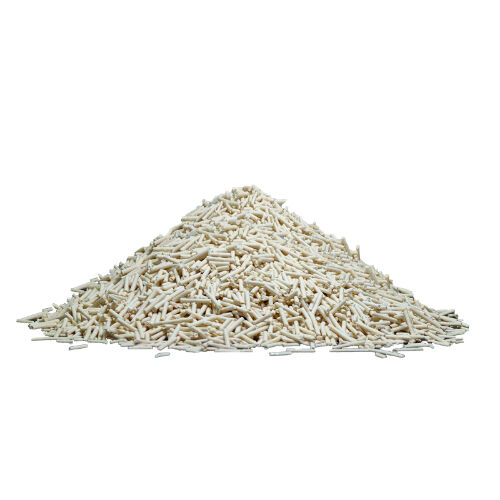
Modern pet owners increasingly seek sustainable alternatives that align with their environmental values while maintaining the health and comfort of their beloved cats. Plant-based cat litter represents a revolutionary shift from traditional clay-based products, offering superior performance while significantly reducing environmental impact. This innovative litter solution harnesses natural materials like tofu, corn, wheat, and pine to create an effective waste management system that biodegrades naturally. As more households embrace eco-conscious living, plant-based cat litter emerges as an essential component of sustainable pet care practices.
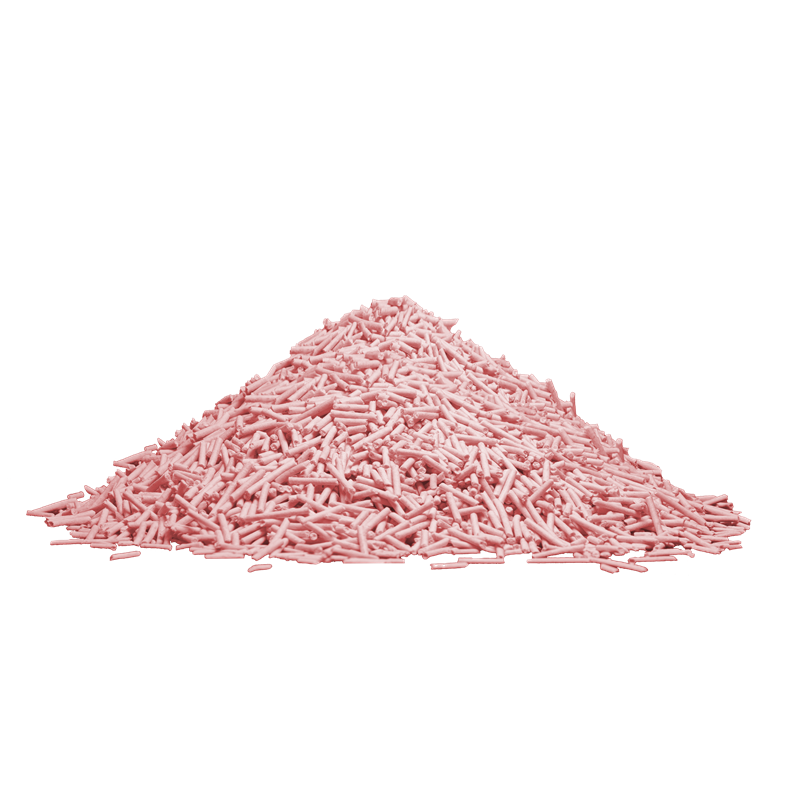
Environmental Benefits of Natural Cat Litter Materials
Biodegradability and Waste Reduction
Traditional clay-based cat litters contribute significantly to landfill waste, taking decades or centuries to decompose naturally. Plant-based cat litter offers a compelling alternative by utilizing renewable resources that break down completely within months of disposal. Materials such as recycled tofu manufacturing byproducts, corn kernels, and wheat grass create litter that can be safely composted or flushed in small quantities. This biodegradability dramatically reduces the long-term environmental footprint associated with pet waste management.
The production process of plant-based alternatives requires significantly less energy and water compared to traditional clay extraction and processing. Manufacturing facilities can source materials locally in many regions, reducing transportation emissions and supporting regional agricultural economies. Additionally, many plant-based formulations utilize agricultural waste products that would otherwise be discarded, creating a circular economy approach to pet care.
Carbon Footprint Reduction
The carbon emissions associated with clay litter mining and transportation create substantial environmental costs throughout the product lifecycle. Plant-based cat litter manufacturing generates approximately 60% fewer carbon emissions during production and requires minimal processing compared to bentonite clay extraction. The lightweight nature of many plant-based formulations also reduces fuel consumption during shipping and handling.
Renewable source materials continue to sequester carbon during their growth phase, creating a net-positive environmental impact when properly managed. Agricultural residues used in plant-based litter production would typically decompose and release stored carbon anyway, making their utilization an efficient resource optimization strategy.
Health and Safety Advantages for Cats and Owners
Dust-Free Environment Benefits
Conventional clay litters often generate significant dust clouds during pouring and scooping, potentially irritating respiratory systems in both cats and humans. Plant-based cat litter formulations typically produce minimal dust, creating healthier indoor air quality for sensitive pets and family members with allergies or asthma. The natural fiber structure of plant materials binds particles more effectively than processed clay.
Cats with existing respiratory conditions particularly benefit from dust-free litter options, as their sensitive airways can become inflamed by airborne particles. Senior cats and kittens show improved litter box acceptance rates when using low-dust alternatives, leading to better bathroom habits and reduced accidents outside the designated area.
Chemical-Free Composition
Many commercial cat litters contain artificial fragrances, chemical clumping agents, and synthetic additives that may cause skin irritation or digestive issues if ingested during grooming. Plant-based cat litter relies on natural binding properties and absorption capabilities without requiring artificial enhancement. This pure composition reduces the risk of allergic reactions and chemical exposure for pets and their owners.
Natural plant fibers provide excellent odor control through biological processes rather than chemical masking agents. Essential oils naturally present in certain plant materials offer mild antibacterial properties that help maintain litter box hygiene without introducing synthetic antimicrobial compounds.
Performance Characteristics and Practical Applications
Absorption and Clumping Properties
Modern plant-based cat litter formulations demonstrate superior absorption rates compared to traditional alternatives, with some varieties capable of absorbing up to four times their weight in liquid. The natural fiber structure creates tight clumps that hold together during scooping, making waste removal efficient and thorough. Different plant materials offer varying performance characteristics, allowing pet owners to select formulations that match their specific needs and preferences.
Tofu-based litters excel in clumping ability while remaining flushable in small quantities, making them ideal for apartment living situations. Corn and wheat-based options provide excellent tracking control and natural odor absorption, suitable for households with multiple cats or high-traffic litter areas.
Odor Control Mechanisms
Plant-based materials naturally neutralize ammonia and other odor-causing compounds through biological absorption rather than chemical masking. This natural odor control remains effective longer than artificial fragrances, which tend to dissipate quickly or combine unpleasantly with waste odors. The porous structure of plant fibers traps odor molecules effectively while allowing air circulation to prevent moisture buildup.
Regular maintenance becomes more manageable with plant-based cat litter due to its superior clumping properties and natural antimicrobial characteristics. Users report extended freshness periods between complete litter changes, reducing both maintenance frequency and overall litter consumption.
Economic and Practical Considerations
Cost-Effectiveness Analysis
While plant-based cat litter may carry higher upfront costs compared to basic clay alternatives, the superior absorption and clumping properties often result in lower overall consumption rates. Pet owners typically use 20-30% less plant-based litter per month due to improved efficiency and longer-lasting odor control. The lightweight nature also reduces shipping costs and handling strain during transport and storage.
Long-term cost savings become apparent when factoring in reduced veterinary expenses related to respiratory issues and improved indoor air quality. Many plant-based formulations require less frequent complete changes, extending the useful life of each litter purchase while maintaining optimal hygiene standards.
Availability and Market Trends
The plant-based cat litter market continues expanding rapidly as consumer awareness of environmental issues grows and product availability increases through major retailers. Manufacturing innovations have improved performance characteristics while reducing production costs, making sustainable options more accessible to budget-conscious pet owners. Online subscription services now offer convenient delivery options for bulk purchases, further improving cost-effectiveness.
Regional availability varies depending on local agricultural resources and manufacturing infrastructure, with some areas offering better selection and pricing for specific plant-based materials. Urban markets typically provide the widest variety of options, while rural areas may have better access to locally-produced alternatives.
Implementation Strategies for Eco-Friendly Pet Care
Transition Techniques for Sensitive Cats
Cats often resist sudden changes to their litter box environment, requiring gradual transition strategies when switching to plant-based cat litter. Successful transitions typically involve mixing increasing proportions of new litter with familiar material over 7-10 days, allowing cats to adjust to different textures and scents gradually. Maintaining consistent litter box locations and cleaning schedules helps minimize stress during the transition period.
Some cats show immediate preference for plant-based textures, particularly those sensitive to dust or chemical additives in conventional litters. Monitoring bathroom habits closely during transition periods helps identify any acceptance issues early, allowing for adjustments in mixing ratios or alternative product selection.
Integration with Sustainable Household Practices
Plant-based cat litter complements broader household sustainability initiatives by reducing waste volume, enabling composting opportunities, and supporting renewable resource utilization. Households practicing organic gardening can incorporate used plant-based litter into compost systems after removing solid waste, creating nutrient-rich soil amendments for non-edible plants.
Combining plant-based litter adoption with other eco-friendly pet care practices creates comprehensive environmental benefits while demonstrating commitment to sustainable living principles. These practices include choosing renewable pet food ingredients, selecting biodegradable waste bags, and supporting manufacturers with transparent environmental policies.
Future Developments and Innovation Trends
Advanced Material Research
Ongoing research into plant-based cat litter formulations focuses on enhancing performance characteristics while maintaining environmental benefits through innovative processing techniques and material combinations. Scientists explore new agricultural waste streams, including fruit processing byproducts and sustainable forestry residues, to expand raw material options and improve regional availability.
Nanotechnology applications in natural fiber processing show promise for improving absorption rates and clumping strength without introducing synthetic chemicals. These technological advances aim to match or exceed conventional litter performance while preserving the biodegradability and safety advantages of plant-based materials.
Market Expansion and Consumer Education
Growing consumer environmental consciousness drives continued market expansion for plant-based cat litter alternatives, with manufacturers investing in education campaigns highlighting performance benefits alongside sustainability advantages. Veterinary professionals increasingly recommend natural litter options for cats with respiratory sensitivities or allergic conditions, expanding market acceptance beyond environmentally-motivated consumers.
International market development creates opportunities for specialized regional formulations utilizing locally-available plant materials, reducing transportation costs and supporting diverse agricultural communities worldwide. These regional variations may offer unique performance characteristics suited to local climate conditions and cultural preferences.
FAQ
Is plant-based cat litter safe for kittens and elderly cats
Plant-based cat litter is generally safer for kittens and elderly cats compared to traditional clay alternatives due to its dust-free composition and natural ingredients. Kittens are less likely to experience respiratory irritation, while senior cats with sensitive systems benefit from chemical-free formulations. However, monitor young kittens closely as they may initially attempt to eat unfamiliar litter materials during exploration phases.
Can plant-based cat litter be flushed down toilets safely
Some plant-based cat litter varieties, particularly tofu-based formulations, can be flushed in small quantities according to manufacturer instructions. However, local plumbing systems and municipal regulations vary significantly regarding flushable litter disposal. Always check local guidelines and start with minimal amounts to test system compatibility before establishing regular flushing practices.
How does plant-based cat litter perform in multi-cat households
Plant-based cat litter performs exceptionally well in multi-cat households due to superior absorption capabilities and natural odor control properties. The enhanced clumping action makes waste removal more efficient, which is crucial for maintaining hygiene with multiple cats using shared litter boxes. Many users report needing less frequent complete litter changes compared to traditional clay products, even with increased usage levels.
What storage considerations apply to plant-based cat litter
Plant-based cat litter requires dry storage conditions to maintain optimal performance, as natural materials can absorb environmental moisture more readily than processed clay. Store unopened packages in cool, dry locations away from direct sunlight and humidity sources. Once opened, ensure containers seal tightly to prevent moisture absorption that could reduce clumping effectiveness and promote bacterial growth.