

 EN
EN
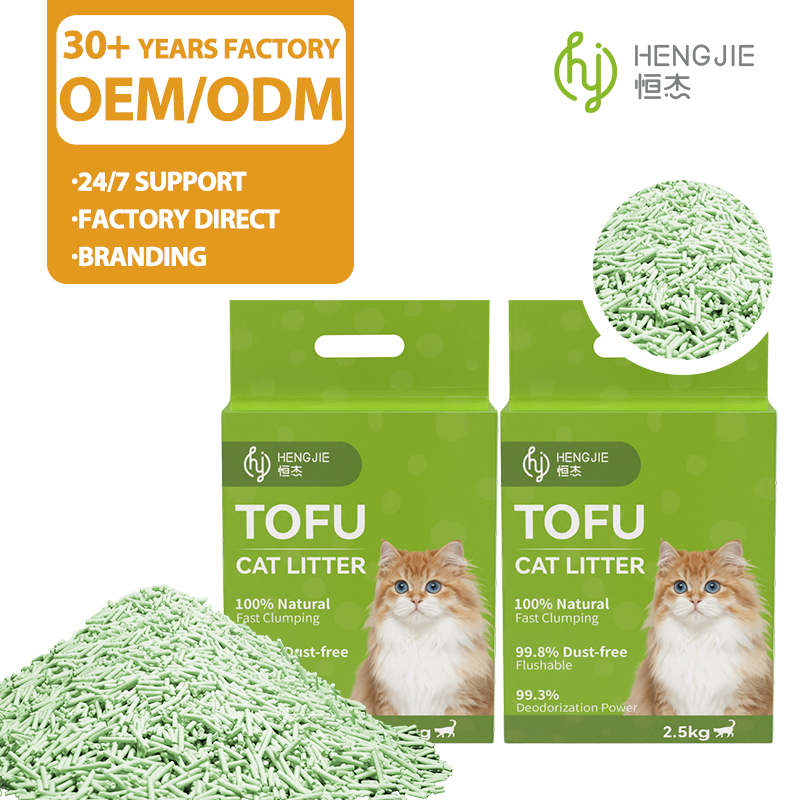
Modern cat owners increasingly turn to eco-friendly alternatives for their feline companions' hygiene needs, with tofu cat litter emerging as a premium choice. This plant-based litter offers exceptional odor control, superior clumping ability, and biodegradable properties that make it an ideal solution for environmentally conscious pet parents. Understanding proper maintenance techniques ensures your tofu cat litter remains fresh, effective, and economical throughout its usage period. Professional pet care specialists recommend specific strategies to maximize the performance and longevity of this innovative litter material while maintaining optimal cleanliness standards.
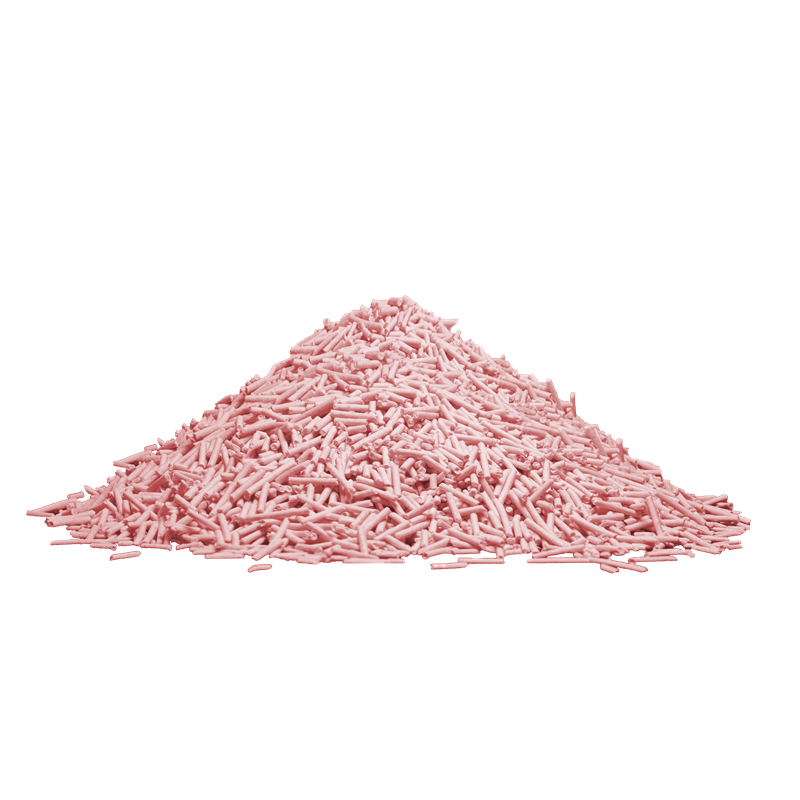
Understanding Tofu Cat Litter Composition and Benefits
Natural Ingredients and Manufacturing Process
The manufacturing process of tofu cat litter utilizes recycled soybean pulp, creating an entirely biodegradable product that breaks down naturally in landfills and composting systems. This sustainable approach transforms agricultural waste into a highly functional pet care solution, reducing environmental impact while delivering superior performance. Premium manufacturers employ advanced processing techniques that enhance the natural absorbency of soy proteins, creating granules with exceptional moisture-wicking capabilities. The resulting product maintains structural integrity during use while remaining completely safe for cats who may accidentally ingest small amounts during grooming.
Quality control measures during production ensure consistent grain size, optimal moisture content, and uniform density throughout each batch of tofu cat litter. These manufacturing standards directly impact the litter's freshness retention properties and overall effectiveness in odor management. Advanced drying processes remove excess moisture that could lead to premature spoilage or bacterial growth, while specialized packaging techniques preserve freshness during storage and transportation phases.
Advantages Over Traditional Clay-Based Alternatives
Unlike conventional clay litters that rely on chemical additives for odor control, tofu cat litter naturally absorbs and neutralizes unpleasant smells through its protein structure. This biological odor elimination process continues working throughout the product's lifespan, maintaining freshness without requiring frequent complete replacements. The lightweight nature of tofu-based granules makes handling and disposal significantly easier compared to heavy clay alternatives, reducing physical strain during routine maintenance tasks.
The clumping mechanism in tofu cat litter operates through natural protein binding, creating firm, easy-to-remove clumps that prevent waste from adhering to litter box surfaces. This superior clumping ability reduces waste and extends the overall freshness of the remaining clean litter, making it a cost-effective choice for multi-cat households. Additionally, the dust-free formulation protects both feline and human respiratory systems from potentially harmful particulates commonly found in traditional clay products.
Optimal Storage Techniques for Maximum Freshness
Environmental Conditions and Container Selection
Proper storage environments play a crucial role in maintaining tofu cat litter freshness and preventing degradation of its natural properties. Ideal storage conditions include consistent temperatures between 60-75°F with humidity levels below 50% to prevent moisture absorption that could compromise clumping ability. Professional pet supply retailers recommend storing unopened packages in cool, dry areas away from direct sunlight, heat sources, and areas prone to temperature fluctuations such as garages or basements.
Airtight storage containers with secure lids provide optimal protection against moisture infiltration and pest intrusion while preserving the natural freshness of tofu cat litter. Food-grade plastic containers with rubber gasket seals offer excellent moisture barriers and easy access during daily use. Metal containers should be avoided due to potential condensation issues, while paper or cardboard storage options may allow moisture penetration that compromises product integrity over time.
Long-Term Preservation Methods
Implementing rotation strategies ensures older stock gets used first, preventing extended storage periods that might affect tofu cat litter performance. Clear labeling with purchase dates helps track storage duration and maintain optimal freshness standards throughout inventory management. Professional recommendations suggest using opened packages within 30-45 days to maintain peak effectiveness, while unopened packages typically retain freshness for 12-18 months under proper storage conditions.
Vacuum-sealed storage bags provide additional protection for bulk quantities of tofu cat litter, removing excess air that could contribute to oxidation or moisture absorption. This preservation method proves particularly beneficial for households purchasing larger quantities to achieve cost savings while maintaining product quality. Regular inspection of stored litter helps identify any signs of moisture damage, unusual odors, or pest activity that might compromise freshness before use.
Daily Maintenance Protocols for Sustained Freshness
Routine Cleaning Schedules and Techniques
Daily scooping represents the most critical factor in maintaining tofu cat litter freshness, with veterinarians recommending removal of solid waste within 24 hours of deposit. This immediate response prevents odor development and bacterial growth that could contaminate surrounding clean litter. High-quality scooping tools with fine mesh construction effectively separate waste clumps while preserving valuable clean granules, maximizing the lifespan of each litter box filling.
Professional cleaning protocols involve gentle stirring of remaining litter after waste removal, ensuring even distribution and preventing compaction that could impede natural odor absorption properties. This mixing action also helps identify any developing clumps that require removal before they become problematic. Weekly deep cleaning of litter box surfaces removes accumulated residue that might interfere with the natural clumping action of fresh tofu cat litter additions.
Proper Litter Box Preparation and Maintenance
Appropriate litter depth significantly impacts the freshness and effectiveness of tofu cat litter performance, with optimal depths ranging between 2-3 inches for standard adult cats. This depth provides sufficient material for proper clump formation while preventing waste from reaching box surfaces where it might adhere and create persistent odor issues. Deeper litter layers may seem beneficial but can actually trap moisture and reduce air circulation necessary for natural freshness maintenance.
Regular sanitization of empty litter boxes using mild, pet-safe cleaning solutions eliminates bacterial buildup and residual odors that could compromise fresh tofu cat litter effectiveness. Complete box replacement on a weekly basis allows thorough cleaning and prevents accumulation of microscopic waste particles that standard scooping cannot remove. This comprehensive approach ensures optimal performance from each new batch of litter while maintaining hygienic conditions for feline health.
Advanced Freshness Enhancement Strategies
Natural Additive Integration
Incorporating natural deodorizing agents can significantly extend the freshness period of tofu cat litter without compromising its biodegradable properties or feline safety. Baking soda represents a time-tested addition that enhances odor neutralization capabilities while maintaining the natural composition benefits that make tofu litter appealing to environmentally conscious pet owners. Light sprinkling of baking soda between litter layers creates additional odor absorption capacity without affecting clumping performance or texture preferences.
Essential oil derivatives specifically formulated for pet environments provide subtle fragrance enhancement while contributing additional antimicrobial properties to tofu cat litter systems. These specialized additives must be carefully selected to ensure feline safety, avoiding oils toxic to cats such as tea tree, eucalyptus, or citrus-based formulations. Professional-grade pet deodorizers designed for litter enhancement offer controlled fragrance release that masks odors without overwhelming sensitive feline olfactory systems.
Environmental Optimization Techniques
Strategic placement of litter boxes in well-ventilated areas promotes natural air circulation that supports the freshness-maintaining properties of tofu cat litter. Adequate ventilation prevents moisture buildup and stagnant air conditions that could accelerate bacterial growth or odor development. Installing quiet exhaust fans or air purification systems near litter areas provides continuous air movement that enhances natural odor control mechanisms without creating noise disturbances that might deter cats from using their designated areas.
Humidity control measures prove particularly important in maintaining tofu cat litter freshness, especially in naturally humid climates or during seasonal weather changes. Dehumidifiers positioned near litter areas help maintain optimal moisture levels that preserve clumping effectiveness and prevent premature degradation of natural binding properties. This environmental management approach extends the useful life of each litter filling while maintaining peak performance characteristics throughout the usage period.
Troubleshooting Common Freshness Issues
Identifying and Addressing Odor Problems
Persistent odor issues despite proper maintenance often indicate underlying problems with litter box hygiene, inadequate ventilation, or health concerns requiring veterinary attention. Systematic evaluation of maintenance routines helps identify gaps in cleaning protocols that might allow bacterial growth or waste accumulation. Professional pet care specialists recommend increasing scooping frequency and evaluating litter depth adequacy when standard freshness maintenance proves insufficient for odor control.
Unusual odors emanating from fresh tofu cat litter may signal moisture contamination during storage or manufacturing defects that compromise natural freshness properties. Reputable suppliers typically offer replacement guarantees for products that fail to meet freshness standards, making it important to document any quality concerns immediately upon discovery. Comparing odor characteristics between different batches helps determine whether issues stem from product quality or maintenance procedures.
Preventing Contamination and Degradation
Cross-contamination from previous litter types can significantly impact the performance and freshness of tofu cat litter, particularly when transitioning from clay-based products. Thorough cleaning and sanitization of all litter handling equipment prevents residual chemicals or particles from interfering with natural tofu litter properties. Complete replacement of litter boxes may be necessary when switching litter types to ensure optimal performance from the new product.
Pest intrusion represents a significant threat to stored tofu cat litter freshness, with insects and rodents attracted to the natural protein content. Secure storage containers with tight-fitting lids provide essential protection against pest contamination that could compromise product safety and effectiveness. Regular inspection of storage areas helps identify early signs of pest activity before significant contamination occurs, protecting valuable litter investments and maintaining household hygiene standards.
FAQ
How long does tofu cat litter stay fresh after opening
Properly stored tofu cat litter maintains optimal freshness for 30-45 days after opening the original packaging. Storage in airtight containers away from moisture and heat sources helps preserve natural properties and clumping effectiveness throughout this period. Regular monitoring for unusual odors or texture changes indicates when replacement becomes necessary, even within the typical freshness window.
Can I mix tofu cat litter with other litter types
While tofu cat litter can be mixed with certain compatible litter types, combining products may reduce the effectiveness of natural odor control and clumping properties. Clay-based litters particularly interfere with tofu litter performance, creating inconsistent texture and reducing overall freshness maintenance capabilities. Gradual transition methods prove more effective than mixing different litter types simultaneously.
What signs indicate my tofu cat litter needs complete replacement
Complete replacement becomes necessary when tofu cat litter develops persistent odors despite regular maintenance, shows reduced clumping ability, or displays unusual color changes. Excessive dust formation or texture degradation also signals the need for fresh litter to maintain optimal hygiene standards. Weekly evaluation of these indicators helps maintain consistent freshness and feline comfort levels.
Does tofu cat litter require special disposal methods
The biodegradable nature of tofu cat litter allows for environmentally friendly disposal through composting systems, though used litter should be kept separate from food composting applications. Municipal waste systems typically accept tofu litter in regular garbage collection, where it breaks down naturally in landfill environments. Some regions permit small amounts to be flushed, though local regulations should be verified before using this disposal method.