

 EN
EN
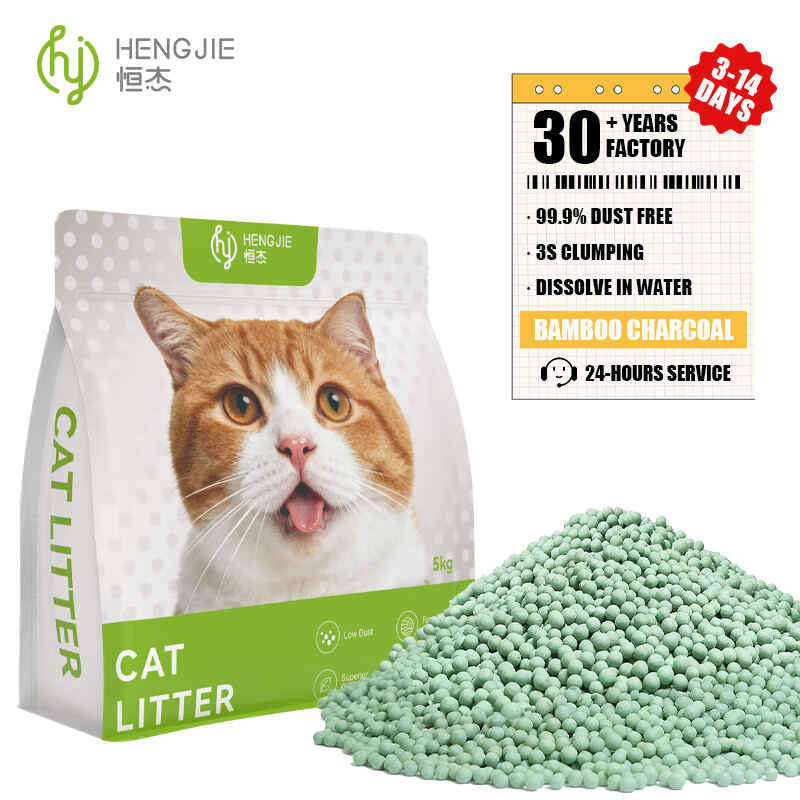
Managing your feline companion's litter box effectively requires understanding the fundamental properties of cat sand and how different materials perform in real-world conditions. The choice of cat sand directly impacts both absorption capabilities and odor control effectiveness, making it essential for pet owners to select products that deliver consistent performance. Modern cat sand formulations incorporate advanced absorption technologies that can dramatically improve the cleanliness and freshness of your pet's environment while reducing maintenance requirements.
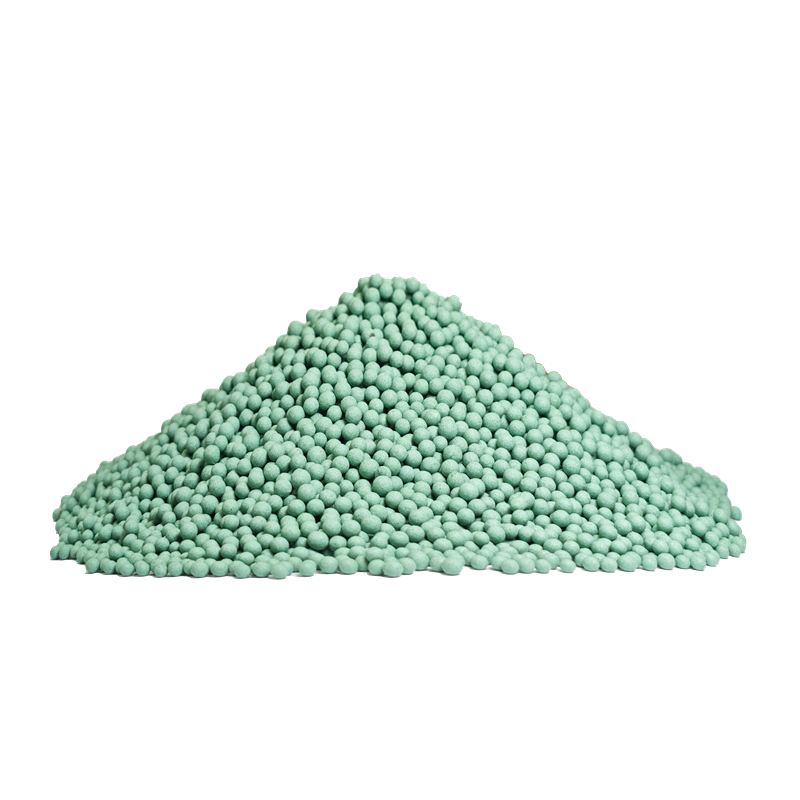
Understanding Cat Sand Absorption Mechanisms
Clay-Based Absorption Properties
Traditional clay-based cat sand relies on the natural porous structure of bentonite and other clay minerals to absorb moisture effectively. These materials form clumps when exposed to liquid, creating discrete masses that can be easily removed from the litter box. The absorption capacity of clay-based cat sand typically ranges from three to five times its dry weight, depending on the specific mineral composition and processing methods used during manufacturing.
The clumping action of quality clay cat sand occurs through the swelling properties of sodium bentonite, which expands when moisture is present. This expansion creates tight seals around waste materials, preventing liquid from penetrating deeper into the litter bed and reducing the overall amount of cat sand that requires replacement. Professional veterinarians often recommend clay-based options for their reliable performance and ease of maintenance.
Advanced Polymer Integration
Modern cat sand formulations increasingly incorporate super absorbent polymers that can absorb up to several hundred times their weight in liquid. These synthetic materials work through a process called osmotic absorption, where polymer chains create a gel-like matrix that traps moisture molecules effectively. The integration of these advanced materials significantly enhances the overall absorption capacity of cat sand products.
The polymer enhancement process involves carefully balancing the ratio of traditional absorption materials with synthetic components to optimize both performance and cost-effectiveness. High-quality cat sand products utilizing polymer technology can maintain dry surface conditions for extended periods, reducing the frequency of complete litter box changes and improving overall hygiene standards.
Effective Odor Control Strategies
Chemical Neutralization Methods
Controlling odors in cat sand requires understanding the chemical processes that create unpleasant smells in litter boxes. Ammonia formation from urine breakdown represents the primary odor challenge, requiring cat sand formulations that can either neutralize these compounds or prevent their formation entirely. Effective odor control often involves incorporating pH-balancing agents that maintain optimal chemical conditions for odor suppression.
Professional-grade cat sand products frequently include activated carbon or zeolite minerals that trap odor molecules through physical adsorption processes. These materials create microscopic pockets where odor compounds become permanently bound, preventing their release into the surrounding air. The effectiveness of chemical neutralization depends on maintaining proper moisture levels and ensuring adequate contact between the cat sand and waste materials.
Bacterial Growth Prevention
Preventing bacterial proliferation in cat sand requires maintaining environmental conditions that discourage microbial growth while preserving the natural absorption properties of the litter material. Moisture control represents the most critical factor in bacterial prevention, as most odor-producing bacteria thrive in humid conditions with organic matter present. Quality cat sand maintains optimal moisture balance through superior absorption and clumping characteristics.
Antimicrobial additives in premium cat sand formulations provide additional protection against bacterial growth without compromising safety for pets or humans. These additives work continuously to suppress microbial activity while allowing beneficial natural processes to continue. Regular maintenance practices, including prompt removal of waste materials and periodic complete litter replacement, enhance the effectiveness of bacterial growth prevention measures.
Optimal Application Techniques
Proper Depth and Distribution
Achieving maximum absorption and odor control from cat sand requires maintaining appropriate depth levels in the litter box, typically between two and three inches for most products. This depth allows for effective clumping while providing sufficient material for absorption without creating excessive waste. Deeper layers may seem beneficial but often result in poor clumping performance and increased material costs without corresponding benefits.
Even distribution of cat sand across the litter box surface ensures consistent performance and prevents the formation of thin spots where absorption might be compromised. Creating slight slopes toward the center of the box can help direct liquid waste toward areas with maximum cat sand depth, improving overall clumping efficiency and making waste removal more straightforward for pet owners.
Maintenance Frequency Optimization
Determining the optimal maintenance schedule for cat sand involves balancing odor control needs with material efficiency and cost considerations. Daily removal of solid waste and formed clumps maintains the cleanliness and effectiveness of remaining cat sand while preventing the buildup of odor-causing bacteria. This approach maximizes the useful life of each litter box filling while maintaining optimal hygiene standards.
Complete cat sand replacement should occur when the remaining material can no longer provide adequate absorption or odor control, typically every one to two weeks depending on usage patterns and product quality. Monitoring the color, texture, and smell of used cat sand provides reliable indicators for determining replacement timing. High-quality products with superior absorption properties often extend the time between complete changes significantly.
Material Selection Considerations
Environmental Impact Assessment
Modern pet owners increasingly consider the environmental implications of their cat sand choices, evaluating factors such as biodegradability, manufacturing energy requirements, and packaging materials. Natural clay-based cat sand products typically offer better environmental profiles than synthetic alternatives, though performance differences must be weighed against sustainability concerns. Responsible sourcing of raw materials ensures that cat sand production doesn't contribute to environmental degradation.
Recycled and renewable material options in cat sand formulations provide environmentally conscious alternatives without sacrificing performance characteristics. These products often incorporate agricultural waste materials or recycled paper products that maintain effective absorption and odor control properties. Evaluating the complete lifecycle impact of different cat sand options helps pet owners make informed decisions that align with their environmental values.
Health and Safety Factors
Pet health considerations play a crucial role in cat sand selection, particularly for households with cats that have respiratory sensitivities or allergies to dust particles. Low-dust formulations of cat sand reduce airborne particulates that can irritate both pets and humans while maintaining excellent absorption and clumping performance. Regular monitoring of pets for signs of respiratory distress or skin irritation helps ensure that selected cat sand products remain appropriate for long-term use.
Chemical safety evaluations of cat sand additives ensure that odor control agents and absorption enhancers don't pose risks to pet health through direct contact or ingestion. Reputable manufacturers provide detailed safety data for their cat sand products, including information about any synthetic components or processing chemicals used during production. Consulting with veterinary professionals can provide additional guidance on selecting cat sand products appropriate for specific pet health needs.
Performance Enhancement Methods
Temperature and Humidity Control
Environmental conditions significantly influence cat sand performance, with temperature and humidity levels affecting both absorption rates and odor control effectiveness. Maintaining moderate temperature conditions helps preserve the structural integrity of cat sand materials while preventing excessive moisture buildup that can compromise clumping performance. Proper ventilation around litter box areas supports optimal cat sand function by facilitating moisture evaporation and air circulation.
Humidity control measures, such as using dehumidifiers in basements or other high-moisture areas, can dramatically improve cat sand performance and extend its useful life. Excessive humidity prevents proper moisture absorption and can lead to premature saturation of cat sand materials, reducing their effectiveness and requiring more frequent replacement. Monitoring environmental conditions helps optimize cat sand performance while identifying potential issues before they impact cleanliness or odor control.
Strategic Layering Techniques
Advanced cat sand application involves strategic layering techniques that maximize absorption efficiency while minimizing material usage and waste generation. Creating a base layer of high-absorption cat sand topped with a finer-grained clumping material can provide superior performance compared to single-material approaches. This technique allows for optimal liquid absorption while maintaining excellent clumping characteristics for easy waste removal.
Incorporating odor-control materials at specific depths within the cat sand bed can enhance overall performance without increasing surface dust or changing the texture that cats prefer. Strategic placement of activated carbon or other odor-absorbing materials in the middle layer of cat sand provides continuous odor suppression while maintaining familiar surface characteristics. These advanced techniques require careful material selection and application but can significantly improve overall litter box performance.
FAQ
How often should cat sand be completely replaced
Complete cat sand replacement frequency depends on several factors including the number of cats using the litter box, the quality of the cat sand product, and individual pet habits. Generally, high-quality clumping cat sand should be completely replaced every one to two weeks for single-cat households, while multi-cat environments may require more frequent changes. Regular daily maintenance through waste removal can extend the useful life of cat sand significantly while maintaining optimal hygiene and odor control.
What depth of cat sand provides optimal performance
The ideal depth for cat sand typically ranges between two and three inches, providing sufficient material for effective clumping while avoiding waste and maintaining cost efficiency. Depths below two inches may not provide adequate absorption capacity, while depths exceeding four inches often result in poor clumping performance and increased material costs. The specific optimal depth can vary slightly depending on the type of cat sand used and individual pet preferences, but the two to three inch range works well for most situations.
Can different types of cat sand be mixed together
Mixing different types of cat sand can be beneficial when done strategically, such as combining high-absorption materials with superior clumping agents or adding odor-control components to basic clay products. However, random mixing of incompatible materials may result in reduced performance compared to using single high-quality products. The key is understanding the properties of each cat sand type and ensuring that combined materials complement rather than interfere with each other's absorption and clumping mechanisms.
How does cat sand quality affect long-term costs
Higher-quality cat sand products often provide better long-term value despite higher initial purchase prices due to superior absorption capacity, better clumping performance, and extended useful life between complete changes. Premium cat sand typically requires less frequent replacement and generates less waste, offsetting the higher per-pound cost through improved efficiency. Additionally, better odor control and easier maintenance can provide intangible benefits that justify the investment in quality cat sand products for most pet owners.