

 EN
EN
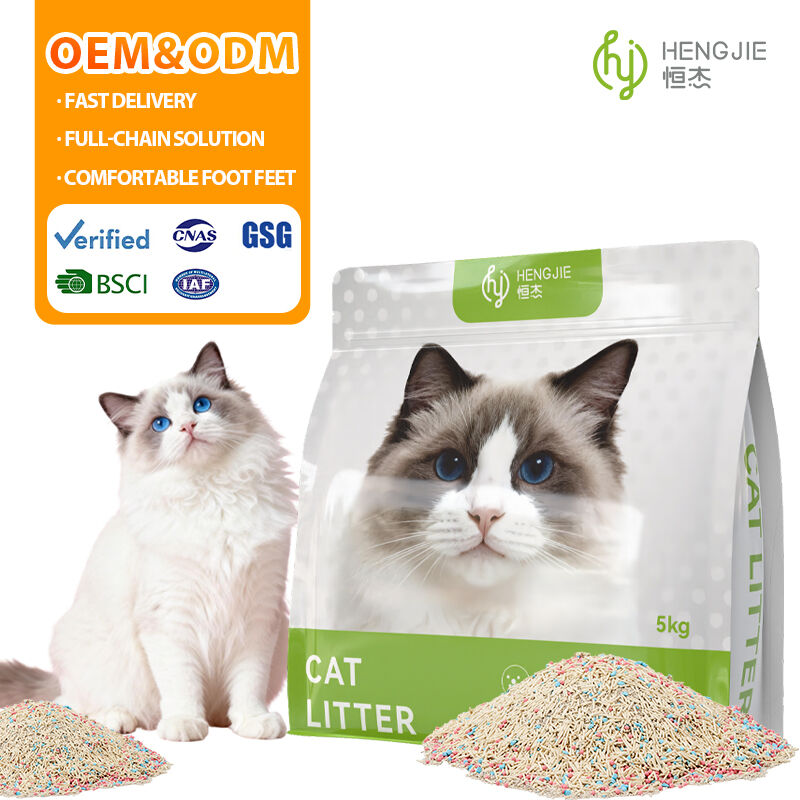
Managing multiple cats in one household presents unique challenges, especially when it comes to maintaining proper hygiene and cleanliness. One of the most critical aspects involves selecting and managing the right cat litter system that can handle increased usage while keeping your home fresh and odor-free. Multi-cat households require strategic planning, premium products, and consistent maintenance routines to ensure all feline family members remain comfortable and healthy.
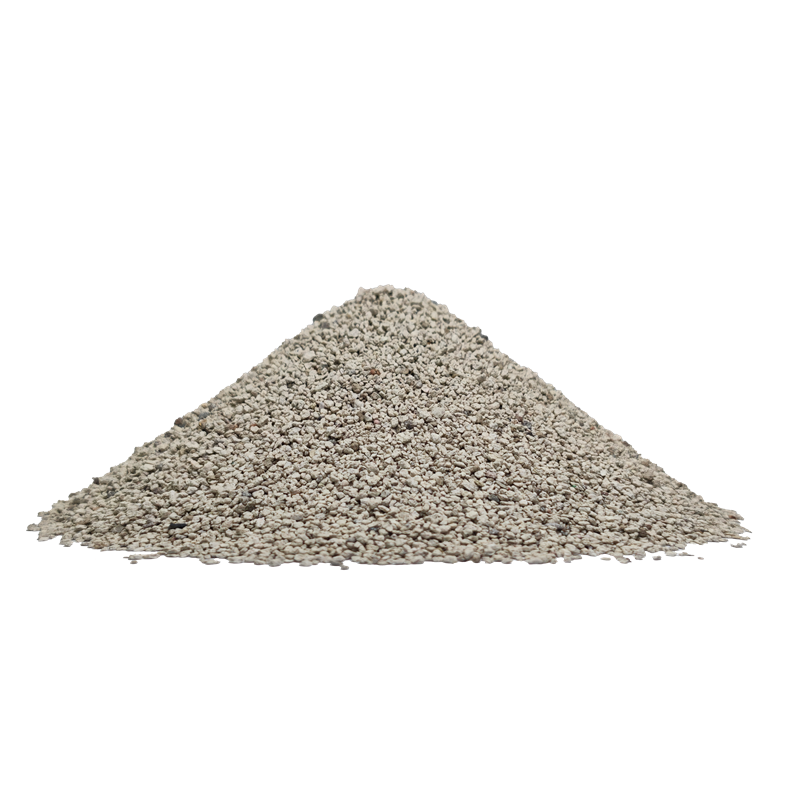
The complexity of maintaining a clean environment increases exponentially with each additional cat. Standard single-cat approaches often fall short when dealing with multiple animals sharing the same space. Understanding the specific needs of multi-cat households helps pet owners create effective strategies that promote harmony while maintaining sanitary conditions. Proper cat litter management becomes the foundation for a successful multi-pet home environment.
Essential Requirements for Multi-Cat Litter Systems
Calculating Adequate Litter Box Quantities
The fundamental rule for multi-cat households involves providing sufficient litter box access for all residents. Veterinarians and pet behaviorists recommend maintaining one litter box per cat plus one additional box. This formula ensures adequate availability during peak usage times and reduces territorial conflicts. For example, three cats require four separate litter boxes distributed throughout the home to prevent overcrowding and maintain cleanliness standards.
Strategic placement of multiple boxes prevents dominance issues and encourages consistent usage patterns. Cats naturally prefer having options and may avoid using boxes that smell heavily of other cats. Distributing boxes across different floors or rooms provides privacy and reduces competition. Quality cat litter in each box ensures optimal absorption and odor control regardless of usage frequency.
Selecting High-Performance Litter Materials
Multi-cat environments demand superior absorption capabilities and extended odor control compared to single-cat situations. Premium clumping formulas provide the durability needed to handle increased waste volume while maintaining easy cleanup procedures. Clay-based cat litter with advanced clumping technology offers excellent performance for busy households with multiple pets requiring frequent maintenance.
Natural materials like bentonite clay create tight, scoopable clumps that prevent waste from breaking apart during removal. This characteristic becomes particularly important when multiple cats use the same boxes throughout the day. Superior clumping action reduces waste and extends the lifespan of each litter fill, making maintenance more efficient and cost-effective for multi-cat households.
Optimal Maintenance Schedules and Techniques
Daily Cleaning Protocols
Establishing consistent daily cleaning routines prevents odor buildup and maintains sanitary conditions in multi-cat environments. Morning and evening scooping sessions remove waste before odors become overwhelming. Regular removal of soiled cat litter clumps prevents bacterial growth and keeps remaining material fresh for continued use throughout the day.
Implementing systematic cleaning approaches ensures no boxes get overlooked during busy periods. Creating checklists or rotating responsibilities among household members maintains consistency. Daily attention to each litter box prevents accumulation that could discourage cats from using their designated areas, potentially leading to inappropriate elimination behaviors.
Weekly Deep Cleaning Procedures
Complete litter box sanitization on a weekly basis eliminates embedded odors and bacterial buildup that daily scooping cannot address. Emptying all cat litter completely allows thorough washing of box surfaces with pet-safe cleaning solutions. This deep cleaning process removes residual smells that might deter sensitive cats from using their boxes consistently.
After washing and drying each box completely, adding fresh cat litter to appropriate depths ensures optimal performance for the upcoming week. Most cats prefer litter depths between two to three inches, providing adequate material for burying waste while preventing overflow issues. Consistent depth maintenance across all boxes creates uniform conditions that all household cats can rely upon.
Advanced Odor Management Strategies
Ventilation and Air Quality Control
Proper air circulation around litter box areas significantly impacts overall household air quality in multi-cat environments. Installing exhaust fans or air purifiers near primary litter locations helps remove airborne particles and odors before they spread throughout living spaces. Strategic ventilation planning prevents odor concentration in specific areas of the home.
Natural airflow patterns should guide litter box placement decisions to maximize odor dispersion. Avoiding enclosed spaces without adequate ventilation prevents odor buildup that could become overwhelming over time. Even premium cat litter benefits from proper air circulation to maintain optimal performance in multi-cat households.
Supplementary Odor Control Methods
Beyond selecting quality cat litter materials, additional odor control measures enhance overall effectiveness in multi-cat situations. Activated charcoal filters placed near litter areas absorb airborne odors while baking soda sprinkled lightly over fresh litter provides extra neutralization power. These supplementary approaches work synergistically with premium litter formulations to maintain fresh conditions.
Regular replacement of odor-absorbing materials maintains their effectiveness over time. Monitoring air quality and adjusting supplementary measures based on seasonal changes or household activity levels ensures consistent results. Combining multiple odor control strategies creates comprehensive solutions that address the unique challenges of multi-cat households effectively.
Behavioral Considerations and Problem Prevention
Territorial Management Techniques
Understanding feline territorial instincts helps prevent litter box conflicts in multi-cat households. Cats naturally establish hierarchies that can affect bathroom habits and preferences. Providing multiple options reduces competition and allows subordinate cats to access clean facilities without confronting dominant household members.
Observing individual cat preferences for specific cat litter textures or locations helps optimize the overall system for all residents. Some cats prefer finer textures while others favor coarser materials. Offering variety across different boxes accommodates individual preferences while maintaining overall household harmony and consistent usage patterns.
Stress Reduction and Comfort Enhancement
Creating calm, private environments around each litter box reduces stress and encourages regular usage among all household cats. Avoiding high-traffic areas and providing visual barriers helps sensitive cats feel secure while using their facilities. Stress reduction directly correlates with consistent litter box usage and overall household harmony.
Maintaining familiar cat litter brands and avoiding sudden changes prevents behavioral disruptions that could affect the entire household. Gradual transitions when changing products allow cats to adjust without stress or confusion. Consistency in materials, locations, and cleaning schedules creates predictable environments that support positive bathroom habits across the entire feline population.
Cost-Effective Solutions for Large Households
Bulk Purchasing Strategies
Multi-cat households consume significantly more cat litter than single-pet homes, making bulk purchasing an essential cost management strategy. Buying larger quantities reduces per-unit costs while ensuring adequate supplies during high-usage periods. Storage considerations become important when maintaining sufficient inventory for multiple cats and boxes.
Calculating monthly usage rates helps determine optimal purchasing quantities and timing. Most multi-cat households benefit from monthly bulk orders that provide consistent supplies without storage challenges. Premium cat litter brands often offer bulk discounts that make high-quality materials more affordable for large households with multiple pets requiring regular maintenance.
Efficiency Optimization Methods
Implementing systematic approaches to litter management reduces waste and maximizes material efficiency in multi-cat environments. Proper scooping techniques preserve clean litter while removing only soiled portions. Training all household members in efficient cleaning methods ensures consistent results regardless of who performs maintenance duties.
Monitoring individual box usage patterns helps identify opportunities for optimization and efficiency improvements. Some boxes may require more frequent attention while others remain relatively clean throughout the day. Adjusting maintenance schedules based on actual usage data improves overall system performance while reducing unnecessary labor and material waste.
Health Monitoring and Prevention
Early Warning Signs Detection
Regular litter box maintenance provides opportunities for monitoring individual cat health through waste observation. Changes in frequency, consistency, or appearance of waste products often indicate developing health issues requiring veterinary attention. Multi-cat households require additional vigilance to identify which specific cat might be experiencing problems.
Establishing baseline patterns for each cat helps identify deviations that warrant concern. Tracking information about individual elimination habits creates valuable data for veterinary consultations when health issues arise. Quality cat litter that clumps well makes waste examination easier and more informative during routine cleaning procedures.
Hygiene and Sanitation Protocols
Maintaining strict hygiene standards in multi-cat environments prevents disease transmission and protects overall household health. Regular hand washing after litter box maintenance and using dedicated cleaning tools prevents cross-contamination between boxes. Proper sanitation becomes increasingly critical as the number of cats in the household increases.
Implementing quarantine procedures for new cats or sick animals prevents potential health issues from spreading throughout the multi-cat population. Separate litter facilities for quarantined animals protect healthy household members while ensuring sick cats receive appropriate care. Disposable cat litter options may be beneficial during illness periods to prevent contamination of regular supplies.
FAQ
How often should I completely change cat litter in a multi-cat household
Complete litter changes should occur weekly in most multi-cat households, though heavily used boxes may require more frequent replacement. The frequency depends on the number of cats, box size, and litter quality. High-quality clumping cat litter can often extend replacement intervals when combined with diligent daily scooping. Monitor odor levels and cleanliness to determine optimal replacement timing for your specific situation.
What depth of cat litter works best for multiple cats sharing boxes
Maintain litter depths between 2-3 inches in multi-cat households to provide adequate burying material while preventing overflow during heavy usage periods. Deeper litter allows better waste coverage and odor control when multiple cats use the same facilities throughout the day. Avoid depths exceeding 4 inches as this can create instability and discourage some cats from using the boxes consistently.
Can different cats in the same household use different types of cat litter
Yes, providing different litter types in separate boxes can accommodate individual preferences and improve overall usage consistency in multi-cat households. Some cats prefer clay-based materials while others favor natural alternatives like corn or wheat-based options. Offering variety reduces territorial conflicts and ensures all cats have access to their preferred elimination surfaces for optimal household harmony.
How many litter boxes do I need for four cats living together
Four cats require a minimum of five litter boxes following the standard formula of one box per cat plus one additional. Distribute these boxes across different areas of your home to prevent overcrowding and territorial disputes. Strategic placement ensures all cats have convenient access to clean facilities while reducing competition during peak usage times throughout the day.