

 EN
EN
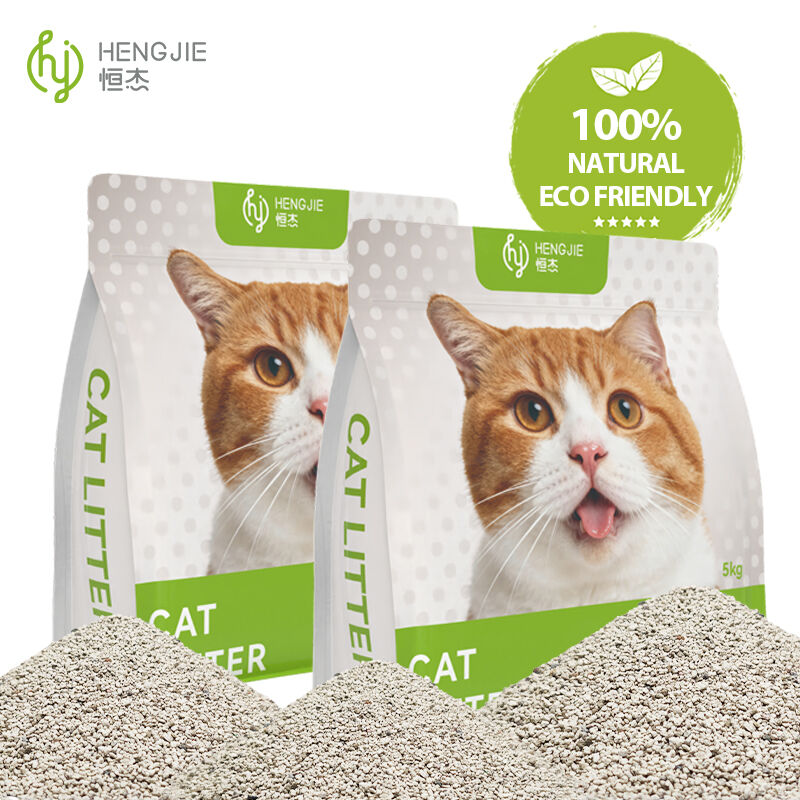
Managing multiple cats in one household presents unique challenges, particularly when it comes to litter box maintenance and odor control. Mixed cat litter has emerged as an innovative solution that combines the best properties of different litter materials to address the complex needs of multi-cat environments. This comprehensive approach to cat waste management offers superior absorption, enhanced odor control, and improved clumping action that traditional single-material litters often cannot provide. Understanding how to effectively implement mixed cat litter systems can transform your multi-cat home into a more pleasant and hygienic environment for both pets and their owners.
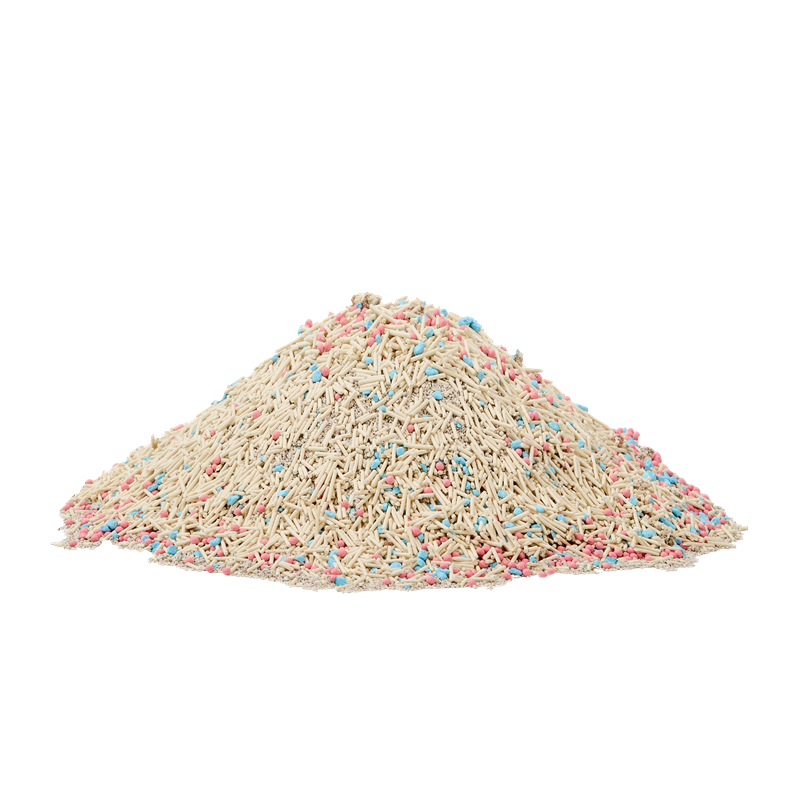
Understanding Mixed Cat Litter Composition
Essential Components of Effective Mixed Formulations
Mixed cat litter typically combines two or more base materials to create a synergistic effect that outperforms individual components. The most common combinations include bentonite clay with natural plant fibers, silica gel crystals with biodegradable materials, and corn-based litters mixed with traditional clay substrates. Each component contributes specific benefits to the overall performance profile of the mixed cat litter system. Bentonite clay provides excellent clumping properties and moisture absorption, while plant-based materials offer natural odor control and environmental sustainability.
The proportion of each material in mixed cat litter formulations varies depending on intended performance characteristics and target applications. High-performance formulations often contain 60-70% primary clumping agent combined with 20-30% odor-controlling additives and 10% texture-enhancing components. This balanced approach ensures that mixed cat litter maintains structural integrity while delivering superior waste management capabilities. Understanding these compositional relationships helps cat owners select the most appropriate mixed cat litter products for their specific household requirements.
Benefits of Multi-Material Litter Systems
The primary advantage of mixed cat litter lies in its ability to address multiple performance criteria simultaneously through complementary material properties. Traditional single-material litters often excel in one area while showing weaknesses in others, but mixed formulations can optimize multiple performance metrics concurrently. Superior clumping action combines with enhanced odor control, improved tracking resistance, and reduced dust generation to create a more comprehensive waste management solution.
Environmental considerations also favor mixed cat litter systems that incorporate biodegradable components alongside high-performance synthetic materials. These hybrid formulations reduce overall environmental impact while maintaining the performance standards required for multi-cat households. The inclusion of natural materials in mixed cat litter products provides additional benefits such as reduced manufacturing energy requirements and improved disposal options for environmentally conscious pet owners.
Optimal Litter Box Setup for Multiple Cats
Strategic Placement and Quantity Guidelines
Successful implementation of mixed cat litter in multi-cat homes begins with proper litter box placement and quantity considerations. The general rule of providing one litter box per cat plus one additional box becomes even more critical when using mixed cat litter systems. Strategic placement throughout the home ensures that all cats have convenient access while preventing territorial disputes and overcrowding issues that can compromise litter performance.
Location selection plays a crucial role in mixed cat litter effectiveness, as proper ventilation and accessibility directly impact odor control and usage patterns. Boxes should be positioned in quiet, low-traffic areas that provide privacy while maintaining easy access for regular maintenance. The superior odor control properties of mixed cat litter allow for more flexible placement options compared to traditional litters, but basic principles of cat behavior and household logistics still apply.
Box Size and Design Considerations
Larger litter boxes work particularly well with mixed cat litter systems, as they provide adequate space for the enhanced clumping action to function effectively. The improved cohesion characteristics of mixed cat litter formulations require sufficient room for proper waste encapsulation and easy removal. Standard litter box dimensions should be increased by 20-30% when using mixed cat litter to accommodate the enhanced clumping properties and facilitate thorough waste removal.
Box design features such as high sides, non-stick surfaces, and easy-access entries become more important when utilizing mixed cat litter systems in multi-cat environments. The superior clumping action of mixed cat litter can create larger waste clumps that require adequate clearance for removal without breaking apart. Selecting appropriate litter box designs enhances the performance benefits of mixed cat litter while simplifying maintenance procedures for busy pet owners.
Maintenance Protocols for Mixed Litter Systems
Daily Cleaning Procedures
Effective maintenance of mixed cat litter requires modified daily cleaning procedures that account for the unique properties of multi-material formulations. The enhanced clumping action typically produces more cohesive waste clumps that can be removed more completely, reducing residual contamination and extending overall litter life. Daily scooping should focus on gentle lifting motions that preserve clump integrity and minimize material waste.
Timing of daily maintenance activities affects mixed cat litter performance, particularly in multi-cat households where usage patterns may vary throughout the day. Morning and evening cleaning sessions typically capture the majority of waste while allowing adequate time for proper clump formation. The improved odor control properties of mixed cat litter provide greater flexibility in cleaning schedules, but consistent daily maintenance remains essential for optimal performance and cat satisfaction.
Weekly Deep Cleaning and Replacement
Weekly maintenance procedures for mixed cat litter systems involve complete litter replacement and thorough box sanitization to maintain optimal hygiene standards. The extended performance life of mixed cat litter formulations allows for longer replacement intervals compared to traditional litters, but complete changes remain necessary to prevent bacterial accumulation and maintain odor control effectiveness. Proper disposal of used mixed cat litter should follow local waste management guidelines and consider environmental impact.
Deep cleaning protocols include thorough washing of litter boxes with appropriate disinfectants that will not interfere with mixed cat litter performance. Residual cleaning product contamination can affect clumping action and odor control properties, making thorough rinsing and complete drying essential before refilling with fresh mixed cat litter. This comprehensive approach ensures optimal performance and extends the service life of both litter boxes and mixed cat litter products.
Health and Safety Considerations
Dust Control and Respiratory Health
Mixed cat litter formulations often provide improved dust control compared to traditional clay-based litters through the incorporation of binding agents and dust suppression technologies. Low-dust formulations are particularly important in multi-cat homes where increased litter usage can elevate airborne particle concentrations. The respiratory health benefits of reduced-dust mixed cat litter extend to both cats and their human companions, making this an important selection criterion for sensitive individuals.
Proper handling techniques during litter box filling and maintenance help minimize dust exposure regardless of mixed cat litter formulation. Slow pouring, adequate ventilation, and appropriate protective equipment reduce inhalation risks and maintain indoor air quality. The superior clumping properties of mixed cat litter also contribute to reduced dust generation during waste removal compared to non-clumping alternatives.
Chemical Safety and Ingredient Transparency
Understanding the chemical composition of mixed cat litter products ensures safe usage in multi-cat households, particularly where kittens or cats with sensitivities may be present. Reputable manufacturers provide detailed ingredient lists and safety data sheets that allow informed decision-making regarding mixed cat litter selection. Natural and synthetic components should be evaluated for potential allergens, toxicity concerns, and interaction effects.
Cats with specific health conditions may require specialized mixed cat litter formulations that avoid certain ingredients or emphasize particular performance characteristics. Consultation with veterinary professionals can guide selection of appropriate mixed cat litter products for cats with urinary tract sensitivities, respiratory conditions, or other health concerns that may be affected by litter composition or performance properties.
Environmental Impact and Sustainability
Biodegradable Components and Disposal Options
Environmental sustainability has become an increasingly important consideration in mixed cat litter selection, driving innovation in biodegradable component integration and disposal methodology. Modern mixed cat litter formulations often incorporate renewable plant-based materials alongside traditional mineral components to reduce overall environmental impact while maintaining performance standards. These hybrid approaches balance ecological responsibility with practical waste management requirements.
Disposal options for mixed cat litter vary significantly depending on composition and local waste management infrastructure. Some formulations containing high percentages of biodegradable materials may be suitable for composting applications, while others require traditional landfill disposal. Understanding local regulations and disposal capabilities helps optimize environmental impact while ensuring compliance with waste management requirements.
Manufacturing Sustainability and Carbon Footprint
The manufacturing processes used to create mixed cat litter products influence overall environmental impact through energy consumption, transportation requirements, and raw material sourcing practices. Local sourcing of natural components can significantly reduce transportation-related carbon emissions while supporting regional agricultural economies. Manufacturing efficiency improvements in mixed cat litter production continue to reduce environmental impact while maintaining cost effectiveness.
Life cycle assessments of mixed cat litter products help quantify environmental impacts across production, transportation, usage, and disposal phases. These comprehensive evaluations guide both manufacturing improvements and consumer selection decisions, promoting more sustainable approaches to cat waste management. The extended performance life of high-quality mixed cat litter formulations can offset higher initial environmental costs through reduced replacement frequency and packaging waste.
FAQ
How often should mixed cat litter be completely replaced in a multi-cat household?
Complete replacement of mixed cat litter in multi-cat homes typically occurs every 2-3 weeks, depending on the number of cats, usage patterns, and specific product formulation. The enhanced performance characteristics of mixed cat litter generally allow for longer replacement intervals compared to traditional litters, but monitoring odor control and clumping effectiveness helps determine optimal timing. Heavy usage situations may require more frequent complete changes to maintain sanitary conditions.
Can different brands of mixed cat litter be combined safely?
Combining different mixed cat litter brands is generally safe but may compromise performance characteristics if formulations contain incompatible components or conflicting clumping mechanisms. It is recommended to use single-brand formulations to ensure optimal performance and avoid potential interaction issues between different chemical compositions. If transitioning between brands, gradual mixing over several days helps cats adjust while allowing evaluation of combined performance.
What signs indicate that mixed cat litter is not working effectively for multiple cats?
Key indicators of inadequate mixed cat litter performance include persistent odors despite regular maintenance, poor clumping action that leaves residual waste, excessive tracking throughout the home, and cats avoiding litter boxes or eliminating outside designated areas. Increased frequency of complete litter changes or visible accumulation of waste that cannot be effectively removed also suggest that current formulations may not be suitable for the specific multi-cat household requirements.
Are there specific mixed cat litter formulations designed specifically for multi-cat homes?
Yes, several manufacturers offer mixed cat litter formulations specifically engineered for multi-cat households, featuring enhanced odor control agents, superior clumping properties, and extended performance life. These specialized products typically contain higher concentrations of active ingredients and may incorporate additional antimicrobial components to manage the increased waste volume and complexity associated with multiple cats. Product labeling and manufacturer specifications clearly identify multi-cat formulations.
Table of Contents
- Understanding Mixed Cat Litter Composition
- Optimal Litter Box Setup for Multiple Cats
- Maintenance Protocols for Mixed Litter Systems
- Health and Safety Considerations
- Environmental Impact and Sustainability
-
FAQ
- How often should mixed cat litter be completely replaced in a multi-cat household?
- Can different brands of mixed cat litter be combined safely?
- What signs indicate that mixed cat litter is not working effectively for multiple cats?
- Are there specific mixed cat litter formulations designed specifically for multi-cat homes?