

 EN
EN
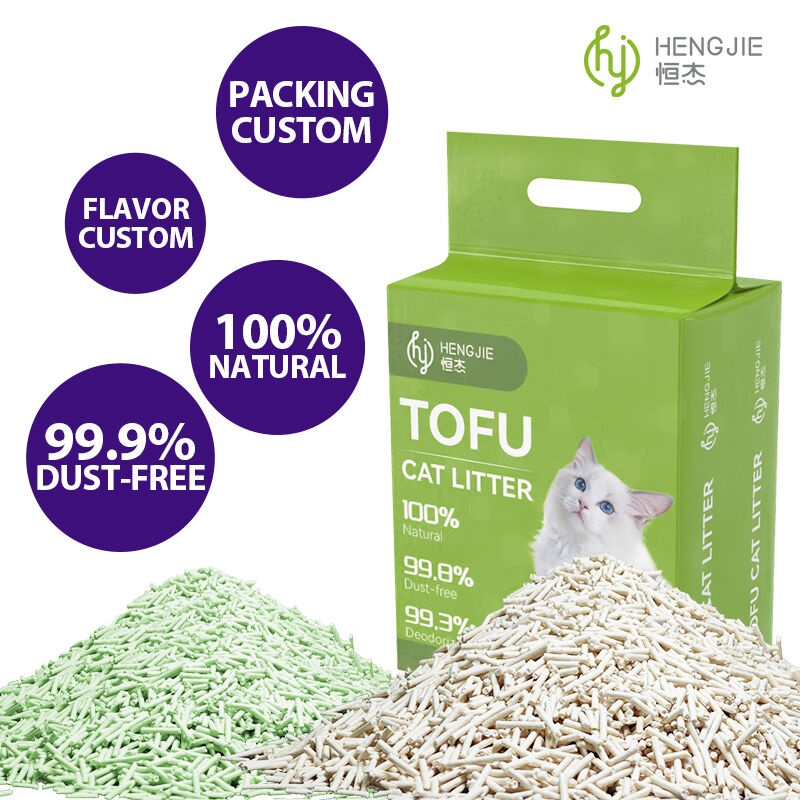
Cat owners constantly seek effective solutions to maintain optimal litter box hygiene while ensuring their feline companions remain comfortable and healthy. The evolution of cat litter technology has led to innovative approaches that combine different materials to create superior performance characteristics. Mixed cat litter represents a breakthrough in pet hygiene management, offering enhanced absorption, odor control, and clumping capabilities that surpass traditional single-material options. Understanding how different litter components work together can help pet owners make informed decisions about their cats' sanitary needs.
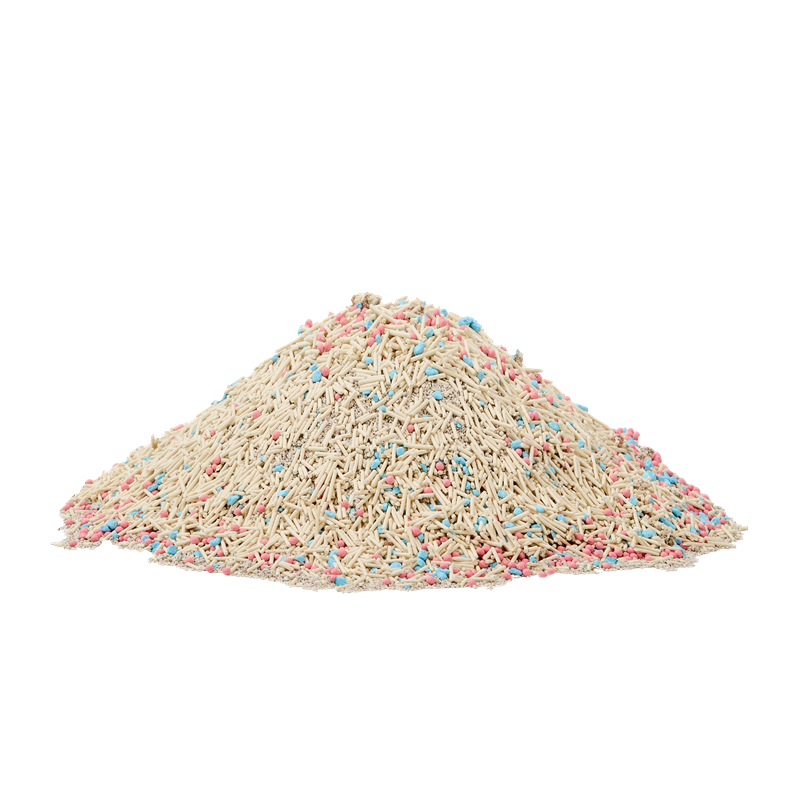
Understanding the Science Behind Combined Litter Materials
Absorption Mechanisms in Hybrid Systems
The fundamental principle behind mixed cat litter effectiveness lies in combining materials with complementary absorption properties. Bentonite clay provides exceptional liquid absorption through its molecular structure, while organic materials like tofu-based components offer rapid moisture wicking capabilities. When these materials work together, they create a multi-layered defense system against moisture and odors. The initial contact with liquid waste triggers immediate absorption by fast-acting organic components, while the clay materials provide long-term moisture retention and structural integrity.
Laboratory testing demonstrates that mixed cat litter formulations can absorb up to 300% more liquid than single-material alternatives. This enhanced capacity results from the synergistic interaction between different absorption mechanisms operating simultaneously. The porous structure of organic materials allows for rapid liquid penetration, while the expanding properties of bentonite clay create an effective seal that prevents moisture migration and bacterial growth.
Clumping Performance Enhancement
Traditional clumping mechanisms rely solely on clay expansion properties, which can result in brittle or crumbly formations that break apart during removal. Mixed cat litter systems incorporate binding agents and organic fibers that reinforce clump structure while maintaining easy scooping characteristics. The combination of natural starches from plant-based materials and mineral expansion creates cohesive clumps that remain intact during handling and disposal.
Professional veterinary studies indicate that superior clumping performance reduces waste tracking and maintains cleaner litter box conditions for extended periods. The enhanced structural integrity of mixed material clumps prevents fragmentation that can lead to residual moisture and odor accumulation in the litter box base. This improved performance translates to more efficient cleaning routines and reduced litter consumption over time.
Material Combinations and Their Specific Benefits
Bentonite and Organic Fiber Integration
The strategic combination of bentonite clay with organic fibers creates a mixed cat litter that addresses multiple hygiene challenges simultaneously. Bentonite provides the foundational clumping action and long-term odor control, while organic fibers contribute biodegradability and enhanced texture preferences for cats. This pairing eliminates many of the drawbacks associated with single-material systems, such as dust production or environmental concerns.
Organic fiber components derived from materials like corn, wheat, or soy introduce natural antimicrobial properties that complement the mineral-based odor control mechanisms of bentonite. The result is a comprehensive hygiene system that addresses bacterial growth, ammonia production, and moisture management through multiple pathways. Mixed cat litter formulations utilizing this combination often demonstrate superior performance in controlled testing environments.
Silica Integration for Moisture Management
Advanced mixed cat litter formulations incorporate silica gel crystals to provide exceptional moisture absorption and extended freshness duration. The crystalline structure of silica creates microscopic channels that trap moisture and odor molecules at the molecular level, while traditional clumping agents handle solid waste management. This dual-action approach ensures comprehensive waste management across all consistency levels.
The integration of silica components in mixed cat litter systems provides extended usage periods between complete litter changes, reducing overall maintenance requirements and material consumption. The moisture-absorbing capacity of silica gel remains effective even in high-humidity environments, making these formulations particularly suitable for multi-cat households or areas with challenging climate conditions.
Hygiene Advantages of Multi-Material Systems
Bacterial Growth Prevention
Mixed cat litter systems create inhospitable environments for harmful bacterial proliferation through multiple mechanisms operating simultaneously. The pH-balancing properties of certain organic components neutralize ammonia production, while mineral components provide antimicrobial surface interactions. This multi-pronged approach to bacterial control exceeds the capabilities of single-material systems significantly.
Research conducted by veterinary hygiene specialists demonstrates that mixed cat litter environments maintain lower bacterial counts over extended periods compared to traditional alternatives. The combination of rapid moisture absorption, pH regulation, and antimicrobial surface interactions creates conditions that discourage pathogenic organism growth while supporting overall litter box hygiene.
Odor Control Mechanisms
The superior odor control performance of mixed cat litter results from attacking odor-causing compounds through multiple chemical and physical processes. Activated carbon or charcoal components absorb volatile organic compounds, while clay minerals neutralize ammonia through ion exchange reactions. Organic materials contribute natural deodorizing enzymes that break down odor-causing bacteria at the source.
Long-term odor control testing reveals that mixed cat litter maintains acceptable odor levels for significantly longer periods than single-material alternatives. The layered approach to odor management ensures that breakthrough odors from one control mechanism are addressed by complementary systems, providing consistent performance throughout the product's useful life.
Environmental and Health Considerations
Biodegradability and Sustainability
Modern mixed cat litter formulations balance performance requirements with environmental responsibility by incorporating biodegradable organic components alongside mineral materials. The organic portions decompose naturally when disposed of properly, reducing long-term environmental impact while maintaining the performance characteristics that pet owners require. This approach addresses growing consumer concerns about sustainable pet care practices.
Sustainable mixed cat litter production utilizes renewable resources and waste byproducts from agricultural processing, creating value-added applications for materials that might otherwise require disposal. The resulting products maintain performance standards while supporting circular economy principles and reducing overall environmental footprint associated with pet waste management.
Respiratory Health Benefits
Traditional clay litters can produce significant dust levels during pouring and scooping activities, potentially causing respiratory irritation for both cats and humans. Mixed cat litter formulations often incorporate dust-suppressing agents and alternative material ratios that minimize airborne particulate generation while maintaining clumping and absorption performance.
The inclusion of organic fiber components in mixed cat litter systems provides natural dust binding properties that reduce airborne particles during routine maintenance activities. This improvement benefits households with respiratory sensitivities and creates more comfortable environments for both pets and their owners during litter box cleaning procedures.
Application Strategies for Optimal Performance
Proper Usage Techniques
Maximizing the benefits of mixed cat litter requires understanding proper application techniques and maintenance schedules. The optimal depth for mixed material systems typically ranges from 2-3 inches to ensure adequate absorption capacity while allowing proper clumping formation. Deeper applications may lead to waste of material, while insufficient depth compromises performance characteristics.
Regular maintenance schedules for mixed cat litter systems should account for the enhanced longevity provided by multi-material formulations. Daily scooping remains essential, but complete litter changes can often be extended compared to traditional single-material systems due to improved odor control and absorption capacity. This extended usage provides economic benefits while maintaining hygiene standards.
Transition Strategies for Cats
Introducing mixed cat litter to cats accustomed to traditional materials requires gradual transition strategies to ensure acceptance and continued litter box usage. Mixing increasing proportions of the new mixed material with existing litter over a 7-10 day period allows cats to adjust to texture and scent changes without stress or behavioral issues.
Monitoring cat behavior during the transition to mixed cat litter helps identify any preferences or concerns that may require adjustment in material ratios or application techniques. Most cats adapt successfully to mixed systems due to improved texture characteristics and reduced dust levels, but individual preferences should guide the final formulation selection.
Economic Benefits and Cost Considerations
Long-Term Value Analysis
While mixed cat litter products may carry higher initial purchase costs compared to basic clay alternatives, the enhanced performance characteristics typically result in superior long-term value propositions. Extended usage periods between complete changes, improved absorption efficiency, and reduced tracking all contribute to lower overall costs per use when properly evaluated.
Comprehensive cost analysis should include factors such as reduced cleaning time, lower replacement frequency, and improved household hygiene conditions when evaluating mixed cat litter investments. Many pet owners discover that the convenience and performance benefits justify the initial cost differential through reduced maintenance requirements and enhanced living conditions.
Multi-Cat Household Efficiency
Mixed cat litter systems provide particular advantages in multi-cat households where traditional litters may become overwhelmed by increased usage demands. The enhanced absorption capacity and odor control mechanisms maintain acceptable conditions for longer periods, reducing the frequency of complete litter changes and associated labor requirements.
The superior clumping performance of mixed cat litter formulations makes waste removal more efficient in high-traffic litter boxes, preventing the accumulation of broken clumps and residual moisture that can lead to sanitary issues. This improved efficiency translates to reduced material consumption and maintenance time in demanding usage scenarios.
FAQ
How does mixed cat litter compare to traditional clay litter in terms of absorption
Mixed cat litter typically provides 2-3 times better absorption capacity than traditional clay litter due to the synergistic effects of combining different material types. The organic components provide rapid initial absorption while clay materials offer long-term moisture retention, creating a comprehensive moisture management system that outperforms single-material alternatives.
Can mixed cat litter cause any health problems for cats
Quality mixed cat litter formulations are generally safer than traditional alternatives due to reduced dust production and natural antimicrobial properties. However, cats with specific sensitivities should be monitored during transition periods, and any signs of respiratory irritation or digestive issues from accidental ingestion should prompt consultation with a veterinarian.
How often should mixed cat litter be completely changed
Mixed cat litter systems typically require complete changes every 2-3 weeks for single-cat households, compared to weekly changes for traditional clay litters. Multi-cat households may need more frequent changes, but the extended performance characteristics still provide advantages over conventional alternatives. Daily scooping remains essential for optimal hygiene maintenance.
Is mixed cat litter more environmentally friendly than traditional options
Mixed cat litter formulations that incorporate biodegradable organic components offer improved environmental profiles compared to pure clay alternatives. The organic portions decompose naturally when disposed of properly, reducing long-term environmental impact. However, the overall environmental benefit depends on the specific material combinations and disposal methods used.