

 EN
EN
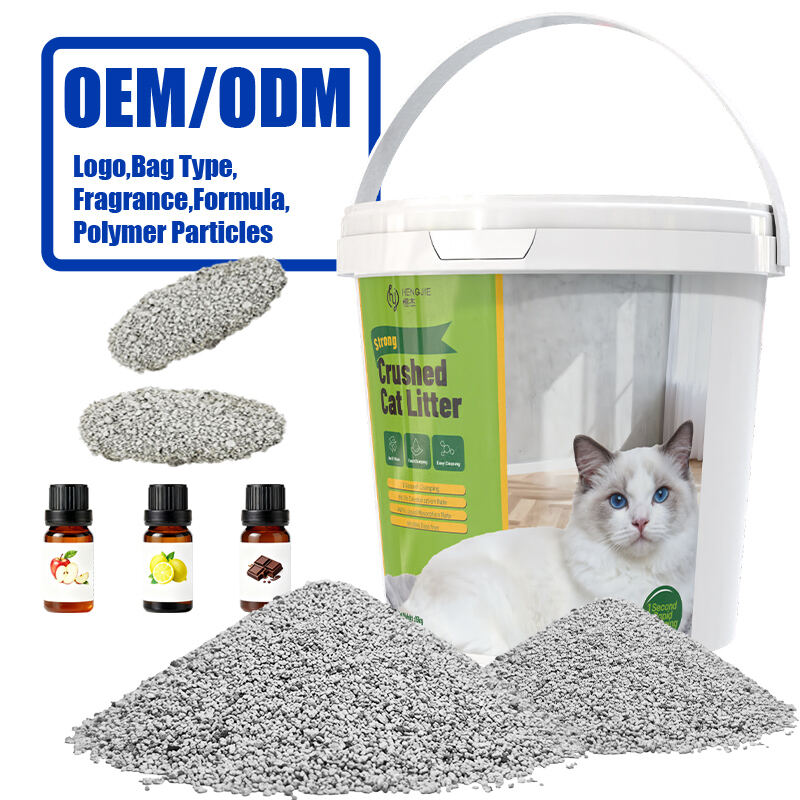
Cat owners seeking optimal litter box maintenance often turn to mixed cat litter solutions for superior odor control and clumping performance. This innovative combination typically blends different absorbent materials to create a more effective waste management system for feline companions. Understanding proper replacement schedules and usage techniques ensures your cats remain comfortable while maintaining household hygiene standards. The strategic approach to mixed cat litter management can significantly reduce cleaning time while extending the lifespan of your litter investment.
Understanding Mixed Cat Litter Composition and Benefits
Common Material Combinations in Mixed Cat Litter
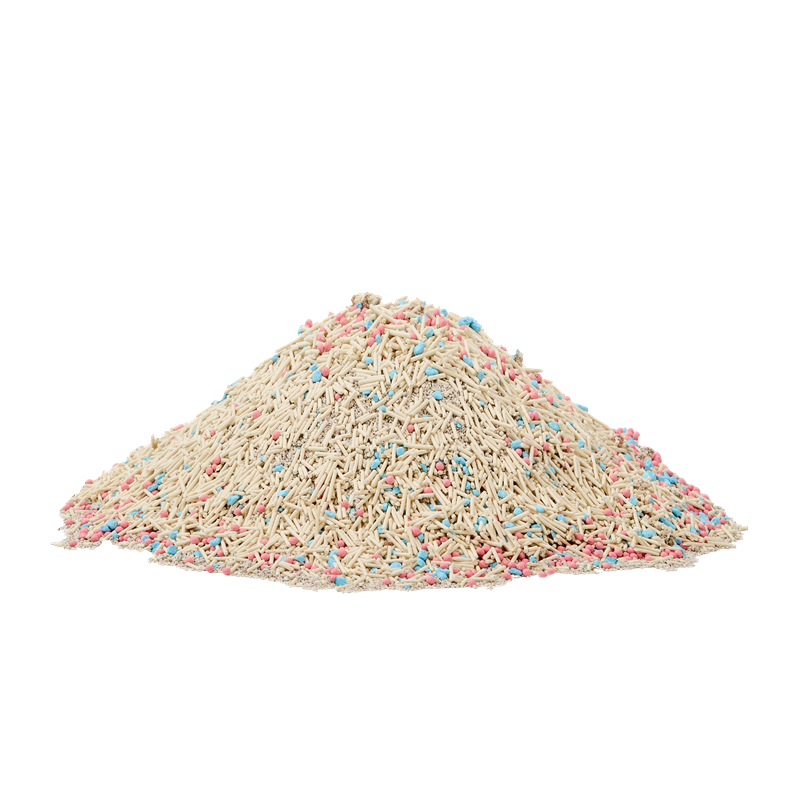
Mixed cat litter formulations typically combine clay-based materials with natural alternatives like wood pellets, corn, or recycled paper. This strategic blending leverages the strengths of each component while minimizing individual weaknesses. Clay provides excellent clumping properties, while organic materials offer superior odor absorption and environmental sustainability. Many manufacturers create proprietary blends that balance cost-effectiveness with performance metrics.
The most successful mixed cat litter combinations include bentonite clay with plant-based materials, creating a product that clumps firmly while maintaining natural odor control properties. Some formulations incorporate baking soda or other odor-neutralizing agents to enhance freshness. Understanding these compositions helps pet owners select the most appropriate mixed cat litter for their specific household needs and cat preferences.
Performance Advantages of Mixed Formulations
Mixed cat litter offers significant advantages over single-material options through synergistic effects between different components. The combination typically results in improved moisture absorption, better clumping consistency, and enhanced odor control capabilities. These benefits translate to longer-lasting freshness and reduced maintenance requirements for busy pet owners.
The multi-material approach in mixed cat litter also provides better tracking control, as different particle sizes and textures work together to reduce litter scatter outside the box. This feature particularly benefits households with multiple cats or high-traffic litter areas. Additionally, mixed formulations often produce less dust than traditional clay litters, creating a healthier environment for both cats and their human companions.
Optimal Replacement Schedules for Different Household Scenarios
Single Cat Household Replacement Guidelines
For households with one cat, mixed cat litter replacement typically follows a weekly to bi-weekly schedule, depending on the cat's age, health, and litter box usage patterns. Adult cats with regular bathroom habits usually require complete litter changes every 10-14 days when using high-quality mixed formulations. Daily spot cleaning remains essential for maintaining optimal hygiene and extending the litter's effective lifespan.
Senior cats or those with health conditions may necessitate more frequent mixed cat litter replacements due to increased urination or softer stool consistency. Monitoring your cat's elimination patterns helps determine the most appropriate replacement schedule. Kittens often require more frequent changes as they adapt to litter box training and may have less consistent bathroom habits during the learning process.
Multi-Cat Environment Management
Multiple cat households face unique challenges when managing mixed cat litter replacement schedules. The general rule suggests one litter box per cat plus one additional box, with more frequent replacement cycles to accommodate increased usage. Two to three cats typically require complete litter changes every 5-7 days, while households with four or more cats may need every 3-5 days.
Strategic placement of multiple litter boxes throughout the home helps distribute usage and extends the effective life of each mixed cat litter installation. Consider rotating replacement schedules so that not all boxes require changing simultaneously, maintaining consistent availability for your feline companions. This approach also allows you to identify which locations receive the most use and adjust your mixed cat litter purchasing accordingly.
Proper Application Techniques for Maximum Effectiveness
Depth and Distribution Methods
Achieving optimal performance from mixed cat litter requires proper depth management, typically ranging from 2-3 inches for most formulations. This depth provides sufficient material for effective clumping while preventing waste from reaching the bottom of the litter box. Deeper applications may seem beneficial but can lead to excessive tracking and waste of expensive mixed cat litter materials.
Even distribution across the litter box surface ensures consistent performance and prevents cats from developing preferences for specific areas. Use a litter scoop or similar tool to level the Mixed Cat Litter surface after initial application. Avoid creating hills or valleys that might discourage proper usage or create areas where waste cannot be effectively absorbed and controlled.
Transitioning Between Different Mixed Formulations
When switching between different mixed cat litter brands or formulations, gradual transition prevents behavioral issues and allows cats to adjust to new textures and scents. Begin by mixing 25% of the new mixed cat litter with 75% of the familiar product, gradually increasing the new product ratio over 7-10 days until complete transition occurs.
Monitor your cat's acceptance during transition periods, watching for signs of avoidance or inappropriate elimination outside the litter box. Some cats exhibit strong preferences for specific mixed cat litter textures or scents, requiring longer adaptation periods or alternative product selections. Keep detailed notes about successful formulations to guide future purchasing decisions and maintain consistent household routines.
Maintenance Best Practices and Troubleshooting
Daily Maintenance Routines
Effective mixed cat litter management relies on consistent daily maintenance practices that preserve the litter's performance characteristics while maintaining hygiene standards. Remove solid waste immediately upon discovery, as prolonged contact can compromise the litter's odor control properties and create unsanitary conditions. Daily scooping also prevents the formation of large, difficult-to-remove clumps that can break apart during cleaning.
Inspect the mixed cat litter surface daily for signs of saturation or odor breakthrough, particularly in high-usage areas near the box entrance or corners where cats typically eliminate. Gently stir the litter weekly to redistribute materials and prevent compaction that can reduce absorption effectiveness. This practice also helps identify areas requiring additional mixed cat litter to maintain proper depth.
Addressing Common Performance Issues
Poor clumping performance in mixed cat litter often indicates insufficient depth, excessive moisture, or product degradation over time. Increase litter depth slightly or replace the entire contents if clumping continues to deteriorate. Sometimes environmental factors like high humidity can affect performance, requiring more frequent replacement schedules during certain seasons.
Persistent odors despite regular maintenance may signal the need for complete mixed cat litter replacement or indicate underlying health issues in your cats. Deep cleaning the litter box with mild, cat-safe cleaners between complete changes helps eliminate residual odors that can accumulate over time. Avoid harsh chemicals or strongly scented cleaners that might discourage litter box usage or create respiratory irritation.
Environmental and Health Considerations
Sustainable Mixed Cat Litter Options
Environmentally conscious pet owners increasingly seek mixed cat litter formulations that balance performance with ecological responsibility. Many manufacturers now offer biodegradable options that combine recycled materials with natural clumping agents, reducing environmental impact without sacrificing effectiveness. These sustainable alternatives often perform comparably to traditional clay-based mixed cat litter products.
Composting capabilities vary among different mixed cat litter formulations, with some plant-based combinations suitable for composting after removing solid waste. Research local waste management guidelines and manufacturer recommendations before composting any mixed cat litter materials. Some communities offer specialized pet waste composting programs that can handle various litter types safely and effectively.
Health and Safety Guidelines
Proper handling of mixed cat litter protects both human and feline health through appropriate storage and disposal practices. Store unused litter in dry, sealed containers to prevent moisture absorption and pest attraction. Pregnant women should avoid direct contact with used mixed cat litter due to toxoplasmosis risks, delegating litter box maintenance to other household members when possible.
Dust levels in mixed cat litter can affect respiratory health, particularly for cats with asthma or other breathing conditions. Choose low-dust formulations and pour slowly to minimize airborne particles during application. Regular ventilation in litter box areas helps maintain air quality and prevents the accumulation of ammonia and other potentially harmful gases from decomposing waste materials.
Cost-Effective Purchasing and Storage Strategies
Bulk Purchasing Considerations
Strategic purchasing of mixed cat litter in larger quantities often provides significant cost savings while ensuring consistent availability. Calculate your household's monthly usage based on replacement schedules and number of cats to determine optimal bulk purchase quantities. Consider storage space limitations and product shelf life when planning large purchases, as some mixed cat litter formulations can degrade if stored improperly or for extended periods.
Seasonal sales and manufacturer promotions frequently offer opportunities to reduce mixed cat litter costs substantially. Track pricing patterns throughout the year to identify the best purchasing windows. Some retailers offer subscription services that provide regular deliveries at discounted rates, ensuring you never run out while maintaining budget predictability for ongoing mixed cat litter expenses.
Proper Storage Methods
Maintaining mixed cat litter quality requires appropriate storage conditions that protect the product from moisture, pests, and contamination. Use airtight containers or keep original packaging sealed until use, storing in cool, dry locations away from direct sunlight. Basement or garage storage may seem convenient but can expose litter to humidity fluctuations that compromise performance characteristics.
Label storage containers with purchase dates and product information to ensure proper rotation of mixed cat litter supplies. Use older stock first to prevent deterioration and maintain consistent performance standards. Inspect stored litter periodically for signs of moisture damage, pest intrusion, or unusual odors that might indicate quality degradation requiring product replacement.
FAQ
How often should I completely replace mixed cat litter in a single-cat household
For a single cat household, complete mixed cat litter replacement typically occurs every 10-14 days with daily spot cleaning. This schedule may vary based on your cat's age, health status, and elimination frequency. Senior cats or those with health issues may require more frequent changes, while healthy adult cats with regular habits can often extend replacement intervals slightly with diligent daily maintenance.
What depth of mixed cat litter provides optimal performance
The ideal depth for mixed cat litter ranges from 2-3 inches across the entire litter box surface. This depth ensures adequate material for proper clumping and absorption while preventing waste from reaching the box bottom. Deeper applications waste product and increase tracking, while insufficient depth compromises odor control and clumping effectiveness, leading to more frequent replacement needs.
Can I mix different brands of mixed cat litter together
While technically possible, mixing different mixed cat litter brands can produce unpredictable results in terms of clumping, odor control, and texture consistency. Different formulations may have varying pH levels, particle sizes, and absorption rates that don't complement each other effectively. If transitioning between brands, gradually replace the old product rather than mixing them together for best results.
How do I know when mixed cat litter needs complete replacement rather than just spot cleaning
Complete mixed cat litter replacement becomes necessary when odors persist despite daily cleaning, clumping performance deteriorates, or the litter level drops significantly below recommended depth. Visual indicators include color changes throughout the litter, excessive dust when stirred, or your cat showing reluctance to use the litter box. Trust your nose – persistent ammonia odors signal the need for complete replacement regardless of the scheduled timeline.
Table of Contents
- Understanding Mixed Cat Litter Composition and Benefits
- Optimal Replacement Schedules for Different Household Scenarios
- Proper Application Techniques for Maximum Effectiveness
- Maintenance Best Practices and Troubleshooting
- Environmental and Health Considerations
- Cost-Effective Purchasing and Storage Strategies
- FAQ