

 EN
EN
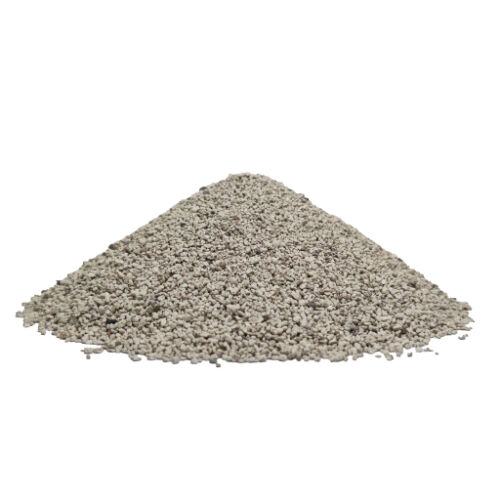
Modern industries face increasing demands for materials that deliver multiple performance benefits while maintaining cost-effectiveness and environmental responsibility. Functional granules have emerged as a revolutionary solution, offering superior absorption capabilities combined with advanced odor control properties. These specialized materials are transforming applications across pet care, hygiene products, agriculture, and industrial manufacturing sectors. By incorporating functional granules into product formulations, manufacturers can achieve enhanced performance metrics while reducing material costs and environmental impact. The dual-action nature of these granules makes them particularly valuable in applications where both moisture management and odor elimination are critical success factors.
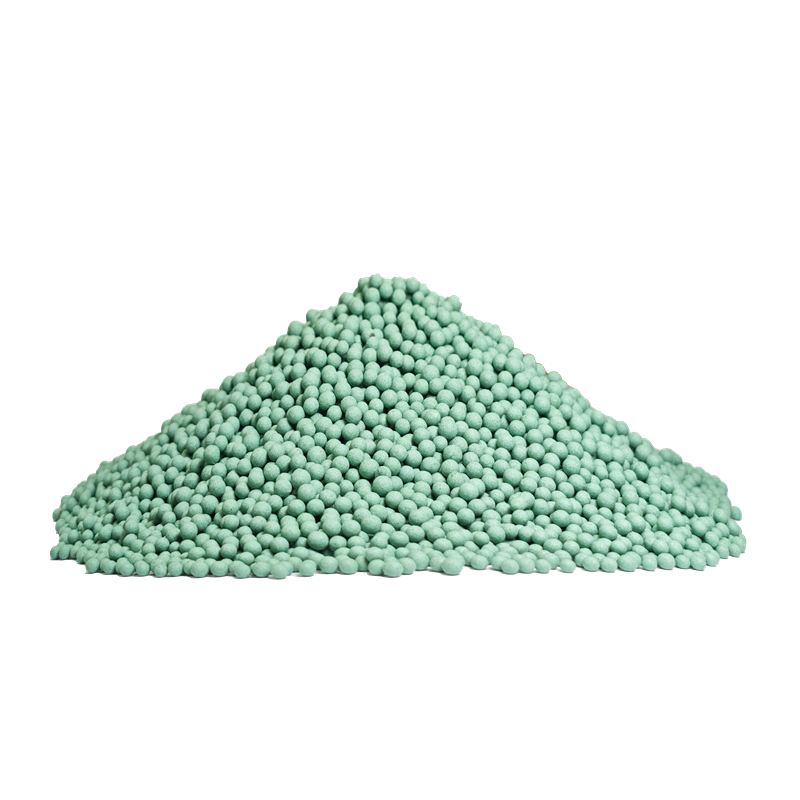
Understanding the Science Behind Functional Granules
Molecular Structure and Absorption Mechanisms
The effectiveness of functional granules stems from their sophisticated molecular architecture, which enables rapid liquid absorption through multiple pathways. These materials typically feature cross-linked polymer networks that create extensive internal surface areas capable of retaining liquids at ratios exceeding 100:1 by weight. The absorption process occurs through a combination of physical entrapment, chemical bonding, and osmotic pressure differentials. When functional granules encounter moisture, the polymer chains undergo controlled swelling while maintaining structural integrity. This controlled expansion allows for maximum fluid retention without compromising the material's physical properties or creating messy gel formations that could interfere with product performance.
Advanced functional granules incorporate specialized additives that enhance their absorption capacity and selectivity. These modifications allow the materials to preferentially absorb specific types of liquids while maintaining resistance to others, making them ideal for targeted applications. The granular format provides optimal surface area exposure while facilitating easy handling and processing in manufacturing environments. Quality functional granules maintain consistent particle size distribution, ensuring predictable performance across different batch productions and environmental conditions.
Odor Control Technology Integration
The odor control capabilities of functional granules result from integrated antimicrobial agents and chemical neutralization compounds embedded within the granular matrix. These active components work continuously to eliminate odor-causing bacteria and neutralize volatile compounds before they can become airborne. The dual-action approach combines immediate odor suppression with long-term bacterial growth prevention, ensuring sustained freshness throughout the product's useful life. Unlike surface treatments that can wear away over time, the integrated odor control technology remains effective for extended periods, providing consistent performance reliability.
Modern functional granules utilize encapsulation techniques to protect odor control agents from premature activation while ensuring controlled release when needed. This sophisticated approach maximizes the effectiveness of active ingredients while extending their functional lifespan. The granular structure facilitates optimal distribution of odor control compounds throughout the application area, creating comprehensive protection zones that prevent odor development rather than simply masking existing odors.
Industrial Applications and Performance Benefits
Pet Care Industry Innovations
The pet care industry has experienced significant transformation through the adoption of functional granules in litter formulations and training products. These materials provide superior clumping action while delivering exceptional odor control that keeps homes fresh and comfortable. Pet owners benefit from reduced litter box maintenance requirements and extended product effectiveness between changes. The absorption capacity of quality functional granules significantly exceeds traditional clay-based alternatives, providing better value and convenience. Additionally, many modern formulations incorporate natural and biodegradable components, addressing growing consumer demands for environmentally responsible pet care products.
Advanced functional granules designed for pet applications feature rapid absorption rates that quickly contain liquids before they can penetrate deeper into litter beds. This surface-level containment prevents bacterial growth while maintaining easy cleanup procedures. The granular format also provides excellent tracking control, reducing the amount of material that pets carry outside designated areas. Premium formulations include dust-reduction technologies that improve air quality and reduce respiratory irritation for both pets and their owners.
Agricultural and Horticultural Applications
Agricultural applications of functional granules focus on soil moisture management and nutrient delivery optimization. These materials help maintain consistent soil moisture levels while preventing waterlogging and promoting healthy root development. The absorption properties allow for controlled water release during dry periods, reducing irrigation requirements and improving crop resilience. Functional granules can also serve as carriers for fertilizers and growth promoters, providing sustained nutrient delivery that supports optimal plant development throughout growing seasons.
In greenhouse and indoor growing environments, functional granules contribute to improved air quality through their odor control properties while maintaining optimal growing conditions. The materials help regulate humidity levels and prevent the development of fungal and bacterial issues that can damage crops. Professional growers appreciate the consistency and reliability of high-quality functional granules, which provide predictable performance across different environmental conditions and crop varieties.
Manufacturing and Quality Considerations
Production Process Optimization
Manufacturing functional granules requires precise control of polymerization conditions, cross-linking density, and particle size distribution to achieve optimal performance characteristics. Advanced production facilities utilize continuous monitoring systems that ensure consistent quality throughout batch cycles. Temperature, pH, and catalyst concentrations must be carefully controlled to produce granules with uniform absorption capacity and mechanical strength. Quality functional granules undergo extensive testing protocols that verify absorption rates, odor control effectiveness, and long-term stability under various storage conditions.
Modern manufacturing processes incorporate environmental sustainability measures that minimize waste generation and energy consumption. Recycling systems recover and reprocess off-specification materials, reducing overall production costs while maintaining environmental responsibility. Advanced granulation techniques produce uniform particle sizes that optimize performance while facilitating automated handling and packaging operations. Quality control systems monitor every stage of production to ensure that finished functional granules meet strict specification requirements for industrial and consumer applications.
Performance Testing and Validation
Comprehensive testing protocols evaluate multiple performance parameters of functional granules, including absorption capacity, retention strength, and odor elimination effectiveness. Standardized test methods simulate real-world conditions to validate product performance claims and ensure reliability across different application environments. Advanced testing facilities utilize specialized equipment that measures absorption rates, gel strength, and bacterial inhibition properties under controlled conditions. These validation procedures ensure that functional granules deliver consistent performance throughout their intended service life.
Long-term stability testing evaluates how functional granules perform over extended storage periods and under varying environmental conditions. Accelerated aging protocols simulate months or years of storage to identify potential degradation issues before products reach market. Quality functional granules maintain their absorption and odor control properties throughout recommended storage periods while remaining free from harmful microorganisms or chemical breakdown products. These rigorous testing requirements ensure that end users receive products that perform reliably and safely.
Environmental Impact and Sustainability
Biodegradability and Waste Reduction
Environmental considerations play an increasingly important role in the development and selection of functional granules for various applications. Many modern formulations incorporate biodegradable polymers and natural additives that break down safely in composting environments or waste treatment facilities. These eco-friendly functional granules provide the same high-performance characteristics as traditional materials while reducing long-term environmental impact. Manufacturers are investing in research and development programs focused on creating fully sustainable alternatives that maintain superior absorption and odor control properties.
Advanced biodegradable functional granules utilize plant-based polymers and renewable additives that decompose into harmless organic compounds. These materials support circular economy principles by returning nutrients to soil systems rather than accumulating as persistent waste. The development of sustainable functional granules requires careful balance between environmental responsibility and performance requirements, ensuring that eco-friendly alternatives deliver the same reliability and effectiveness as conventional materials.
Resource Conservation and Efficiency
The superior absorption capacity of functional granules contributes to significant resource conservation across multiple industries. By absorbing and retaining more liquid per unit weight compared to traditional materials, these products reduce transportation costs and storage requirements while minimizing packaging waste. The extended service life of products containing functional granules reduces replacement frequency and overall material consumption. These efficiency benefits translate into reduced environmental impact throughout the product lifecycle, from manufacturing to disposal.
Water conservation represents another important environmental benefit of functional granules in agricultural applications. By maintaining optimal soil moisture levels and reducing irrigation requirements, these materials help preserve water resources while supporting sustainable farming practices. The controlled release properties of functional granules also minimize fertilizer runoff and groundwater contamination, protecting local ecosystems and water supplies. These environmental benefits make functional granules attractive options for environmentally conscious consumers and businesses seeking sustainable solutions.
Future Developments and Market Trends
Advanced Material Innovations
Research and development efforts continue to push the boundaries of functional granule performance through advanced material science innovations. Nanotechnology integration promises to create next-generation materials with enhanced absorption rates and more effective odor control capabilities. Smart functional granules that respond to environmental triggers represent an emerging technology that could provide adaptive performance characteristics for specialized applications. These innovations focus on creating materials that automatically adjust their properties based on surrounding conditions, optimizing performance while minimizing resource consumption.
Bioengineered functional granules represent another promising development area, utilizing modified biological materials to create highly effective absorption and odor control solutions. These bio-based alternatives could provide superior performance while offering complete biodegradability and renewable sourcing. Advanced manufacturing techniques enable precise control of material properties at the molecular level, creating custom-designed functional granules optimized for specific application requirements. These technological advances promise to expand the potential applications and effectiveness of functional granules across diverse industries.
Market Growth and Application Expansion
The global market for functional granules continues to expand as industries recognize the value of multi-functional materials that provide superior performance and cost-effectiveness. Emerging applications in healthcare, food packaging, and construction sectors demonstrate the versatility and potential of these advanced materials. Growing consumer awareness of environmental issues drives demand for sustainable functional granules that deliver high performance while supporting ecological responsibility. Market research indicates strong growth potential for innovative formulations that address specific industry needs while maintaining broad applicability.
International expansion opportunities exist in developing markets where infrastructure improvements and rising living standards create demand for advanced materials. The versatility of functional granules makes them suitable for adaptation to local requirements and preferences while maintaining core performance characteristics. Strategic partnerships between manufacturers and end-users facilitate product development and market penetration, ensuring that functional granules meet specific application needs while supporting business growth objectives.
FAQ
How do functional granules compare to traditional absorbent materials in terms of performance
Functional granules typically offer 3-5 times greater absorption capacity compared to traditional clay or paper-based materials, while providing integrated odor control that conventional absorbents cannot match. They maintain structural integrity even when fully saturated, preventing messy breakdown and facilitating easy cleanup. The dual-action properties eliminate the need for separate odor control products, reducing overall material costs and simplifying product formulations.
What factors should be considered when selecting functional granules for specific applications
Key selection criteria include absorption capacity requirements, desired retention time, environmental conditions, odor control needs, and regulatory compliance requirements. Particle size distribution should match handling and processing equipment capabilities, while chemical compatibility must be verified with other product components. Cost-effectiveness analysis should consider both material costs and performance benefits, including reduced maintenance and replacement frequency.
Are there any safety considerations when handling or using functional granules
Quality functional granules are generally safe for normal handling and use when proper precautions are followed. Dust control measures should be implemented during handling to prevent respiratory irritation, and eye and skin contact should be minimized using appropriate personal protective equipment. Material safety data sheets provide specific guidance for safe handling, storage, and disposal procedures. Most functional granules are non-toxic, but ingestion should be avoided and immediate medical attention sought if accidental consumption occurs.
How long do functional granules maintain their effectiveness in storage and use
Properly stored functional granules typically maintain full effectiveness for 2-3 years under recommended conditions, including protection from excessive moisture, temperature extremes, and direct sunlight. Once activated through liquid contact, the materials continue providing odor control for several weeks or months depending on environmental conditions and contamination levels. Quality products undergo stability testing to verify performance retention throughout recommended storage and use periods.
Table of Contents
- Understanding the Science Behind Functional Granules
- Industrial Applications and Performance Benefits
- Manufacturing and Quality Considerations
- Environmental Impact and Sustainability
- Future Developments and Market Trends
-
FAQ
- How do functional granules compare to traditional absorbent materials in terms of performance
- What factors should be considered when selecting functional granules for specific applications
- Are there any safety considerations when handling or using functional granules
- How long do functional granules maintain their effectiveness in storage and use