

 EN
EN
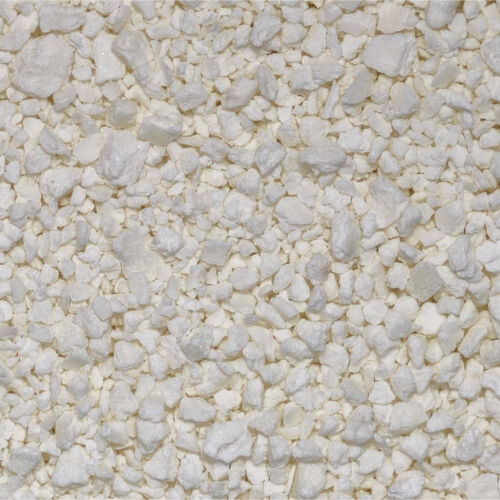
Indoor air quality and odor control have become increasingly important concerns for pet owners seeking healthier living environments. Traditional clay-based litters often fail to provide adequate odor management while introducing harmful dust particles and chemical additives into the home. Modern pet care solutions now emphasize natural alternatives that prioritize both effectiveness and environmental responsibility. Plant-based cat litter represents a revolutionary approach to maintaining fresh indoor spaces while supporting sustainable pet ownership practices.
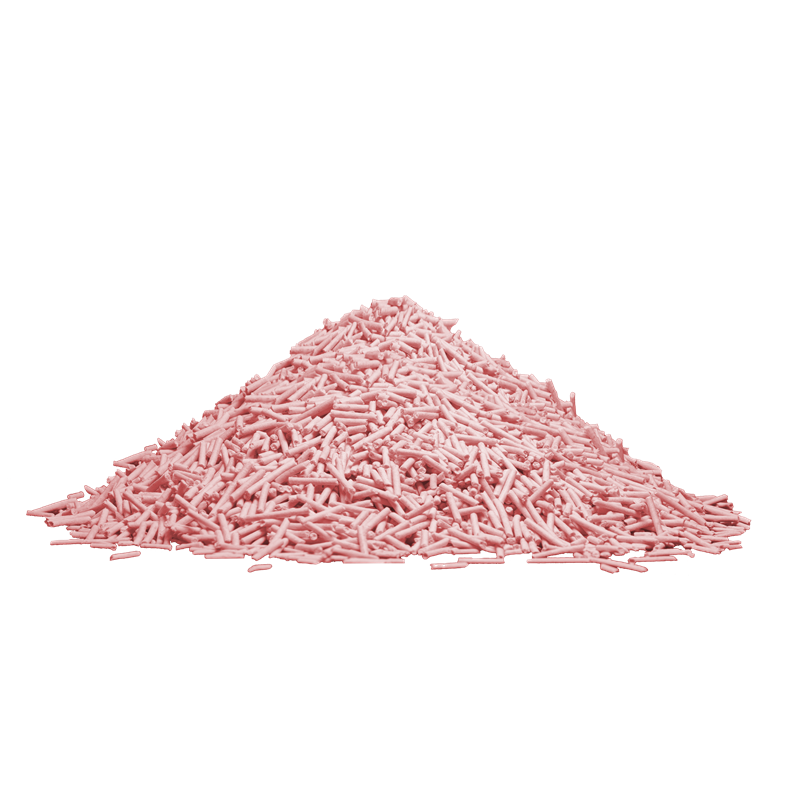
The science behind natural odor elimination involves understanding how organic materials interact with ammonia and other waste compounds. Unlike synthetic alternatives, plant-derived litters utilize enzymatic processes and natural absorption properties to neutralize odors at the molecular level. These biological mechanisms create lasting freshness without relying on artificial fragrances or chemical masking agents that may trigger respiratory sensitivities.
Understanding Natural Odor Control Mechanisms
Enzymatic Breakdown Processes
Natural enzymes present in plant-based materials actively break down odor-causing compounds through biological processes. These enzymes target specific molecular structures found in pet waste, converting them into odorless compounds that pose no threat to indoor air quality. The enzymatic action continues working even after initial contact, providing extended protection against recurring odors.
Plant-based cat litter harnesses these natural processes through carefully selected organic materials that maintain high enzyme activity levels. The biological breakdown occurs continuously, creating a self-sustaining system that improves over time rather than diminishing in effectiveness. This approach eliminates the need for frequent complete litter changes while maintaining superior odor control.
Moisture Management and Absorption
Effective moisture control forms the foundation of successful odor management in any litter system. Plant-derived materials excel at rapid moisture absorption while maintaining structural integrity under wet conditions. The fibrous nature of organic components creates multiple absorption pathways that quickly draw moisture away from the surface.
Advanced plant-based formulations incorporate materials with varying absorption rates and capacities. This multi-layered approach ensures immediate surface drying while providing deep absorption for sustained moisture control. The result is a consistently dry surface that prevents bacterial growth and subsequent odor development.
Environmental Benefits and Health Advantages
Reducing Chemical Exposure
Traditional litters often contain synthetic fragrances, clumping agents, and dust suppressants that can negatively impact indoor air quality. These chemical additives may trigger respiratory issues, skin sensitivities, and other health concerns for both pets and family members. Plant-based alternatives eliminate these risks through naturally derived components.
The absence of harmful chemicals in Plant-Based Cat Litter creates a safer environment for households with allergies or chemical sensitivities. Natural materials produce minimal dust during pouring and cleaning, reducing airborne particles that can irritate respiratory systems. This cleaner approach supports better overall health outcomes for all household members.
Sustainable Manufacturing Practices
Environmental responsibility extends beyond the immediate household benefits to encompass broader ecological impact. Plant-based litter production typically requires less energy and water compared to clay mining operations. The renewable nature of plant materials ensures sustainable sourcing that doesn't deplete finite natural resources.
Biodegradable properties make plant-based cat litter suitable for composting in appropriate systems, completing the natural cycle without environmental harm. This closed-loop approach reduces waste stream burden while contributing valuable organic matter to soil systems. The environmental benefits compound over time, making plant-based options increasingly attractive for eco-conscious consumers.
Performance Comparison and Practical Applications
Clumping Effectiveness
Modern plant-based formulations achieve excellent clumping performance through natural binding properties inherent in organic materials. These clumps form quickly upon contact with moisture, creating firm structures that resist breaking during removal. The natural cohesion eliminates the need for synthetic binding agents while maintaining superior performance standards.
The clumping action of plant-based cat litter continues improving with proper maintenance techniques. Regular gentle stirring helps distribute fresh material while preventing moisture accumulation in lower layers. This maintenance approach extends overall effectiveness while reducing total litter consumption over time.
Tracking and Texture Considerations
Particle size and texture significantly influence tracking behavior and overall user experience. Plant-based materials can be processed to achieve optimal particle dimensions that minimize tracking while maintaining effective absorption properties. Larger particles generally reduce tracking but may sacrifice some absorption efficiency.
Surface texture modifications help plant-based cat litter particles resist adhesion to paws and fur. Smooth, rounded particles flow more freely and release easily during normal grooming activities. This design consideration reduces the spread of litter material throughout the home while maintaining comfortable texture for pet use.
Maintenance Strategies and Best Practices
Optimal Depth and Distribution
Proper litter depth directly impacts odor control effectiveness and overall performance. Plant-based systems typically require slightly deeper layers compared to clay alternatives to maximize absorption capacity. A depth of three to four inches provides adequate working material while preventing bottom-out situations during heavy use periods.
Even distribution throughout the litter box ensures consistent performance across all areas. Regular leveling prevents the formation of thin spots that might allow moisture to reach the box bottom. This uniform approach maximizes the effectiveness of plant-based cat litter while preventing localized saturation that could compromise odor control.
Refresh Scheduling and Replacement
Systematic refresh schedules maintain optimal performance while maximizing material efficiency. Adding small amounts of fresh plant-based cat litter weekly helps maintain overall effectiveness without requiring complete changes. This approach keeps enzyme activity levels high while providing continuous odor control enhancement.
Complete litter replacement timing depends on usage levels and household preferences. Most plant-based systems maintain effectiveness for extended periods when properly maintained. Monitoring moisture levels and overall freshness provides better replacement timing indicators than arbitrary calendar schedules.
Cost Analysis and Long-Term Value
Initial Investment Considerations
Plant-based cat litter products may require higher initial investment compared to basic clay alternatives. However, the superior absorption efficiency and extended effectiveness often result in lower per-use costs over time. The reduced frequency of complete changes contributes to overall cost savings while improving convenience.
Premium plant-based formulations justify their cost through enhanced performance characteristics and health benefits. The elimination of artificial additives and improved odor control provide value that extends beyond simple cost per pound calculations. These benefits become more significant in households with multiple cats or sensitivity concerns.
Usage Efficiency and Waste Reduction
Efficient clumping and absorption properties mean less plant-based cat litter consumption per cleaning cycle. The ability to remove only soiled portions while leaving clean material intact reduces total consumption significantly. This efficiency advantage compounds over time, improving the overall value proposition.
Reduced packaging waste and disposal requirements contribute additional value through environmental and practical benefits. Biodegradable properties eliminate concerns about long-term landfill impact while supporting sustainable waste management practices. These factors enhance the overall value equation for environmentally conscious consumers.
Selection Criteria and Product Features
Material Composition Analysis
Understanding the specific plant materials used in different formulations helps consumers make informed selection decisions. Common base materials include corn, wheat, grass, and wood components, each offering distinct performance characteristics. Some formulations combine multiple plant sources to optimize specific properties.
Processing methods significantly influence the final performance of plant-based cat litter products. Grinding techniques, moisture content control, and particle sizing all impact absorption rates and clumping effectiveness. Advanced processing creates more consistent particle structures that deliver predictable performance characteristics.
Quality Indicators and Testing
Reliable quality indicators help consumers evaluate different plant-based options before purchase. Absorption rate testing, clumping strength evaluation, and dust level measurement provide objective performance comparisons. These standardized tests offer more reliable information than marketing claims or subjective reviews.
Third-party testing and certification programs validate the performance claims of plant-based cat litter products. Independent laboratory analysis confirms absorption rates, biodegradability, and safety characteristics. These certifications provide confidence in product selection while supporting informed purchasing decisions.
Implementation Strategies for Optimal Results
Transition Planning
Successful transition from traditional litter requires gradual introduction techniques that allow pets to adjust comfortably. Mixing small amounts of plant-based cat litter with existing material helps familiarize cats with new textures and scents. This gradual approach prevents rejection behaviors while ensuring smooth adoption.
Monitoring pet behavior during transition provides valuable feedback about acceptance levels and potential adjustment needs. Some cats may require longer adjustment periods, particularly if they have strong preferences for specific textures. Patient transition management ensures successful long-term adoption of plant-based systems.
Optimization Techniques
Fine-tuning application techniques maximizes the effectiveness of plant-based cat litter in specific household situations. Adjusting depth, refresh frequency, and cleaning techniques based on usage patterns improves overall performance. These customizations help achieve optimal results while maintaining cost efficiency.
Environmental factors such as humidity levels and ventilation influence plant-based material performance. Understanding these relationships allows users to make appropriate adjustments that maintain effectiveness under varying conditions. This adaptive approach ensures consistent results regardless of seasonal changes or household variations.
FAQ
How does plant-based cat litter compare to traditional clay in terms of odor control effectiveness
Plant-based cat litter often provides superior odor control through natural enzymatic processes that break down odor-causing compounds at the molecular level. Unlike clay litters that primarily absorb moisture and mask odors, plant-based materials actively neutralize ammonia and other waste compounds. The biological mechanisms continue working over time, providing sustained freshness without artificial fragrances. Many users report significantly improved indoor air quality when switching from traditional clay to quality plant-based alternatives.
What maintenance differences should I expect when switching to plant-based litter systems
Plant-based cat litter typically requires less frequent complete changes due to superior absorption and natural odor elimination properties. Daily spot cleaning remains important, but the overall maintenance burden often decreases. The clumping action may differ slightly from clay, requiring gentler handling to prevent breaking apart. Weekly addition of fresh material helps maintain peak performance without full replacement. Most users find the maintenance routine simpler and more pleasant due to reduced dust and better odor control.
Are there any safety considerations for pets when using plant-based litter materials
Plant-based cat litter is generally safer than clay alternatives due to the absence of harmful chemicals and reduced dust production. The natural materials are less likely to cause respiratory irritation and are safer if accidentally ingested during grooming. However, cats with specific food allergies should avoid litters made from corresponding plant materials. Always monitor pets during initial transition periods and consult veterinarians if any unusual behaviors or health concerns arise. The biodegradable nature means accidental consumption poses fewer risks than synthetic materials.
How do environmental factors affect plant-based litter performance and what adjustments might be needed
Humidity levels significantly influence plant-based cat litter effectiveness, with high humidity potentially reducing absorption efficiency. In humid environments, increasing ventilation around the litter box and using slightly deeper litter layers helps maintain performance. Cold temperatures may slow enzymatic activity, while warm conditions can accelerate moisture evaporation. Seasonal adjustments to refresh frequency and depth may be necessary. Proper storage in dry conditions prevents moisture absorption before use, ensuring optimal performance when needed.
Table of Contents
- Understanding Natural Odor Control Mechanisms
- Environmental Benefits and Health Advantages
- Performance Comparison and Practical Applications
- Maintenance Strategies and Best Practices
- Cost Analysis and Long-Term Value
- Selection Criteria and Product Features
- Implementation Strategies for Optimal Results
-
FAQ
- How does plant-based cat litter compare to traditional clay in terms of odor control effectiveness
- What maintenance differences should I expect when switching to plant-based litter systems
- Are there any safety considerations for pets when using plant-based litter materials
- How do environmental factors affect plant-based litter performance and what adjustments might be needed