

 EN
EN
Pet ownership brings joy and companionship, but it also carries environmental responsibility. One often-overlooked aspect of pet care is the impact of traditional cat litter on our planet. Every year, millions of tons of conventional cat sand end up in landfills, where they persist for decades and contribute to environmental degradation. Eco-friendly cat sand presents a compelling alternative that addresses these concerns while maintaining the comfort and hygiene your feline companion deserves. Understanding the environmental benefits of switching to sustainable cat sand can help conscious pet owners make decisions that align with their values.
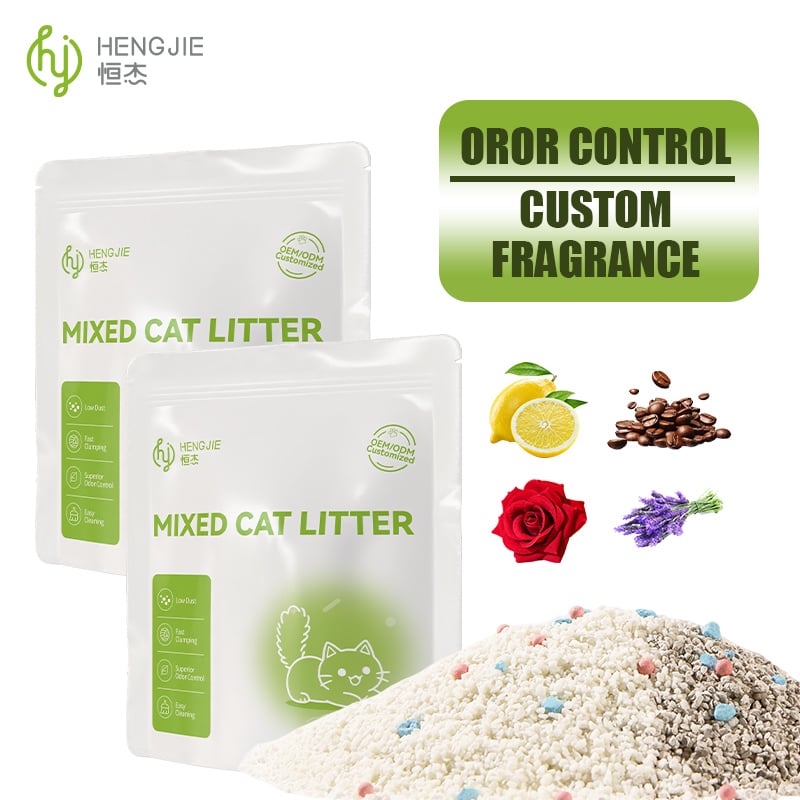
The shift toward eco-friendly cat sand reflects a broader movement in sustainable pet care. Responsible manufacturers have developed innovative formulations using renewable materials and biodegradable compounds that replicate the functionality of traditional litter while minimizing ecological footprint. By choosing cat sand made from sustainable sources, pet owners can significantly reduce waste generation, support circular economy principles, and contribute to protecting natural ecosystems for future generations.
Environmental Impact of Traditional Cat Litter
Landfill Accumulation and Decomposition
Traditional cat sand, typically made from clay minerals, represents a substantial waste stream in households worldwide. Once used cat sand is discarded, it occupies valuable landfill space where it remains essentially unchanged for years. Clay-based cat sand does not biodegrade naturally, meaning each box of conventional litter purchased today will likely persist in a landfill for decades or longer. This accumulation creates long-term environmental burden, consuming landfill capacity that could otherwise be allocated to biodegradable materials. In contrast, eco-friendly cat sand breaks down naturally within reasonable timeframes, returning safely to the environment without toxic residue.
Mining and Resource Depletion
The production of conventional cat sand involves extensive mining operations that extract clay deposits from the earth. These mining activities disturb natural habitats, consume vast quantities of water and energy, and generate significant carbon emissions during extraction and processing. Mining for traditional cat sand depletes finite mineral resources while leaving environmental scars on landscapes. Eco-friendly cat sand, by contrast, utilizes renewable materials that regenerate naturally or derive from agricultural byproducts, eliminating the need for destructive extraction processes. This fundamental difference in sourcing means choosing sustainable cat sand directly reduces pressure on natural mineral reserves and minimizes landscape degradation.
Sustainable Materials in Modern Cat Sand
Plant-Based and Renewable Alternatives
Contemporary eco-friendly cat sand formulations leverage agricultural waste and plant-derived materials to create effective litter alternatives. Tofu-based cat sand, made from soybean pulp residue, exemplifies this innovation by converting byproducts into functional pet care products. These plant-based options absorb moisture efficiently while breaking down readily in composting systems or landfill environments. Bamboo, wood fiber, and recycled paper represent additional renewable sources used in sustainable cat sand development. By utilizing materials that would otherwise be discarded, eco-friendly cat sand manufacturers transform industrial waste into valuable products while reducing the environmental impact associated with traditional cat sand extraction. The biodegradability of plant-based cat sand ensures that when disposal occurs, the material integrates harmlessly with natural decomposition cycles.
Reduced Chemical Contamination
Conventional cat sand often contains dust particles that can contaminate soil and water systems when improperly disposed. The silica dust released from clay-based cat sand poses respiratory risks to both cats and humans, while the clay residue itself can accumulate in groundwater. Eco-friendly cat sand eliminates these chemical concerns by relying on natural, non-toxic formulations that do not generate harmful dust or leave chemical traces in ecosystems. Plant-based and mineral-alternative cat sand options provide superior air quality for household environments while ensuring that disposal does not introduce pollutants into soil or water supplies. This safety advantage extends beyond individual homes to broader environmental protection, as sustainable cat sand prevents contamination of watersheds and agricultural lands.
Carbon Footprint and Transportation Efficiency
Lower Production Emissions
Manufacturing eco-friendly cat sand generates significantly lower carbon emissions compared to mining, processing, and transporting traditional clay-based litter. Plant-based cat sand production leverages existing agricultural infrastructure and byproduct streams, minimizing energy-intensive extraction procedures. Renewable materials processing often occurs near agricultural centers, reducing transportation distances and associated fuel consumption. By selecting cat sand from sustainable sources, consumers directly reduce the carbon intensity of their household pet care practices. This difference compounds across millions of pet owners worldwide, creating meaningful collective impact on greenhouse gas reduction and climate change mitigation efforts.
Biodegradable End-of-Life Benefits
The end-of-life phase of cat sand disposal represents a critical environmental advantage for eco-friendly alternatives. Traditional cat sand cannot be composted and occupies landfill space indefinitely, requiring ongoing environmental management and preventing beneficial reuse. Sustainable cat sand that biodegrades can be safely added to compost systems, converting pet waste into soil amendments rather than persistent waste streams. This closed-loop approach reduces overall household environmental footprint while supporting organic waste reduction programs. Some progressive municipalities actively encourage residents to dispose of eco-friendly cat sand through composting infrastructure, recognizing the environmental benefits of diverting organic materials from landfills. Choosing cat sand that supports these initiatives helps build market demand for sustainable waste management practices.
Benefits for Ecological Systems and Wildlife
Habitat Preservation Through Reduced Mining
Each shift toward eco-friendly cat sand represents a vote against environmentally destructive mining practices that threaten habitats and biodiversity. Mining operations for traditional litter fragment natural ecosystems, displace wildlife, and alter hydrological systems that countless species depend upon. Sustainable cat sand production avoids these harms by utilizing renewable sources that do not require landscape disruption. Wildlife species that inhabit mining regions benefit directly when consumer demand shifts away from clay extraction. By choosing cat sand from renewable sources, pet owners contribute to preserving critical habitats and supporting species survival across diverse environments.
Water Resource Protection
Water consumption in traditional cat sand production consumes precious freshwater resources, particularly in arid regions where mining operations compete with agricultural and municipal water needs. Eco-friendly cat sand manufacturing typically requires minimal water input, reducing pressure on vulnerable water systems. Additionally, the biodegradable nature of sustainable cat sand means that disposal does not introduce clay residues or chemical additives into groundwater and surface water systems. Protecting water resources benefits entire ecosystems while ensuring clean water availability for human communities. Pet owners who switch to responsible cat sand help safeguard water systems that support both wildlife and human populations dependent on aquatic resources.
FAQ
How does eco-friendly cat sand compare to traditional litter in odor control and clumping?
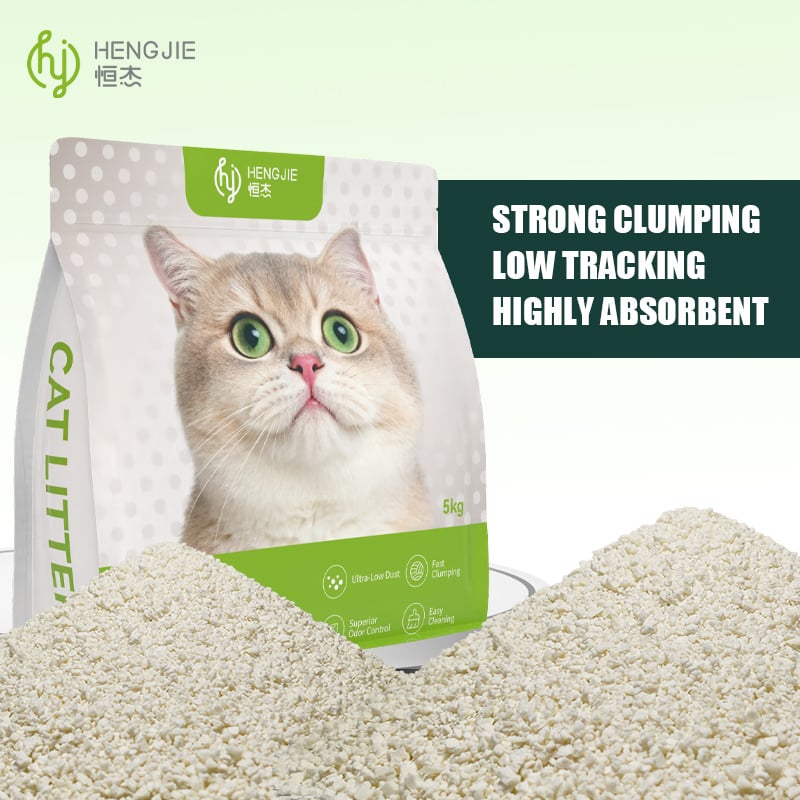
Modern eco-friendly cat sand performs comparably to conventional options in moisture absorption and odor neutralization. Plant-based formulations and mineral alternatives effectively absorb urine and control ammonia odors, while some specialized cat sand products incorporate natural enzymes that enhance odor elimination. Clumping capability has improved significantly in recent years, with sustainable cat sand now achieving reliable clump formation that simplifies litter box maintenance. Pet owners transitioning to eco-friendly cat sand generally report satisfaction with performance metrics, though individual cats may require brief adjustment periods to new textures and materials.
Can eco-friendly cat sand be safely composted or disposed of in regular waste streams?
Yes, most eco-friendly cat sand can be safely composted, particularly plant-based formulations that biodegrade naturally within composting timeframes. However, composting pet waste requires caution due to potential pathogens in cat feces, so many experts recommend using separate composting systems for cat sand rather than mixing it with compost intended for vegetable gardens. Standard disposal in regular waste streams proves safer for most households, where sustainable cat sand biodegrades within landfill environments without generating the persistent waste burden associated with traditional cat sand. Always verify specific disposal recommendations from individual cat sand manufacturers, as formulations vary.
Are eco-friendly cat sand products more expensive than conventional litter?
Eco-friendly cat sand pricing has become increasingly competitive with traditional options as sustainable manufacturing scales and consumer demand grows. While some premium sustainable cat sand brands command higher prices, many eco-conscious alternatives now match or undercut conventional litter costs. Initial price differences often reflect superior performance, reduced environmental impact, and absence of harmful additives that justify modest premiums for conscious consumers. Over time, widespread adoption of sustainable cat sand likely drives prices lower as production efficiencies improve and market competition intensifies. Evaluating total environmental cost rather than purchase price alone reveals that eco-friendly cat sand delivers superior long-term value.