bentonite clumping cat litter
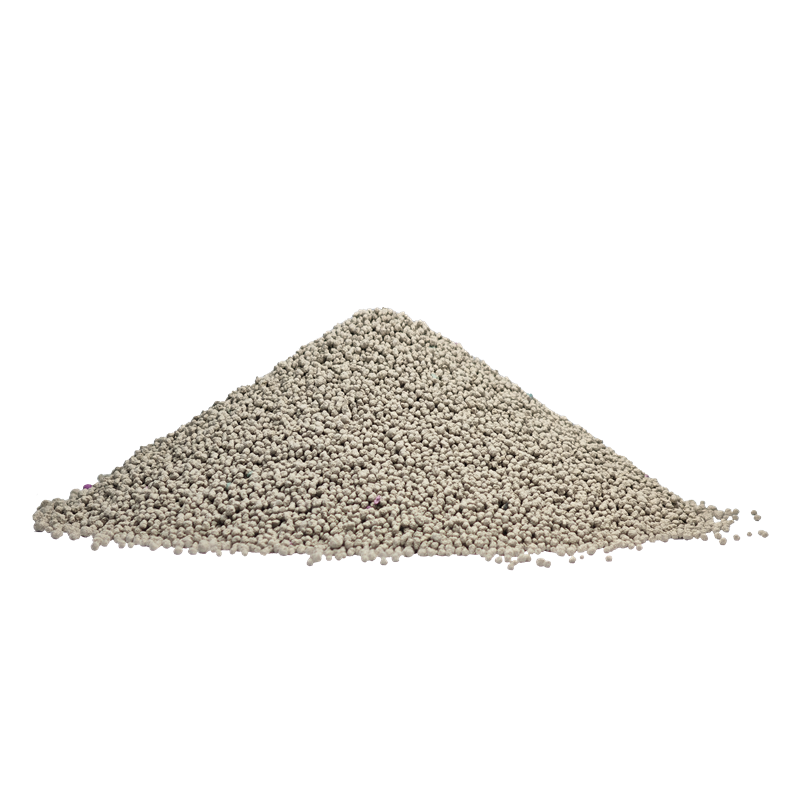
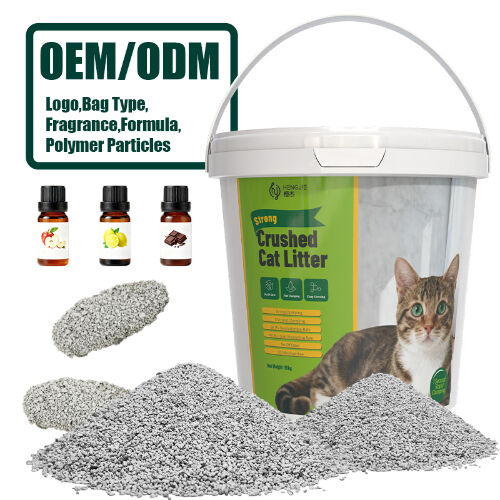
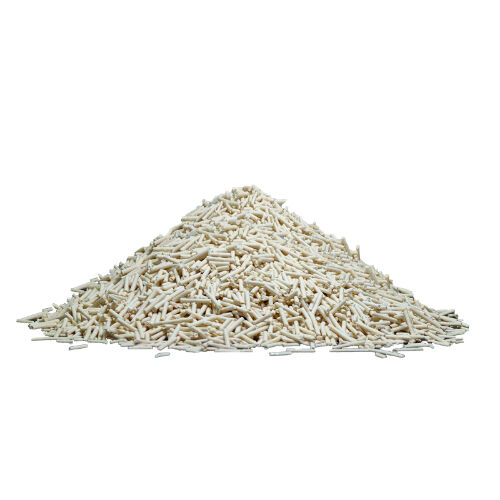
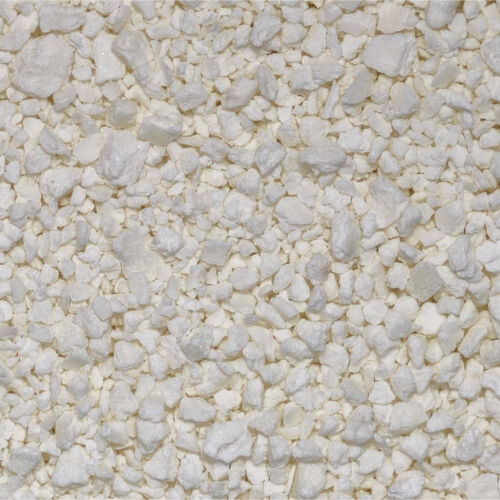
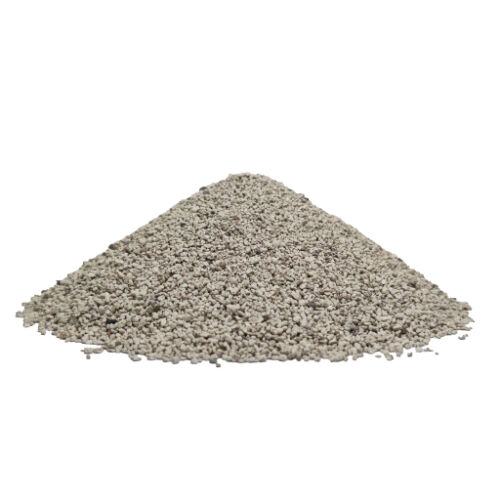
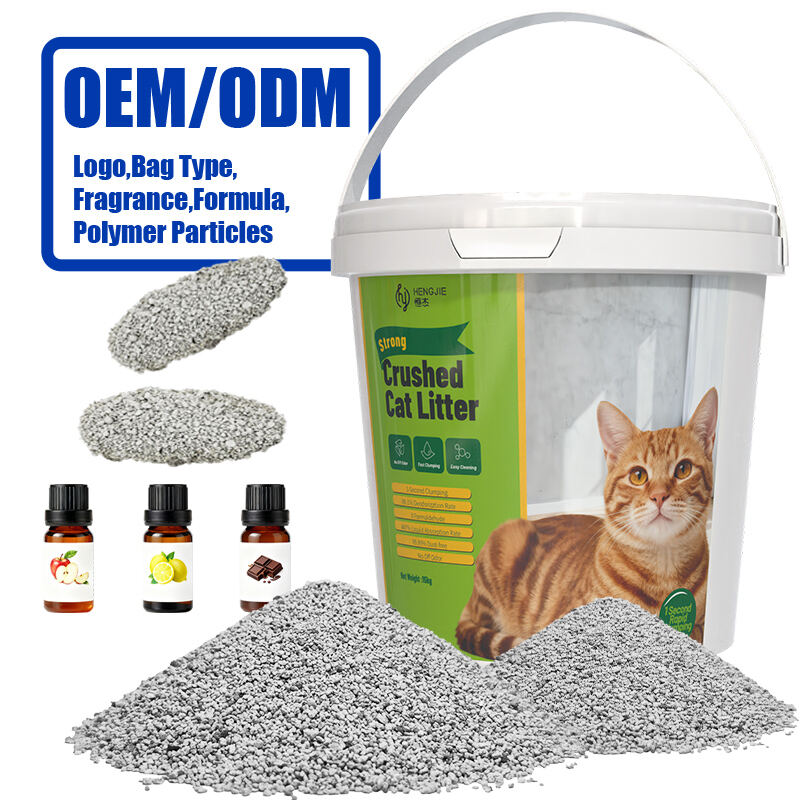
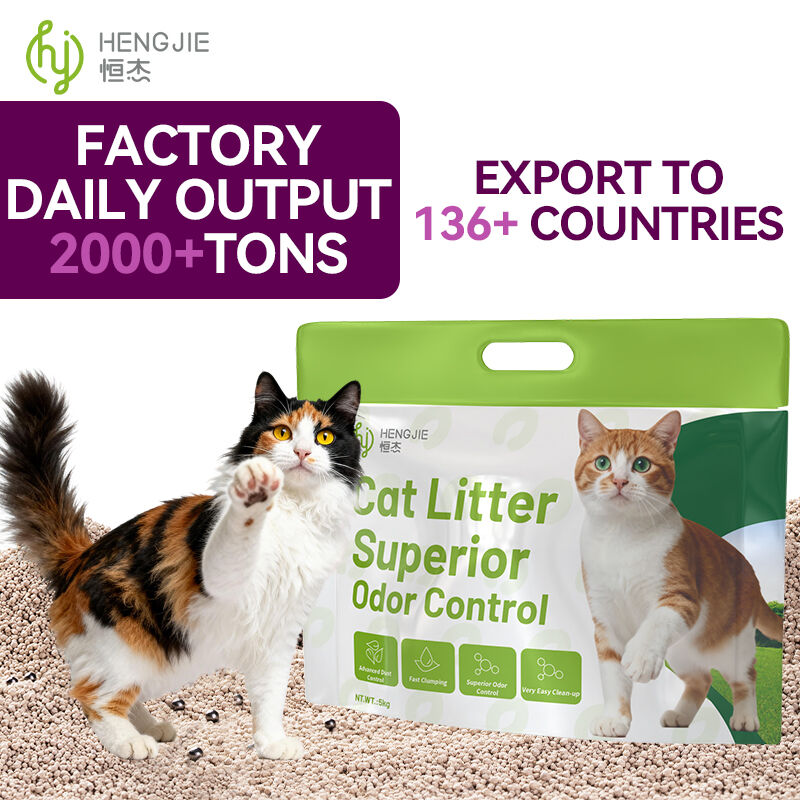
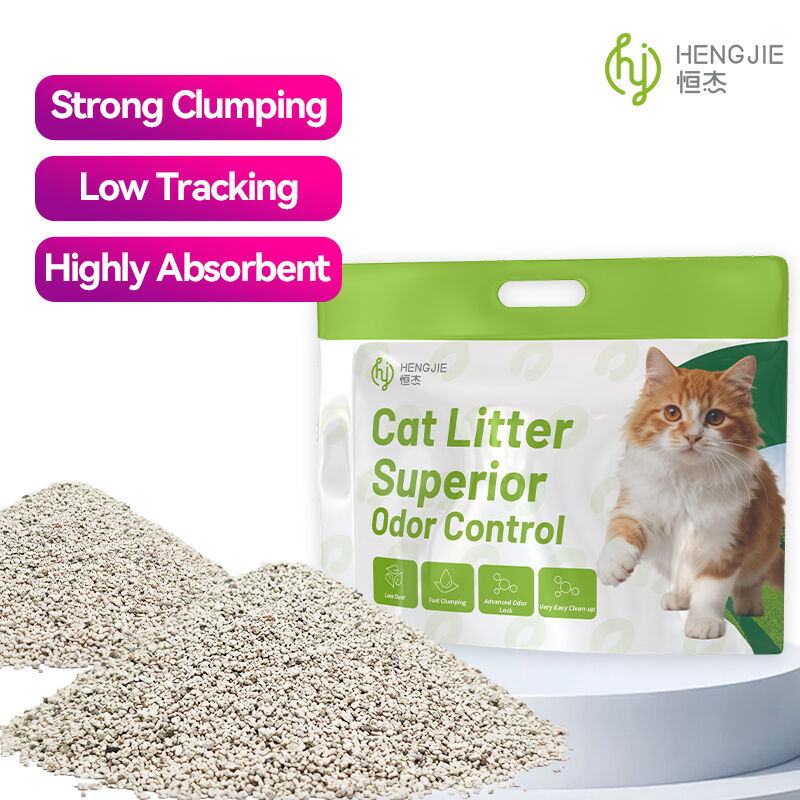
Bentonite clumping cat litter represents one of the most effective and widely trusted solutions for pet waste management in modern households. This innovative product harnesses the natural properties of sodium bentonite clay, a mineral formed from volcanic ash that possesses exceptional absorption and clumping characteristics. When moisture contacts bentonite clumping cat litter, the clay particles swell and bind together, creating solid, easily removable clumps that simplify litter box maintenance. The technological foundation of bentonite clumping cat litter lies in its unique molecular structure, which allows individual particles to expand up to fifteen times their original size upon contact with liquids. This expansion creates an impermeable barrier that prevents odors from escaping while maintaining the integrity of surrounding clean litter. Premium bentonite clumping cat litter undergoes specialized processing that enhances its natural clumping ability through controlled grinding and screening techniques. These manufacturing processes ensure consistent particle size distribution, optimizing both absorption capacity and clumping strength. The applications of bentonite clumping cat litter extend beyond basic waste management, serving households with single or multiple cats, veterinary clinics, animal shelters, and boarding facilities. Its versatility makes it suitable for various litter box configurations, from traditional open boxes to covered systems with privacy doors. The dust-control formulations available in many bentonite clumping cat litter products address respiratory concerns for both pets and owners, while scented varieties provide additional odor control through natural or artificial fragrances. Advanced bentonite clumping cat litter formulations incorporate antimicrobial agents that inhibit bacterial growth, extending the usable life of the litter while maintaining hygienic conditions. The natural composition of bentonite clumping cat litter makes it biodegradable under proper conditions, though disposal methods vary by local regulations and waste management systems.


 EN
EN