Advanced Odor Neutralization Technology
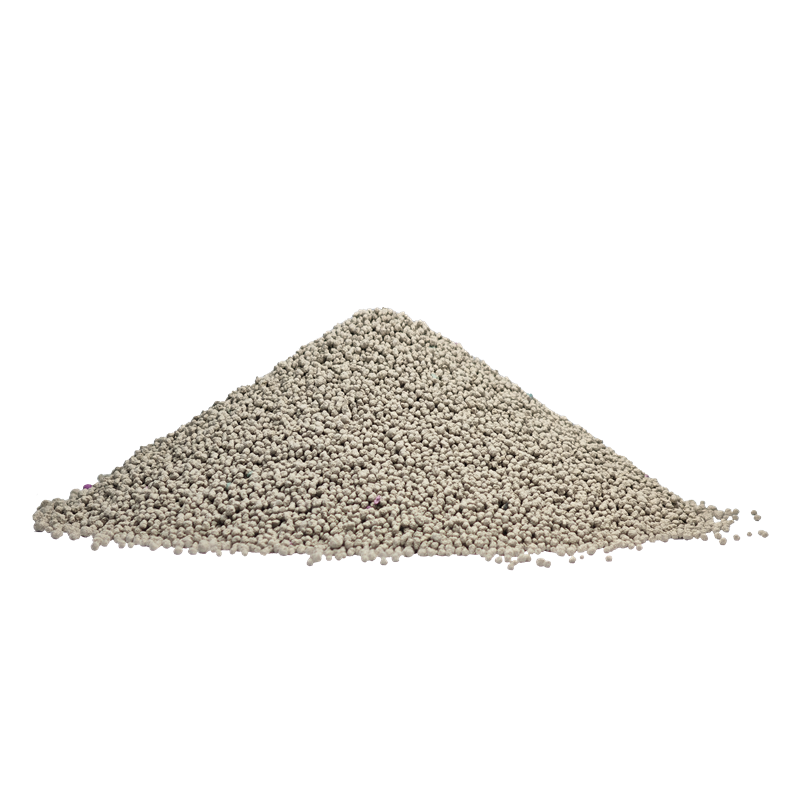
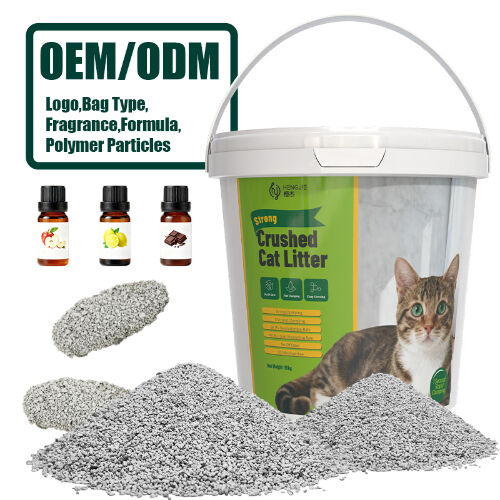
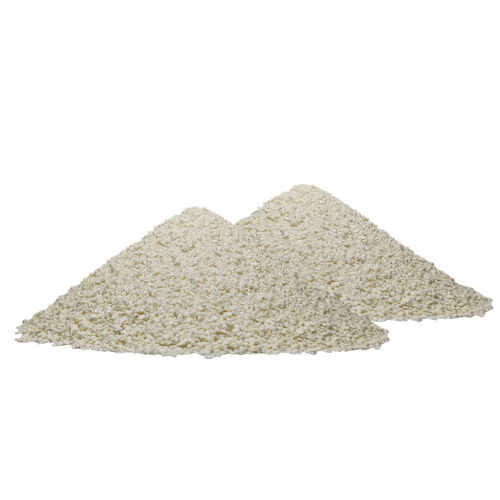
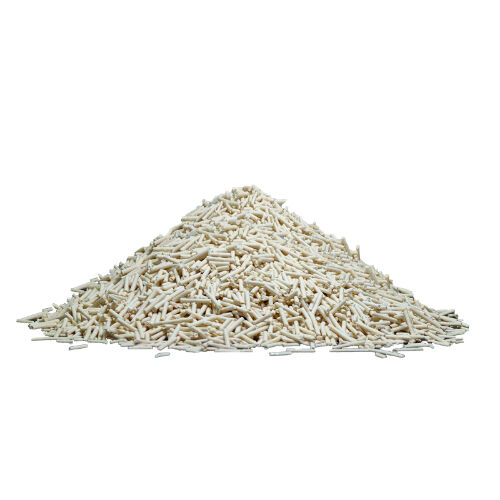
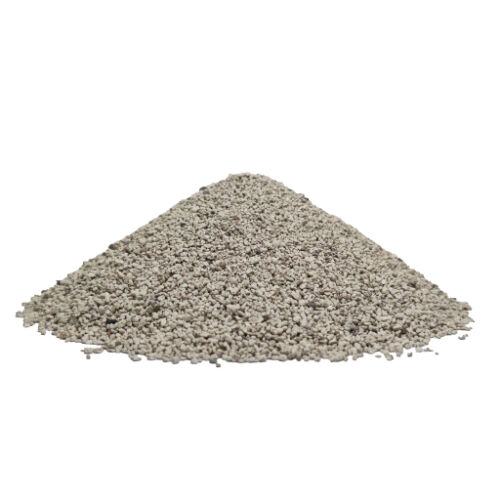
The cornerstone feature of activated carbon cat sand lies in its sophisticated odor neutralization technology that revolutionizes how pet waste odors are managed in the home environment. Unlike traditional litters that merely absorb moisture or mask odors with artificial fragrances, this advanced formulation actively captures and neutralizes odor molecules at the molecular level through the process of adsorption. The activated carbon component features an incredibly complex internal structure with millions of microscopic pores that create an enormous surface area within each tiny granule. These pores act as molecular traps, physically capturing ammonia, hydrogen sulfide, and other volatile organic compounds that create unpleasant odors. The science behind this technology involves the natural affinity between carbon molecules and odor-causing compounds, creating chemical bonds that permanently neutralize these unwanted substances. This process continues working continuously, providing round-the-clock odor protection that doesn't diminish over time like artificial fragrances do. The activated carbon maintains its effectiveness even in challenging conditions such as high humidity or heavy usage, making it ideal for busy households or homes with multiple cats. The technology works synergistically with the clay base material, which provides initial moisture absorption while the activated carbon focuses specifically on odor elimination. This dual-action approach ensures comprehensive waste management that addresses both immediate cleanliness concerns and long-term odor control. Pet owners notice the difference immediately upon switching to activated carbon cat sand, as the typical ammonia smell associated with cat waste becomes virtually undetectable. The technology proves particularly valuable in smaller living spaces where odors can quickly become overwhelming, apartment dwellings where ventilation may be limited, and homes where the litter box must be placed in frequently used areas due to space constraints.


 EN
EN