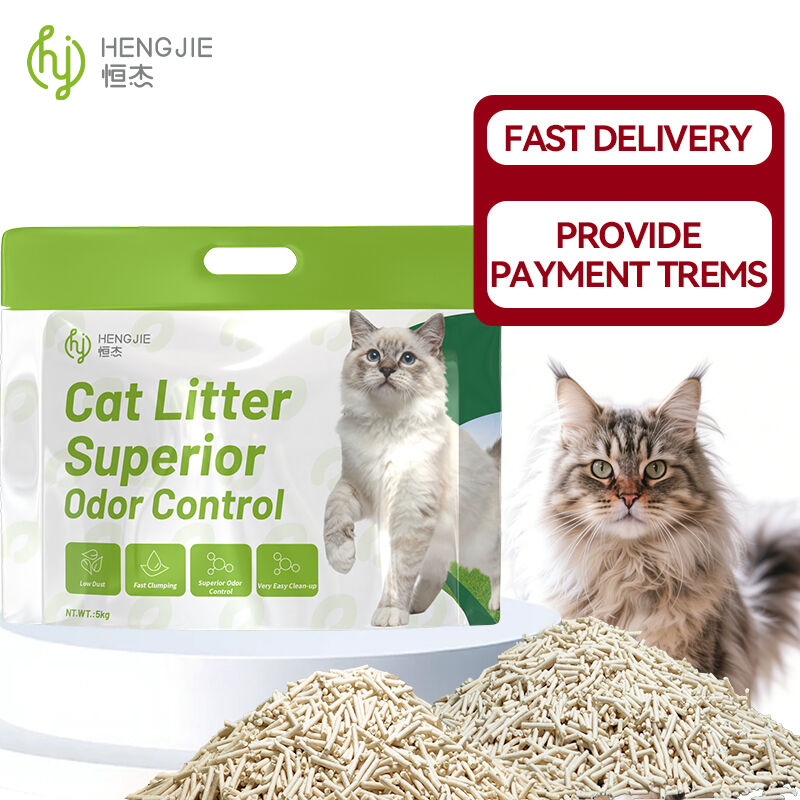
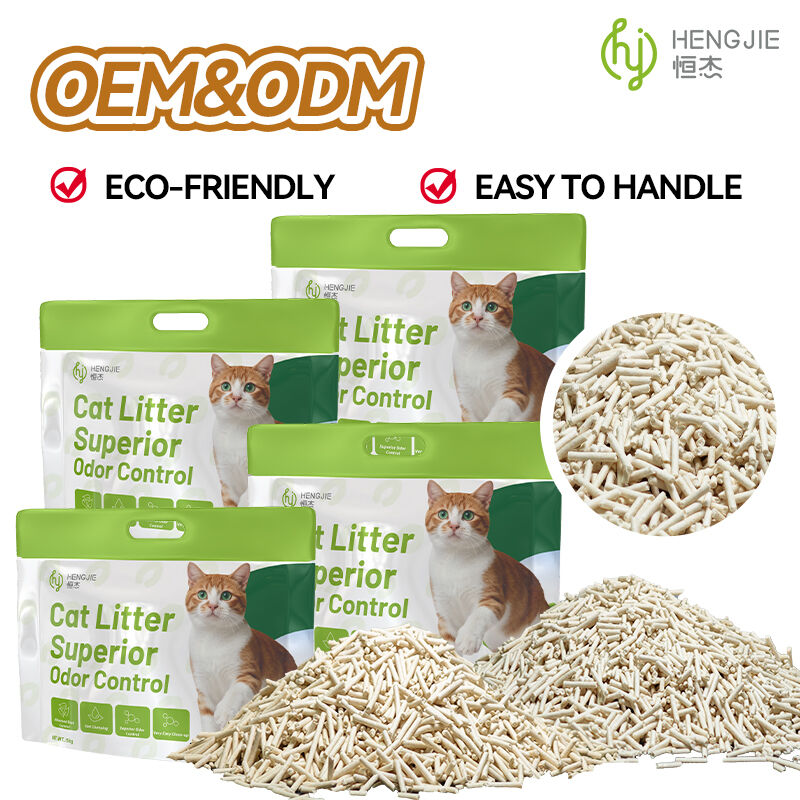
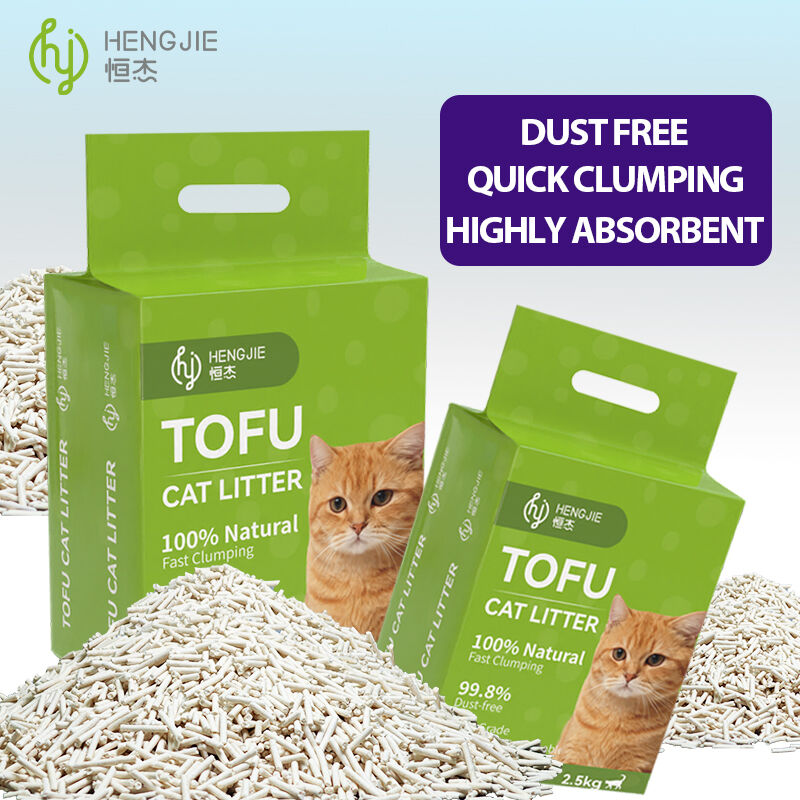
tofu cat litter manufacturer
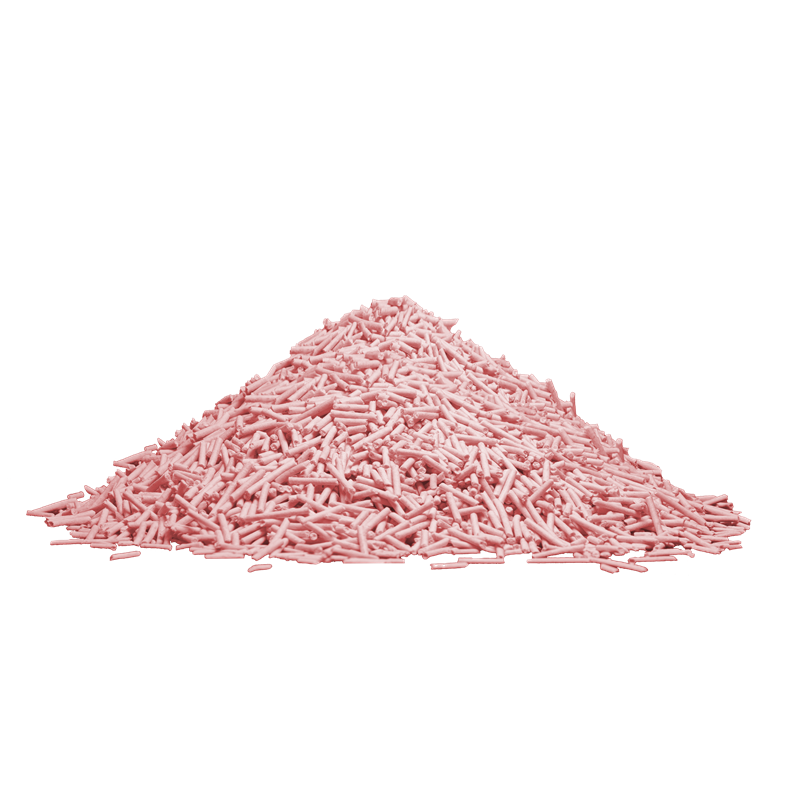
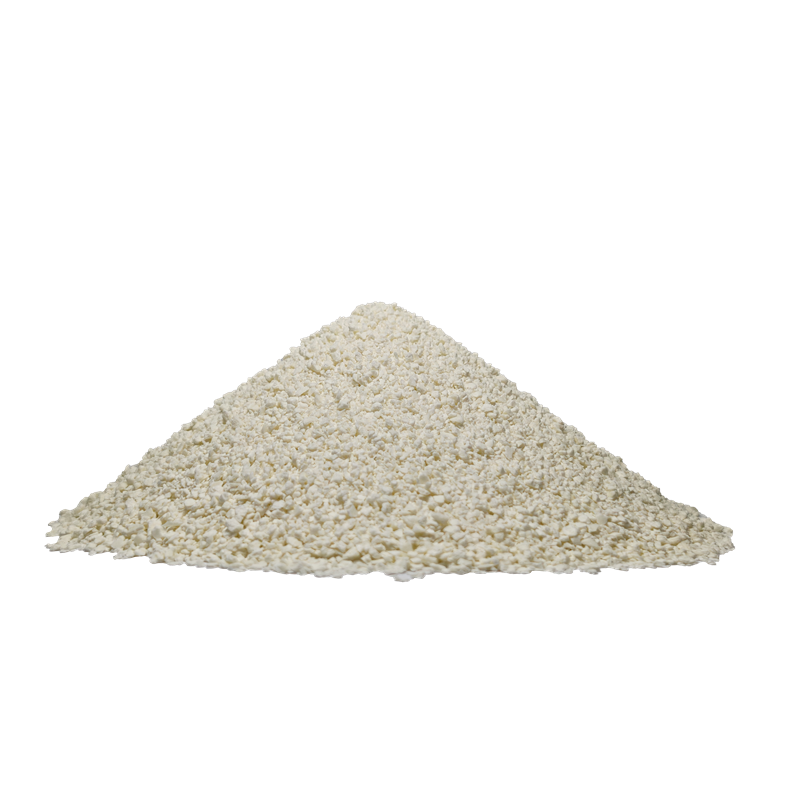
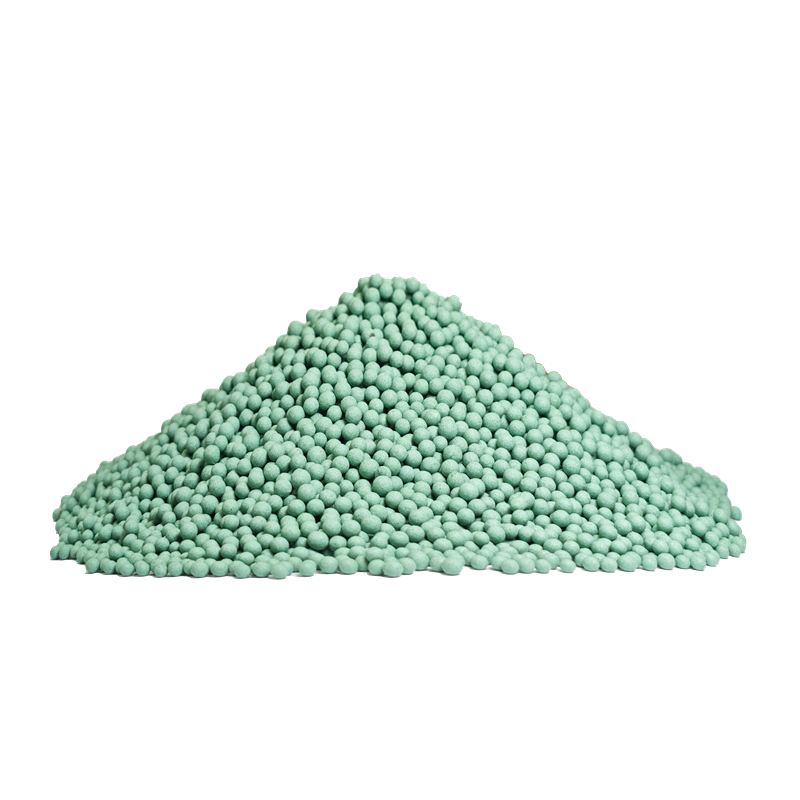
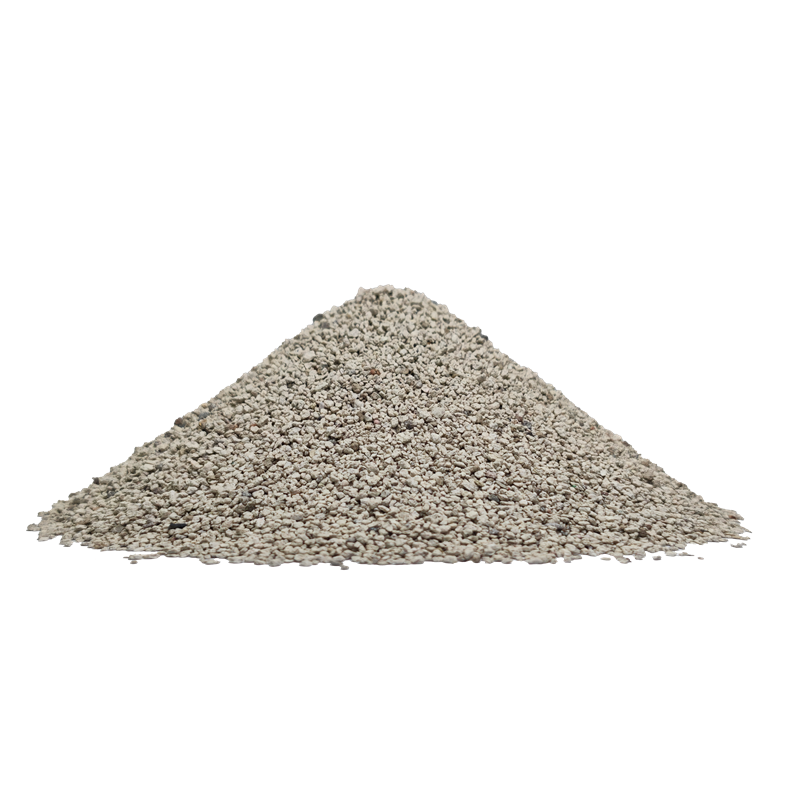
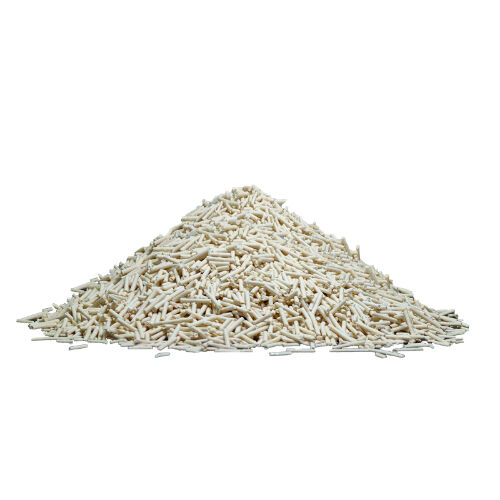
A tofu cat litter manufacturer represents a revolutionary approach to pet hygiene solutions, combining sustainable materials with advanced production techniques to create eco-friendly alternatives to traditional clay-based litters. These specialized manufacturers focus on transforming natural soybean byproducts into highly effective absorbent granules that provide superior odor control and clumping capabilities. The primary function of a tofu cat litter manufacturer involves processing organic soybean pulp through sophisticated machinery that shapes, dries, and treats the material to achieve optimal absorption rates and dust-free performance. The technological features employed by leading tofu cat litter manufacturers include precision grinding systems that ensure consistent particle size, advanced drying chambers that maintain proper moisture levels, and specialized coating processes that enhance clumping strength. These manufacturers utilize state-of-the-art quality control systems to monitor product consistency, implementing automated screening processes that eliminate impurities and ensure uniform granule distribution. The production facility typically incorporates environmentally controlled packaging systems that preserve product freshness while maintaining biodegradable packaging standards. Applications for tofu cat litter extend beyond basic pet hygiene, serving households seeking sustainable alternatives, veterinary clinics requiring dust-free environments, and pet boarding facilities prioritizing natural solutions. The manufacturing process emphasizes safety protocols, incorporating food-grade processing standards since the base material derives from human food production waste. Modern tofu cat litter manufacturers integrate smart technology systems that optimize production efficiency while reducing energy consumption. The final products demonstrate superior flushability compared to traditional alternatives, making waste disposal more convenient for urban pet owners. Quality assurance protocols ensure each batch meets stringent absorption standards, typically achieving 300-400 percent liquid absorption capacity. These manufacturers often implement circular economy principles, sourcing materials from local food processing facilities and creating completely biodegradable products that decompose within months rather than decades.


 EN
EN