tofu kitty litter
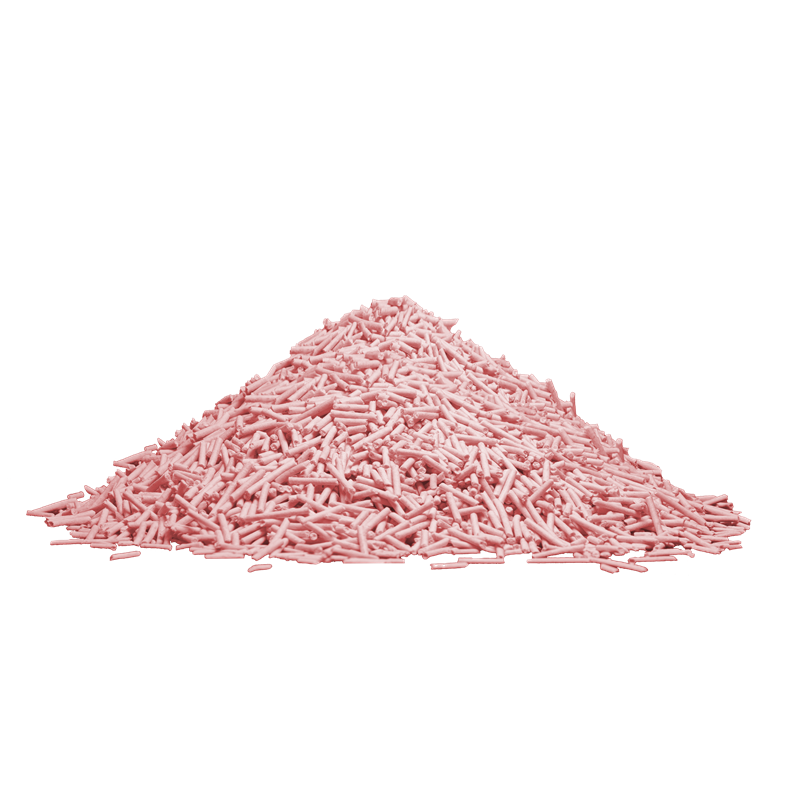
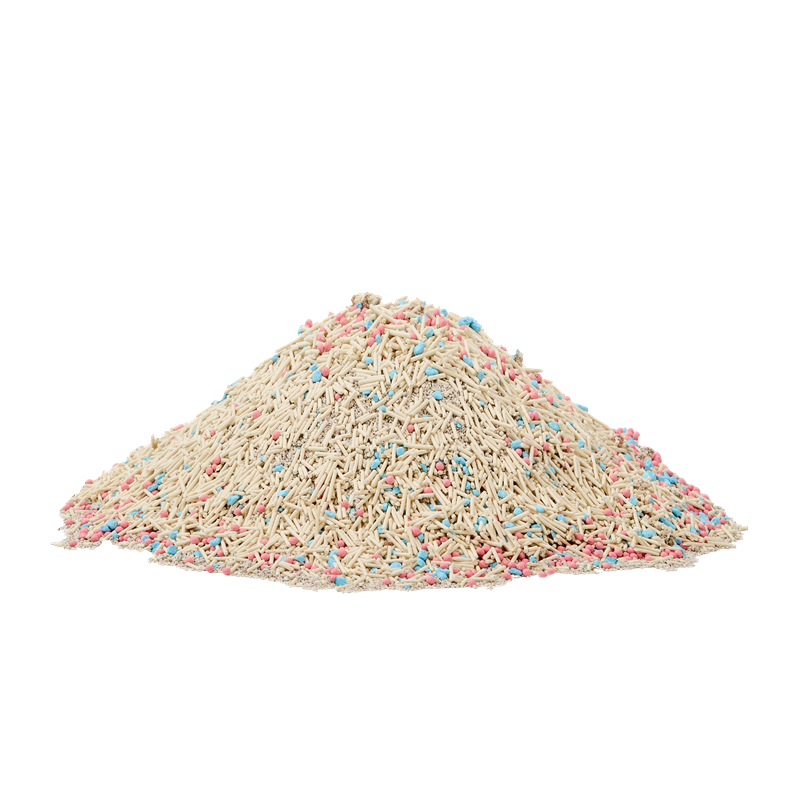
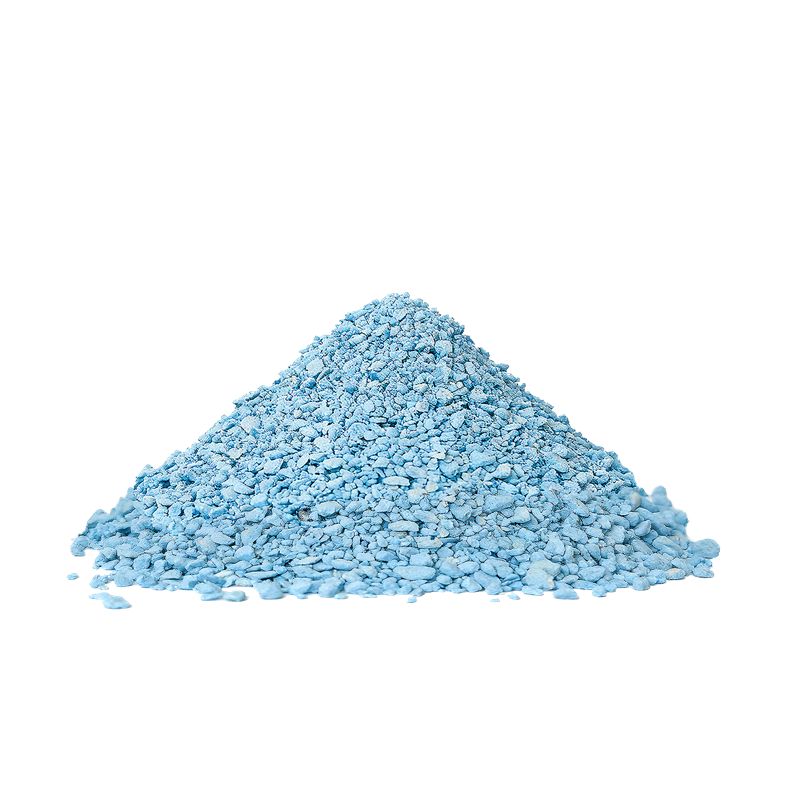
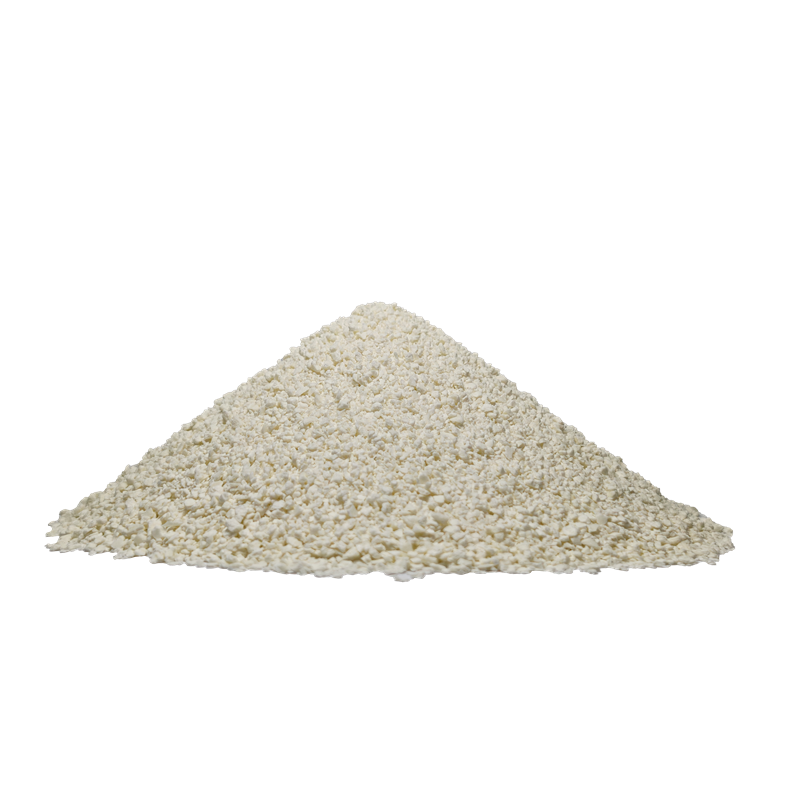
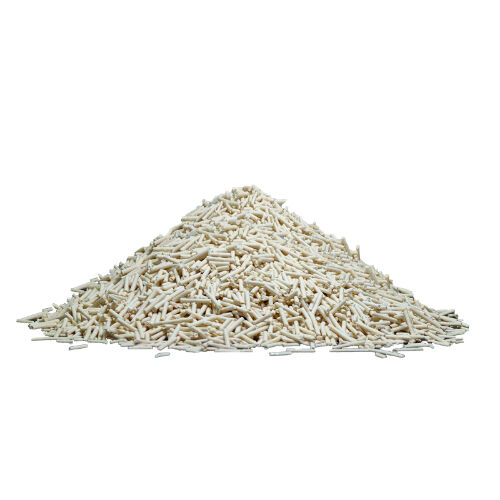
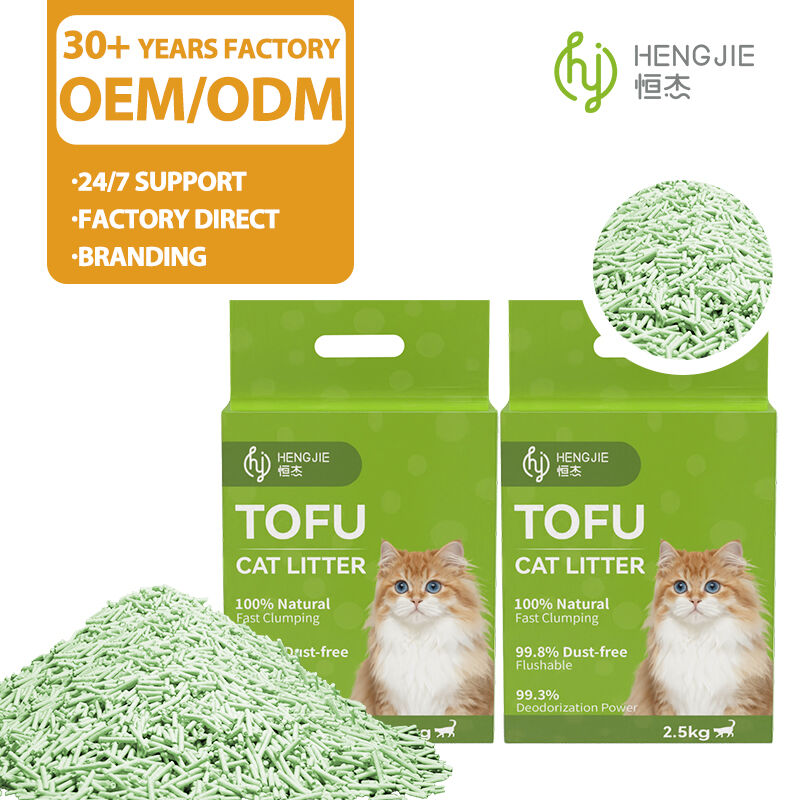
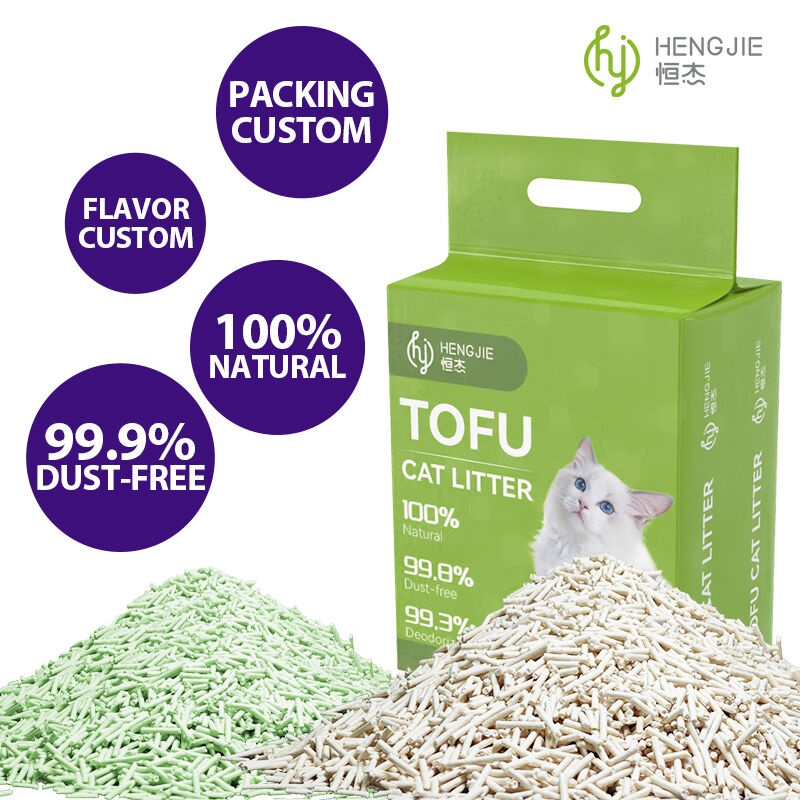
Tofu kitty litter represents a revolutionary advancement in pet care technology, utilizing natural soybean materials to create an eco-friendly and highly effective litter solution. This innovative product transforms traditional waste management for cat owners by incorporating biodegradable ingredients that decompose naturally without harming the environment. The manufacturing process involves grinding and processing soybeans into fine granules that maintain excellent absorption properties while remaining completely safe for both pets and humans. Tofu kitty litter demonstrates superior clumping capabilities, forming solid masses when exposed to moisture that can be easily removed with standard scooping tools. The technological framework behind this product includes specialized processing techniques that enhance the natural binding properties of soy proteins, creating a litter that maintains its structural integrity during use. Applications extend beyond basic waste absorption, as tofu kitty litter actively neutralizes odors through natural enzymatic processes rather than relying on artificial fragrances or chemical additives. This makes it particularly suitable for households with multiple cats, small living spaces, or family members with respiratory sensitivities. The granular structure provides excellent tracking control, reducing the amount of litter that gets scattered outside the litter box area. Pet owners appreciate how tofu kitty litter dissolves completely in water, making disposal through toilets possible in many municipal systems, though local regulations should always be verified first. The product maintains consistent performance across various humidity levels and temperature conditions, ensuring reliable functionality regardless of seasonal changes or geographic location. Veterinarians often recommend tofu kitty litter for cats recovering from surgery or dealing with urinary tract issues, as the natural composition reduces the risk of irritation or infection compared to traditional clay-based alternatives.


 EN
EN