types of super absorbent polymer
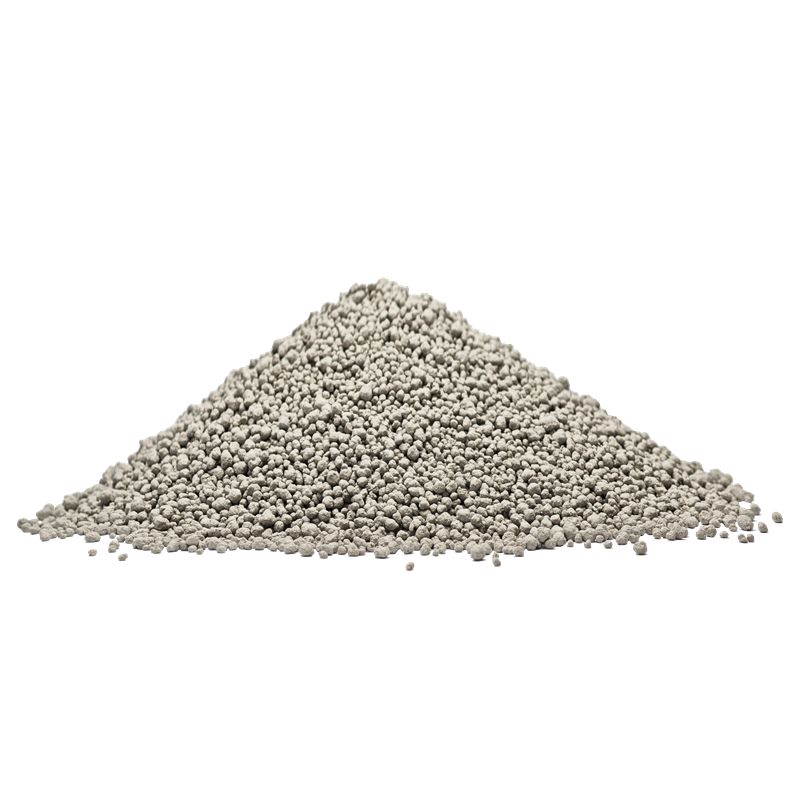
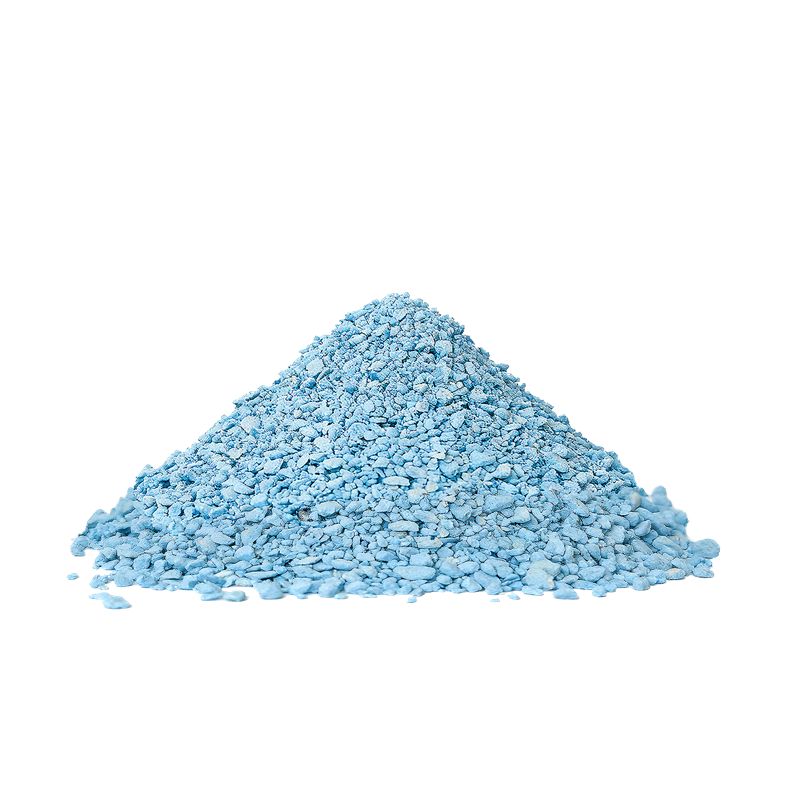
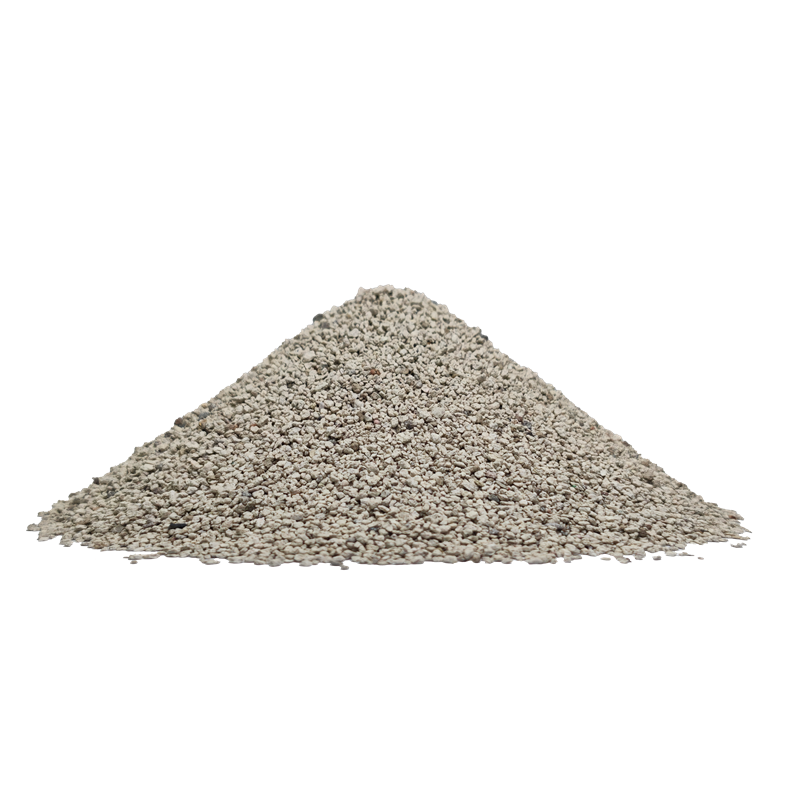
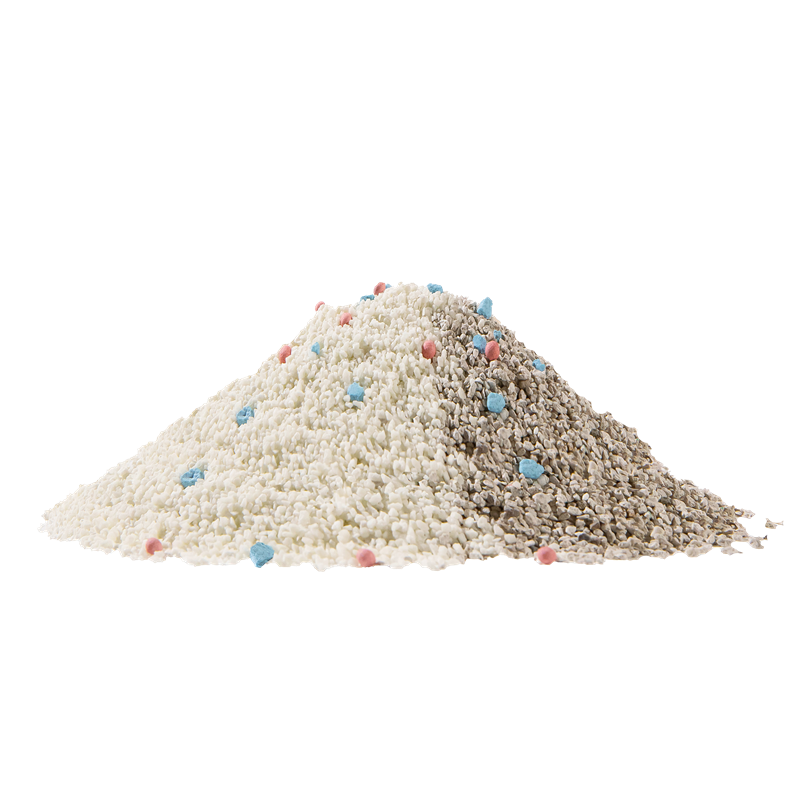
Super absorbent polymers represent a revolutionary class of materials that have transformed numerous industries through their exceptional water retention capabilities. The types of super absorbent polymer available today encompass various chemical compositions and structural configurations, each designed to meet specific application requirements. Sodium polyacrylate stands as the most common type of super absorbent polymer, featuring cross-linked polymer chains that can absorb water quantities ranging from 300 to 800 times their original weight. This remarkable absorption capacity stems from the polymer's unique molecular structure, which creates a three-dimensional network capable of trapping and retaining massive amounts of liquid. Potassium polyacrylate represents another significant type among the various types of super absorbent polymer, particularly valuable in agricultural applications due to its superior performance in saline conditions. The technological features of these polymer types include exceptional gel strength, rapid absorption rates, and remarkable retention capacity under pressure. Starch-based super absorbent polymers offer biodegradable alternatives, combining environmental sustainability with effective absorption properties. These natural polymer types demonstrate how innovation continues to expand the range of available options. The main functions of different types of super absorbent polymer include liquid immobilization, controlled release mechanisms, and moisture management across diverse environments. Applications span from personal hygiene products and medical devices to agricultural soil conditioners and industrial waste management systems. Each type of super absorbent polymer exhibits distinct characteristics regarding absorption speed, gel strength, and chemical resistance, making material selection crucial for optimal performance. The versatility of these polymer types enables customization for specific pH ranges, temperature conditions, and chemical environments, ensuring reliable performance across varied operational parameters.


 EN
EN