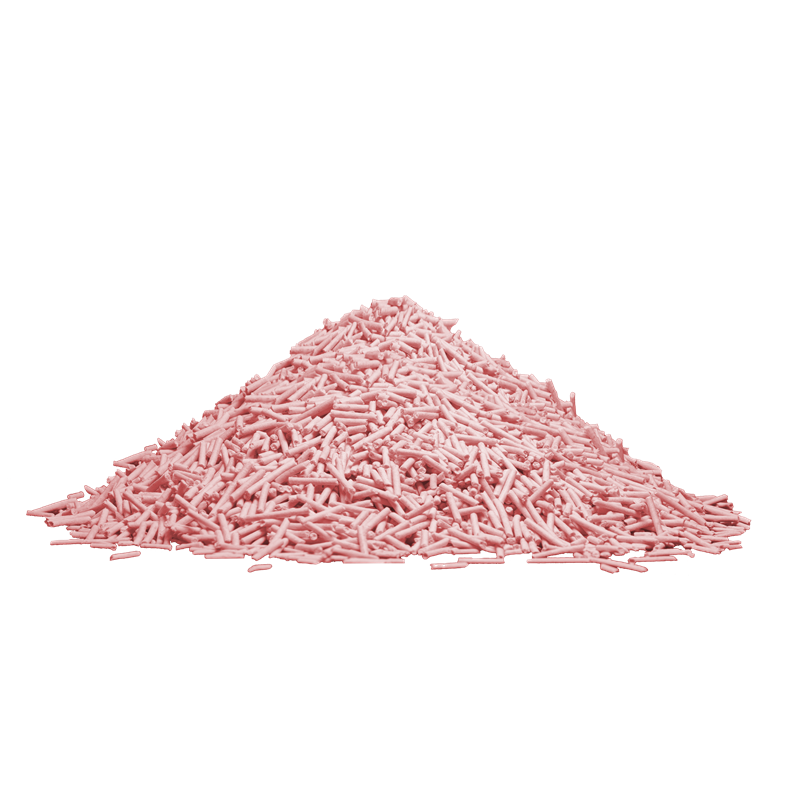
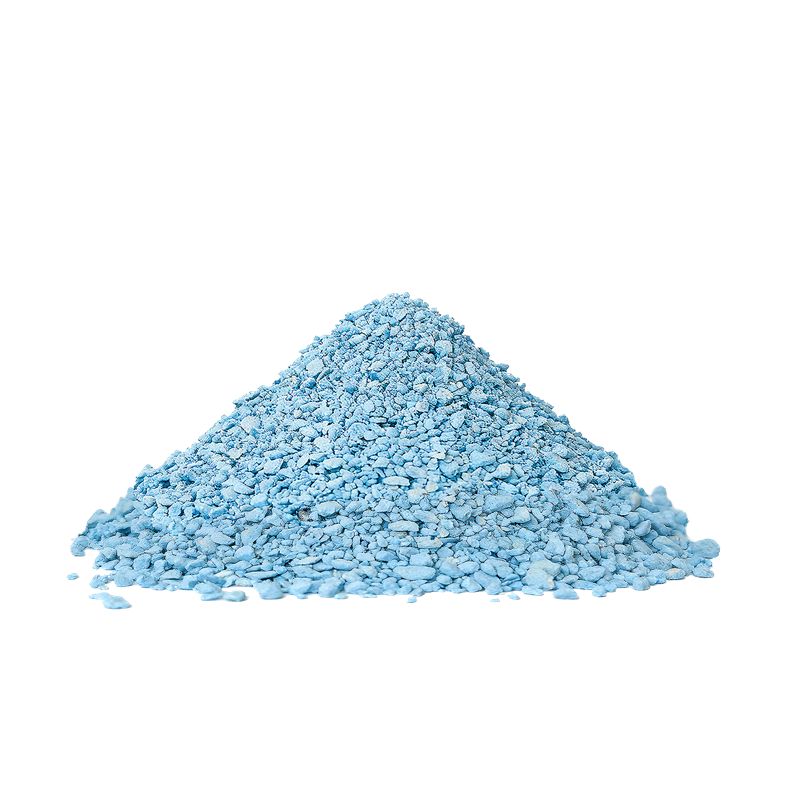
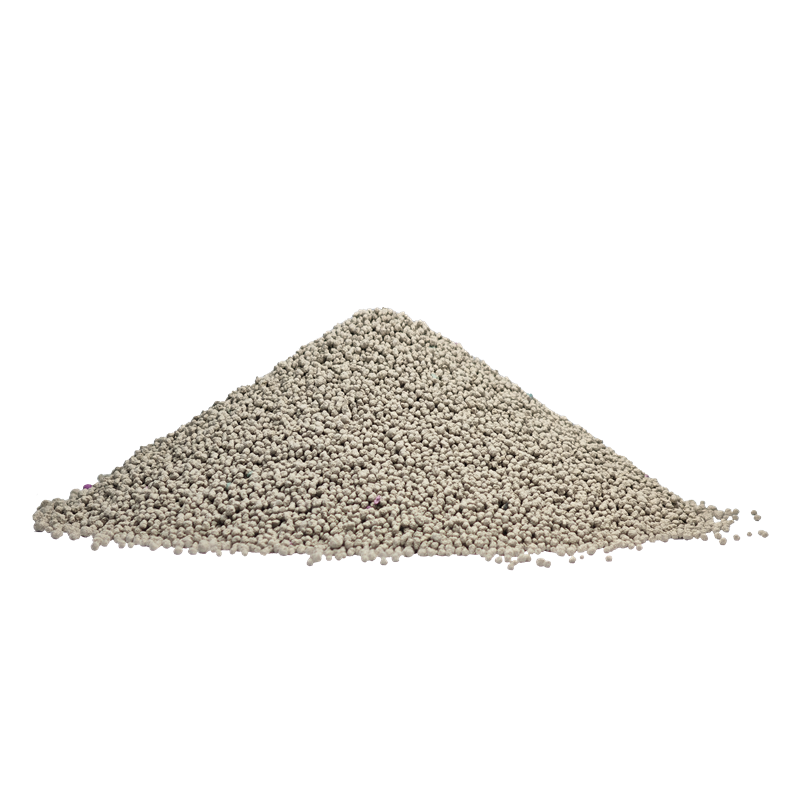
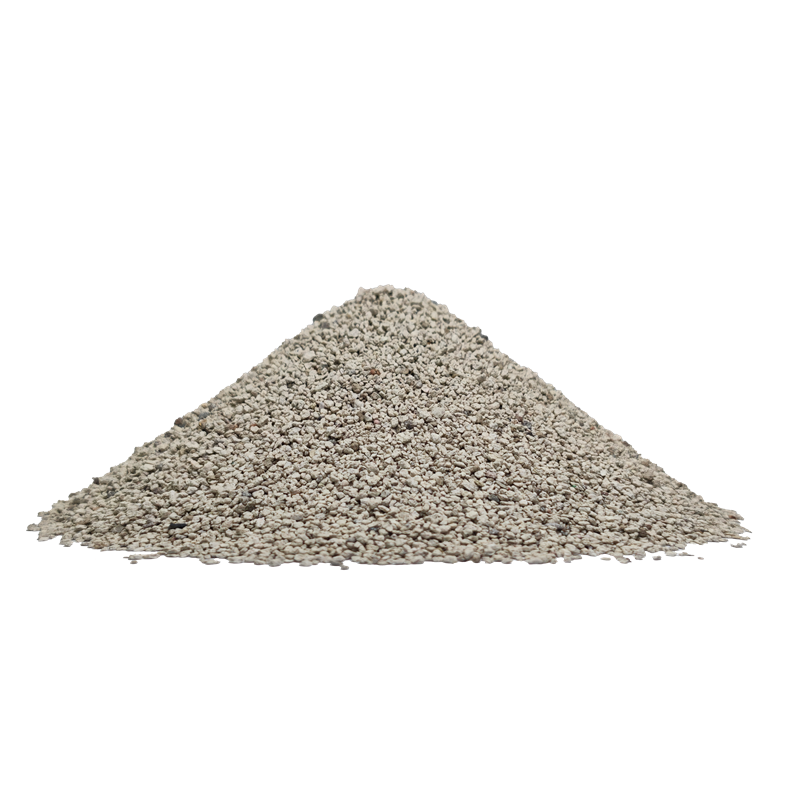
highly absorbent polymer
A highly absorbent polymer represents a revolutionary class of synthetic materials engineered to absorb and retain extraordinary amounts of liquid relative to their own mass. These superabsorbent polymers, commonly known as SAPs, can typically absorb between 100 to 1000 times their weight in water, making them invaluable across numerous industries and applications. The highly absorbent polymer functions through a unique cross-linked molecular structure that creates a three-dimensional network capable of trapping and holding vast quantities of fluid while maintaining structural integrity. This remarkable absorption capacity stems from the polymer's hydrophilic properties and ionic composition, which create osmotic pressure that draws water molecules into the polymer matrix. The technological features of highly absorbent polymer include exceptional gel strength, rapid absorption rates, and superior liquid retention under pressure. These polymers demonstrate remarkable stability across varying temperature ranges and pH levels, ensuring consistent performance in diverse environmental conditions. The cross-linking density can be precisely controlled during manufacturing to optimize absorption capacity and gel strength for specific applications. Modern highly absorbent polymer formulations incorporate advanced chemistry that enhances biodegradability while maintaining superior performance characteristics. Applications span across personal care products, agriculture, medical devices, construction materials, and industrial processes. In personal hygiene products, highly absorbent polymer serves as the core absorption technology in disposable diapers, adult incontinence products, and feminine hygiene items. Agricultural applications utilize these polymers for soil conditioning, water retention in drought-prone regions, and controlled release fertilizer systems. The construction industry employs highly absorbent polymer for concrete curing, waterproofing applications, and cable protection. Medical applications include wound dressings, surgical pads, and drug delivery systems where controlled absorption and release properties are critical.


 EN
EN