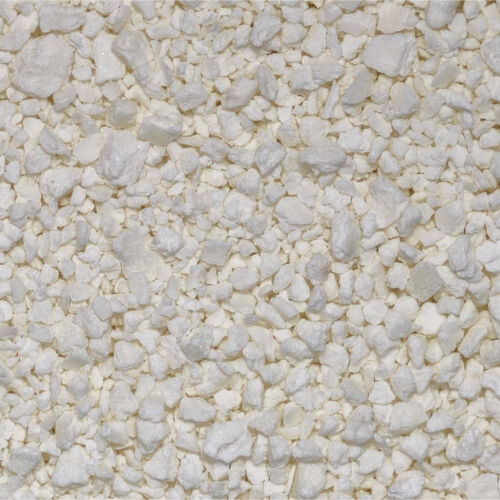
sap super absorbent polymer price
SAP super absorbent polymer price represents one of the most significant factors in determining the cost-effectiveness of modern absorbent materials across multiple industries. Super Absorbent Polymers (SAPs) are revolutionary hydrogel materials engineered to absorb and retain extraordinary amounts of liquid relative to their own mass. These sophisticated polymers can absorb anywhere from 300 to 1000 times their weight in water, making them indispensable components in products ranging from baby diapers to agricultural applications. The sap super absorbent polymer price fluctuates based on several critical factors including raw material costs, manufacturing complexity, quality specifications, and market demand dynamics. The primary function of SAPs involves creating cross-linked polymer networks that trap liquid molecules within their three-dimensional structure, preventing leakage while maintaining material integrity under pressure. Technologically, these polymers utilize advanced polymerization processes that create optimal molecular architectures for maximum absorption capacity. The production involves careful control of cross-linking density, particle size distribution, and surface chemistry to achieve desired performance characteristics. Applications span numerous sectors including personal hygiene products, medical supplies, agriculture, construction, and industrial processes. In agriculture, SAPs help retain soil moisture and reduce irrigation frequency, while in healthcare applications, they provide superior wound care and incontinence management solutions. The sap super absorbent polymer price varies significantly depending on grade specifications, with medical-grade and food-grade polymers commanding premium pricing due to stringent purity requirements. Manufacturing costs directly impact the sap super absorbent polymer price, with factors such as energy consumption, catalyst expenses, and quality control measures all contributing to final pricing structures. Market dynamics also influence pricing, with supply chain disruptions, regulatory changes, and technological innovations all playing crucial roles in determining market rates for these essential materials.


 EN
EN