Versatile Customization and Environmental Sustainability
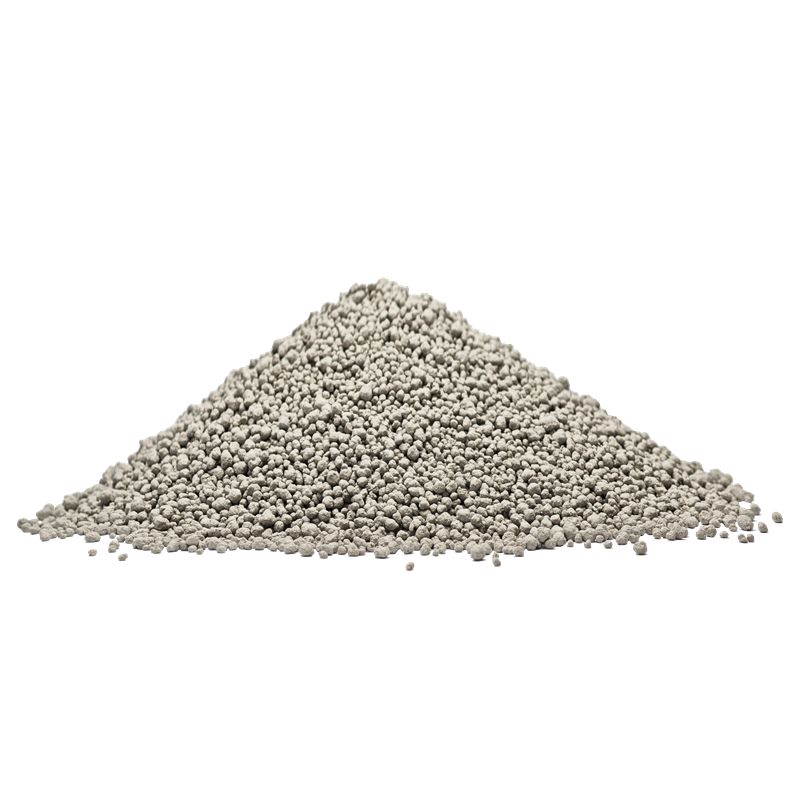
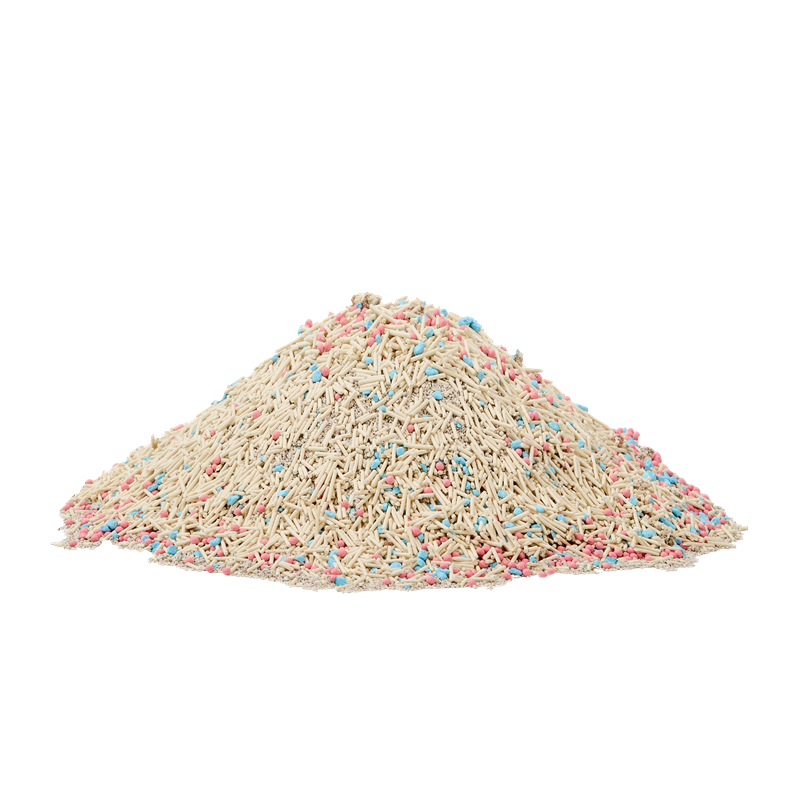
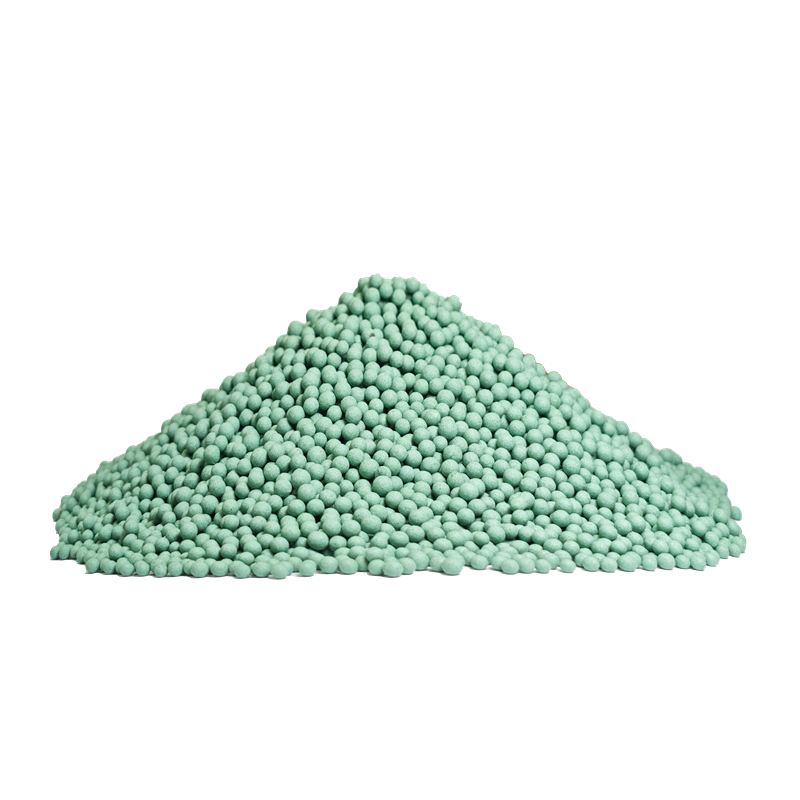
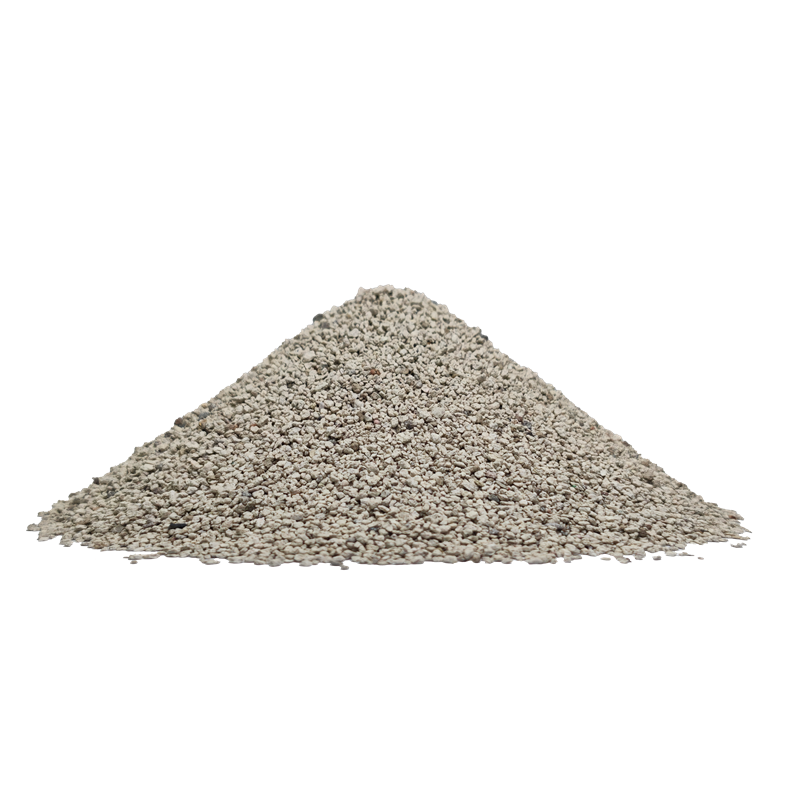
The remarkable versatility and environmental sustainability of super absorbent polymer crystals position them as forward-thinking solutions that address both current performance needs and future environmental responsibilities, making them ideal choices for companies committed to sustainable practices and adaptive product development. The customization capabilities of super absorbent polymer crystals allow manufacturers to tailor these materials to meet specific application requirements through modifications to particle size, absorption rate, capacity, biodegradability, and chemical compatibility, creating bespoke solutions that optimize performance for particular use cases. This adaptability extends to the development of specialized formulations for unique applications, such as temperature-responsive variants for controlled-release systems, pH-sensitive versions for targeted activation, and biodegradable options for environmentally sensitive applications. The ability to customize super absorbent polymer crystals enables innovation across industries, facilitating the development of next-generation products that meet evolving consumer demands and regulatory requirements while maintaining superior performance standards. Environmental sustainability represents an increasingly important advantage of modern super absorbent polymer crystals, particularly formulations designed for biodegradability and reduced environmental impact. These eco-friendly variants break down naturally over time when exposed to soil microorganisms, contributing to sustainable agriculture practices and reducing long-term environmental accumulation. The water conservation benefits of super absorbent polymer crystals contribute significantly to environmental sustainability goals, as their use in agricultural applications can reduce irrigation water consumption by up to 50 percent while maintaining or improving crop yields, directly supporting global water conservation efforts. The efficiency gains achieved through super absorbent polymer crystals also translate into reduced packaging materials, lower transportation requirements, and decreased manufacturing energy consumption, creating a comprehensive sustainability profile that appeals to environmentally conscious consumers and businesses. Manufacturing processes for super absorbent polymer crystals continue to evolve toward greater environmental responsibility, incorporating renewable raw materials, reducing energy consumption, and minimizing waste generation, further enhancing their sustainability credentials and supporting circular economy principles that benefit both businesses and the environment.


 EN
EN