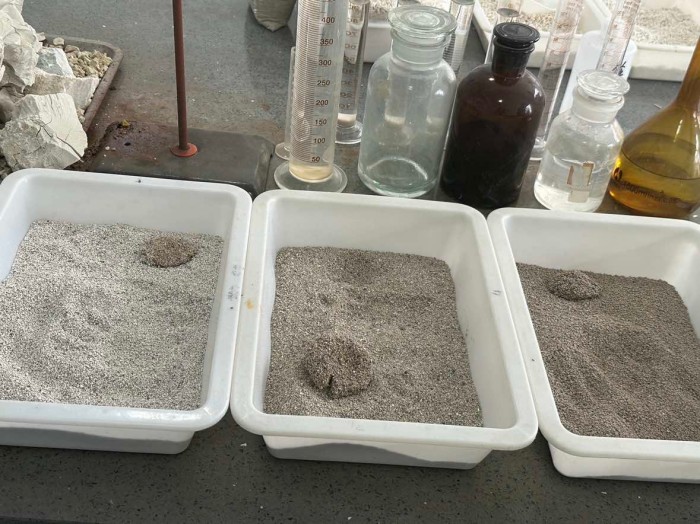
Cat Litter Production Process
Why is it necessary to learn about the production process? Will it be of any help?
Learning the production process of cat litter can assist customers in making more informed product choices based on scientific insights into product quality stability, performance variations, and safety features. The production process directly influences key indicators such as water absorption, clumping ability, and odor control in cat litter. For instance, in-house manufacturing often ensures higher batch consistency, whereas outsourced production might lead to fluctuations in quality. Knowledge of these production differences can aid customers in identifying risks associated with lower-quality products. For example, some inexpensive cat litters may include stone powder for weight adjustment or omit dust removal steps, resulting in increased dust and reduced water absorption.
The assistance in product selection for customers is mainly reflected in the following aspects:
Matching usage scenarios:
- Multi-cat households should prioritize clumping ability and dust control (such as sodium-based mineral litters or mixed litters).
- Kittens, post-operative recovery, or dust-sensitive environments are better suited for dust-free paper litters or tofu litters.
Optimizing cost-effectiveness:
- Understanding the production process can help avoid unnecessary expenses.
- Products with good water absorption and gelatinization rates may have higher unit prices but require less actual usage.
- Specifications marked by volume (liters) or weight (kilograms) should be evaluated based on density to calculate true cost.
Enhancing user experience:
- The production process determines the litter's texture (particle size, hardness) and environmental friendliness (biodegradability, flushability).
- Customers can choose based on their cats' preferences and cleaning habits, e.g., tofu litter made from bean dregs is more acceptable to cats.
Avoiding health risks:
- Some production processes may leave chemical additives or generate dust, which could harm cats' respiratory systems or urinary health over long-term use.
- Understanding the process allows customers to prioritize harmless formulations (such as natural sodium-based minerals, activated carbon for odor control).
In summary, understanding the production process provides customers with a scientific basis for selecting products. This empowers them to choose cost-effective solutions that meet specific needs while ensuring cat health through proper daily management, including appropriate mixing ratios and replacement cycles. The following information focuses mainly on the production processes of popular bentonite cat litter and plant-based cat litter.
Bentonite Cat Litter Production Process
Bentonite Cat Litter Production Process:
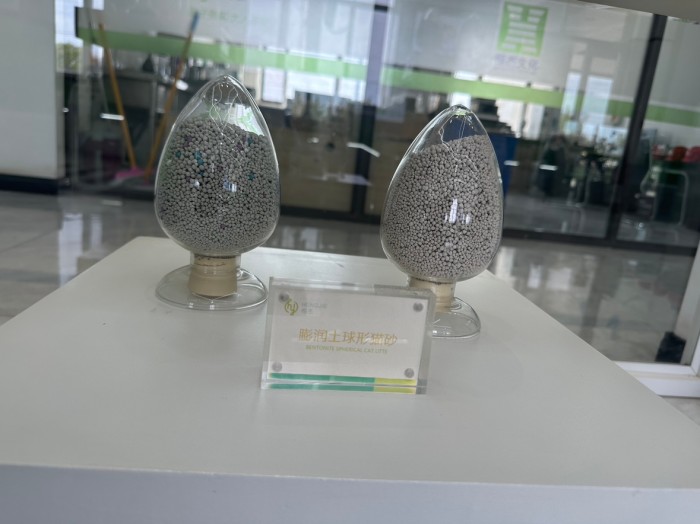
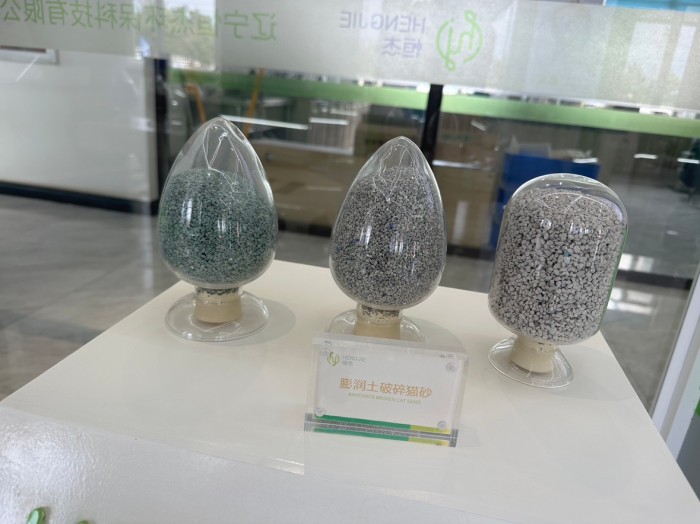
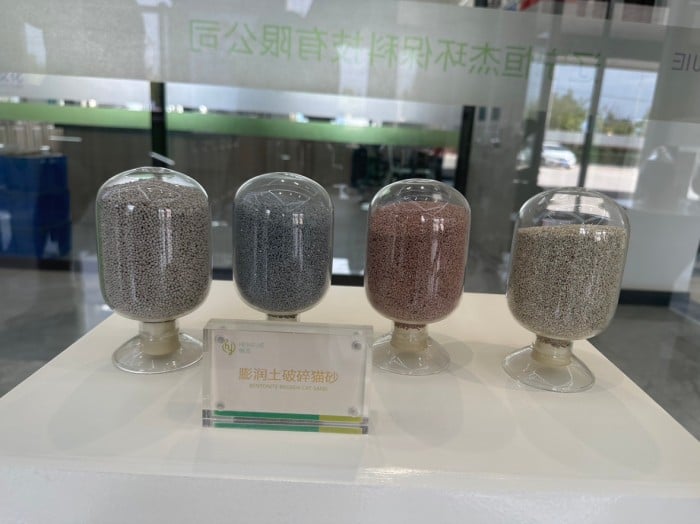
The production process of bentonite cat litter generally includes the following steps: raw material selection, batching, mixing, granulation, drying, and packaging.
Raw Material Selection:
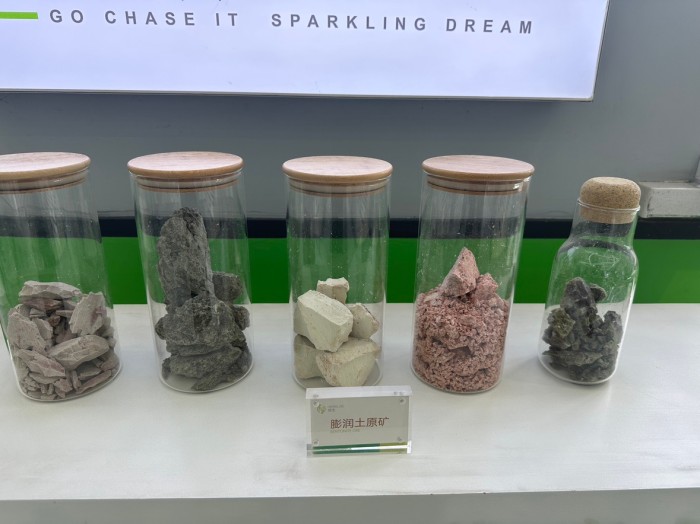
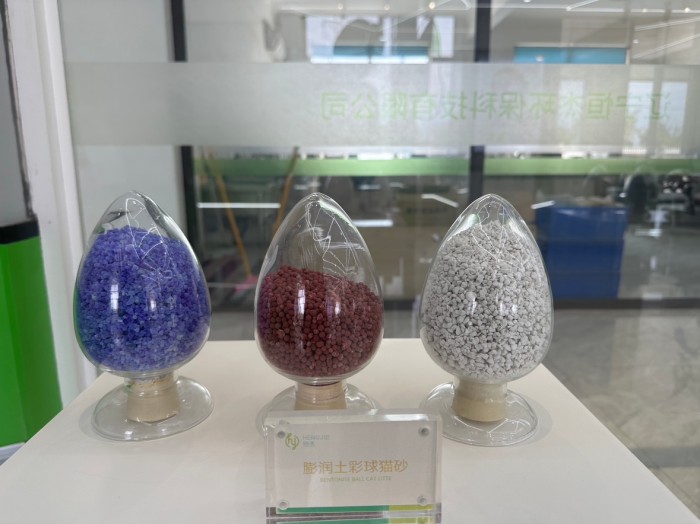
High-quality bentonite, starch, activated carbon, wood chips, and pigments are selected as raw materials.
Batching:
Precisely measure and mix the prepared raw materials in a mixer.
Mixing:
The mixed raw materials are placed in a granulator for granulation.
Granulation:
The formed granules are screened to obtain products of a certain particle size.
Drying:
The cat litter granules are conveyed to a dryer for drying.
Packaging:
After drying, screen the finished product. When the product cools to room temperature, add 0.1%-0.5% granular fragrance, and package the finished product.
Summary:
The production process of bentonite cat litter not only affects product quality but also has significant impacts on environmental protection and safety production. Therefore, manufacturers should strengthen raw material quality control, adopt advanced crushing technologies and equipment, and improve product quality and stability.
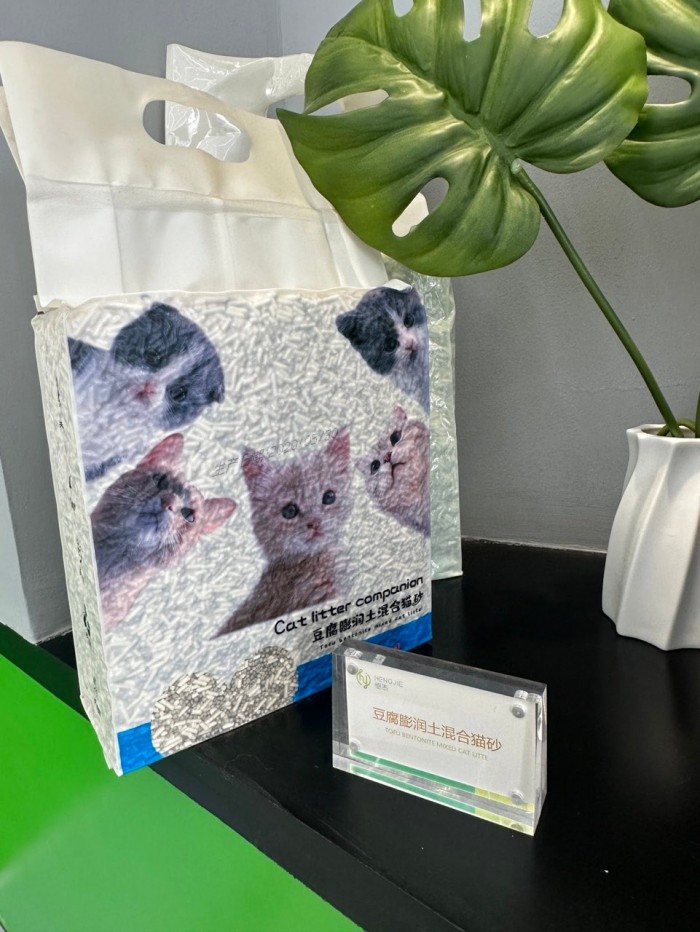
Plant-based Cat Litter Production Process
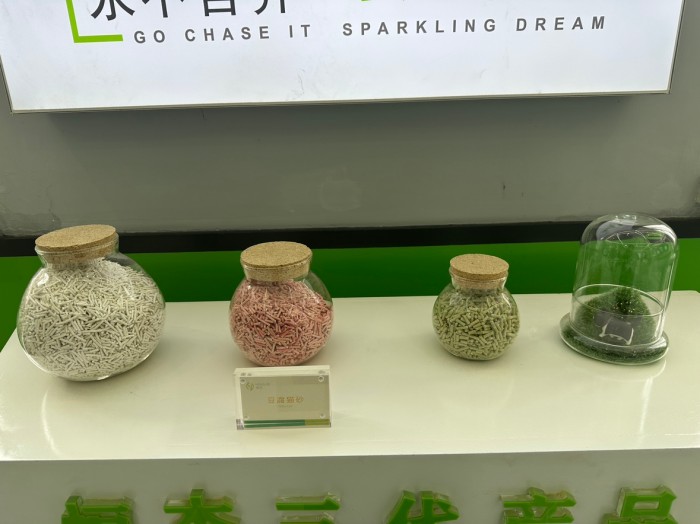
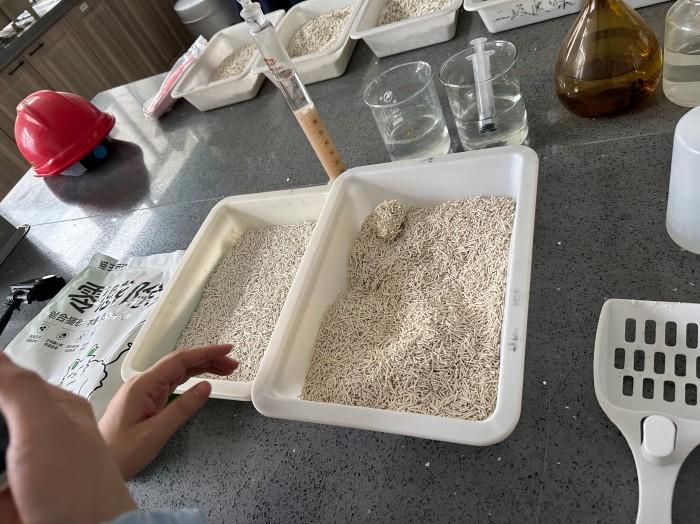
1. Uses natural plant materials as the main raw materials, emphasizing environmental protection and biodegradability. The core processes typically include crushing, granulating, and drying.1. Raw Material Preprocessing: Wood litter: Uses wood processing residues (sawdust, wood shavings) or specially cultivated fast-growing wood (such as pine, fir). It may require removal of bark and impurities, and preservative treatment (e.g., high-temperature treatment to remove phenolic substances from pine). Paper litter: Uses recycled paper (such as old newspapers, cardboard) or pulp. Requires shredding, deinking (if necessary), and impurity removal. Tofu/corn litter: Uses by-products of agricultural processing such as bean dregs, corn cobs, and corn stalks. Requires washing, drying, and crushing.
2. Crushing: Use hammer mills, blade mills, etc., to crush the raw materials into fine fibers or powder.
3. Mixing: Mix the crushed main materials with necessary additives evenly: Binder: Natural starches (corn starch, tapioca starch), guar gum, CMC, etc. (quantity must be controlled as too much affects disintegration). Tofu/corn litter may utilize the inherent stickiness of the raw materials. Deodorizer: Activated carbon powder, plant extracts, baking soda, etc. Antifungal agent (optional): Food-grade safe antifungal agents. Water: Adjust moisture for granulation.
4. Granulation: This is the key step for forming pellets. Common equipment: Extrusion granulator: Forces the mixture through molds of specific apertures, extrudes strips, and cuts them into pellets. Can produce cylindrical pellets. Flat-die/roller-die pellet press: Often used for higher-density pellets. Tumbling/drum granulation: Forms spherical or irregular pellets through rolling (less commonly used for cat litter). Pellet size and shape are designed according to product positioning (e.g., thin strips, small cylinders, pellets).
5. Drying: Transfer wet pellets into drying equipment (fluidized bed dryer, belt dryer, drying room). Strictly control temperature (usually medium-low, e.g., 60°C-120°C) and duration to thoroughly dry while preventing mold, but avoid high temperatures that damage the binder and natural components, causing pellets to become brittle or lose disintegration properties. Drying is key to controlling dust and hardness.
6. Cooling and Sieving: Cool dried pellets to room temperature. Use vibration sieves to remove powder (which can be recycled) and oversized pellets to obtain uniform finished pellets.
7. (Optional) Surface Treatment: Some products may undergo slight surface spraying after sieving, such as spraying a minimal amount of dust suppressant or deodorizer.
8. Quality Testing: Test water absorption, clumping ability (if claimed), disintegration (for flushable types), dust level, pellet strength, deodorization efficacy, mold testing, and biodegradability.
9. Packaging: Use moisture-proof packaging bags (such as laminated woven bags, aluminum foil composites). ...
Above is our bentonite cat litter and plant-based cat litter production process. If you are interested in more details, please feel free to contact us at any time. Looking forward, we can explore more related industry new ideas.


 EN
EN